
Main Courses
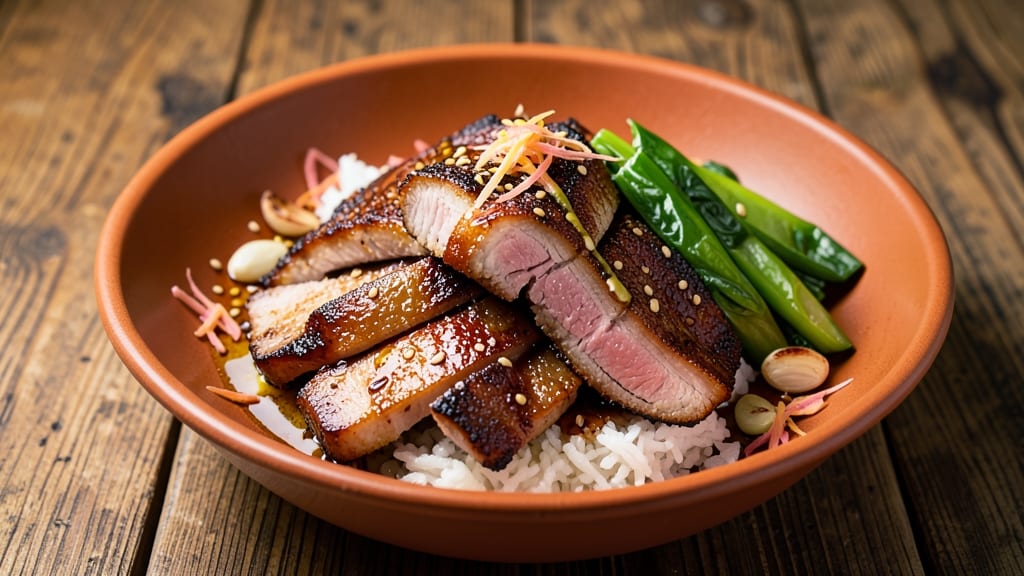
This Bossam pork recipe brings the vibrant flavors of Korean street food to your table with crispy pork belly slices wrapped in lettuce and coated in tangy tamarind sauce. 🔥 After years of perfecting the balance between smoky pork and sweet-spicy tamarind, I've created a version that delivers restaurant-quality results at home.
The secret lies in marinating the pork belly overnight, ensuring tender yet crispy edges when seared.
The traditional Korean technique transforms simple ingredients into a dish that's both satisfying and elegant. Thinly sliced pork belly is marinated in soy sauce, sugar, and garlic, then quickly seared to lock in juices.
Serving it with fresh lettuce wraps and ssamjang sauce creates that signature Korean BBQ experience where every bite is a flavor explosion.
What makes this recipe special is the tamarind drizzle—a tangy-sweet sauce that cuts through the richness of the pork while adding depth. The combination of crispy pork, fresh lettuce, and bold flavors creates a dish that's perfect for gatherings or a special weeknight dinner.
This is Korean comfort food at its finest, where every element comes together in perfect harmony.
Pair with steamed rice and kimchi for an authentic meal, or serve as an appetizer for parties. The method is straightforward but delivers professional results that will impress even the most discerning guests. Let's get cooking!
Ingredients for bossam pork
Pork belly, tangy tamarind, and crisp lettuce—this Korean street food classic delivers restaurant-quality flavor at home.
| Ingredient | Amount | Notes |
|---|---|---|
| Pork Belly 🥓 | 1 ½ lb | Thinly sliced, 1/4-inch thick |
| Soy Sauce 🍶 | ½ cup | Korean or Japanese preferred |
| Brown Sugar 🍚 | ¼ cup | Packed, light brown preferred |
| Garlic Cloves 🧄 | 8 cloves | Minced, fresh preferred |
| Ginger Root 🌿 | 1 tbsp | Fresh, grated |
| Sesame Oil 🫒 | 1 tbsp | Toasted, for aroma |
| Vegetable Oil 🫒 | ½ cup | For searing |
| Tamarind Paste 🍯 | ¼ cup | Korean or Thai brand |
| Rice Vinegar 🍶 | ¼ cup | White, mild acidity |
| Butter Lettuce 🥬 | 1 head | Fresh, crisp leaves |
| Kimchi 🥬 | 1 cup | Store-bought or homemade |
| Sesame Seeds 🌾 | 1 tbsp | Toasted, for garnish |
| Salt 🧂 | 1 tsp | Kosher or sea salt |
| Black Pepper 🌶️ | ½ tsp | Freshly ground |
The pork belly is the star here—look for well-marbled cuts at your local butcher or Costco for the best texture. Thinly slicing (about 1/4-inch thick) ensures perfect crispiness when seared. If you can't find it pre-sliced, ask the butcher to do it for you. For the tamarind paste, Korean brands like Haein or Thai brands work best—they're more concentrated and less grainy. If you can't find tamarind paste, substitute 2 tbsp lemon juice + 1 tbsp brown sugar for a similar tangy-sweet balance. The soy sauce should be Korean-style (like Gochujang or Doenjang if you want extra depth), but regular soy sauce works in a pinch.
No tamarind paste? Lemon juice + brown sugar mimics the tangy-sweet profile (though it won’t be identical). For the lettuce, butter lettuce is ideal—its mild flavor lets the pork shine, but iceberg or romaine work too. If you're serving this for a crowd, prep the lettuce wraps ahead by keeping the leaves in a sealed container with a damp paper towel to maintain crispness. The kimchi adds that signature Korean tang—pick a spicy variety if you love heat, or mild for a more balanced flavor. For extra authenticity, toast the sesame seeds in a dry pan for 1-2 minutes until golden—they’ll add a nutty aroma that ties everything together.
Marinate the pork for at least 4 hours (overnight is best) to maximize tenderness. Store the marinated pork in an airtight container in the fridge for up to 2 days, though it’s best fresh. The tamarind sauce keeps for 1 week in the fridge—make extra for drizzling over rice or noodles. If you’re prepping ahead, sear the pork just before serving to maintain crispiness. The lettuce wraps stay fresh for 1 day in the fridge, but the pork loses its crunch after that, so plan to cook fresh if possible.
Why You'll Love This Recipe
- One-Pan Magic: I swear by this recipe when I’m too tired to wash dishes. Toss the pork belly in soy sauce, brown sugar, and minced garlic—no fancy prep, just a sheet pan and 40 minutes in the oven. The pork renders down juicy while the edges caramelize into crispy perfection.
- Sweet-Savory Balance: That combo of soy and brown sugar? It’s ridiculously good—tangy, sticky, and just sweet enough to make you lick the plate. The ginger and garlic add a punch without overpowering, so it’s bold but not overwhelming.
- Leftovers for Days: Between us, I make this on Sundays because it reheats like a dream. The pork stays tender, and the sauce clings to every bite—perfect for lunchboxes or a quick reheat when you’re too busy to cook.
- Budget-Friendly Feast: Pork belly isn’t cheap, but this recipe stretches it far. A single slab feeds four, and the sauce is so rich you won’t need extra sides. Honestly, it’s my go-to when I want to feel fancy without breaking the bank.
Step-by-step instructions for Korean BBQ skewers with tangy-sweet tamarind drizzle
Here's the precise method for crispy, caramelized pork skewers with a glossy tamarind glaze.
🔥 Step 1: Marinate the Pork Belly for Maximum Flavor
In a large bowl, combine the 1.5 lb pork belly, 0.5 cup soy sauce, 0.25 cup packed brown sugar, 8 minced garlic cloves, 1 tbsp grated ginger root, 1 tbsp sesame oil, 1 tsp salt, and 0.5 tsp black pepper. Mix thoroughly until the pork is fully coated and the marinade clings to every slice.
Cover the bowl with plastic wrap and refrigerate for at least 4 hours (overnight is ideal). This long marinating time ensures deep flavor penetration and tender meat. The pork will develop a beautiful caramelized crust from the sugar during cooking, so don't skip this step.
🍳 Step 2: Sear the Pork for Irresistible Crispiness
Heat 0.5 cup vegetable oil in a large skillet over medium-high heat until shimmering. Working in batches, add the marinated pork belly and cook for 3-4 minutes per side until the edges are deep golden brown and the pork releases easily from the pan.
Transfer the seared pork to a plate and tent loosely with foil. The residual heat will continue cooking the meat slightly, so don't overcook here. If the oil starts smoking, reduce the heat slightly—you want a gentle sizzle, not a raging fire. This searing step creates the perfect foundation for the tangy-sweet glaze.
🥘 Step 3: Prepare the Tangy-Sweet Tamarind Drizzle
In a small saucepan, combine the 0.25 cup tamarind paste, 0.25 cup rice vinegar, and 1 tbsp sesame oil. Cook over medium heat for 5-7 minutes, stirring constantly, until the mixture thickens slightly and becomes glossy. The sauce should coat the back of a spoon and have a beautiful deep amber color.
Remove from heat and let cool for 2 minutes. The tamarind paste will dissolve completely, creating a complex balance of sweet, sour, and umami flavors. If the sauce is too thick, whisk in 1-2 teaspoons of water to reach your desired consistency. This glaze is what transforms ordinary pork into restaurant-quality bossam.
👨🍳 Step 4: Assemble the Skewers for Serving
Thread the seared pork belly slices onto skewers, alternating with 1 cup kimchi and butter lettuce leaves. Arrange the skewers on a serving platter, allowing space between each for easy handling. The kimchi adds a tangy crunch and balances the richness of the pork, while the butter lettuce provides a fresh contrast.
Drizzle the warm tamarind glaze generously over the skewers, allowing it to cascade down the sides. Sprinkle with 1 tbsp toasted sesame seeds for added texture and aroma. Serve immediately while everything is hot—this dish tastes best when the pork is crispy and the glaze is still glossy.
🍽️ Step 5: Garnish and Serve with Traditional Sides
Garnish each skewer with an additional sprinkle of sesame seeds and a few kimchi leaves for vibrant color. The contrast between the crispy pork, cool lettuce, and spicy kimchi makes each bite exciting. Serve with steamed rice to soak up the delicious glaze and complete the Korean BBQ experience.
For an authentic touch, offer small bowls of extra tamarind glaze and kimchi on the side. The combination of textures and flavors—crispy pork, creamy lettuce, spicy kimchi, and sweet-sour glaze—is what makes bossam so irresistible. Enjoy immediately while the pork maintains its perfect texture.
Pro Tips For Making Bossam Pork
- CRISP THE BELLY FIRST: I learned this the hard way—thinly slice the pork belly before cooking it. Thick slices stay chewy; ¼-inch slices get tender and crispy. Use a sharp knife and slice against the grain for that melt-in-your-mouth texture.
- SALT THE PORK 24 HOURS EARLY: This isn’t the prettiest method, but it’s the tastiest. Generously salt the pork belly (about 1 tablespoon per pound) and let it sit uncovered in the fridge overnight. The salt breaks down the fat and collagen, making the meat fork-tender without drying it out.
- DON’T DROWN THE GARLIC: Bossam pork needs bold flavor, but too much garlic can overpower. Mince 6-8 cloves fine—no need for a paste—and toast them in the oil until they’re golden, not burnt. If you’re using ginger too, grate it fresh and add it with the garlic; it’ll mellow out the sharpness.
- BASTE WITH THE SAUCE: Skip the dry-roasting step if you’re short on time, but if you’re going for full flavor, baste the pork with the soy-brown sugar mixture every 5 minutes. The sugar caramelizes faster than you think, so keep a close eye—you want sticky, glossy glaze, not burnt spots. A splash of water thinned with soy sauce works in a pinch.
Regional styles of this recipe
Korean Street Food Roots
Bossam originated in Korea as a quick, flavorful street food—perfect for grabbing on the go. The dish reflects Korea's love for bold flavors, where thinly sliced pork belly gets marinated in soy, sugar, and garlic, then seared to crispy perfection.
In Seoul's bustling markets, vendors serve it with lettuce wraps and ssamjang sauce, creating a handheld meal that's both satisfying and easy to eat. 🌆
The name "bossam" comes from the Korean word for "pork wrapped in lettuce," emphasizing its simple yet elegant presentation. This dish became popular during Korea's rapid urbanization in the 1960s, when street food stalls thrived as affordable, delicious options for busy workers.
Traditional versions often use pork belly, but modern adaptations include chicken or beef for variety. The tangy tamarind sauce we use today is a later addition, inspired by Korean fusion with Southeast Asian flavors.
Southern Korean Adaptations
In South Korea, bossam takes on regional variations that reflect local ingredients. In Busan, you'll find versions with extra chili oil added to the marinade, giving it a fiery kick that balances the sweetness.
The city's coastal location also means fresh seafood sometimes replaces pork, creating a seafood bossam that's equally popular. Meanwhile, Seoul-style bossam focuses on the classic pork-and-lettuce combination but often includes a side of kkaennip (spicy mustard) for dipping.
One unique adaptation is bossam tteokbokki, where the lettuce-wrapped pork is served with spicy rice cakes in a sweet-savory sauce. This fusion dish showcases Korea's creativity in blending traditional flavors with modern twists.
For home cooks, adding a dash of gochujang (Korean chili paste) to the tamarind glaze creates a deeper, spicier version that's perfect for those who love heat. 🌶️
Japanese-Inspired Bossam
Across the strait in Japan, particularly in Osaka and Tokyo, bossam evolved into a dish called "yaki-niku bossam" or grilled meat bossam. Here, the pork is often marinated in a mix of soy sauce, mirin, and sake, giving it a slightly sweeter, umami-rich profile.
The lettuce wraps remain, but the tamarind sauce is replaced with a teriyaki-style glaze or even a miso-based drizzle, reflecting Japan's love for fermented flavors.
Japanese versions also frequently include shiso leaves (a type of mint) instead of butter lettuce, adding a unique aromatic note. The skewers are sometimes arranged on a donburi-style bowl with rice, creating a hybrid dish that's both Korean and Japanese.
For a fusion twist at home, try substituting mirin for some of the rice vinegar in the tamarind sauce—it adds a subtle sweetness that bridges both cuisines beautifully.
Modern Fusion Twists
Today, bossam has gone global, inspiring creative fusions that keep the core concept while adding new flavors. In Los Angeles, Korean BBQ spots serve bossam with avocado slices and pickled radish, adding a fresh, crunchy contrast.
Some chefs even wrap the pork in collard greens for a Southern-inspired twist, pairing it with a peach-glazed tamarind sauce for a sweet-and-tangy balance that's perfect for summer gatherings.
For a spicy-sweet fusion, try adding honey and sriracha to the tamarind glaze, then topping with crushed peanuts for texture. Another modern adaptation is bossam tacos, where the lettuce-wrapped pork is served in warm tortillas with all the same toppings.
The key to any fusion version is maintaining the crispy pork and fresh lettuce—these are the non-negotiables that make bossam recognizable. 💡
Regional Serving Styles
In Korea, bossam is traditionally served at family-style gatherings, where large platters of skewers are placed at the center of the table for sharing.
The lettuce wraps are assembled at the table, allowing everyone to customize their bites with extra kimchi, ssamjang, or even a sprinkle of sesame seeds. This communal style reflects Korea's emphasis on shared meals and conversation.
For a party-friendly presentation, arrange the skewers on a wooden platter with small bowls of tamarind glaze, kimchi, and sesame seeds on the side. Serve with steamed rice and pickled vegetables to complete the meal.
In restaurant settings, bossam is often part of a larger Korean BBQ spread, where it's paired with bulgogi beef or spicy pork ribs for a full flavor experience. At home, I love setting up a DIY bossam bar where guests can assemble their own wraps—it's always a hit! 🍽️
Nutrition facts
Frequently asked questions
Can I use chicken or beef instead of pork belly?
While pork belly is traditional, thinly sliced chicken breast or beef tenderloin work beautifully. For chicken, marinate for 2-3 hours (not overnight) since it cooks faster. For beef, use 1/8-inch thick slices and marinate 4-6 hours to prevent toughness. The key is keeping the meat thin—this ensures crispiness when seared.
What's the best way to make the tamarind glaze extra glossy?
For a restaurant-quality sheen, simmer the tamarind mixture with 1 tbsp honey instead of plain sugar. After cooking, whisk in 1 tsp cornstarch mixed with 1 tsp water to thicken it further. Let it cool slightly before drizzling—this helps it cling beautifully to the pork.
How do I keep the lettuce crisp for serving?
Store butter lettuce in an airtight container with a damp paper towel> and plastic wrap. For maximum crispness, separate leaves just before serving. If using pre-washed lettuce, dry it thoroughly first—moisture makes wraps soggy. Keep the pork and sauce separate until ready to assemble.
Can I make bossam ahead of time?
Marinated pork keeps 2 days in the fridge, but sear it fresh for best texture. The tamarind glaze can be made 3 days ahead>—store in a jar. Assemble lettuce wraps the morning of serving. For make-ahead parties, prep all components separately and set up a DIY station.
What's the secret to perfectly crispy pork?
Three things: thin slicing (1/4-inch max), high heat (medium-high), and don't overcrowd the pan. Work in batches if needed. The sugar in the marinade caramelizes during cooking—this creates the crispy edges. Pat pork dry before searing to prevent steaming.