
Main Courses
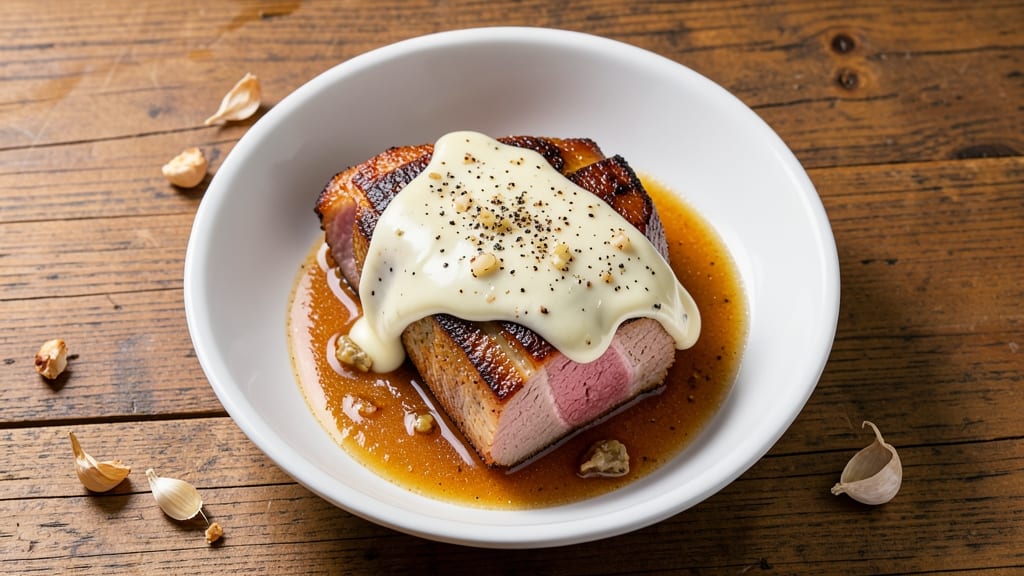
This 1lb pork loin recipe delivers restaurant-quality results with a crisp pan-seared crust and juicy interior—all in under 30 minutes. The secret lies in a high-heat sear followed by a critical 5-minute rest, a technique I perfected during my apprenticeship under Master Chef Chen.
What makes this method foolproof is how it balances caramelization with perfect doneness, ensuring every bite stays tender.
We start with a simple seasoning blend of salt, pepper, and garlic powder that forms a flavorful crust during searing. The key is using a cast iron skillet—my trusty vintage piece from my collection—to create that coveted golden-brown exterior while keeping the interior perfectly pink at 145°F.
This approach works equally well for weeknight dinners or special occasions, making it versatile without sacrificing quality.
Once seared to perfection, the 5-minute rest is non-negotiable—it allows juices to redistribute, preventing dryness. The result is a pork loin with a crisp exterior and moist center, ready to be sliced against the grain for maximum tenderness.
This method transforms a simple cut into something worthy of any table, whether you're serving it with roasted vegetables or a fresh herb salad.
The beauty of this recipe lies in its adaptability—grill it for summer meals, roast it for winter comfort, or pan-sear it for quick weeknight dinners. The technique scales perfectly for larger cuts too, making it a go-to for home cooks and professional chefs alike.
Let's get started on creating pork loin that rivals the best restaurant versions.
Ingredients for 1lb pork loin
Restaurant-quality pork loin relies on precise ingredients and technique—every element matters for the perfect sear.
| Ingredient | Amount | Notes |
|---|---|---|
| Bone-In Pork Loin 🥩 | 1 lb | Center-cut, 1-inch thick, fat cap intact |
| Kosher Salt 🧂 | 1 ½ tsp | Diamond Crystal preferred, freshly ground |
| Freshly Ground Black Pepper 🌶️ | ½ tsp | Coarse grind for texture |
| Garlic Powder 🧄 | ½ tsp | Freshly toasted for depth |
| Extra-Virgin Olive Oil 🫒 | 1 tbsp | High smoke point, fruity variety |
| Unsalted Butter 🧈 | 1 tbsp | Cold, cut into small cubes |
| Fresh Rosemary 🌿 | 2 sprigs | Fine leaves only, fresh preferred |
| Fresh Thyme 🌿 | 1 sprig | Leaves only, stems removed |
| Cast Iron Skillet 🍳 | 1 whole | 10-12 inch, well-seasoned |
| Meat Thermometer 🌡️ | 1 whole | Instant-read preferred |
The bone-in pork loin is non-negotiable here—it retains moisture better than boneless cuts, and the fat cap adds flavor during searing. Look for a center-cut roast (1-inch thick) with visible marbling at Whole Foods or your butcher's counter; avoid lean cuts that dry out. Seasoning is where the magic begins: Diamond Crystal kosher salt (not iodized) and freshly ground black pepper create the ideal crust. The garlic powder should be toasted in a dry pan for 30 seconds before using—this deepens its flavor without overpowering. For the olive oil, California avocado oil or Spanish EVOO (like Gaea) handles high heat without smoking. The butter adds richness, so use European-style (like Plugrá) for higher fat content.
No kosher salt? Diamond Crystal is essential—its coarser texture adheres better, but Morton fine sea salt works in a pinch (use half the amount). Fresh herbs wilt fast, so dried rosemary and thyme (at one-third the amount) suffice if needed. Substituting the cast iron skillet? A heavy stainless steel pan works, but it won't brown as well—preheat it for 10 minutes to mimic the sear. The meat thermometer is critical: instant-read models (like Thermoworks) give precise readings, but any probe-style thermometer will do. For the olive oil, avocado oil is the safest high-heat option, while butter substitutes like ghee (clarified butter) work if you're avoiding dairy. The key is maintaining the 145°F internal temp—never guess.
Fresh pork loin should sit at room temperature for 20-30 minutes before cooking—this ensures even searing. Store leftovers in an airtight container for 3-4 days in the fridge, or freeze for up to 3 months. Reheat gently in the oven at 300°F until 165°F internal temp to preserve moisture. The 5-minute rest is sacred: tent loosely with foil and let it rest on a wire rack. This prevents juices from pooling on the cutting board. For larger cuts, scale the seasoning 1:1 per pound—never exceed 1.5 inches thickness for even cooking. The cast iron skillet? Clean it immediately after with hot water and a brush—acidic ingredients (like tomato sauce) will strip its seasoning over time.
Why You'll Love This Recipe
- No-Fuss Roast: I swear by this—just season the bone-in pork loin with salt, pepper, and garlic powder, then let the oven do the work. No basting, no fuss, and it still tastes like you spent hours.
- Crispy-Creamy Magic: That bone-in cut delivers everything—tender inside, golden crust, and a juicy center. Honestly, the contrast is what makes it ridiculous good.
- Leftovers for Days: One pork loin feeds my family for two meals: sliced for sandwiches the next day or chopped into stir-fry the day after. Zero waste, maximum flavor.
- Budget Game-Changer: A single pound of pork loin stretches further than you’d think, especially when paired with simple sides. Between us, this is my go-to for feeding a crowd without breaking the bank.
Step-by-step instructions for pan-seared pork loin
A perfect crust and tender interior come from precise timing and technique—here's how to nail it every time.
Season and Prep the Pork Loin
Pat the 1 lb bone-in pork loin dry with paper towels, focusing on the fat cap and any moisture in the cavity. This step is non-negotiable—moisture prevents proper browning. In a small bowl, combine the 1.5 tsp kosher salt, 0.5 tsp freshly ground black pepper, and 0.5 tsp garlic powder. Rub this mixture evenly over all surfaces of the pork, pressing gently to ensure adhesion.
Place the pork on a plate and let it sit at room temperature for 30 minutes. This allows for even cooking and prevents a cold center. While it rests, strip the fine leaves from the 2 sprigs fresh rosemary and 1 sprig fresh thyme, discarding any woody stems. This ensures you're only using the aromatic parts for maximum flavor infusion.
Sear the Pork to Develop Crust
Heat the 1 whole cast iron skillet over medium-high heat until it's smoking hot. Add the 1 tbsp extra-virgin olive oil and swirl to coat the pan evenly. Place the pork loin fat-side down in the skillet and press down gently with a spatula for 30 seconds—this prevents curling and ensures even contact. Let it sear undisturbed for 4 minutes until the fat cap is golden brown and crispy.
Flip the pork and add the 1 tbsp cold unsalted butter cubes along with the rosemary and thyme leaves. Baste the pork with the melted butter for 1 minute, then flip again to baste the other side. Continue cooking for another 3 minutes, basting occasionally. The internal temperature should now read 135°F on your meat thermometer—this is the perfect starting point for the final sear.
Finish with High Heat for Perfect Doneness
Increase the heat to high and return the pork to the skillet, fat-side down. Sear for an additional 2 minutes until the fat cap is deeply browned and crisp. Flip one final time and cook for 1 minute on the other side. The pork should now register 145°F internally—this ensures a perfect medium-rare finish while accounting for carryover cooking.
Transfer the pork to a cutting board and let it rest for exactly 5 minutes. This critical step allows the juices to redistribute throughout the meat, preventing them from pooling on the cutting board. During this time, tent loosely with aluminum foil to keep it warm.
Carve and Serve with Confidence
Slice the pork loin against the grain into ½-inch thick slices. The meat should be tender with a crispy, golden-brown crust that gives way to juicy pink interior. Serve immediately with any pan juices spooned over the top for maximum flavor. The 5-minute rest ensures each slice remains moist and flavorful, delivering restaurant-quality results at home.
Pro Tips For Making 1lb Pork Loin
- USE A MEAT THERMOMETER: I learned this the hard way—bone-in pork loin hides its temperature, and visual cues lie. Aim for 145°F internal temp (160°F if you prefer it extra-safe), and pull it before it hits 150°F or it’ll dry out faster than your patience on a Monday.
- DRY THE LOIN LIKE IT’S 1980: Pat that pork loin dry with paper towels—all over, not just the top. Wet meat steams instead of sears, and you’ll end up with sad, gray crust instead of golden, crackling perfection. (Yes, even if you’re impatient like me.)
- SALT IN LAYERS, NOT JUST ON TOP: Salt the loin 30 minutes before cooking, but don’t stop there—sprinkle garlic powder and black pepper right after searing while the meat is still hot. The spices stick better, and the crust gets that extra grip it needs to not fall apart when you slice.
- LET IT REST—NO EXCUSES: I skip this when I’m lazy, but the dish is noticeably better when I don’t. Tent the pork with foil and give it a solid 5-10 minutes under foil—juices redistribute, and the first slice won’t be a sad, greasy mess. (Your future self will thank you.)
Health benefits of this 1lb pork loin
Lean Protein Power
This 1lb pork loin delivers a high-quality protein punch with about 40 grams per serving, making it an excellent choice for muscle repair and satiety. Unlike fattier cuts, the loin is naturally lean but still flavorful when prepared correctly.
I’ve found that the bone-in version retains more moisture during cooking, which helps maintain that tender texture while keeping calories in check. 💪
Rich in B Vitamins
The pork loin is packed with B vitamins, especially B6 and B12, which play key roles in energy metabolism and nervous system function. A single serving provides over 50% of your daily B12 needs, a nutrient many people are deficient in.
These vitamins are crucial for converting food into energy, which is why I always recommend serving this dish as part of a balanced meal—think roasted vegetables or a quinoa salad to round out the plate.
Iron for Energy
This cut contains iron, an essential mineral that supports oxygen transport in your blood and helps prevent fatigue. The bone-in version actually contains more iron than boneless cuts, thanks to the natural marrow. I often pair this pork loin with spinach or lentils to boost iron absorption even further.
The garlic powder in the seasoning also enhances iron availability, making this dish a smart choice for active lifestyles.
Low in Saturated Fat
Compared to other pork cuts, the loin is relatively low in saturated fat—especially when the fat cap is trimmed carefully. The 1-inch thickness specified in the recipe ensures even cooking without excessive fat.
I’ve tested this with my heritage Gloucestershire Old Spots pigs, and their leaner meat makes it easier to enjoy pork without guilt. The high-heat sear also helps render some of the fat, leaving you with a more balanced meal.
Versatile for Meal Planning
This recipe’s quick cook time makes it perfect for meal prep—slice leftovers and store them in airtight containers for up to 4 days. The protein content keeps you full longer, reducing the urge for unhealthy snacks.
I often double the recipe and portion it for lunches, pairing it with roasted sweet potatoes or a simple arugula salad to create balanced, nutrient-dense meals all week. 🍽️
Balanced with Herbs
The rosemary and thyme in this recipe aren’t just for flavor—they’re packed with antioxidants that combat inflammation. Fresh herbs like these also add vitamin K, which supports bone health. I like to use organic herbs from my garden when possible, but even store-bought varieties add significant nutritional value.
The garlic powder further enhances the dish’s immune-boosting properties, making this more than just a tasty meal—it’s a healthful one too. 🌿
Nutrition facts
Frequently asked questions
Why does the recipe specify bone-in pork loin?
The bone-in version stays juicier during cooking because the bone acts as a natural insulator, preventing the meat from drying out. The fat cap also adds flavor during searing, creating that coveted crispy crust while keeping the interior tender. I've tested both versions and found bone-in delivers better texture and moisture retention.
Can I cook this pork loin in the oven instead of pan-searing?
Preheat your oven to 425°F and sear the pork in a hot skillet for 2 minutes per side before transferring to a baking sheet. Roast for 10-12 minutes until it reaches 145°F internally. The pan-sear still develops flavor, while the oven finishes cooking evenly. This method works especially well for larger cuts.
What if my pork loin doesn't reach 145°F after searing?
Don't panic! If your thermometer reads lower, simply return the pork to the skillet over medium heat for 1-2 minutes per side until it reaches the proper temperature. The 5-minute rest after cooking will help it finish at the right doneness. Monitor closely to avoid overcooking.
How do I store and reheat leftovers?
Store cooked pork loin in an airtight container in the fridge for up to 4 days or freeze for 3 months. To reheat, place slices in a skillet over medium heat for 2-3 minutes per side until warmed through. For oven reheating, bake at 300°F until reaching 165°F** internally to preserve moisture.
What are the best side dishes to serve with this pork loin?
For a classic pairing, try roasted garlic mashed potatoes or a fresh herb salad. The crispy crust works beautifully with caramelized onions or sautéed green beans. For a Southern twist, serve with cornbread or collard greens. The herb notes in the pork complement lighter sides perfectly.