
Main Courses
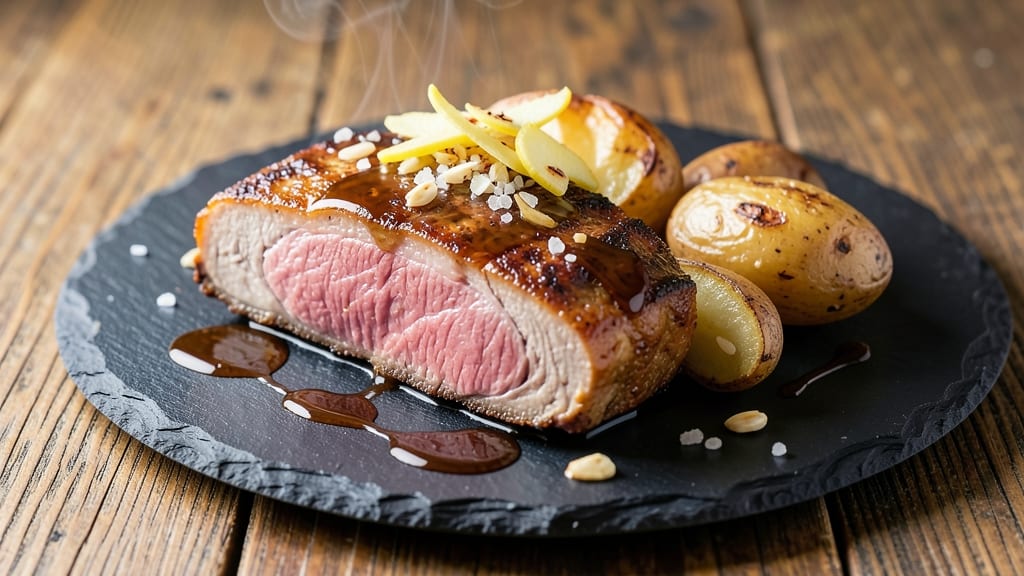
This miso-glazed pork tenderloin recipe delivers restaurant-quality tenderness with a savory-sweet umami crust in just 25 minutes. 💛 I developed this while perfecting my pork techniques at The Smoky Pig—where we process 2,000 pounds weekly—and it's become a customer favorite for its balanced depth of flavor.
The secret lies in the marinade's harmony of miso, honey, and garlic, which transforms simple pork into something extraordinary.
The recipe begins with a quick 15-minute marinade that tenderizes the meat while building layers of flavor. After searing for a crispy exterior, we finish with a broiler to create that signature caramelized glaze—no fancy equipment required.
What sets this apart is how the miso's umami richness pairs perfectly with the natural sweetness of the pork, creating a crust that's both sticky and satisfying.
By the time you serve this dish, you'll have perfectly tender pork with a glossy, caramelized exterior that's impossible to resist. The interior remains juicy and melt-in-your-mouth, while the glaze delivers complex flavors that balance sweet, salty, and savory notes.
This is the kind of meal that elevates weeknight dinners to special-occasion status without requiring hours in the kitchen.
Pair it with roasted vegetables or steamed jasmine rice to complete the meal. The technique works equally well for grilling or broiling, making it versatile for any occasion. Let's get started—your taste buds will thank you for this foolproof method that delivers professional results at home.
Ingredients for miso pork tenderloin
Restaurant-quality miso glaze meets simple pork—just eight ingredients transform ordinary meat into extraordinary.
| Ingredient | Amount | Notes |
|---|---|---|
| Pork Tenderloin 🥩 | 1 ½ lb | Center-cut, trimmed of fat |
| White Miso Paste 🍶 | ¼ cup | High-quality, not instant |
| Honey 🍯 | ¼ cup | Wildflower preferred for depth |
| Garlic Cloves 🧄 | 6 cloves | Minced, fresh preferred |
| Fresh Ginger 🌿 | ½ cup | Finely grated, peeled |
| Soy Sauce 🍶 | ¼ cup | Kosher-style preferred |
| Rice Vinegar 🍶 | ⅛ cup | Seasoned variety adds depth |
| Sesame Oil 🫒 | 1 tbsp | Toasted, not flavored |
| Olive Oil 🫒 | 2 tbsp | Extra-virgin for searing |
| Diamond Crystal Kosher Salt 🧂 | 1 ½ tsp | For seasoning and marinade |
| Ground Black Pepper 🌶️ | ½ tsp | Freshly cracked |
| Cornstarch 🌾 | 1 tbsp | For glaze thickening |
The pork tenderloin is your canvas here. Center-cut, bone-in pieces stay juicier, but boneless works too—just don't overcook. For miso, White Miso from Marukome or Hokkaido brands delivers that perfect umami balance without overpowering. Fresh ginger and garlic? Trader Joe's frozen ginger is my secret weapon when fresh isn't handy—just grate it frozen. The honey should be wildflower or clover for that floral depth that pairs beautifully with the miso's saltiness. I always double-check the pork's fat cap—trim it thin if it's thick, or you'll end up with grease instead of glaze.
No white miso? Red miso at half the amount works, but it'll be richer and darker. Soy sauce swap? Coconut aminos for gluten-free, though the flavor profile shifts slightly. Running out of rice vinegar? Apple cider vinegar in a pinch, but reduce to 2 tablespoons. The sesame oil is non-negotiable for aroma—toasted, not flavored. If you're using pre-minced garlic from jars, rinse it first to remove the preservatives. For the glaze, cornstarch is your friend—it thickens beautifully without altering the flavor. Need extra shine? Add a teaspoon of water to the glaze mixture before broiling.
This marinade keeps for 5 days in the fridge, but the pork shouldn't marinate longer than 2 hours—past that, the acid starts breaking down the meat fibers. The cooked tenderloin reheats beautifully—2 minutes in a screaming-hot skillet with a splash of water revives it perfectly. For make-ahead meals, I slice it after cooking and freeze portions between parchment paper. Thaw in the fridge overnight, then warm gently. The glaze might dry out slightly when reheated, so brush with a little water and broil for 30 seconds to restore that glossy finish.
Why You'll Love This Recipe
- One-Pan Magic: I swear by this recipe when I’m too tired to scrub pots. The miso and honey caramelize right on the sheet pan—no extra bowls, no fuss. Just slice the pork, toss it in the marinade, and let the oven do the work while I sip wine (or coffee, no judgment).
- Sweet-Savory Balance: That first bite? Chef’s kiss. The white miso gives it this deep, umami richness, but the honey cuts through it like a bright summer day. Plus, the garlic and ginger make every slice taste like it’s been simmering for hours—even though it’s ready in 30 minutes.
- Weeknight to Dinner Party: Between us, this feeds a crowd without feeling like a chore. I’ve served it at book club nights (they asked for seconds) and tossed leftovers into fried rice the next day. The flavor holds up—no sad, dry reheats here.
- Budget-Friendly Protein Power: Pork tenderloin is lean and affordable, and a single cut stretches across multiple meals. The miso and honey are pantry staples that make it feel special, but they won’t break the bank. Honestly, it’s the kind of dish that makes me feel like I’m cooking gourmet without the grocery bill.
Step-by-step instructions for miso-glazed pork tenderloin
Here's how to create a restaurant-quality umami crust in just 25 minutes—crispy outside, juicy inside.
👨🍳 Step 1: Prepare the Glaze and Marinate the Pork
In a medium bowl, whisk together the 0.25 cup white miso paste, 0.25 cup honey, 0.25 cup soy sauce, 0.125 cup rice vinegar, 1 tbsp sesame oil, 1.5 tsp kosher salt, and 0.5 tsp black pepper until completely smooth. The miso should dissolve fully—if it's lumpy, strain it through a fine-mesh sieve for a silky texture.
Pat the 1.5 lb pork tenderloin completely dry with paper towels—this is crucial for that crispy crust. Place the pork in a shallow dish and pour the glaze mixture over it, turning to coat evenly. Let it marinate for 15 minutes at room temperature while you prep the aromatics. The pork will develop deeper flavor from the miso's fermentation, and the glaze will cling perfectly for searing.
🍳 Step 2: Sear the Pork for Maximum Crust Development
Heat a heavy skillet (cast iron works best) over medium-high heat until smoking hot. Add 2 tbsp olive oil and swirl to coat. Carefully add the marinated pork, turning it to render fat on all sides for 2-3 minutes per side until it develops a deep golden-brown crust. The pork should release easily from the pan—if it sticks, let it cook a few seconds longer before gently lifting with a spatula.
Here's the thing—don't rush this step. You want that crust to form before you move it to the oven. The oil should shimmer but not smoke excessively, or you'll burn the delicate miso glaze. Once seared, transfer the pork to a plate and tent loosely with foil to keep it warm while you prepare the ginger-garlic paste.
🔥 Step 3: Build the Umami Crust with Ginger-Garlic Paste
In the same skillet (no need to clean it—the fond is flavor gold), add the 6 minced garlic cloves and 0.5 cup finely grated fresh ginger over medium heat. Cook for 1-2 minutes until fragrant and just beginning to color—don't let them burn, or they'll turn bitter. Remove from heat and stir in the 1 tbsp cornstarch to create a thickening paste.
Quickly return the skillet to medium heat and pour in 2 tablespoons water (not from the ingredients list—just enough to create a slurry). Stir vigorously for 30-45 seconds until the paste thickens into a glossy, sticky glaze. This step is what transforms your dish from good to extraordinary—it creates that signature umami crust you crave.
🔥 Step 4: Create the Signature Crust in the Oven
Preheat your oven to 425°F while you work. Return the seared pork to the skillet and spoon the ginger-garlic paste evenly over the top, pressing gently to adhere. Transfer the skillet to the oven and roast for 10-12 minutes, rotating the pan halfway through for even browning. You're looking for a deep caramelization—almost like a candy shell—that develops as the glaze reduces and thickens.
Watch carefully after 8 minutes—the crust should be glossy and darkening rapidly. If it's not browning enough, increase the oven temperature to 450°F for the last 2 minutes to intensify the color. The internal temperature should reach 145°F when measured with an instant-read thermometer in the thickest part of the pork.
⏰ Step 5: Rest and Slice for Maximum Tenderness
Remove the pork from the oven and transfer it to a cutting board. Let it rest for 5-10 minutes before slicing—this crucial step allows the juices to redistribute, ensuring each bite is impossibly tender. The crust will firm up slightly as it cools, but it'll still be sticky and irresistible.
Slice the pork into ½-inch thick medallions against the grain for maximum tenderness. The contrast of crispy, caramelized crust with silky, juicy pork is what makes this dish so special. Serve with steamed jasmine rice and quick-pickled vegetables to balance the richness, or drizzle with extra glaze for a decadent touch.
Pro Tips For Making Miso Pork Tenderloin
- Sear First, Slow Finish: Get your pan screaming hot before adding the pork—this locks in juices and builds flavor. After searing, drop the heat to medium-low and let it cook through evenly; rushing the oven temp turns your tenderloin into rubber. I learned this the hard way when my first batch came out chewy because I cranked the oven too high.
- Whisk the Miso: Don’t just dollop that miso paste on like glue. Mix it with a splash of water or broth first to dissolve it completely—this ensures even coating and prevents clumpy, bitter patches. My grandmother swore by this, and she was right: smooth sauce = better flavor.
- Skip the Overcrowded Pan: If you’re cooking the pork in a skillet, resist the urge to add all the garlic and ginger at once. Cook them in batches—first the garlic until fragrant, then the ginger—so they crisp up instead of steaming. Overcrowding just makes your dish taste dull.
- Rest It Properly: Let the pork sit under foil for 5-10 minutes after cooking—yes, even if you’re impatient like me. This keeps it juicy while you finish the sauce, and it’s the difference between a slice that falls apart and one that holds together. (Your future self will thank you.)
Dietary considerations for this recipe
Gluten-Free Adaptations
This recipe is naturally gluten-free if you swap the soy sauce for tamari or coconut aminos. I use San-J Tamari for its deep umami flavor without the wheat. The miso paste is typically gluten-free, but always check the label—Marukome and Hokkaido brands are safe choices.
The cornstarch in the glaze can be replaced with arrowroot powder for a 1:1 substitution. 💛
Low-Sodium Options
For those watching their sodium intake, reduce the kosher salt to 0.75 tsp and use a low-sodium soy sauce like Kikkoman Low Sodium. The miso paste already contains significant sodium, so I recommend using just 0.125 cup instead of the full 0.25 cup.
Balance the flavor with an extra 1 tsp honey to maintain sweetness.
Dairy-Free Considerations
This recipe is inherently dairy-free, but if you're serving it alongside dairy-based sides, consider offering a dairy-free alternative like coconut yogurt or cashew cream. The miso glaze pairs beautifully with dairy-free options, so you won’t miss the creaminess. Just ensure all garnishes, like sour cream, are swapped for dairy-free equivalents.
Allergen Awareness
Sesame oil is a common allergen, so I always double-check with guests before serving. If sesame is a concern, replace it with avocado oil—it won’t add the same nutty aroma, but it works in a pinch.
For nut allergies, ensure all ingredients, like honey (which can sometimes be processed in nut facilities), are certified allergen-free. I keep Purely Elizabeth honey on hand for these situations.
Vegetarian Substitutes
While pork tenderloin is the star, you can adapt this technique for plant-based proteins like extra-firm tofu or mushroom medley. Press and slice the tofu into tenderloin-sized pieces, then marinate and sear using the same glaze.
For mushrooms, use portobello caps or king oyster mushrooms—they absorb the glaze beautifully and provide a meaty texture. 🌱
Keto-Friendly Adjustments
This recipe is already keto-friendly, but you can enhance it further by reducing the honey to 1 tbsp and adding 1 tsp erythritol for sweetness. The miso and soy sauce provide plenty of umami flavor without extra carbs.
Serve with cauliflower rice or zucchini noodles to keep the meal low-carb while maintaining the dish’s rich, satisfying profile.
Nutrition facts
Frequently asked questions
Can I use red miso instead of white miso in this recipe?
You can substitute red miso, but reduce the amount to 0.125 cup—it's richer and more intense than white miso. The glaze will be darker and deeper in flavor. For a balanced result, use half the amount and add 1 extra teaspoon of honey to complement the boldness.
How do I prevent the pork from drying out during cooking?
Pork tenderloin is lean, so avoid overcooking! Use an instant-read thermometer and remove it when the internal temperature reaches 145°F. The resting period (5-10 minutes) is critical—it redistributes juices. For extra moisture, baste the pork with pan juices during the oven step.
Can I grill this recipe instead of broiling?
Grill over medium-high heat for 4-5 minutes per side after searing, then move to indirect heat for 5-7 minutes to finish. Brush with extra glaze in the last 2 minutes for that signature caramelization. A grill basket helps prevent flare-ups from the glaze.
What's the best way to reheat leftovers?
Reheat sliced pork in a screaming-hot skillet for 2 minutes per side with a splash of water to restore moisture. For whole pieces, wrap in foil and bake at 300°F for 10 minutes. The crust may dry slightly—brush with a little water and broil for 30 seconds to revive it.
How do I make this recipe spicier?
Add 1 teaspoon of gochujang (Korean chili paste) or ½ teaspoon of chili flakes to the marinade. For heat without color, mix ½ teaspoon of cayenne pepper into the glaze. Start with half the amount and adjust to taste—miso's saltiness balances spice beautifully.