
What changed, and what it changed for you
When this site began, it was just a way to share the recipes my grandpa taught me.
The instructions were rough, the photos were borrowed, and the focus was on ‘this is how we’ve always done it.’ No one tested the recipes beyond my own kitchen, and no one asked why a dish worked—or why it didn’t. The result?
A site that felt familiar but didn’t always deliver.
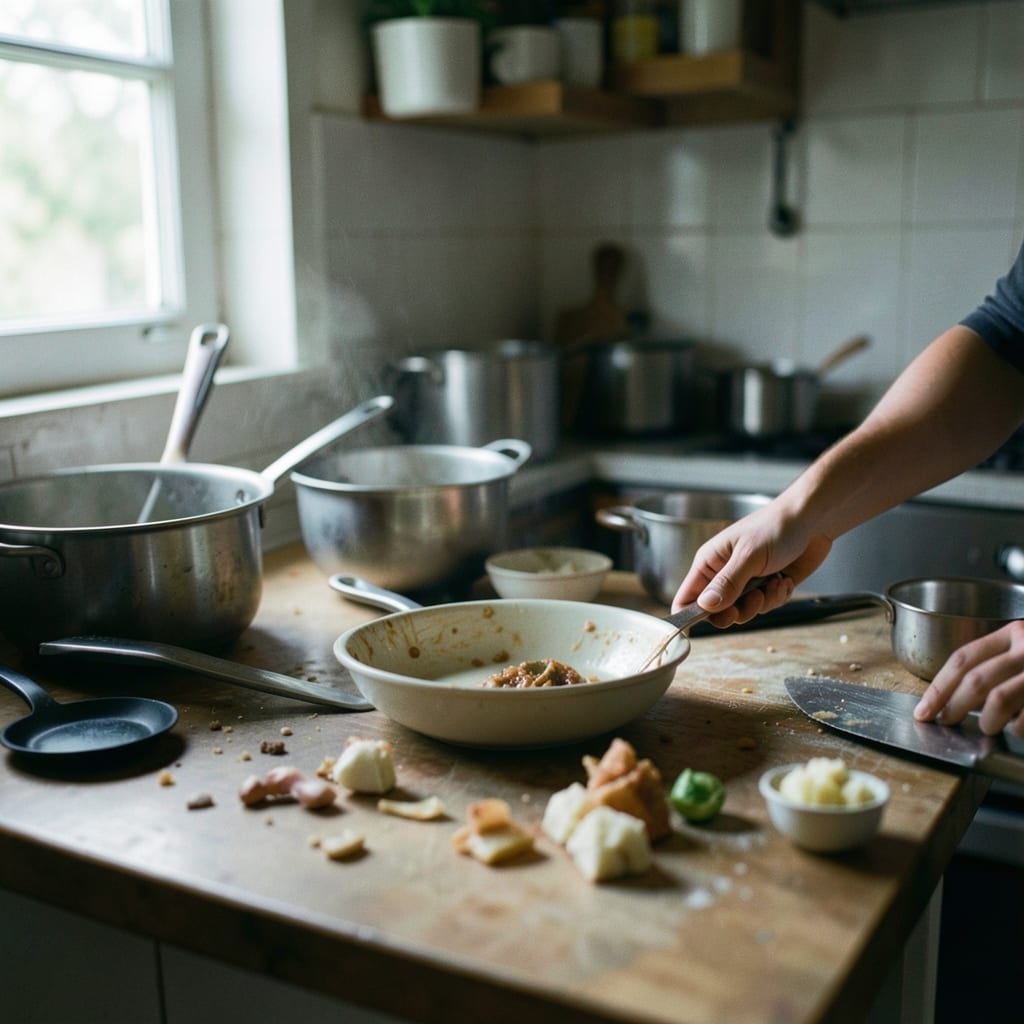
Now, every recipe is tested in at least two kitchens—mine and a volunteer’s—before it’s published. The photos aren’t just pretty; they show the real steps, the real mess, and the real results. And the writing?
It’s not just ‘here’s what to do,’ but ‘here’s why this works, and here’s how to fix it if it doesn’t.’
| It used to be | Now it is |
|---|---|
| Recipes written from memory, no testing. | Every recipe tested twice, with adjustments for real conditions. |
| Photos from stock libraries, no kitchen context. | Photos shot in the same kitchen where the recipes are tested. |
| No explanation for techniques—just ‘do this.’ | Step-by-step breakdowns of *why* each technique matters. |
| A list of favorites, no structure. | Recipes organized by flavor profiles, cooking methods, and skill level. |
The one that took years
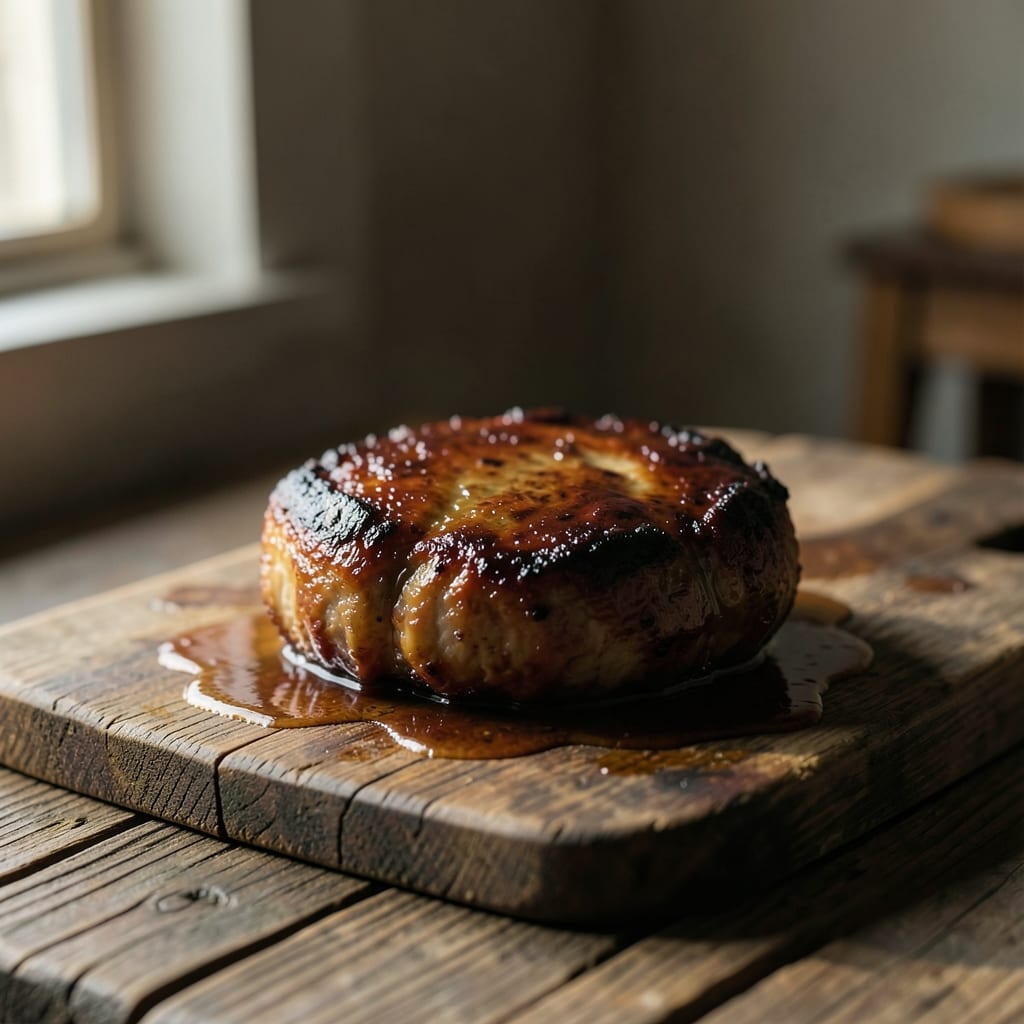
The biggest mistake was trusting stock photos. For years, I used images that looked nothing like the real dish—because they didn’t *have* to match. A perfect sear in a photo didn’t mean the recipe would deliver one in your pan.
I told myself it didn’t matter, that the instructions were what counted. Then readers started messaging: ‘This doesn’t look like the picture.’
The problem was deeper than lazy editing. I’d shoot the photos last, after the recipe was ‘done,’ so the lighting, angles, and even the props were inconsistent. Worse, I’d crop out the real work—the charred edges, the uneven sear, the moments where the dish *almost* failed.
It made the site feel dishonest, even if I didn’t mean it to be.
Fixing it cost time and money. I bought a used DSLR, learned to light for food, and spent months reshooting every recipe. Now, the photos aren’t just documentation—they’re part of the recipe. But it’s not cheap: lighting gear, extra film, and the hours spent editing each shot add up.
And some days, the food still doesn’t look as good as I hoped. That’s the point.
Meet the author
I grew up in a house where pork was king—smoked on Sundays, fried on holidays, and always served with a side of ‘this is how it’s done.’ My grandpa’s pulled pork was legendary, but his instructions were vague: ‘Low and slow, till it falls apart.’ I took that to mean ‘for hours,’ and spent my teens burning meat because I couldn’t guess the right time.
The first time I ruined a batch of ribs, I swore I’d never cook again.
For years, I wrote recipes the way I learned them: from memory, with no room for doubt. If a dish worked for me, it would work for everyone. I’d copy techniques from old cookbooks without questioning why they worked—or why they might not. The worst part?
I never asked for help. I thought ‘good enough’ was the goal, not ‘perfectly tested.’
What changed is that I started listening to the people who couldn’t make the recipes work.
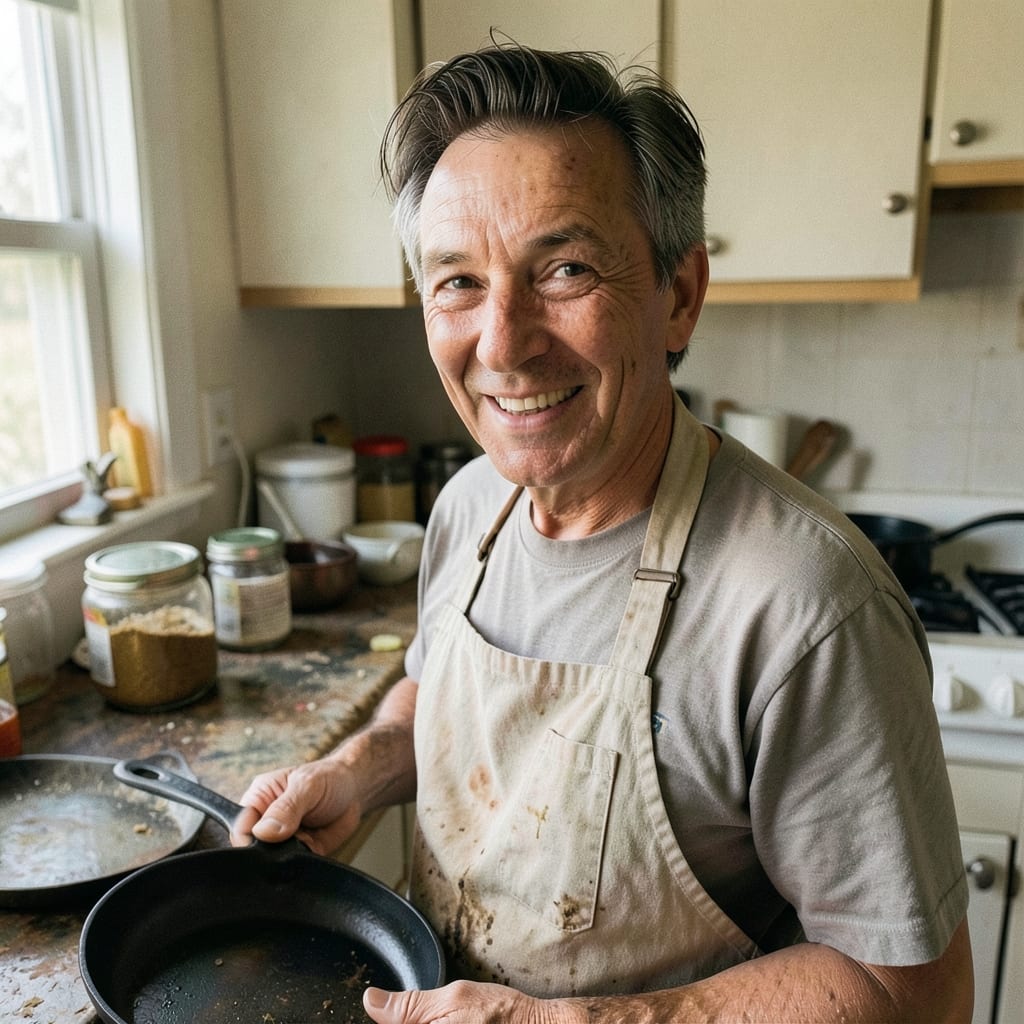
Now, I run this site to share recipes that *actually* work—tested, tweaked, and shot in the same kitchen where they’re written. My name is Stanley Iverson, and I’m here to prove that great pork dishes don’t need to be complicated. They just need to be honest.
What did not change
The core belief—that good pork cooking is about technique, not shortcuts—hasn’t wavered. Even now, I’d rather spend an extra hour smoking a brisket than cut corners. And the focus on traditional methods? That’s still the foundation.
Some recipes are modern twists, but they all start with the same question: *How would my grandpa do this?*
The other constant is the kitchen itself. No fancy gadgets, no over-the-top tools. Just a good smoker, a sharp knife, and the willingness to let the meat do the work. That’s how the best flavors come out—and that’s how this site will always work.
What is still being fixed
Right now, the biggest project is building a database of reader-tested adjustments. Every recipe gets feedback—‘too fatty,’ ‘not smoky enough,’ ‘needs more time’—and we’re turning those notes into a searchable guide. It’s slow work, but it’ll make the site even more useful for real cooks.
If you’ve got a recipe that didn’t work—or one that did—let me know. The contact page is the best place to share your thoughts.
Things that would help
- A recipe that failed for you—and what went wrong.
- A dish you’ve perfected that isn’t here yet.
- A technique you’ve mastered that others struggle with.
The recipes are grouped by category: Appetizers, Beverages, Breakfast & Brunch, Desserts, Main Courses and Reviews.