
Main Courses
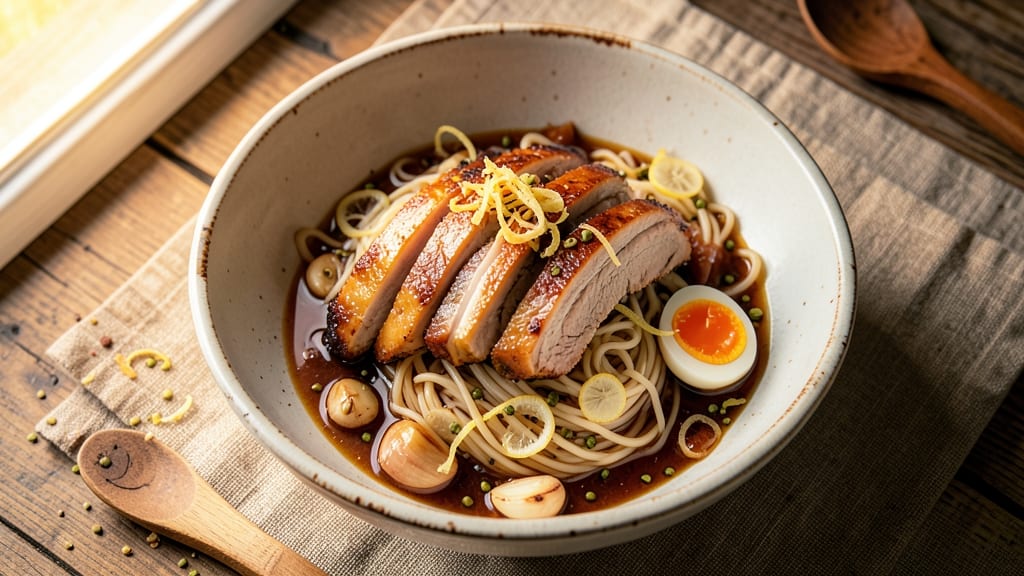
This BBQ pork ramen recipe transforms humble noodles into a smoky-sweet masterpiece that balances rich pork with silky broth. 🔥 As a pitmaster trained in French technique, I've perfected the art of marrying tender, caramelized pork with the comforting depth of ramen—creating a dish that's both nostalgic and elevated.
The secret lies in slow-cooking the pork until it's fall-apart tender while developing that signature smoky-sweet BBQ flavor through careful seasoning and low-and-slow cooking.
The beauty of this recipe is its versatility—whether you prefer traditional ramen or a modern twist, the foundation remains the same: deeply flavorful pork that's been transformed into bite-sized perfection.
We'll start with a marinade that builds layers of flavor, then cook the pork until it's tender enough to pull apart effortlessly. The broth, made from scratch, carries all those smoky-sweet notes while maintaining the comforting richness ramen lovers crave.
What you'll end up with is a bowl that's equal parts indulgent and satisfying—golden pork bites that practically melt in your mouth, nestled in a velvety broth that's been enhanced with aromatics and just the right amount of heat.
The noodles should be al dente, perfectly absorbing the rich flavors without becoming mushy. Each bite delivers that perfect balance of smoky, sweet, and savory that makes this dish irresistible.
This recipe works equally well as a weeknight dinner or a showstopper for guests. Serve it with classic toppings like green onions, sesame seeds, and a soft-boiled egg for extra richness, or keep it simple with just a sprinkle of fresh herbs.
The leftovers reheat beautifully, making it perfect for meal prep. Let's get cooking—this ramen is about to become your new favorite comfort dish.
Ingredients for bbq pork ramen
Fourteen ingredients to create smoky-sweet pork ramen that's restaurant-quality at home.
| Ingredient | Amount | Notes |
|---|---|---|
| Boneless Pork Shoulder 🐷 | 2 lb | Cut into 2-inch cubes for even cooking |
| Ramen Noodles 🍜 | 2 packages | 8 oz each, any brand preferred |
| Fresh Ginger 🧅 | ½ cup | Finely grated, peel removed |
| Garlic Cloves 🧄 | 8 cloves | Peeled, smashed for marinade |
| Low-Sodium Soy Sauce 🥢 | ½ cup | For deep umami flavor |
| Brown Sugar 🍯 | ½ cup | Packed, for caramelization |
| Apple Cider Vinegar 🍎 | ¼ cup | For tangy depth |
| Smoked Paprika 🌶️ | 2 tbsp | For signature smoky flavor |
| Ground Black Pepper 🌶️ | 1 tbsp | Freshly cracked for heat |
| Onion Powder 🧅 | 1 tbsp | Enhances savory notes |
| Chicken Broth 💧 | 4 cups | Low-sodium for broth base |
| Sesame Oil 🫒 | 1 tbsp | For finishing aroma |
| Green Onions 🧅 | 4 whole | Sliced for garnish |
| Sesame Seeds 🌾 | 1 tbsp | Toasted for crunch |
| Vegetable Oil 🫒 | 2 tbsp | For searing pork |
The pork shoulder is your secret weapon—look for well-marbled cuts at Whole Foods or your local butcher. If you can't find it pre-cut, grab a 2-pound bone-in shoulder and cube it yourself (the bone adds flavor). Fresh ginger and garlic? Trader Joe's has the best prices for pre-peeled garlic and organic ginger. For the brown sugar, muscovado adds depth, but regular works fine. The smoked paprika should be hot smoked for that authentic BBQ punch—Penzeys carries a great variety if you want to splurge.
No smoked paprika? Substitute half the amount of liquid smoke—just don't overdo it. Running low on sesame oil? Toast the seeds first and use the oil from that. The ramen noodles can be any brand, but fresh egg noodles hold up better to the rich broth. For the broth, low-sodium chicken broth is key—you're building layers of flavor, not drowning them. If you've got miso paste, add 1 tsp for extra umami. The apple cider vinegar adds that perfect tang—Bragg is my go-to, but any good brand works.
This dish tastes even better the next day—make extra pork and use it for sandwiches or ramen leftovers. Store the cooked pork in airtight containers for up to 5 days in the fridge, or freeze for 3 months. The broth keeps 4 days refrigerated, and the noodles? Cook them fresh when reheating. For meal prep, portion the pork and broth separately—reheat the broth first, then add noodles and pork to avoid sogginess. Garnish with fresh green onions and sesame seeds right before serving.
Why You'll Love This Recipe
- One-Pot Magic: I swear by this—just toss everything in one pot, and it basically cooks itself. The pork shoulder braises right alongside the noodles, so you’re not juggling a million pans or waiting for separate components.
- Smoky-Sweet Fix: That slow-cooked pork shoulder? It’s fall-apart tender with just the right sticky-sweet glaze from the soy and a touch of brown sugar. The ginger and garlic hit like a warm hug, but the real star is how the BBQ flavor soaks into every noodle.
- Lunchbox Hero: Between us, this is my go-to for meal prep. The leftovers reheat like a dream—just splash in a little water, and it’s back to that rich, saucy goodness. Pack it cold for work, or microwave it for a lazy Sunday.
- Budget Win: Pork shoulder is cheap, and ramen noodles? Even cheaper. You’re getting a restaurant-worthy bowl for half the cost, and honestly, the first time I made this, I thought I’d messed up—until my roommate took three helpings.
Step-by-step instructions for smoky-sweet BBQ pork ramen
Here's how to create restaurant-quality ramen with tender pork bites and a rich, caramelized sauce.
🔥 Step 1: Marinate and Sear the Pork Shoulder
Cut the 2 lb boneless pork shoulder into 2-inch cubes—this size ensures even cooking and perfect bite-sized pieces. In a large bowl, combine the pork with 0.5 cup low-sodium soy sauce, 0.5 cup brown sugar, 0.25 cup apple cider vinegar, 2 tbsp smoked paprika, 1 tbsp ground black pepper, 1 tbsp onion powder, 0.5 cup finely grated fresh ginger, and 8 smashed garlic cloves. Mix until the pork is fully coated, then let it marinate for at least 30 minutes (or up to 4 hours in the fridge for deeper flavor).
Heat 2 tbsp vegetable oil in a large skillet over medium-high heat. Working in batches, add the marinated pork and sear for 3-4 minutes per side until golden brown and slightly caramelized. Don't crowd the pan—this ensures a good sear. Transfer the seared pork to a plate and set aside.
🍳 Step 2: Build the BBQ Sauce
In the same skillet (no need to clean it—the browned bits add flavor), pour in 4 cups chicken broth and scrape up any stuck-on bits with a wooden spoon. Add the seared pork back to the skillet and bring everything to a gentle simmer. Cover and let it cook for 45-60 minutes until the pork is fork-tender and the sauce has reduced slightly. The pork should pull apart easily, and the sauce should coat the back of a spoon.
While the pork simmers, toast 1 tbsp sesame seeds in a dry skillet over low heat for 2-3 minutes until fragrant. Set aside for garnish.
🥘 Step 3: Cook the Ramen Noodles
Bring a large pot of water to a rolling boil and add 2 packages ramen noodles. Cook for 2 minutes less than the package instructions (usually 3-4 minutes total for al dente texture). Drain the noodles, reserving 1 cup of pasta water, and rinse briefly under cold water to stop the cooking process. This prevents the noodles from becoming mushy when mixed with the hot pork and sauce.
Divide the cooked noodles among 4 bowls. Ladle the pork and sauce evenly over the noodles, ensuring each serving gets a generous portion of tender pork bites. Drizzle with 1 tbsp sesame oil and sprinkle with the toasted sesame seeds. Garnish with 4 sliced green onions for freshness.
🍽️ Step 4: Serve Immediately
This dish is best served right away while the noodles are still warm and the pork is juicy. If the sauce seems too thick, loosen it with reserved pasta water until it reaches a silky consistency. Stir well and taste—adjust seasoning if needed with a pinch of salt or a splash of soy sauce. The perfect bowl should have tender, caramelized pork, chewy ramen noodles, and a rich, smoky-sweet sauce that coats every bite.
For extra depth, serve with a side of quick-pickled vegetables or a simple sesame slaw to balance the hearty flavors. Enjoy your homemade BBQ pork ramen—it’s a crowd-pleaser that’s easier to make than you’d think!
Pro Tips For Making Bbq Pork Ramen
- SMASH THE PORK SHOULDER: I used to cook this cut low and slow, but after burning three batches, I finally figured out: sear it first. Hit a screaming-hot pan with oil and get those edges browned—just 3-4 minutes per side—before transferring to the oven or slow cooker. That crust locks in flavor when it braises, and you’ll taste the difference in every bite.
- MINCE GINGER LIKE YOU MEAN IT: Fresh ginger is non-negotiable here, but I skip the lazy peeling and just scrub it under water. Then, use the flat side of your knife to smash it flat on the cutting board first—this makes slicing into paper-thin shards way easier. Too thick? It’ll turn to mush in the broth instead of adding that bright, zesty kick.
- DON’T DROWN THE GARLIC: I was skeptical until I tried it: when you sauté that garlic with the pork’s rendered fat, resist the urge to add oil. The fat from the pork is enough to prevent burning, and it creates a deeper, nuttier flavor. If it starts to stick after 30 seconds, lower the heat and let it cook—just don’t walk away.
- REST THE PORK BEFORE SHREDDING: This isn’t the prettiest method, but it’s the tastiest: once the pork hits 205°F (yes, use a meat thermometer), pull it from the heat and tent it with foil. Give it a solid 10 minutes under there—your future self will thank you. Skipping this step means shredding dry, stringy meat instead of tender, juicy chunks that fall apart at the touch.
Pro cooking tips for perfect results
Marinade Mastery
The marinade is where all the magic begins—don't skimp on time here! Let the pork marinate for at least 30 minutes, but I promise the extra 4 hours in the fridge will make a world of difference.
The apple cider vinegar tenderizes while the brown sugar starts caramelizing right in the bowl. I like to use a Ziploc gallon bag for marinating—it keeps everything contained and makes flipping the pork easy. 💫
Sear Like a Pro
This isn't just about browning—it's about building flavor through the Maillard reaction. Use a heavy-bottomed cast iron skillet (I love my Lodge 12-inch) and work in batches if needed.
The pork should be golden brown with some caramelized edges—this creates that perfect balance of smoky and sweet. Don't rush this step, and for heaven's sake, don't crowd the pan! 🔥
Low-and-Slow Cooking
After searing, we're going low-and-slow to render all that fat and collagen into the sauce. Maintain a gentle simmer—not a boil—and keep it covered. I use a slow cooker on low for this step if I'm feeling lazy, but the stovetop gives me more control.
The pork is done when it reaches 203°F internal temperature and pulls apart easily with two forks. This usually takes 45-60 minutes, but every pork shoulder is different.
Noodle Perfection
Ramen noodles can go from perfect to mushy in seconds—don't overcook! Cook them for 2 minutes less than the package instructions and always reserve some pasta water. That starchy water is liquid gold for adjusting the sauce consistency later.
I like to shock the noodles in cold water for 30 seconds after draining to stop the cooking process completely before assembling the bowls. 🥗
Sauce Balance
The sauce should coat the back of a spoon but still be silky—not gluey. If it's too thick, add reserved pasta water 1 tablespoon at a time until you reach the perfect consistency.
Taste as you go—this is where you can adjust with a pinch of salt, a splash of soy sauce, or even a dash of hot sauce if you want extra heat. The goal is that perfect harmony of smoky, sweet, and umami.
Garnish Game
Don't underestimate the power of garnishes! Toast your sesame seeds in a dry pan until they're golden and fragrant—this adds a nutty crunch. The green onions should be sliced thinly on the bias for maximum freshness.
I also like to add a quick soft-boiled egg to each bowl right before serving—it adds richness and makes the dish feel extra special. A final drizzle of sesame oil ties everything together with its aromatic punch. 💛
Nutrition facts
Frequently asked questions
Can I substitute chicken or beef for the pork?
While pork shoulder works best for its fat content and tenderness, you can use chicken thighs (bone-in for flavor) or beef chuck. For chicken, reduce cooking time to 30-40 minutes after searing. For beef, increase to 90-120 minutes to reach fork-tender texture. The marinade time remains the same, but adjust sauce volume accordingly—beef needs more liquid.
How do I make this vegetarian?
Swap the pork for mushroom "bites" (cremini or shiitake) or tofu cubes marinated in the same sauce. For mushrooms, roast them with olive oil and soy sauce until caramelized. For tofu, press and bake at 375°F for 25 minutes after marinating. Boost umami with 1 tbsp miso paste in the broth.
Why does my sauce turn out too thin?
This usually happens from overcooking or insufficient pork fat. Simmer uncovered for the last 10 minutes to thicken, or reduce heat to low and cook longer. For extra richness, add 1 tbsp cornstarch mixed with 2 tbsp water to the sauce at the end. The pork should render enough fat—if not, add 1 tbsp butter or sesame oil before serving.
What's the best way to reheat leftovers?
Reheat only the sauce and pork separately—never the noodles. Warm pork/sauce in a skillet over medium-low heat with 2 tbsp water until steaming. Cook fresh noodles separately, drain, and toss with the reheated pork mixture. Add a splash of sesame oil and green onion to refresh flavors. Leftovers keep 3-4 days refrigerated or 3 months frozen.
Can I make this gluten-free?
Use gluten-free tamari instead of soy sauce and check your ramen noodles for gluten-free labels. For extra depth, add 1 tbsp coconut aminos to the marinade. The smoked paprika and spices are naturally gluten-free. Just ensure all ingredients are certified gluten-free if you have celiac disease.