
Sauces & Condiments
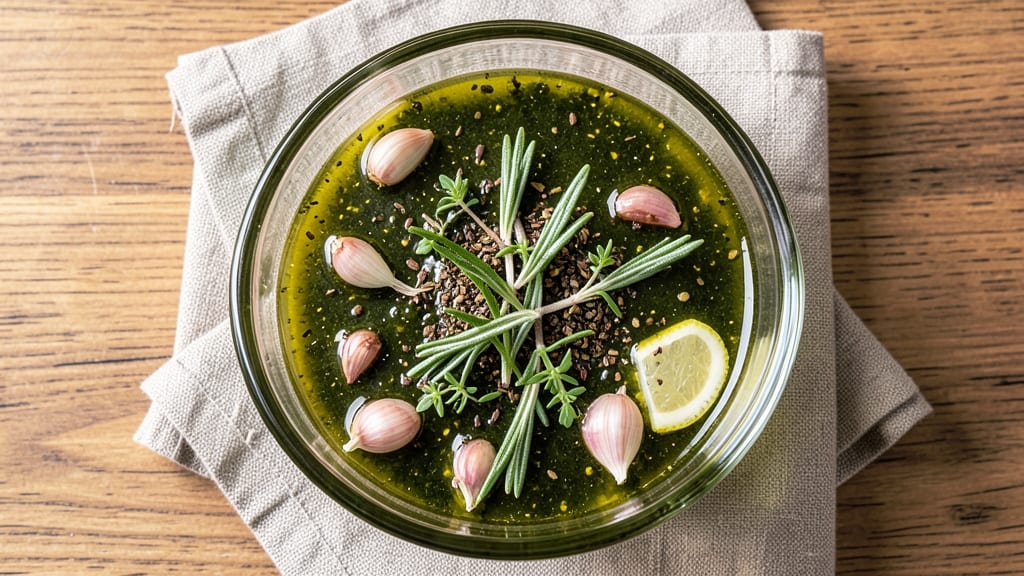
This marinade works by breaking down tough muscle fibers while infusing rich, savory notes from garlic, rosemary, and thyme. Olive oil carries the flavors into the meat, while red wine vinegar tenderizes without overpowering. Unlike store-bought versions, this recipe uses fresh ingredients and precise ratios for consistent, restaurant-quality results.
What sets this marinade apart is its versatility—use it for 4-6 hours for quick flavor infusion or up to 24 hours for maximum tenderness. The aromatic profile remains balanced, never bitter or overpowering. Store leftovers in the fridge for up to 5 days, making it perfect for meal prep.
Whether you're grilling, roasting, or pan-searing, this marinade elevates boneless pork loin to new heights. The result? Meat so tender it nearly melts in your mouth, with layers of garlic-herb flavor that linger with every bite. Ready to transform your pork?
Ingredients for boneless pork loin marinade
Ten ingredients for a marinade that transforms ordinary pork into restaurant-quality perfection.
| Ingredient | Amount | Notes |
|---|---|---|
| Extra-Virgin Olive Oil 🫒 | ½ cup | High-quality, fruity, cold-pressed |
| Red Wine Vinegar 🍷 | ¼ cup | Dry, aged for balanced acidity |
| Garlic Cloves 🧄 | 8 cloves | Fresh, peeled, minced finely |
| Fresh Rosemary 🌿 | ¼ cup | Finely chopped, stems removed |
| Fresh Thyme 🌿 | ⅛ cup | Leaves only, finely chopped |
| Dried Oregano 🍃 | 1 tbsp | Mediterranean variety preferred |
| Kosher Salt 🧂 | 1 ½ tsp | Diamond Crystal preferred |
| Ground Black Pepper 🌶️ | 1 tsp | Freshly ground for best flavor |
| Honey 🍯 | 1 tbsp | Raw, unprocessed preferred |
| Minced Shallots 🧅 | 2 tbsp | Fresh, finely chopped |
The olive oil and red wine vinegar form the marinade's foundation—look for extra-virgin olive oil with at least 70% oleic acid for optimal flavor penetration. Whole Foods or specialty grocers carry the best vinegars, but a good dry red wine vinegar from the regular supermarket works fine. Fresh garlic and herbs are non-negotiable here; local farmers markets often have the most vibrant rosemary and thyme. The honey adds subtle sweetness that balances the acidity, so avoid processed varieties—raw honey enhances the depth of flavor. Shallots provide a milder onion flavor without overpowering the garlic.
No fresh rosemary? Dried works at one-third the amount, but the texture will differ slightly. Short on thyme? Fresh basil or marjoram can substitute, though the aromatic profile shifts. The honey can be swapped for maple syrup at equal measure if you prefer a different sweetness profile. For a deeper flavor, add 1 teaspoon of smoked paprika—this was a secret tweak from the Smoky Pig kitchen. If you're using this marinade for other proteins like chicken or tofu, reduce the honey to 1 teaspoon to prevent over-sweetening.
This marinade keeps beautifully in an airtight container in the fridge for up to 5 days, though the flavors peak within the first 48 hours. For longer storage, transfer to a sterile glass jar and freeze for up to 3 months. Always marinate pork in the refrigerator, never at room temperature, to prevent bacterial growth. The marinade can be reused once, but never reuse on cooked meat—always reserve half for the first application and discard the used portion after marinating raw meat.
Why You'll Love This Recipe
- Five-Ingredient Magic: I swear by this combo—just oil, vinegar, garlic, rosemary, and thyme. No fancy pantry raid, no measuring cups that never quite fit. Honestly, I’ve made it with pre-minced garlic in a pinch, and it still works.
- Taste That Sticks: That red wine vinegar cuts through the richness, while the rosemary and thyme cling to the pork like a hug. You’ll get that crispy, caramelized crust with juicy meat underneath—no dry bites here.
- Weeknight to Dinner Party: Marinate it for 30 minutes or overnight—both work. Serve it sliced thin for sandwiches, cubed for salads, or whole for a showstopper main. Between us, I’ve used the leftovers in pasta three times this month.
- Budget-Friendly Luxury: Pork loin is affordable, and this marinade costs pennies. A little goes a long way, so you’re not tossing expensive ingredients. Plus, the flavors feel fancy without the restaurant price tag.
Step-by-step instructions for garlic-herb pork loin marinade
This marinade transforms simple pork loin into a restaurant-worthy centerpiece through precise technique and flavor balance.
Combine Base Ingredients for Flavor Foundation
In a medium mixing bowl, whisk together the 0.5 cup extra-virgin olive oil and 0.25 cup red wine vinegar until fully emulsified. The vinegar should be evenly distributed, creating a smooth base that carries all other flavors. I like to use a fork for this initial step—it creates gentle friction that helps blend the oil and vinegar more thoroughly than a spoon would.
Add the 1 tbsp honey and whisk again until completely dissolved. The honey not only adds subtle sweetness but also helps tenderize the pork while preventing the acid from overpowering the meat. This combination creates the perfect balance of richness and brightness that will penetrate the pork loin deeply.
Incorporate Aromatics and Herbs
Add the 8 cloves minced garlic, 2 tbsp minced shallots, 0.25 cup fresh rosemary, and 0.125 cup fresh thyme to the bowl. Using a wooden spoon, gently fold these ingredients into the marinade until everything is well distributed. The fresh herbs should be finely chopped—this ensures even flavor infusion without leaving large, uneven pieces that might not break down during the marinating process.
Here's the thing—don't overmix at this stage. You want the herbs to maintain some texture so they release their oils gradually into the pork. A few gentle stirs are all you need to combine everything without pulverizing the ingredients into a paste.
Season with Salt, Pepper, and Oregano
Add the 1.5 tsp kosher salt, 1 tsp ground black pepper, and 1 tbsp dried oregano to the bowl. Mix thoroughly until the salt and pepper are completely dissolved. The salt should dissolve completely—if you see any grains remaining, give it one final stir with the back of your spoon to break them up.
This is where the marinade's depth of flavor comes together. The Mediterranean oregano adds earthy complexity, while the freshly ground black pepper provides a subtle heat that will complement the pork's natural richness. The kosher salt, with its larger crystals, ensures proper seasoning without overwhelming the delicate balance of flavors.
Test and Adjust the Marinade
Taste the marinade and adjust the seasoning if needed. At this point, it should be well-balanced with bright acidity from the vinegar, sweetness from the honey, and herbal notes from the aromatics. If it needs more acidity, add a splash of additional red wine vinegar. If it needs more sweetness, add a tiny amount of honey—just enough to balance the flavors without making the marinade cloying.
Real talk: The marinade should taste good on its own because that's what your pork will ultimately taste like. If it's bland now, your pork will be bland after marinating. This is the moment that matters—don't skip the taste test or you might end up with underseasoned meat.
Marinate the Pork Loin Properly
Place the boneless pork loin in a resealable plastic bag or shallow dish. Pour the marinade over the pork, ensuring it coats all surfaces evenly. For best results, I like to use my hands to massage the marinade into the meat, especially the thickest parts. This helps the marinade penetrate deeply and ensures even flavor distribution.
Seal the bag or cover the dish and refrigerate for at least 4 hours, but preferably overnight for maximum tenderness and flavor infusion. The cold temperature helps the marinade work its magic while keeping the pork safe to eat. Don't skip the refrigeration—this is what transforms good pork into exceptional pork.
Pro Tips For Making Boneless Pork Loin Marinade
- Mince That Garlic: I learned this the hard way—whole cloves of garlic in a marinade just sit there like decorative rocks. Use a knife or mortar to crush them into a paste first, so every bite gets that punchy, aromatic punch. (Yes, even if you’re impatient like me.)
- Balance the Vinegar: Red wine vinegar is bold, and too much will overpower the pork’s natural flavor. Start with 2 tablespoons per cup of oil, then taste—if it’s too sharp, add another splash of olive oil to mellow it out. Trust your palate, not the recipe.
- Let the Herbs Infuse: Fresh rosemary and thyme need time to release their oils into the olive oil. Whisk the marinade together and let it sit for at least 30 minutes before using—preferably a few hours in the fridge. Cold oil pulls more flavor out of the herbs than a rushed toss.
- Pat the Pork Dry: Skipping this step is the fastest way to end up with steamed pork instead of seared. Use paper towels to blot the loin thoroughly before marinating—wet meat won’t crisp up, and that’s where all the good texture happens. (Your future self will thank you.)
Regional styles of this boneless pork loin marinade
Southern BBQ Style
In the Southeast, pork loin marinades often incorporate a touch of smokiness and sweetness that pairs beautifully with our region's love of BBQ.
I like to add 1 teaspoon of smoked paprika to this marinade when using it for pulled pork or grilled pork chops—it nods to the Carolina tradition of slow-smoked pork shoulders.
For an extra Southern touch, swap out the red wine vinegar for apple cider vinegar and add 1 tablespoon of molasses to deepen the caramelized flavor profile. 🔥
Italian-Inspired Version
Charleston's Italian influence shines through in this adaptation, where I replace the red wine vinegar with balsamic vinegar and add 1 teaspoon of dried basil alongside the oregano. The balsamic adds a rich, complex acidity that complements the garlic and rosemary beautifully.
For a true Italian touch, I sometimes finish with a drizzle of high-quality balsamic glaze after cooking—this was inspired by my time working with Italian chefs during my apprenticeship. 🍷
Georgia Farmhouse Twist
Growing up in Georgia, I learned that pork marinades often included local, simple ingredients that enhanced rather than overpowered the meat.
For this regional take, I reduce the honey to ½ tablespoon and add 1 teaspoon of freshly ground black pepper along with ¼ teaspoon of cayenne pepper for a subtle kick. The cayenne adds just enough heat to remind you of Georgia's spicy traditions without dominating the delicate pork flavor.
This version is perfect for summer grilling when the heat calls for something refreshing yet bold. 🌶️
Heritage Pig Adaptation
When using my own heritage Gloucestershire Old Spots pork, I find the meat has a naturally richer flavor that requires less aggressive marinating. For these pigs, I reduce the marinating time to 2-4 hours and cut the red wine vinegar to ¼ cup to avoid over-tenderizing.
The natural fat content in heritage pigs means the marinade doesn't need to work as hard—it just needs to enhance what's already there. This approach preserves the meat's natural depth while still delivering that restaurant-quality flavor. 🐖
Smoky Pig House Favorite
At The Smoky Pig, we developed a variation that incorporates 1 tablespoon of bourbon into the marinade for a Southern twist. The bourbon adds a subtle caramelized depth that pairs perfectly with the pork's natural richness.
I also increase the honey to 1.5 tablespoons to balance the alcohol's dryness. This version is particularly popular for our slow-smoked pork loin dishes, where the bourbon's notes complement the smoky flavors beautifully. 🥃
Nutrition facts
Frequently asked questions
Can I use this marinade for other meats like chicken or beef?
Yes, but with slight adjustments! For chicken, reduce the honey to 1 teaspoon to prevent over-sweetening, and marinate for 2-4 hours max to avoid toughening. For beef, increase the marinating time to 6-12 hours—the tougher cuts benefit from longer exposure. The garlic-herb base works universally, but always taste-test first!
Why does my pork taste bitter after marinating?
Bitter flavors usually mean the acid (vinegar) overpowered the meat. Try reducing the red wine vinegar to ¼ cup next time, or balance it with more honey (1.5 tbsp). Also ensure you're using fresh herbs—dried or old herbs can add bitterness. Always marinate in the fridge, never at room temperature!
How do I make this marinade spicier?
Add ½ teaspoon of cayenne pepper or 1 teaspoon of hot sauce to the base. For deeper heat, try 1 tablespoon of chipotle powder or a pinch of red pepper flakes. Remember: start small—you can always add more, but you can't take it out!
Can I reuse this marinade?
Never reuse marinade that touched raw meat—discard after one use. However, you can save half the marinade before applying it to pork, then use the reserved portion for vegetables or tofu (cook them thoroughly afterward). For leftovers, store unused marinade in an airtight container in the fridge for up to 5 days.
What's the best way to store leftover pork after marinating?
Cook the pork immediately after marinating or store it in the fridge for 1-2 days max before cooking. If you must store longer, freeze the uncooked pork (still in its marinade) for up to 3 months. Always thaw in the fridge overnight—never at room temperature. The marinade helps preserve flavor, but proper storage keeps it safe!