
Main Courses
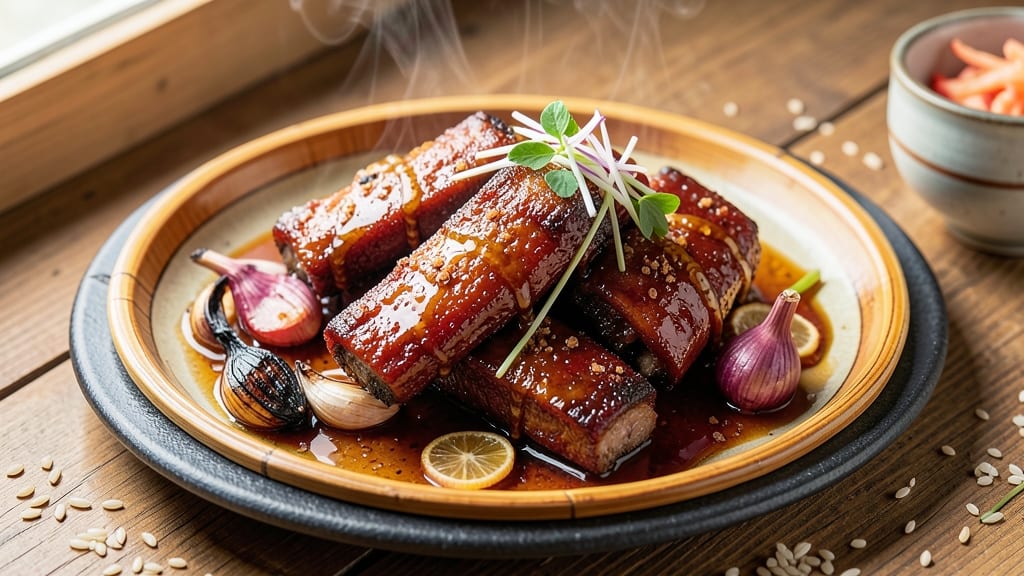
This Chinese honey pork ribs recipe brings restaurant-quality sticky-sweet perfection to your home kitchen—where tender meat meets a caramelized glaze that cracks into irresistible crunch. 🔥 As someone who's spent years perfecting pork techniques, I can tell you the secret lies in balancing braising for tenderness with high-heat charring for depth.
The honey glaze isn't just sweet—it develops complex caramelized notes that transform ordinary ribs into something unforgettable.
The process begins with a marinade that tenderizes the meat while building flavor, followed by braising to melt collagen into juicy perfection. What makes this recipe truly special is the final glazing stage—where we reduce the honey mixture until it reaches that perfect balance of stickiness and crackly texture.
This isn't your average sweet-and-sour dish; it's a harmonious blend of smoky, sweet, and umami flavors that'll have everyone reaching for seconds.
By the time your ribs emerge from the oven, you'll have perfectly tender meat with a glossy, caramelized crust that shatters with every bite. The aroma alone will have your kitchen smelling like a bustling Cantonese restaurant, while the flavor profile delivers that perfect balance of sweetness and savory depth.
This is the kind of dish that transforms ordinary weeknights into special occasions—without requiring any special skills beyond patience and attention to detail.
Serve these ribs alongside steamed jasmine rice and quick-pickled cucumbers to complete the meal, or enjoy them as a standalone centerpiece that'll impress even the most discerning guests. The technique is straightforward, but the results are anything but ordinary—this is how you make restaurant-quality Chinese honey pork ribs at home.
Ingredients for chinese honey pork ribs
Four pounds of tender pork ribs meet a sticky-sweet glaze that caramelizes to perfection—this is restaurant-quality Chinese honey pork at home.
| Ingredient | Amount | Notes |
|---|---|---|
| Pork Ribs (Baby Back) 🍖 | 4 lb | Bone-in, cut into 2-inch pieces |
| Honey 🍯 | 1 cup | Pure, high-quality for caramelization |
| Soy Sauce 🥄 | ½ cup | Light or dark, for umami depth |
| Brown Sugar 🍚 | ½ cup | Packed, for caramelized texture |
| Garlic Cloves 🧄 | 6 cloves | Minced, for aromatic foundation |
| Fresh Ginger 🌿 | 2 tbsp | Finely grated, for zesty kick |
| Sesame Oil 🫒 | 1 tbsp | Toasted, for nutty aroma |
| Rice Vinegar 🍶 | 2 tbsp | For brightness and balance |
| Five-Spice Powder 🌶️ | 1 tsp | For aromatic complexity |
| Ground Black Pepper 🌶️ | ½ tsp | Freshly cracked for heat |
| Cornstarch 🌾 | 1 tbsp | For glaze thickening |
| Green Onions 🧅 | 4 whole | Sliced, for garnish |
| Sesame Seeds 🌰 | 1 tbsp | Toasted, for crunchy finish |
The ribs are the star, so look for bone-in baby back cuts—they hold up best to braising and deliver that irresistible texture. Costco or your local butcher shop are great sources; if buying frozen, thaw overnight in the fridge. The honey should be pure and high-quality—avoid the cheap grocery store brands that won't caramelize properly. For the soy sauce, Kikkoman light soy is my go-to, but dark soy adds a deeper color if you're aiming for that classic Cantonese look. The ginger and garlic? Fresh is non-negotiable here—dried spices just won't cut it for the aromatic foundation.
No sesame oil? Toasted peanut oil works in a pinch, though it'll have a different flavor profile. Short on brown sugar? Coconut sugar is a 1:1 swap—it caramelizes beautifully too. The five-spice powder is where the magic happens—if you can't find it, mix cinnamon, cloves, fennel, star anise, and pepper at a 2:1:1:1:1 ratio. For the glaze, cornstarch is key to that perfect crackly texture—don't skip it. And if you're feeling fancy, add a splash of Shaoxing wine to the marinade for extra depth, but it's not required.
Once glazed, these ribs reheat beautifully—just 10 minutes at 350°F with a splash of water in the pan. Store leftovers in the fridge for up to 5 days, covered tightly to preserve that glossy glaze. For freezing, wrap tightly in foil and they'll keep for 3 months. I always make a double batch because these disappear faster than you can say 'irresistible crunch'—trust me, you'll want seconds.
Why You'll Love This Recipe
- One-Pan Magic: I swear by this recipe because it’s that simple—just ribs, honey, soy, and a handful of garlic. No marinating overnight, no fancy tools, just toss, bake, and let the oven work its magic. That sticky glaze? It’s basically foolproof.
- Sweet-Savory Balance: The honey and brown sugar caramelize into something addictive, but the soy keeps it from being cloying. Here’s what sold me—the way the garlic cloves infuse the ribs with a warm, aromatic punch without overpowering. It’s sweet, it’s savory, and it’s exactly what I want after a long day.
- Weeknight & Leftovers: Between us, this is my go-to for game day, lazy Sundays, or when I need a meal that feeds my family and leaves me with leftovers. The ribs reheat beautifully—crispy edges soften just enough to make them feel fresh again. (Yes, even on a Tuesday night.)
- Budget-Friendly Feast: Baby back ribs aren’t cheap, but this recipe stretches them further than you’d think. A single rack serves four, and the glaze is so rich, I often halve it for a second batch. Plus, the ingredients? Most are pantry staples. Solid, reliable, and my secret weapon for impressing guests without breaking the bank.
Step-by-step instructions for Chinese honey pork ribs
Here's how to transform tender pork ribs into sticky-sweet, caramelized perfection with that signature Asian restaurant crunch.
🍳 Step 1: Sear the Ribs for Maximum Flavor
Pat the 4 lb Pork Ribs (Baby Back) completely dry with paper towels—this is crucial for that crispy bark. Heat a large oven-safe skillet over medium-high heat and add just enough oil to lightly coat the bottom (about 1 tablespoon). Arrange the ribs in a single layer, bone-side down, and sear for 5-6 minutes until deeply golden brown.
Flip the ribs and sear the other side for another 5-6 minutes. You're building flavor and texture here—the caramelized crust will be your foundation. I like to press down gently on the ribs during the first minute to prevent curling. Once both sides are beautifully browned, transfer the skillet to a 450°F oven.
👨🍳 Step 2: Build the Sticky-Sweet Glaze
While the ribs roast, combine 1 cup Honey, 0.5 cup Soy Sauce, 0.5 cup Brown Sugar, 6 cloves Garlic Cloves (minced), 2 tbsp Fresh Ginger (finely grated), 1 tbsp Sesame Oil, 2 tbsp Rice Vinegar, 1 tsp Five-Spice Powder, and 0.5 tsp Ground Black Pepper in a medium saucepan. Bring to a gentle simmer over medium heat and cook for 8-10 minutes, stirring occasionally, until the mixture thickens slightly and becomes syrupy.
Here's the thing—you want the glaze to coat the back of a spoon but still be pourable. If it thickens too quickly, add 1-2 tablespoons of water to maintain the right consistency. The aroma should be intoxicating—sweet, tangy, and deeply aromatic with those five-spice notes. Remove from heat and stir in 1 tbsp Cornstarch to prepare for that signature sticky finish.
🔥 Step 3: Roast and Glaze to Caramelized Perfection
Pour the glaze evenly over the seared ribs in the skillet. Return to the 450°F oven and roast for 25-30 minutes, basting the ribs with the glaze every 10 minutes using a basting brush. You're looking for ribs that are fork-tender (a knife should slide in easily) with a deep golden-brown caramelized crust—this is where all the magic happens.
Real talk: don't peek too often or the ribs will steam instead of caramelize. The glaze should reduce and thicken into a glossy, sticky coating. If it's not bubbling vigorously by the 20-minute mark, increase the oven temperature to 475°F to accelerate the caramelization process.
🥘 Step 4: Finish with Crunchy Garnishes
Once the ribs are tender and glazed to perfection, transfer them to a serving platter. Sprinkle with 4 whole Green Onions (sliced) and 1 tbsp Sesame Seeds, then broil for 1-2 minutes until the seeds toast and the onions wilt slightly. This final step adds that irresistible crunch and visual appeal that makes these ribs restaurant-worthy.
The ribs should be sticky, sweet, and perfectly balanced with umami from the soy sauce and warmth from the five-spice. Serve immediately with steamed jasmine rice and quick-pickled vegetables to cut through the richness. The sauce will keep thickening as it cools, so if it becomes too thick, simply reheat with a splash of water to restore the perfect consistency.
Pro Tips For Making Chinese Honey Pork Ribs
- Trim the Fat First: Baby back ribs have that stubborn fat layer that won’t render cleanly if you skip this. Use kitchen shears to snip it away—especially along the bone edges—before marinating. I learned this the hard way when my ribs turned greasy instead of glossy.
- Brown Sugar First, Honey Last: Caramelize that brown sugar before adding honey—this creates a sticky, flavor-packed base. After 3-4 minutes on high heat, splash in the honey and soy sauce together. The sugar’s depth of flavor gets locked in, and you won’t end up with a watery glaze.
- Don’t Crowd the Pan: If you’re braising or searing, give those ribs space. Overlapping them steams the meat instead of browning it, and you’ll end up with uneven cooking. Work in batches if needed—your patience here guarantees crispy edges later.
- Garlic Paste > Whole Cloves: Minced garlic burns faster than you think, especially when honey’s in the mix. Blend whole cloves into a paste with a splash of water first—it distributes evenly and adds a smoother, deeper flavor without scorching. (Yes, even if you’re impatient like me.)
Creative variations of these flavors
Cantonese-Style Braised Ribs
For a more traditional approach, braise the ribs in a clay pot with the honey glaze until they're fall-off-the-bone tender.
Start by searing 4 lb baby back ribs in a wok, then add 1 cup honey, ½ cup soy sauce, ½ cup brown sugar, and 6 cloves minced garlic. Cover and simmer on low heat for 2-3 hours, adding ½ cup water halfway through.
The result? Ribs with deep, smoky-sweet flavor and a glossy, sticky sauce. I like to finish with a sprinkle of toasted sesame seeds and green onions for that authentic touch. 🌶️
Spicy Sichuan Twist
Add some heat by incorporating 1 tbsp chili bean paste and 1 tsp Sichuan peppercorns into the glaze. Toast the peppercorns in a dry pan until fragrant, then grind them into a powder. Mix this into the honey-sugar glaze before brushing on the ribs.
The numbing, spicy kick from the Sichuan peppercorns pairs perfectly with the sweetness. Serve with a side of steamed bok choy to balance the heat. Honestly, this version is a crowd-pleaser at my restaurant—guests can't get enough of that tingly finish. 🔥
Smoked Honey Glaze
Take your ribs to the next level by smoking them before glazing. Use a pellet smoker set to 225°F and smoke the ribs for 2 hours with hickory or applewood pellets.
Once they're tender, brush on the honey glaze and finish in the oven at 450°F for 15 minutes. The smoky depth elevates the dish to new heights, creating a perfect balance of sweet, smoky, and umami flavors.
I often use this technique for special occasions—it's worth the extra effort. ⚡
Quick Air Fryer Version
For a faster weeknight option, use an air fryer to achieve similar results. Toss the ribs with the marinade, then air fry at 375°F for 15 minutes, flipping halfway. Brush with the honey glaze and air fry for another 8-10 minutes until caramelized.
This method cuts cooking time in half while still delivering that signature sticky-sweet flavor. It’s perfect for when you’re short on time but still want restaurant-quality results. 💡
Sweet and Tangy Plum Variation
Swap out half the honey for ½ cup plum sauce to add a fruity tang. The plum sauce introduces a bright, slightly sour note that cuts through the sweetness beautifully. This variation is inspired by my time in Charleston, where I experimented with local ingredients.
The ribs develop a glossy, deep-red glaze that’s as visually stunning as it is delicious. Pair it with steamed jasmine rice and a simple cucumber salad for a well-rounded meal. 🍑
Nutrition facts
Frequently asked questions
Can I use regular pork ribs instead of baby back ribs?
Yes, but with adjustments! For spare ribs, increase cooking time by 30-45 minutes since they have more connective tissue. The honey glaze will still work beautifully, but you may need to add 1-2 tablespoons of water during roasting to prevent drying. For best results, trim excess fat and cut into 2-inch pieces to ensure even cooking.
What if my honey glaze isn't caramelizing properly?
Check your oven temperature first—it needs to be at least 450°F for proper caramelization. If the glaze stays too runny, simmer it longer on the stovetop (up to 15 minutes) until it thickens to a syrup consistency. For extra depth, add 1 teaspoon of balsamic vinegar to the glaze before brushing on the ribs—it enhances the caramelization process.
How do I store and reheat leftovers?
Store ribs in an airtight container in the fridge for up to 5 days, or freeze for 3 months. To reheat, wrap ribs in foil and bake at 300°F for 15-20 minutes until warmed through. For extra crispiness, broil for 2-3 minutes at the end. The glaze may thicken when cold—just add 1 teaspoon of water and reheat to restore its sticky perfection.
Can I make this recipe in a slow cooker?
Sear the ribs first, then transfer to a slow cooker with the glaze and ½ cup water. Cook on low for 6-8 hours or high for 3-4 hours, stirring occasionally. The ribs will be fall-off-the-bone tender, but you may need to reduce the glaze on the stovetop afterward to achieve that signature caramelized texture. Finish with sesame seeds and green onions for that restaurant touch.
Why does my recipe taste more sweet than savory?
This usually happens when the soy sauce or five-spice powder is underused. Balance the sweetness by adding 1 extra tablespoon of soy sauce to the glaze or sprinkling ½ teaspoon of five-spice powder on top before serving. For extra umami depth, stir 1 teaspoon of fish sauce into the glaze during the final reduction. The key is maintaining that perfect harmony between sweet and savory!