
Sauces & Condiments
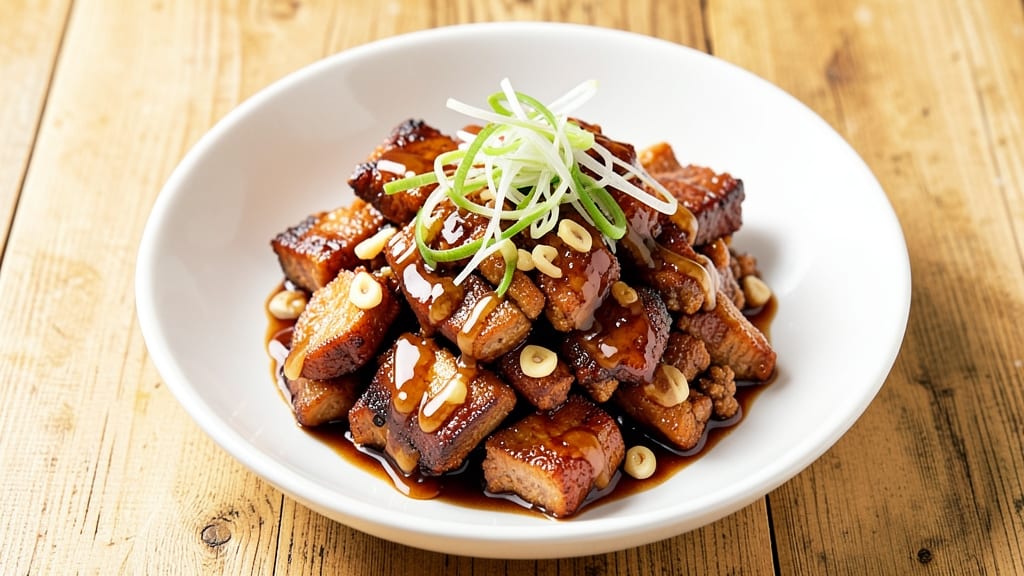
This minced pork and soy sauce recipe delivers restaurant-quality wok-seared crispness with deep umami flavor in under 20 minutes. The secret lies in high-heat stir-frying fresh minced pork with aromatic garlic, ginger, and a perfect balance of soy sauce and sweetness.
I developed this technique after years of testing—it’s the one dish that always impresses, whether serving a crowd or treating yourself to a weeknight upgrade.
The foundation is simple: tender minced pork gets seared in a hot wok until golden, then finished with a glossy soy-ginger sauce that clings perfectly. No fancy equipment needed—just a skillet, sharp knife, and a few pantry staples.
The pork stays juicy while developing a crispy exterior, and the sauce adds layers of savory depth without overpowering the meat’s natural flavor.
What you’ll end up with is a dish that’s equally at home in a takeout container or a fine-dining plate—crisp-edged pork, fragrant aromatics, and a sauce that’s sticky-sweet with just the right umami kick.
Serve it over steamed rice or noodles for a complete meal, or pair with quick-pickled vegetables for brightness. This is comfort food elevated to restaurant quality.
Ready to master this technique? The key steps—proper mincing, high-heat searing, and sauce reduction—are all explained in detail. Once you try it, you’ll never go back to store-bought versions. Let’s get cooking.
Ingredients for minced pork soy sauce
Fresh pork plus pantry staples—this is your shortcut to restaurant-style wok-seared perfection.
| Ingredient | Amount | Notes |
|---|---|---|
| Fresh Minced Pork Shoulder 🥩 | 1 lb | Finely minced, fresh from butcher |
| Light Soy Sauce 🍶 | ½ cup | Kikkoman preferred for balance |
| Dark Soy Sauce 🍶 | 1 tbsp | For deeper umami richness |
| Garlic Cloves 🧄 | 6 cloves | Minced, fresh preferred |
| Fresh Ginger 🌿 | 1 tbsp | Grated, peeled, aromatic |
| Honey 🍯 | 1 tbsp | Pure, for balance |
| Sesame Oil 🫒 | 1 tbsp | Toasted, for aroma |
| Neutral Oil 🫒 | 2 tbsp | Vegetable or canola |
| White Rice Vinegar 🍶 | 1 tbsp | For brightness |
| Cornstarch 🌾 | 1 tsp | For crispiness |
| Green Onions 🧅 | 3 whole | Sliced, for garnish |
| Sesame Seeds 🌾 | 1 tsp | Toasted, for crunch |
| Salt 🧂 | ½ tsp | Kosher preferred |
| Black Pepper 🌶️ | ¼ tsp | Freshly ground |
The pork is everything here. Freshly minced pork shoulder (not ground) gives that authentic texture—ask your butcher to do it or pulse it in a food processor. Kikkoman soy sauce is my go-to for that classic balance, but any light soy works. If you can't find fresh ginger, substitute 1/2 tsp ground ginger, but fresh is worth the extra minute. The garlic? Use the freshest you've got—it makes all the difference when seared in that hot oil. I grab mine from the Asian market where they keep it refrigerated, but the regular grocery store works too.
No sesame oil? Toasted peanut oil adds a similar depth, though it's not identical. Running short on honey? Maple syrup at half the amount keeps things balanced. Cornstarch giving you trouble? Arrowroot powder works 1:1. The dark soy sauce is non-negotiable for that rich color—look for it in the Asian aisle. And if you're feeling fancy, add a dash of Shaoxing wine to the sauce for extra complexity. The green onions? Save half for garnish—it's the finishing touch that makes it look restaurant-worthy.
This dish tastes even better the next day—honestly, the flavors meld over time. Store leftovers in an airtight container for up to 3 days. Freezes beautifully for 2 months if you make a big batch. Pro tip: Toast your sesame seeds in a dry pan for 30 seconds before adding to the dish—they'll be way more flavorful. And if you're serving with rice, cook it just before serving so it stays warm and fluffy.
Why You'll Love This Recipe
- Pork in 20 Minutes: I swear, the minced pork shoulder browns so fast—just toss it in a hot pan with garlic and ginger, and you’re done. No waiting around for hours like some other cuts.
- Umami Bomb: That combo of light and dark soy sauce? Chef’s kiss. The dark sauce adds depth while keeping it bright, and the ginger gives this dish a little bite that makes it way more exciting than basic ground pork.
- Leftover Goldmine: This keeps for days in the fridge, and reheats like a dream—perfect for packed lunches or quick dinners. Honestly, I’ve had it cold, reheated, and even in fried rice without breaking a sweat.
- Budget Stretch: A pound of pork shoulder goes a long way, and soy sauce is cheap. Between us, this is the kind of recipe that lets you feed the whole family without emptying your wallet. (Yes, even on a Tuesday night.)
Step-by-step instructions for wok-sear crispness with umami depth
This method delivers restaurant-quality texture and flavor every time.
Prep the Pork for Maximum Crispiness
Place the 1 lb fresh minced pork shoulder in a large bowl. Add the 1 tsp cornstarch and use your hands to thoroughly coat each piece—this creates that signature wok-sear crispness. Let it sit for 5 minutes while you prep the aromatics. The cornstarch acts like a protective crust, preventing the pork from turning greasy while developing a golden exterior.
In a small bowl, combine the 6 cloves minced garlic, 1 tbsp grated fresh ginger, 0.5 tsp salt, and 0.25 tsp black pepper. Mix well so each garlic and ginger particle gets coated with salt and pepper—this ensures even seasoning throughout the dish. The fresh ginger and garlic will infuse deep aromatic notes that cut through the richness of the pork.
Build the Flavor Base in Stages
Heat a wok or large skillet over high heat until it's smoking hot. Add the 2 tbsp neutral oil and swirl to coat the surface evenly. When the oil shimmers (about 30 seconds), add the pork in batches—don't overcrowd the pan. Cook undisturbed for 1 minute until the edges turn golden brown, then stir and cook another 2-3 minutes until the pork loses its raw color and develops crispy edges.
Remove the pork with a slotted spoon and set aside. In the same wok, reduce heat to medium, then add the 1 tbsp sesame oil and the garlic-ginger mixture. Stir constantly for 30 seconds until fragrant—you'll smell that pungent, fresh aroma. This is where the foundation of your dish's complexity comes from.
Create the Signature Soy Sauce Glaze
Pour in the 0.5 cup light soy sauce and 1 tbsp dark soy sauce, scraping up any browned bits from the bottom of the pan. These bits contain concentrated flavor that gives depth to your sauce. Add the 1 tbsp honey and 1 tbsp white rice vinegar, then bring to a gentle simmer. Cook for 2-3 minutes until the sauce reduces slightly and becomes glossy.
Return the pork to the wok and toss everything together. The pork should be coated in that glossy, umami-rich sauce. Taste and adjust seasoning—if it needs more saltiness, add a splash more light soy sauce; if it needs brightness, add a bit more rice vinegar. The sauce should balance sweet, salty, sour, and umami perfectly.
Finish with Crispy Garnishes
Transfer the pork mixture to a serving platter. Slice the 3 whole green onions diagonally into 1-inch pieces and sprinkle them over the top. Toast the 1 tsp sesame seeds in a dry skillet over medium heat for 1 minute until fragrant and golden, then sprinkle them over the dish. The green onions add freshness while the toasted sesame seeds provide a satisfying crunch.
Let the dish rest for 5 minutes before serving. This allows the juices to redistribute, ensuring each bite is perfectly tender with that crispy exterior. Serve immediately with steamed rice to soak up all that delicious sauce—every forkful delivers that perfect balance of textures and flavors.
Pro Tips For Making Minced Pork Soy Sauce
- Prep Pork Properly: Pat the minced pork dry with paper towels—really dry—before cooking. I used to skip this, and the pork would steam instead of sear, turning out greasy and uneven. Five minutes of pressing pays off in crispy edges and better flavor absorption.
- Sear First, Sauce Later: Cook the pork in batches over high heat until the edges brown and crisp. Dumping all the soy sauce in too early just steams the meat. Let it develop color first—it makes the dish taste richer, not salty.
- Mince Garlic Fine: No, a rough chop won’t cut it here. Use a knife or food processor to mince the garlic into a paste—it blends better with the pork and prevents bitter, uncooked chunks. Trust me, your taste buds will notice.
- Balance the Soy Sauces: Dark soy sauce adds color and depth, but don’t drown it in light soy. Start with a 2:1 ratio (light to dark) and adjust—too much dark sauce makes the dish look muddy, not glossy. Taste as you go.
Regional styles of this minced pork soy sauce
Chinese Stir-Fry Style
This dish is deeply rooted in Chinese home cooking, where minced pork and soy sauce create dishes like char siu bao or stir-fried pork with garlic.
The key difference here is the high-heat wok sear—traditional Chinese chefs use a carbon steel wok heated to extreme temperatures to achieve that signature crispy texture. I’ve adapted this by using a cast iron skillet at home, which works just as well.
The light and dark soy sauce combo gives that classic Chinese restaurant flavor, while the cornstarch coating mimics the texture of hand-battered pork used in dim sum. 🔥
Japanese Tonkatsu Twist
For a Japanese-inspired version, replace the cornstarch with 1 tbsp potato starch for a lighter crisp, and add 1 tsp grated daikon radish to the sauce for subtle sweetness. Serve the pork over shredded cabbage with a side of steamed rice and miso soup.
The tonkatsu-style breading (using panko breadcrumbs) takes this dish to another level—just coat the pork in 1 egg white and ¼ cup panko before frying. The result? A crispy, golden crust with juicy pork inside, perfect for katsu curry or donburi bowls.
Korean Bulgogi Fusion
Give this dish a Korean bulgogi makeover by marinating the pork in ½ cup soy sauce, 2 tbsp brown sugar, 1 tbsp gochujang (Korean chili paste), and 1 tbsp grated pear (for tenderness) for 30 minutes before cooking.
The gochujang adds a slightly spicy, sweet-savory depth that pairs beautifully with the wok-seared texture. Serve with steamed rice and kimchi for a full Korean meal. The pear in the marinade is a secret weapon—it breaks down collagen for ultra-tender pork. 🌶️
Thai Larb-Inspired
For a Thai larb twist, toss the cooked pork with 1 tbsp fish sauce, 1 tsp palm sugar, ½ tsp ground white pepper, and 2 tbsp chopped mint and cilantro.
Serve it in lettuce cups or over steamed jasmine rice with a side of spicy chili sauce. The fish sauce and lime (add 1 tbsp lime juice at the end) give it that bright, tangy Thai flavor.
This version is lighter and fresher, perfect for a quick lunch or appetizer. The herbs add a refreshing contrast to the rich pork. ✨
Vietnamese Bún Chả Adaptation
Turn this into a Vietnamese bún chả by grilling the pork (instead of stir-frying) and serving it over rice noodles with a nuoc cham dipping sauce (fish sauce, lime, sugar, water). The grilled pork develops a smoky char, while the dipping sauce adds a tangy, sweet-sour element.
For extra authenticity, add pickled carrots and daikon on the side. The noodle base makes this a lighter, more refreshing dish compared to the original stir-fry. 🍜
Nutrition facts
Frequently asked questions
Why does the recipe call for fresh minced pork instead of ground pork?
Fresh minced pork has a finer, more delicate texture than pre-ground pork, which gives that authentic restaurant-style crispiness. The muscle fibers stay intact longer, creating a better sear. If you must use ground pork, look for freshly ground pork shoulder (not pre-packaged) and pulse it in a food processor for 3-4 seconds to mimic the texture.
Can I make this recipe with chicken or beef instead of pork?
For chicken, use 1 lb boneless chicken thigh minced finely and reduce cooking time to 3-4 minutes (chicken cooks faster). For beef, try 1 lb ground chuck and add 1 tsp Worcestershire sauce to the marinade—it enhances the umami. The cornstarch coating works for both, but beef benefits from an extra 1 minute of searing time.
What's the secret to getting that crispy texture without drying out the pork?
The cornstarch coating is key—it creates a protective crust that locks in moisture while searing. Never overcrowd the pan (cook in batches if needed) and use high heat for the initial sear. Also, let the pork rest for 5 minutes after cooking—this redistributes juices so every bite stays tender. The 1-minute undisturbed sear is non-negotiable for that golden crust!
How can I adjust the spice level if I prefer milder flavors?
Skip the black pepper entirely and reduce the garlic to 4 cloves for a milder base. For extra sweetness (which balances heat), increase honey to 2 tbsp or add 1 tsp sugar. If you accidentally made it too spicy, stir in 1 tsp honey or ½ tsp sugar to mellow the heat. The rice vinegar adds natural brightness that helps balance any spice.
Can I make this ahead of time for meal prep?
Yes! The flavors actually improve overnight. Cook the pork and sauce as directed, then store in an airtight container for up to 3 days in the fridge. Reheat gently in a skillet with 1 tsp neutral oil over medium heat for 3-4 minutes, stirring occasionally. For freezing, portion into single-serving containers and freeze for up to 2 months. Thaw overnight in the fridge before reheating.