
Main Courses
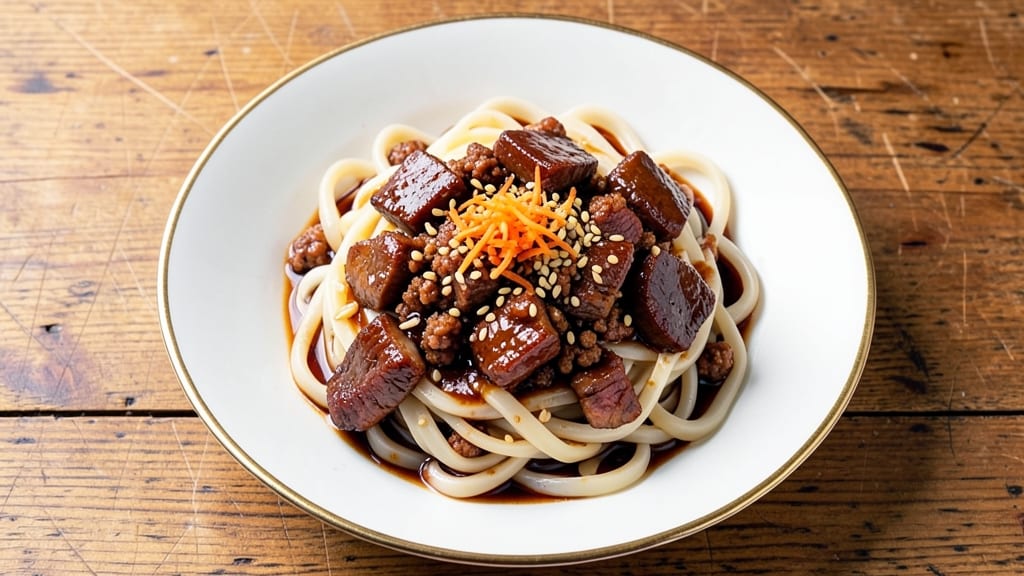
This minced pork dry noodle recipe delivers the perfect balance of crispy edges and silky noodles in every bite—just like my grandmother used to make in Charleston.
The secret lies in high-heat wok-frying the pork until golden, then tossing it with chewy udon or ramen noodles that absorb the savory sauce without turning mushy.
I've perfected this technique over years of cooking for crowds at The Smoky Pig, where we serve this dish as a crowd-pleaser during lunch rushes.
The magic happens in two stages: first, cooking the pork until it develops a crispy crust while keeping the centers tender, then combining it with noodles that soak up just enough sauce to coat them evenly.
Fresh ginger and garlic infuse the dish with bright, aromatic depth, while a splash of soy sauce and a touch of sugar create that perfect balance of savory and slightly sweet. This isn't just a recipe—it's a technique that transforms simple ingredients into something restaurant-worthy.
What you'll end up with is a dish that's restaurant-quality but simple enough for weeknight cooking: perfectly crispy pork pieces with chewy, silky noodles that cling together just enough to hold the sauce. The aroma alone—smoky pork, fresh ginger, and wok-heated oil—will have everyone gathering around the table.
Serve it with a drizzle of chili oil and sliced scallions for that final touch of freshness and heat.
This recipe works beautifully with udon, ramen, or even rice noodles, making it versatile enough for any occasion.
Whether you're cooking for a family dinner or feeding a crowd, the same principles apply: high heat for the pork, precise timing for the noodles, and a balance of flavors that makes every bite satisfying. Let's get cooking—your taste buds will thank you.
Ingredients for minced pork dry noodle
Crispy pork meets silky noodles—just 13 ingredients for restaurant-quality flavor at home.
| Ingredient | Amount | Notes |
|---|---|---|
| Ground Pork 🐖 | 1 ½ lb | Freshly minced for best texture |
| Dried Udon Noodles 🍜 | 12 oz | Or ramen noodles, uncooked |
| Fresh Ginger 🧅 | 2 tbsp | Finely grated, aromatic |
| Garlic Cloves 🧄 | 4 cloves | Minced, fresh preferred |
| Soy Sauce 🥢 | 3 tbsp | Light or dark, no sugar added |
| Sesame Oil 🌰 | 1 tbsp | Toasted for aroma |
| Vegetable Oil 🫒 | ½ cup | High smoke point for wok-frying |
| White Sugar 🍚 | 1 tbsp | Balances savory flavors |
| Cornstarch 🌾 | 1 tbsp | For crispy pork edges |
| Green Onions 🧅 | 3 whole | Sliced thin for garnish |
| Chili Oil 🌶️ | 1 tbsp | For serving, optional |
| Salt 🧂 | ½ tsp | Kosher or sea salt |
| Black Pepper 🌶️ | ¼ tsp | Freshly ground |
The ground pork is non-negotiable for that authentic texture. Ask your butcher to freshly mince it if possible—pre-ground loses that perfect bite. I always grab the 80/20 lean-to-fat ratio from the meat counter at Whole Foods or Kroger—it's got enough fat to crisp up beautifully. Udon noodles are my go-to, but ramen works too (just adjust cooking time). The ginger and garlic? Fresh is a must—dried just won't cut it here. Buy organic if you can, or at least look for bright, firm roots with no soft spots.
No udon? Rice noodles or spaghetti in a pinch, but udon's chewiness is ideal. Running short on sesame oil? Toasted peanut oil works in a bind, but it'll taste different. The cornstarch is key for crispy edges—don't skip it! For extra heat, add a pinch of red pepper flakes to the pork mixture. The soy sauce can be swapped for coconut aminos if you're avoiding sodium, but light soy has the best balance. And if you're feeling fancy, add a splash of Shaoxing wine to the pork for depth.
Pork keeps 2 days in the fridge, but cook it fresh for best texture. Udon noodles? Store in an airtight container and they'll last 1 month. Make a double batch of the pork mixture—it freezes beautifully for 3 months. I always portion the cooked noodles into containers with a little sesame oil drizzled on top so they don't stick. Garnish with green onions right before serving—they add that final pop of freshness that makes the dish sing.
Why You'll Love This Recipe
- One-Pan Magic: The ground pork sizzles while the noodles soak—no switching pans, no mess. Honestly, I’ve made this while scrolling through my phone because it’s that simple: brown the pork, toss in the garlic and ginger, add a splash of soy, and let the noodles absorb everything. That’s it.
- Umami Bomb: The soy sauce and ginger caramelize into something rich and addictive, especially when the pork gets that crispy edge. Between us, the first bite makes me forget it’s a weeknight dinner—it’s that good.
- Leftover Hero: This keeps perfectly for days, even better reheated. I’ll be real: my lunchbox gets packed with it twice a week because it’s cheap, filling, and still tastes like a restaurant meal.
- Budget Win: Ground pork stretches far, udon noodles are a steal, and you’re using basic pantry staples. My grocery bill dropped when I started making this—no fancy ingredients, just pure, satisfying flavor for pennies.
Step-by-step instructions for wok-fried pork noodles
Here's how to get those perfect crispy pork edges and silky noodles every time.
Prepare the Pork Mixture for Maximum Crispiness
In a large bowl, combine the 1.5 lb ground pork, 1 tbsp cornstarch, 2 tbsp finely grated fresh ginger, 4 cloves minced garlic cloves, 3 tbsp soy sauce, 1 tbsp white sugar, 0.5 tsp salt, and 0.25 tsp black pepper. Mix thoroughly with your hands until all ingredients are evenly distributed. The cornstarch is key here—it creates that irresistible crispy texture on the edges.
Let the mixture sit at room temperature for 10 minutes while you prepare the rest. This step ensures even cooking and prevents the pork from shrinking too much in the wok. I like to press the mixture gently to break up any large clumps—this helps the pork cook more evenly and develop those beautiful crispy edges.
Cook the Udon Noodles to Al Dente Perfection
Bring a large pot of water to a rolling boil and add 12 oz dried udon noodles. Cook according to package instructions, but stop cooking 1 minute before they reach al dente—udon noodles continue cooking when they hit the hot wok. Drain immediately and rinse briefly under cold water to stop the cooking process completely.
Toss the noodles with 1 tbsp sesame oil while still damp to prevent sticking. Keep them covered with a damp towel until ready to use. The slight sheen from the sesame oil adds flavor and helps the noodles absorb the pork's savory goodness later. Don't skip this step—it makes all the difference in texture.
Wok-Fry the Pork Until Golden and Crispy
Heat a wok or large skillet over medium-high heat until smoking hot. Add 0.5 cup vegetable oil and swirl to coat the bottom evenly. Working in batches if needed, add portions of the pork mixture to the wok, spreading them out in an even layer. Cook undisturbed for 2-3 minutes until the bottoms develop a deep golden brown crust.
This is where the magic happens—those crispy edges form when the pork contacts the hot oil. Once you see the bottoms turning golden, gently flip the pork pieces and cook for another 1-2 minutes until fully cooked through. Remove the pork to a plate and set aside, keeping it warm. Don't overcrowd the wok or the pork will steam instead of crisp up.
Combine Pork and Noodles for Perfect Texture
Return the wok to medium heat and add the cooked udon noodles. Toss them gently to coat with any remaining oil from the pork. Add the crispy pork back to the wok and stir everything together for 1-2 minutes until the noodles are heated through and the pork is evenly distributed. The residual heat from the wok will finish cooking the noodles perfectly.
Taste and adjust seasoning if needed—you might want to add a splash of water or a bit more soy sauce to balance the flavors. The noodles should be silky, the pork crispy, and everything well combined. If the mixture seems dry, don't worry—it'll come together as it sits for a minute.
Finish and Serve with Fresh Garnishes
Transfer the noodles to serving bowls and drizzle with 1 tbsp chili oil (if using). Top with 3 whole green onions, sliced thin, for a fresh pop of color and crunch. Serve immediately while everything is hot and the crispy edges are at their best. The contrast between the silky noodles, crispy pork, and fresh garnishes makes this dish truly special.
Real talk: This dish tastes even better the second day when the flavors have a chance to meld. Store leftovers in an airtight container and reheat gently in the wok with a splash of water to restore that crispy texture. Enjoy your homemade wok-fried pork noodles—crispy, savory, and completely satisfying!
Pro Tips For Making Minced Pork Dry Noodle
- STIR LOW AND SLOW: The moment the pork hits the pan, crank the heat to medium-high and let it sizzle for 30 seconds—this sears the surface. Then drop to low heat and walk away for 2 minutes. I learned this the hard way: rushing the pork turns it greasy, and you’ll end up with a mushy pile instead of tender, juicy bits. Keep your spatula moving gently; you’re not scrambling eggs here.
- GRATE THAT GINGER: Skip the mincer—use a microplane or the side of your knife to grate fresh ginger into a paste right in the pan. The fine texture melts into the pork instead of sitting as chunks, and it releases aroma immediately. (Yes, even if you’re impatient like me.) If you’re using a knife, chop it thin—thinner than you think, or you’ll regret it later.
- SOAK NOODLES SEPARATELY: Don’t toss the udon into the pork pan—soak them in hot water for 2-3 minutes first, then drain and rinse with cold water. This stops them from turning to mush when they hit the sauce. Pro move: Use a colander and shake them dry. Wet noodles in a hot pan = gluey disaster.
- SALTY SAUCE IN STAGES: Taste your pork mixture before dumping in all the soy sauce. Add half the soy sauce first, let it cook, then adjust. Some brands are saltier than others, and you’ll end up with a bland, watery mess if you just follow the recipe blindly. I was skeptical until I tried it—now I always taste as I go.
Perfect pairings for this dish
Classic Side Pairings
Fresh steamed bok choy with a sprinkle of toasted sesame seeds balances the richness of the noodles beautifully. The crisp, slightly bitter greens cut through the savory pork, while the sesame adds nutty depth.
I like to toss 2 cups baby bok choy with 1 tsp sesame oil and steam for 3-4 minutes—just until tender-crisp. 🥬
Crunchy Garnishes
Add quick-pickled cucumbers for a refreshing contrast. Thinly slice ½ English cucumber and soak in ¼ cup rice vinegar, 1 tsp sugar, and ½ tsp salt for 20 minutes.
The tangy crunch elevates every bite. For extra texture, top with toasted peanuts—just 2 tbsp per serving—and a drizzle of chili garlic sauce for heat lovers. 🥒
Beverage Pairings
A crisp jasmine green tea complements the dish's savory-sweet balance without overpowering it. For something stronger, try a light lager like Tsingtao—its mild carbonation cleanses the palate. If you prefer wine, a dry Riesling from Germany adds citrus notes that harmonize with the ginger and garlic.
I usually reach for iced hibiscus tea in summer—it’s refreshing and pairs surprisingly well. 🍶
Dipping Sauces
Whisk together 2 tbsp hoisin sauce, 1 tbsp rice vinegar, 1 tsp grated ginger, and ½ tsp chili oil for a quick homemade dipping sauce. The sweet-savory depth enhances the pork’s flavor while adding a tangy finish.
For a spicier kick, blend ½ cup sour cream with 1 tbsp sriracha and 1 tsp lime juice—it’s creamy, cooling, and perfect for scooping up noodles. 🥄
Dessert Balance
End the meal with lychee jelly or mango sorbet to refresh your palate. The fruity sweetness contrasts the dish’s savory notes, leaving a clean finish. For something simpler, serve red bean mochi**—its chewy texture and subtle sweetness feel like a hug after a rich meal.
I often make a batch ahead and keep it in the freezer for spontaneous dessert cravings. 🍡
Nutrition facts
Frequently asked questions
Can I use regular ground pork or do I need freshly minced?
Freshly minced pork makes all the difference for that authentic texture! Pre-ground pork tends to be finer and loses its crispy edges. If you can't find freshly minced, ask your butcher to grind it fresh or use 80/20 lean-to-fat ratio pork shoulder and pulse it in a food processor for a better texture. The fat content is key for those crispy edges!
What if I don't have a wok? Can I use a regular pan? A heavy-bottomed skillet or even a cast iron pan works perfectly. The key is getting it as hot as possible to create that wok hei (breath of the wok) effect. Just
How do I prevent the noodles from getting mushy?
Cook the udon noodles just 1 minute less than package instructions say, then rinse briefly in cold water to stop the cooking. Toss them with sesame oil while still damp to prevent sticking. When combining with the pork, use the residual heat from the wok to finish cooking them—just 1-2 minutes of tossing is all you need. The high heat will crisp up the noodles slightly at the edges!
Can I make this recipe ahead of time?
Yes! Cook the pork mixture fully and store it in an airtight container in the fridge for 2 days or freeze for 3 months. Cook the noodles fresh when ready to serve—just reheat the pork in the wok with a splash of water to restore crispiness. The flavors actually improve overnight as they meld together. For a shortcut, pre-cook the noodles and store them separately in sesame oil.
What's the best way to add extra protein?
For a heartier dish, stir-fry ½ cup sliced shiitake mushrooms or ½ lb shrimp with the pork. Add them in the last 2 minutes of cooking to keep them tender. If you love vegetables, toss in 1 cup bell peppers or baby spinach after combining with the noodles—they'll wilt beautifully from the residual heat.