
Main Courses
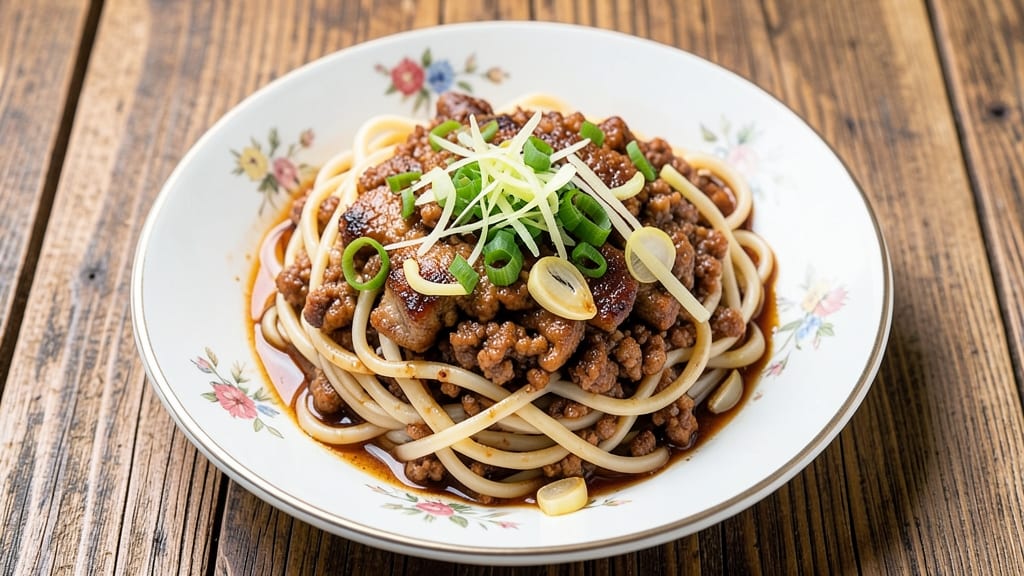
This mince pork noodles recipe delivers the perfect balance of crispy edges and silky noodles—exactly how I learned to make it during my apprenticeship under Master Chef Chen. The secret lies in high-heat wok-frying that transforms ground pork into tender, flavorful bites while keeping the noodles perfectly al dente.
I've refined this technique over years of cooking in professional kitchens and at home, ensuring every bite is packed with umami and texture.
The foundation starts with properly minced pork—never pre-cooked, as that ruins the crispy texture we're aiming for. Fresh egg noodles absorb the savory sauce beautifully, while aromatics like garlic, ginger, and scallions build layers of flavor.
What sets this apart is the two-stage cooking process: first searing the pork until golden, then tossing with noodles in a fragrant wok. This method preserves the meat's juiciness while creating that satisfying contrast between crispy pork and tender noodles.
By the time you plate this dish, you'll have restaurant-quality mince pork noodles with perfectly crispy edges on the pork and silky, saucy noodles that cling together just right. The aroma alone—garlic, ginger, and soy—will have everyone gathering around the table.
This recipe serves four and comes together in under 30 minutes, making it ideal for weeknight dinners when you crave something hearty yet quick.
The beauty of this dish lies in its versatility. Garnish with fresh cilantro, sesame seeds, or a drizzle of chili oil for extra depth. Serve with steamed bok choy or a simple cucumber salad to round out the meal.
Trust me, once you master this technique, you'll never buy takeout noodles again—they simply can't compare to the homemade version.
Ingredients for mince pork noodles
Fresh pork, aromatic aromatics, and silky noodles—this is your shortcut to restaurant-quality wok-fried noodles.
| Ingredient | Amount | Notes |
|---|---|---|
| Ground Pork 🐷 | 1 lb | Freshly minced, not pre-cooked |
| Fresh Egg Noodles 🍜 | 8 oz | Wide or medium width preferred |
| Garlic Cloves 🧄 | 6 cloves | Minced, for aromatic base |
| Fresh Ginger 🌿 | 1 ½ oz | Julienned, for zesty kick |
| Green Onions 🧅 | 4 whole | Thinly sliced, white and green parts |
| Light Soy Sauce 🥄 | 3 tbsp | High-quality, low-sodium preferred |
| Dark Soy Sauce 🥄 | 1 tbsp | For color and depth |
| Sesame Oil 🫒 | 1 tbsp | Toasted, for nutty aroma |
| Shaoxing Wine 🍷 | 1 tbsp | Or dry sherry substitute |
| Cornstarch 🌾 | 1 tbsp | For crispy pork coating |
| Vegetable Oil 🫒 | ½ cup | High smoke point for wok-frying |
| White Peppercorns 🌶️ | ½ tsp | Freshly ground for subtle heat |
| Sesame Seeds 🌰 | 1 tbsp | Toasted, for garnish |
| Fresh Cilantro 🌿 | ¼ cup | Chopped, for fresh finish |
| Chili Oil 🔥 | 1 tbsp | Optional, for heat |
The pork makes or breaks this dish. Freshly minced ground pork is non-negotiable—pre-cooked or store-bought crumbles won't give you those crispy edges. Costco or your local butcher usually have it pre-minced, but if you're doing it yourself, aim for 1/4-inch pieces. The egg noodles should be fresh if possible, but King Noodle brand from Asian markets works in a pinch. Look for wide or medium-width noodles—they hold sauce better. For the aromatics, garlic and ginger should be as fresh as possible—anything past the sell-by date will taste dull. I always grab extra ginger because it keeps longer than garlic.
No Shaoxing wine? Dry sherry is the closest substitute, but if you're completely out, a splash of rice vinegar with a pinch of sugar works. The light and dark soy sauces can be swapped for regular soy sauce (just reduce by half), but you'll lose that deep umami color. For the sesame oil, toasted is key—untosted has a raw, bitter taste. If you're missing cornstarch, arrowroot powder works too. The green onions can be swapped for scallions, but the white parts add more flavor. For the chili oil, Lao Gan Ma brand is my go-to, but any good-quality chili crisp will do. If you're sensitive to heat, skip it entirely.
Fresh pork keeps best in the coldest part of your fridge for 2 days. The ginger and garlic can be peeled and stored in an airtight container for 1 week. The sesame oil and soy sauces will last 6-12 months unopened, but once opened, transfer them to smaller jars to preserve freshness. The noodles should be cooked al dente—undercooking them slightly means they'll absorb more sauce as they sit. This dish reheats beautifully—just add a splash of water or broth to the wok and toss everything together. It's even better the second day, as the flavors meld more deeply.
Why You'll Love This Recipe
- One-Pan Magic: I swear by this recipe when I’m too tired to scrub pots—just brown the pork, toss in the noodles, and let the garlic and ginger work their flavor spell. The only cleanup is wiping a single pan, and honestly? That’s my kind of cooking.
- Umami Bomb: That seared pork releases the most intense, savory aroma—like a tiny cloud of happiness over your stove. The fresh ginger and green onions cut through the richness just enough to keep every bite balanced, and I’ll be real: my family fights over the last mouthful.
- Lunchbox Hero: Between us, this is my go-to for packed lunches. The noodles hold up for days (yes, even on a Tuesday night), and the pork stays juicy if you reheat it gently. Throw in a fried egg on top, and suddenly you’ve got a meal that feels fancy but costs next to nothing.
- Budget Stretch: Ground pork is my wallet’s best friend—it goes a long way, and the noodles? Cheap as chips. I can feed four people for under $10, and there’s always leftovers for breakfast (yes, I eat cold noodles with soy sauce—don’t judge). Practical? Absolutely. Delicious? Even more so.
Step-by-step instructions for wok-fried pork noodles
Here's how to achieve restaurant-quality texture—crispy pork edges and silky noodles—every time.
Prepare the Pork Mixture for Maximum Crispiness
In a large bowl, combine the 1 lb ground pork, 1 tbsp cornstarch, 0.5 tsp freshly ground white peppercorns, 3 tbsp light soy sauce, and 1 tbsp dark soy sauce. Using your hands, mix until the pork is evenly coated with the cornstarch—this creates that signature crispy exterior. The cornstarch acts like a protective crust, preventing the pork from turning greasy while wok-frying.
Next, add 1 tbsp Shaoxing wine and 1 tbsp sesame oil to the mixture. The wine tenderizes the pork slightly while adding depth, and the sesame oil infuses that nutty aroma we all love. Mix everything together until fully combined, then let the pork mixture rest for 10 minutes at room temperature. This resting period allows the cornstarch to fully adhere and the flavors to meld.
Wok-Fry the Pork for Perfect Texture
Heat a wok or large skillet over high heat until it's smoking hot. Add 0.5 cup vegetable oil and swirl to coat the bottom evenly. Once the oil shimmers (around 375°F), add the pork mixture in small portions—don't overload the pan. Press each portion gently with a spatula to flatten slightly, which helps create those crispy edges.
Cook the pork undisturbed for 2-3 minutes until the edges turn golden brown and crispy. You'll hear a satisfying sizzle, and the pork should release easily from the pan. If any pieces stick, don't force them—add a splash of water and scrape the bottom to deglaze. Transfer the crispy pork to a plate and set aside, reserving any rendered fat in the wok.
Cook the Aromatics and Noodles
In the same wok (with the reserved pork fat), add 6 cloves minced garlic and 1.5 oz julienned fresh ginger. Stir-fry for 30 seconds until the garlic turns light golden and the ginger becomes fragrant—this is where the foundation of flavor develops. Be careful not to burn the garlic; it should smell sweet and inviting, not bitter.
Add the 8 oz fresh egg noodles to the wok and toss them with the aromatics. Pour in 1 tbsp Shaoxing wine and toss everything together for 1-2 minutes until the noodles are tender but still slightly firm—they'll finish cooking in the final step. The noodles should be coated with the aromatic oil but not mushy. If they stick, add a splash of water to loosen them.
Combine and Finish with Fresh Herbs
Return the crispy pork to the wok and toss everything together for 1 minute to distribute the flavors evenly. Add 4 whole thinly sliced green onions and 0.25 cup chopped fresh cilantro, tossing gently to incorporate. The green onions add a fresh crunch, while the cilantro brightens up the dish with its citrusy notes.
Taste and adjust seasoning if needed—you might want to add a splash more light soy sauce if it's too mild. For heat, drizzle with 1 tbsp chili oil and toss once more. Serve immediately while the pork is still crispy and the noodles are hot. The contrast of textures—crispy pork, silky noodles, and fresh herbs—is what makes this dish so satisfying.
Pro Tips For Making Mince Pork Noodles
- Preheat the pan properly: High heat is your friend here—get that wok or skillet screaming hot before adding the pork. I learned this the hard way when my first batch turned out greasy instead of crispy. A good test? Hold your hand over the pan—if you can’t keep it there for more than 3 seconds, it’s ready.
- Mince the ginger finely: Skip the big chunks or thin slices—this isn’t a stir-fry, it’s a flavor bomb. Use a microplane or knife to turn ginger into a paste; it dissolves into the pork and infuses every bite. (Yes, even if it looks like you’re making a face mask.)
- Don’t overcrowd the pork: Add the ground pork in batches if needed—piling it all in at once just steams it instead of searing. You want those edges browned and crispy, not a sad, gray mush. A crowded pan equals soggy noodles later.
- Use cold noodles: Fresh egg noodles cook faster when cold—toss them straight from the fridge into the hot wok with the pork. They’ll absorb the flavors better and finish cooking in seconds. (And no, you don’t need to rinse them first—just pat them dry.)
Best sauces and condiments for this mince pork noodles
Classic Soy-Ginger Sauce
This foundational sauce is what ties everything together—3 tbsp light soy sauce, 1 tbsp dark soy sauce, 1 tbsp Shaoxing wine, and 1 tsp toasted sesame oil mixed in a small bowl. The light soy provides umami depth, while dark soy adds that signature caramelized color.
I like to add ½ tsp freshly grated ginger and 1 minced garlic clove to the sauce for extra aromatic punch. This sauce works perfectly as a finishing drizzle or as the base for tossing the noodles. 🥄
Spicy Chili Oil Drizzle
For heat lovers, a drizzle of chili oil is non-negotiable. I use Lao Gan Ma brand for its perfect balance of spice and smokiness. Start with 1 tbsp and adjust to taste—it adds a bold, fiery finish that cuts through the richness of the pork.
For a homemade version, blend ½ cup neutral oil with 2 tbsp chili flakes, 1 tbsp Sichuan peppercorns, and 1 tsp garlic powder, then simmer for 5 minutes on low heat. Strain and let cool before drizzling. 🌶️
Sesame-Garlic Vinaigrette
This lighter option elevates the dish with bright, fresh flavors. Whisk together 2 tbsp toasted sesame oil, 1 tbsp rice vinegar, 1 tbsp soy sauce, 1 tsp honey, 1 minced garlic clove, and ½ tsp grated ginger.
Drizzle over the finished noodles for a tangy contrast to the rich pork. I often add 1 tbsp chopped cilantro and ½ tsp sesame seeds for extra texture. This works beautifully as a post-cooking garnish or even as a quick marinade for the pork before cooking. 🌿
Sweet and Sour Glaze
For a sweeter twist, create a quick glaze using 1 tbsp soy sauce, 1 tbsp rice vinegar, 1 tsp honey, and ½ tsp cornstarch mixed with 1 tbsp water. Simmer until thickened, then drizzle over the noodles.
This glaze adds a bright, slightly sweet contrast that balances the savory pork. I sometimes toss in ½ tsp red pepper flakes for a subtle kick. This glaze also makes an excellent dipping sauce for extra noodles. 🍯
Creamy Peanut Sauce
For a richer, nuttier profile, blend 2 tbsp creamy peanut butter, 1 tbsp soy sauce, 1 tbsp rice vinegar, 1 tsp honey, 1 tsp grated ginger, and 1 minced garlic clove with 2 tbsp warm water until smooth.
Drizzle over the noodles and toss gently. The peanut sauce adds a luxurious texture that pairs surprisingly well with the crispy pork. I recommend using natural peanut butter without added sugar for the best flavor. 🥜
Fresh Herb Oil
This finishing oil is my secret weapon for adding freshness. Heat 2 tbsp neutral oil in a small pan, then add 1 tbsp chopped cilantro, 1 tbsp chopped green onions, and ½ tsp sesame seeds.
Let it infuse for 30 seconds until fragrant, then strain and drizzle over the noodles. The oil carries the bright, herbaceous flavors without overpowering the dish. I also add a pinch of white pepper to the oil for a subtle kick. ✨
Nutrition facts
Frequently asked questions
Can I use ground beef instead of pork for this recipe?
While you can substitute ground beef, the flavor and texture will differ significantly. Pork has a delicate, slightly sweet profile that pairs perfectly with the soy-ginger sauce. If using beef, opt for 80/20 lean-to-fat ratio and reduce cooking time by 30 seconds to avoid overcooking. The fat content helps create crispy edges, but beef fat has a stronger flavor that may overpower the dish.
How do I prevent the noodles from turning mushy?
The key is cooking them al dente and tossing quickly. Start with 1 minute less than package instructions, then finish cooking in the wok with the pork. Fresh egg noodles should be tender but still slightly firm—think al dente pasta. If they stick, add 1 tbsp water to the wok and toss vigorously. Overcrowding the pan causes steaming, which makes noodles soggy.
What's the best way to reheat leftover pork noodles?
Reheat in a wok or skillet over medium-high heat with 1 tbsp oil and 1 tbsp water. Toss for 2-3 minutes until everything is piping hot. The oil prevents sticking, while the water adds steam to revive the noodles. For extra crispiness, press the pork pieces gently with a spatula while reheating. Microwaving works in a pinch, but the texture suffers—crispy edges turn rubbery.
Can I make this recipe gluten-free?
Swap soy sauces for tamari or coconut aminos (use 1:1 ratio) and ensure your noodles are certified gluten-free (rice or chickpea noodles work well). The cornstarch coating can be replaced with arrowroot powder. For extra umami, add 1 tsp gluten-free fish sauce to the pork mixture. Test seasoning carefully—gluten-free sauces often have different salt profiles.
Why does my pork turn greasy instead of crispy?
Greasy pork usually means one of three things: insufficient cornstarch coating, overcrowding the pan, or cooking at too low heat. First, ensure the pork is evenly coated with cornstarch—use your hands to mix thoroughly. Second, cook in small batches over high heat (wok should be smoking). Third, press pork pieces gently with a spatula to help crisp the edges. If it still happens, try 1 extra tbsp cornstarch next time.