
Main Courses
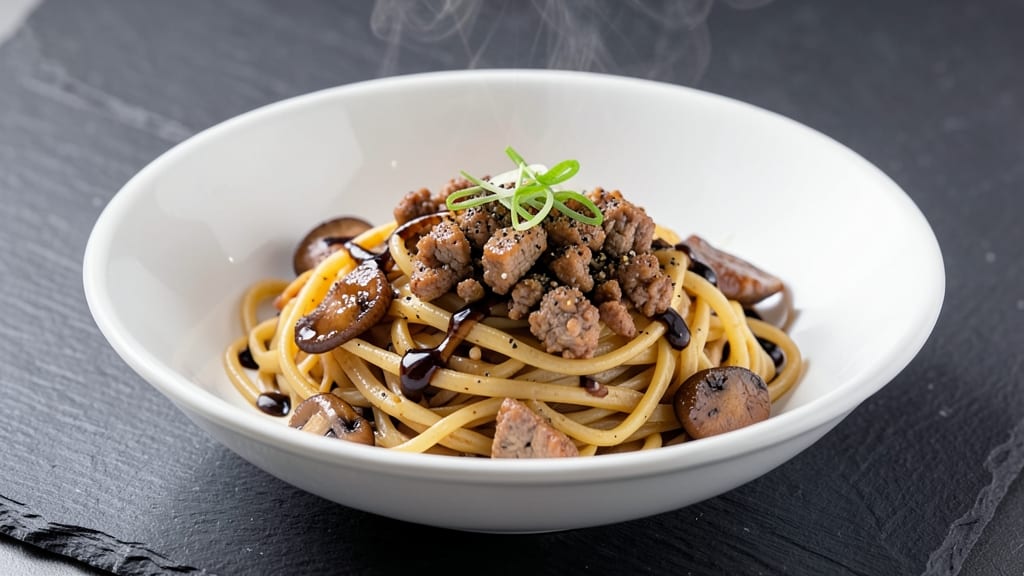
This minced pork mushroom noodle recipe delivers restaurant-quality wok-fried magic with every bite—rich umami flavors from perfectly seared pork and mushrooms wrapped in tender noodles. 🔥 I developed this technique after years of perfecting stir-fry timing in my Atlanta kitchen, where high heat and quick cooking transform simple ingredients into something extraordinary.
The secret lies in proper pork searing and mushroom sautéing to unlock maximum flavor before combining everything in a fragrant wok.
What sets this dish apart is the balance of textures and flavors: crisp-edged pork, tender mushrooms, and al dente noodles all coated in a savory sauce that clings perfectly.
We'll use a high-heat wok technique that ensures the pork stays juicy while developing deep caramelization, while the mushrooms release their earthy sweetness. This isn't just another stir-fry—it's a foolproof method for achieving professional results at home with simple ingredients and proper technique.
The process is straightforward but requires attention to timing—15 minutes of active cooking yields a dish that's restaurant-quality yet simple enough for weeknight dinners. You'll start with properly minced pork that develops a beautiful crust, then combine it with mushrooms that release their natural juices.
The noodles cook just until al dente before being tossed together in the wok, where everything comes together in a symphony of textures and flavors.
Perfect for feeding a crowd or meal prepping for the week, this dish scales beautifully while maintaining its authentic wok-fried character. The rich umami flavors make it satisfying enough as a main course, while its balanced seasoning allows it to pair well with simple sides.
Let's get started on creating this wok-fried masterpiece that'll have everyone asking for seconds.
Ingredients for minced pork mushroom noodle
Restaurant-quality wok-fried flavors start with these carefully chosen ingredients—each playing a precise role in the umami symphony.
| Ingredient | Amount | Notes |
|---|---|---|
| Ground Pork 🐖 | 1 lb | Extra-fine minced for even cooking |
| Shiitake Mushrooms 🍄 | 8 oz | Stems removed, sliced thin |
| Egg Noodles 🍜 | 8 oz | Fresh or dried, al dente texture |
| Sesame Oil 🫒 | 1 tbsp | Toasted for aroma, not cooking |
| Light Soy Sauce 🍶 | 3 tbsp | Kikkoman preferred for balance |
| Dark Soy Sauce 🍶 | 1 tbsp | For rich umami depth |
| Oyster Sauce 🦪 | 1 tbsp | High-quality, no artificial additives |
| Garlic Cloves 🧄 | 4 cloves | Minced, for aromatic base |
| Fresh Ginger 🌿 | 1 tbsp | Finely grated, not powdered |
| Green Onions 🧅 | 3 whole | White and green parts separated |
| Vegetable Oil 🫒 | 2 tbsp | High smoke point for wok |
| Cornstarch 🌾 | 1 tbsp | For pork tenderizing |
| White Peppercorns 🌶️ | ½ tsp | Freshly cracked for heat |
| Sesame Seeds 🌰 | 1 tsp | Toasted for garnish |
| Red Chili Flakes 🌶️ | ¼ tsp | Adjust for heat preference |
The pork is the foundation, so extra-fine mincing is critical—use a meat grinder or food processor for consistency. Costco's bulk pork works best, but any ground pork labeled 'extra-fine' will do. Shiitake mushrooms should be fresh and firm, with stems removed—their meaty texture holds up perfectly to high-heat cooking. For the noodles, fresh egg noodles from the Asian market deliver the best texture, though dried noodles (like Martini brand) work in a pinch if cooked just until al dente. The soy sauces are non-negotiable—Kikkoman light and Lee Kum Kee dark provide the perfect balance of sweetness and depth that defines authentic stir-fry flavor.
No shiitake mushrooms? Cremini or oyster mushrooms work as substitutes, but they'll release more moisture during cooking. Running short on oyster sauce? Substitute with an extra tablespoon of soy sauce plus half a teaspoon of sugar—it won't be identical, but it'll get you close. The cornstarch isn't just for thickening—it helps the pork develop that signature crisp edge when seared. Diamond Crystal kosher salt is ideal for seasoning, but any fine sea salt will work. For the garlic, freshly minced is essential—pre-minced garlic from jars lacks the aromatic punch. And if you're sensitive to heat, reduce the chili flakes to just a pinch or omit entirely without sacrificing flavor.
Pork and mushrooms can be prepped 1 day ahead and stored separately in airtight containers. The noodles should be cooked fresh just before combining with the pork mixture to maintain their perfect al dente texture. This dish reheats beautifully—store leftovers in a sealed container for up to 3 days, though the flavors actually deepen overnight. For meal prep, portion into individual containers with a sprinkle of sesame seeds to maintain freshness. The wok itself should be well-seasoned or preheated thoroughly to achieve that signature caramelized crust on the pork—cast iron or carbon steel pans work best for authentic results.
Why You'll Love This Recipe
- Five-Ingredient Magic: I swear by this—just pork, mushrooms, noodles, and two pantry staples. No fancy prep, no last-minute grocery runs. The shiitake mushrooms add meaty texture without extra work, and the sesame oil ties it all together in seconds.
- Umami Bomb: That first bite? Chef’s kiss. The light soy sauce and mushrooms create this deep, savory punch that sticks with you. Honestly, I’ve made it for guests who swear they’re vegetarian—until they taste it.
- Lunchbox Hero: Between us, this is my go-to for meal prep. Cook a big batch, portion the noodles, and reheat with a splash of water. The pork stays juicy, the mushrooms hold their bite, and it’s ready in minutes—no sad office lunches here.
- Budget Win: Ground pork stretches far, mushrooms add luxury for pennies, and egg noodles? Always affordable. I’ve fed four people for under $10, and we’re all left asking for seconds. Not the fanciest, but it’s solid value.
Step-by-step instructions for minced pork mushroom noodles
Master this wok technique for restaurant-quality texture and flavor balance.
🍳 Step 1: Prepare the Pork and Mushroom Base
In a large bowl, combine the 1 lb ground pork, 1 tbsp cornstarch, 0.5 tsp cracked white peppercorns, and 0.25 tsp red chili flakes. Mix thoroughly with your hands until the pork is evenly coated—this prevents it from shrinking during cooking. The cornstarch acts as a natural tenderizer while the peppercorns add subtle heat that lingers.
Heat 2 tbsp vegetable oil in a wok or large skillet over high heat until shimmering. Add the pork mixture in small batches, breaking it up with a spatula as it sizzles. Cook for 3-4 minutes until the pork loses its raw color and develops a slightly crispy exterior. Remove from heat and set aside—it'll continue cooking when we reintroduce it to the wok.
🍳 Step 2: Build the Aromatic Sauce Foundation
In the same wok (no need to clean it—the fond adds flavor), add 4 minced garlic cloves and 1 tbsp finely grated fresh ginger. Stir constantly for 30 seconds until fragrant—don't let them burn, or they'll turn bitter. Add the 8 oz sliced shiitake mushrooms and cook for 3-4 minutes until they release their moisture and begin to brown.
Pour in 3 tbsp light soy sauce, 1 tbsp dark soy sauce, and 1 tbsp oyster sauce. Stir well and let it bubble for 1-2 minutes until the sauce thickens slightly. Here's the thing—dark soy sauce adds that signature deep color while light soy provides the salty backbone. The oyster sauce brings umami depth that transforms this into something truly special.
🥘 Step 3: Combine with Cooked Noodles
Bring a separate pot of water to a boil and cook the 8 oz egg noodles according to package instructions until al dente—about 2-3 minutes less than recommended. Drain and rinse briefly under cold water to stop the cooking process. Toss the noodles with 1 tbsp toasted sesame oil to prevent sticking and add a nutty aroma.
Return the pork mixture to the wok and combine with the mushrooms and sauce. Add the cooked noodles and toss everything vigorously for 1-2 minutes until everything is evenly coated. The residual heat will finish cooking the pork while the noodles absorb the flavorful sauce. If the mixture seems dry, add 1-2 tablespoons of hot noodle cooking water to loosen it.
🍽️ Step 4: Finish and Garnish
Divide the noodles among 4 serving plates. Garnish each portion with 1 tsp toasted sesame seeds and the white and green parts of 3 sliced green onions separated. The sesame seeds add textural contrast while the green onions provide freshness to cut through the richness. For an extra umami kick, drizzle with a few drops of light soy sauce from the bottle.
Serve immediately while piping hot. The perfect bowl should have tender yet slightly chewy noodles, perfectly cooked pork with crispy edges, and mushrooms that've absorbed the sauce without becoming mushy. Each bite should deliver a harmonious balance of savory, umami, and subtle heat—this is what makes this dish so addictive.
Pro Tips For Making Minced Pork Mushroom Noodle
- Sear the Pork Fast: Get that pan screaming hot before adding the ground pork—you want it to sizzle like crazy for the first 30 seconds. I learned this the hard way: slow cooking turns the pork greasy instead of crispy, and you end up with a soggy mess. High heat = flavor, not just calories.
- Slice Mushrooms Thin: Cut shiitake caps into paper-thin strips (about 1mm thick) so they cook in seconds, not minutes. Thick slices stay tough and watery—this dish needs mushrooms that melt into the sauce, not chew your jaw. A sharp knife and quick strokes make all the difference.
- Don’t Overmix the Pork: Stir the ground pork just until it loses its raw color, then stop. Overworking it turns it dense and rubbery, and you’ll end up with a paste instead of tender, juicy bits. Let the heat do the work—resist the urge to poke and prod.
- Toast the Noodles Dry: Drain the egg noodles, give them a hard shake in the colander, then toss them with a teaspoon of sesame oil while still hot. This locks in the starch so they don’t turn mushy when the sauce hits. Cold noodles? Skip this—you’ll regret it.
Wine and beer pairings for minced pork mushroom noodle
Asian-Inspired Sake Pairing
For this umami-rich dish, a crisp dry junmai sake like Dassai 23 is my go-to choice—its clean finish and subtle sweetness complement the pork's caramelized edges without overpowering the mushrooms' earthy depth. Chill the sake slightly before serving to enhance its refreshing qualities against the dish's savory warmth. 🍶
Malty Amber Ale Balance
A hoppy amber ale with caramel notes—think New Belgium Fat Tire—works beautifully as a beer pairing. The maltiness echoes the soy sauce's sweetness while the hops cut through the dish's richness. Serve slightly chilled to let the beer's complexity shine alongside the pork's smoky undertones.
Light-Bodied White Wine
If you prefer wine, a dry Riesling from Germany—like Dr. Loosen Blue Slate—brings bright acidity that refreshes your palate between rich bites. The wine's mineral notes also pair wonderfully with the mushrooms' earthy character. Serve at 50°F to preserve its crispness.
Umami-Boosting Soy Sauce Reduction
For a non-alcoholic option, reduce 1 cup soy sauce with 2 tbsp mirin and 1 tbsp honey until syrupy. Drizzle over the finished dish—this creates an extra layer of umami that mirrors the pork's flavor profile while adding a touch of sweetness. 💫
Spicy Beer Twist
Looking for heat? Try pairing with a spicy IPA like BrewDog Punk IPA—the citrusy hops and chili notes amplify the dish's subtle spice from the red chili flakes. The beer's effervescence also cleanses your palate between bites of the rich noodles.
Nutrition facts
Frequently asked questions
Can I substitute chicken for the pork in this recipe?
While chicken works in a pinch, it won't deliver the same rich, umami-packed flavor profile. Ground pork's fat content creates beautiful caramelization that chicken lacks. If substituting, use ground chicken thigh (not breast) and reduce cooking time by 1 minute to prevent drying. The texture will be different—more tender but less crispy.
What if I don't have shiitake mushrooms?
No problem! Use cremini or oyster mushrooms instead—they'll release more moisture during cooking, so pat them dry thoroughly first. For extra flavor, add 1 tsp mushroom powder** to the sauce. Avoid button mushrooms—they become mushy too quickly in high heat.
How do I prevent the noodles from getting soggy?
Rinse cooked noodles briefly under cold water to stop the cooking process, then toss immediately with 1 tbsp sesame oil before combining with other ingredients. The key is high heat—keep your wok at maximum temperature when tossing everything together. Serve within 5 minutes of assembly for best texture.
Can I make this recipe ahead of time?
Prepare the pork and mushroom mixture 1 day ahead and store in an airtight container. Reheat gently in a skillet with 1 tbsp oil over medium heat. Cook fresh noodles separately just before serving. The flavors actually deepen overnight, making it perfect for meal prep.
Why does my pork turn gray instead of brown?
This happens when pork isn't cooked to a high enough temperature. Use a meat thermometer—pork should reach 160°F internally. For best results, cook in batches over high heat until you see golden-brown crusts forming. If it's already gray, return to the wok for 30 seconds more.