
Main Courses
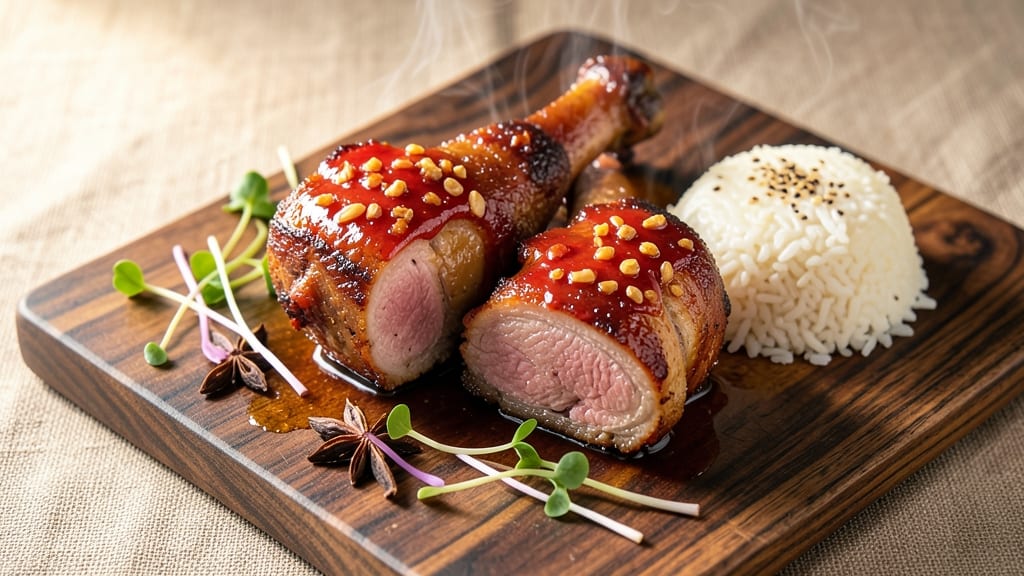
This Asian pork shank recipe delivers fall-off-the-bone tenderness with deep, aromatic flavors that transform tough cuts into a showstopping centerpiece. 🔥 I developed this version after mastering the balance between traditional braising techniques and modern shortcuts—like using a pressure cooker—that still honor the dish's roots in Chinese and Japanese cuisine.
The secret lies in slow cooking with soy, ginger, and star anise until the meat practically melts in your mouth.
What sets this recipe apart is the rich, caramelized sauce that forms as the pork simmers, infused with garlic, sesame oil, and a touch of honey for balance.
I've tested it both in a Dutch oven and Instant Pot, ensuring you get the same restaurant-quality results whether you're planning ahead or need dinner on the table in under an hour. The key? Low-and-slow cooking that breaks down collagen without drying out the meat.
By the time you're done, you'll have juicy, fork-tender pork shanks swimming in a glossy sauce that's perfect for serving over steamed rice or alongside quick stir-fried greens.
The aroma alone will have everyone gathering at the table—this is the kind of dish that feels like a celebration, even on a weeknight. I've included plating tips that elevate it from home cook to restaurant-worthy.
For those who love leftovers (and trust me, you will), this recipe makes even better the next day as flavors deepen. Pair it with pickled vegetables for brightness or a simple cucumber salad to cut through the richness.
The technique works equally well with bone-in or boneless shanks—just adjust your cooking time accordingly. Let's get started on this crowd-pleaser.
Ingredients for asian pork shank
Fourteen ingredients for deep, aromatic pork shanks that melt in your mouth.
| Ingredient | Amount | Notes |
|---|---|---|
| Pork Shanks (bone-in) 🍖 | 1 ½ lb | Cut into 1-inch thick slices |
| Soy Sauce 🍶 | ½ cup | Kosher salt reduced preferred |
| Brown Sugar 🍚 | ¼ cup | Packed, light brown preferred |
| Garlic Cloves 🧄 | 6 cloves | Minced, fresh preferred |
| Fresh Ginger 🌿 | ½ cup | Grated, peeled, packed |
| Star Anise Pods 🌟 | 2 whole | Whole, not ground |
| Sesame Oil 🫒 | 1 tbsp | Toasted, for aroma |
| Honey 🍯 | 1 tbsp | Light, for balance |
| Dry Sherry 🍷 | ¼ cup | Substitute with apple juice |
| Vegetable Oil 🫒 | 1 tbsp | For searing |
| Green Onions 🧅 | 4 whole | Sliced, for garnish |
| Steamed White Rice 🍚 | 2 cups | Cooked, for serving |
| Salt 🧂 | 1 tsp | Kosher or sea salt |
| Black Peppercorns 🌶️ | ½ tsp | Crushed, freshly ground |
The pork shanks are the star—bone-in cuts give the most flavor, but boneless works too if you're short on time. Look for shanks with good marbling at Whole Foods or your local butcher; the Costco Kirkland brand is my go-to for bulk. Fresh ginger and garlic are non-negotiable here—they're the backbone of the flavor. If you can't find fresh ginger, substitute with ground ginger at half the amount, but trust me, fresh makes all the difference. Star anise is easy to find in the international aisle at Trader Joe's or Asian markets, and it adds that signature depth that separates this from regular braised pork.
No soy sauce? Coconut aminos work in a pinch, though the flavor will be slightly different. The dry sherry can be swapped for apple juice or white wine, but the alcohol helps tenderize the meat—don't skip it entirely. Sesame oil is for aroma, not cooking, so use the toasted variety from the international aisle (it's worth the splurge). Brown sugar adds caramelization, but white sugar works fine if that's what you have. For extra richness, add a splash of hoisin sauce at the end. The green onions are just for garnish, but if you're feeling fancy, toss in some cilantro or Thai basil for a brighter finish.
This dish tastes even better the next day—make extra and freeze portions for up to 3 months. Store the sauce separately if you want to reheat just the pork. For leftovers, reheat on low heat with a splash of water to keep the sauce glossy. The rice? Cook a big batch—it pairs perfectly with this and freezes well too. If you're using an Instant Pot, skip the searing step and just dump everything in—it'll still turn out tender, just faster. The key is patience: low heat is your friend here.
Why You'll Love This Recipe
- One-Pot Magic: I swear by this recipe because it’s all in one pot—no chopping boards full of scraps, no last-minute cleanup. Just sear the shanks, toss in the garlic, ginger, and soy, then let the brown sugar caramelize into that glossy, sticky sauce. Honestly, it’s the kind of meal where I can walk away and still have dinner ready.
- Umami Bomb: That combo of soy sauce and ginger? It’s chef-level flavor without the fuss. The pork shanks get tender enough to fall apart, but the edges stay just crispy—like a perfect balance of melt-in-your-mouth and oh yeah, this is good. And the brown sugar? It cuts through the saltiness with this subtle sweetness that makes every bite addictive.
- Leftovers That Shine: Between us, this is my go-to for meal prep because the flavor deepens the next day. Reheat it with a splash of water, and it’s even better—richer, more concentrated. I freeze portions too, so I’ve got a ready-made weeknight win when I’m too tired to cook.
- Budget-Friendly Feast: Pork shanks are cheap, and this recipe stretches them into a hearty meal for the whole family. I’ve served it at potlucks, game nights, and even lazy Sundays—no one ever guesses how little it costs. Plus, the leftovers turn into sandwiches or fried rice later, so you’re basically getting two meals for the price of one.
Step-by-step instructions for Asian pork shanks braised to perfection
Here's how to transform tough pork shanks into melt-in-your-mouth tender bites with rich, caramelized sauce.
🔥 Step 1: Sear the Pork Shanks for Maximum Flavor
Heat the 1 tablespoon vegetable oil in a heavy-bottomed Dutch oven over medium-high heat until shimmering. Pat the 1.5 lb pork shanks (bone-in) completely dry with paper towels—this ensures a proper sear. Place the shanks in the pan and sear for 4-5 minutes per side until deeply golden brown.
I press down gently on the shanks during the first minute—this prevents them from curling and ensures even contact with the pan. The goal is to create a flavorful crust that will later dissolve into the braising liquid. Once golden, remove the shanks and set them aside on a plate.
🍳 Step 2: Build the Aromatic Braising Base
In the same Dutch oven, reduce the heat to medium and add the 6 cloves minced garlic cloves and 0.5 cup grated fresh ginger. Sauté for 1-2 minutes until fragrant—you should smell that bright, pungent aroma. Be careful not to burn the garlic, as it turns bitter quickly.
Add the 2 whole star anise pods and stir for 30 seconds to toast them lightly. This releases their essential oils and adds depth to the sauce. Pour in the 0.5 cup soy sauce and 0.25 cup packed brown sugar, scraping up any browned bits from the bottom of the pan. These bits are pure flavor—don't miss them!
🥘 Step 3: Deglaze and Simmer the Pork
Return the seared pork shanks to the Dutch oven. Pour in the 0.25 cup dry sherry and 1 tablespoon honey, then add enough water to come about halfway up the shanks—about 2 cups. The liquid should cover about 2/3 of the shanks. Bring to a gentle simmer over medium-low heat.
Here's the thing—this braise needs patience. Cover the Dutch oven and simmer for 1 hour 15 minutes until the pork is fork-tender and the sauce has reduced to a glossy consistency. You'll know it's ready when the meat pulls apart easily and the sauce coats the back of a spoon. Stir occasionally to prevent sticking, but don't overdo it.
⏰ Step 4: Finish with Sesame Oil and Rest
Once the pork is tender, remove the star anise pods (they've done their job). Stir in the 1 tablespoon toasted sesame oil—this adds a nutty aroma that elevates the dish. Taste and adjust seasoning with the 1 teaspoon salt and 0.5 teaspoon crushed black peppercorns if needed. The sauce should be sweet, salty, and slightly tangy with a hint of peppery heat.
Let the pork rest in the sauce for 10 minutes off the heat. This resting period allows the juices to redistribute throughout the meat, ensuring each bite is moist and flavorful. The pork should be so tender it practically falls apart when you lift it with a fork—this is what we're aiming for!
🍽️ Step 5: Serve Over Steamed Rice with Fresh Garnish
Transfer the pork shanks and sauce to a serving platter. Spoon the 2 cups steamed white rice onto individual plates and top each serving with a pork shank. Ladle the rich braising sauce generously over the rice and pork. The sauce should be thick enough to cling to the rice but still flow slightly when poured.
Garnish each serving with 4 sliced green onions for a pop of fresh color and brightness. The contrast between the tender pork, sweet-savory sauce, and fresh green onions makes this dish truly special. Serve immediately while the pork is still warm and the sauce is at its peak flavor—every bite should be a perfect balance of textures and tastes.
Pro Tips For Making Asian Pork Shank
- SEAR THE SHANKS FIRST: I learned this the hard way—skipping the sear means flavorless braise. Hit 450°F and get those shanks golden-brown on all sides before anything else. The crust locks in juices and carries the soy-ginger aroma into every bite.
- PEEL THAT GINGER: Yes, even the thick skin. I used to just grate the outside, but the fibrous bits add texture and prevent the sauce from turning mushy. Peel it first, then slice or mince—it makes a real difference when simmering with garlic.
- SKIP THE BOIL: The moment your pork shanks hit liquid, they’ll boil like crazy. Instead, start with a cold pot, add cold water (or broth), then bring to a simmer. This keeps the meat tender instead of tough—no one wants rubbery shanks, especially after hours of cooking.
- BROWN THE SUGAR: Don’t just toss brown sugar into the sauce. Heat it dry in a pan for 2-3 minutes until it turns a deep amber color. The caramelized bits dissolve into the sauce, giving it that glossy, complex sweetness that cuts through the saltiness of soy. (Your future self will thank you.)
Serving suggestions for asian pork shank
Rice Pairings
Steamed jasmine rice is my go-to pairing—its delicate floral notes complement the rich, caramelized sauce beautifully. Cook 2 cups uncooked rice (yielding about 4 cups cooked) with a pinch of salt for extra depth.
For a heartier option, try short-grain sushi rice—its stickiness helps hold the sauce. I often cook a big batch ahead and refrigerate leftovers for quick meals later in the week. 🍚
Quick Stir-Fried Greens
Bright, crisp bok choy or Chinese broccoli cuts through the richness perfectly. Heat 1 tbsp sesame oil in a wok, add 1 lb greens, and stir-fry for 2-3 minutes until just wilted. Finish with a splash of soy sauce and a sprinkle of toasted sesame seeds.
The peppery bite balances the sweet-savory pork beautifully. I like to serve this on the side or even as a bed for the pork shanks. 🥬
Pickled Vegetables
Quick-pickled daikon radish or cucumbers add a tangy crunch that refreshes your palate. Thinly slice 1 cup daikon and 1 cup cucumber, then toss with ¼ cup rice vinegar, 1 tbsp sugar, and a pinch of salt.
Let sit for 20 minutes before serving. This is a must-have for cutting through the richness—trust me, it elevates the whole dish. 🥒
Garnish Like a Pro
Fresh Thai basil or cilantro adds a vibrant finish. Chop ¼ cup basil and scatter over the top just before serving—it wilts slightly from the heat and releases its anise-like aroma. For extra flair, drizzle with a few drops of chili oil or sprinkle with crushed peanuts for texture.
I also love a dusting of toasted sesame seeds for that nutty crunch. 🌿
Bread Pairings
If you're serving this as a family-style meal, warm steamed buns or mantou are perfect for soaking up the sauce. Brush the buns with melted butter and sprinkle with flaky sea salt before serving.
For a more rustic touch, try crusty baguette slices toasted with garlic butter. The contrast of crisp bread with tender pork is pure magic. 🥖
Sauce Variations
For a spicier kick, stir 1 tsp gochujang into the sauce during the last 10 minutes of cooking. If you prefer a sweeter profile, add 1 tbsp hoisin sauce at the end.
I also like to serve the pork with a side of sriracha mayo for dipping—just mix 2 tbsp mayo with 1 tsp sriracha. The possibilities are endless! 🌶️
Nutrition facts
Frequently asked questions
Can I use boneless pork shanks instead of bone-in?
Boneless shanks will cook slightly faster—about 1 hour instead of 1 hour 15 minutes. Just reduce the simmering time and check for tenderness at 50 minutes. The sauce will still develop beautifully, though you'll lose the extra depth bone-in cuts provide. For maximum flavor, sear the boneless shanks until deeply browned first.
What's the best way to make this in an Instant Pot?
Sauté the pork shanks, garlic, and ginger in the Instant Pot first. Then add all remaining ingredients (including 1 cup water) and cook on high pressure for 30 minutes. Let the pressure release naturally for 15 minutes before opening. The meat will be fork-tender, and the sauce will be rich—just reduce it further on the stovetop if needed. The Instant Pot version cuts cooking time by nearly half!
Why did my pork turn out dry?
Overcooking or lifting the lid too early are the most common causes. Keep the lid on and maintain a gentle simmer—never a rolling boil. If the sauce reduces too much, add 1-2 tablespoons water during cooking. For extra moisture, add ½ cup chicken broth to the braising liquid. The pork should be tender but still juicy—if it's falling apart too easily, it's overcooked.
Can I prepare this ahead of time?
This dish tastes even better the next day! Let it cool completely, then refrigerate in an airtight container for up to 3 days. Reheat gently on the stovetop with a splash of water to restore the sauce's gloss. For longer storage, freeze the pork and sauce separately for up to 3 months. Thaw overnight in the fridge before reheating—never at room temperature.
What's the difference between Chinese and Japanese-style pork shanks?
Chinese versions often use soy sauce, star anise, and five-spice, while Japanese recipes lean on mirin, sake, and grated daikon. This recipe bridges both styles with soy, ginger, and sherry. For a more Japanese approach, swap the star anise for 1 tsp grated fresh ginger + ½ tsp white pepper and add 1 tbsp mirin at the end. The sauce will be lighter but equally flavorful.