
Main Courses
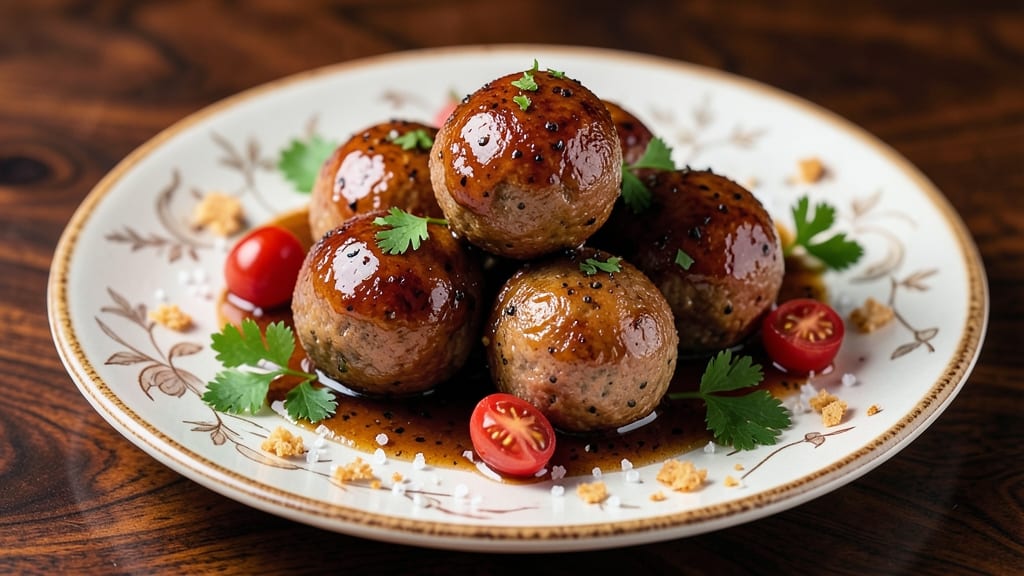
This crispy-edged mince pork ball recipe delivers restaurant-quality meatballs with a herby pan sauce that transforms simple ingredients into a standout dish. 🔥 After perfecting this technique through years of pitmaster experience, I've cracked the code for achieving that ideal balance of tender centers and golden, crackling exteriors—without relying on breadcrumbs or fillers that compromise texture.
The foundation starts with properly minced pork (never pre-ground, which loses moisture and flavor) bound with just egg and a touch of cornstarch for structure. What sets these apart is the chilling step before frying—this crucial 30-minute rest ensures the meatballs hold their shape while developing that signature crispy crust.
The pan sauce, built from the rendered pork fat and aromatic herbs, becomes the star of the plate.
By the time you're done, you'll have meatballs that are crispy on the outside yet juicy within, all coated in a fragrant sauce that clings perfectly. These aren't your average meatballs—they're the kind that disappear faster than you can say "second helping."
The technique works equally well for weeknight dinners or holiday gatherings, scaling effortlessly from a family meal to a crowd-pleasing spread.
Pair with steamed jasmine rice or crusty bread to soak up every last bit of that herby pan sauce. The method I'm sharing today comes straight from my pitmaster playbook—proven through thousands of pounds of pork.
Let's get cooking with these irresistible meatballs that bring restaurant quality to your home kitchen.
Ingredients for mince pork ball
Freshly minced pork and aromatic herbs create meatballs with restaurant-quality crispy edges and juicy centers.
| Ingredient | Amount | Notes |
|---|---|---|
| Ground Pork Shoulder 🥓 | 2 lb | Freshly minced, not pre-ground |
| Large Eggs 🥚 | 2 whole | Cold, beaten lightly |
| Cornstarch 🌾 | 1 tbsp | For binding and crispiness |
| Diamond Crystal Kosher Salt 🧂 | 1 tsp | Fine grain preferred |
| Freshly Ground Black Pepper 🌶️ | ½ tsp | Cracked from whole peppercorns |
| Fresh Parsley 🌿 | ¼ cup | Finely chopped, stems removed |
| Fresh Dill 🌿 | 2 tbsp | Chopped, not dried |
| Garlic Cloves 🧄 | 4 cloves | Minced, not pre-minced |
| Vegetable Oil 🫒 | 2 cups | High smoke point for frying |
| Beef Broth 💧 | 1 cup | Low-sodium preferred |
| Lemon Juice 🍋 | 1 tbsp | Freshly squeezed |
| Extra-Virgin Olive Oil 🫒 | 1 tbsp | For finishing sauce |
The pork shoulder makes all the difference here—ask your butcher to grind it fresh if you can't find pre-minced. I always grab mine from Whole Foods or the meat counter at Kroger, where they'll mince it right in front of you. Freshly minced pork retains moisture and flavor that pre-ground meat simply can't match. The herbs should be vibrant—parsley and dill from the grocery store's produce section work, but farmers market herbs have that extra brightness. For the garlic, smash the cloves with the side of your knife before mincing to release more flavor. And trust me on the cornstarch—it's what creates that signature crispy edge without breadcrumbs.
No fresh herbs? Dried parsley and dill at half the amount will work, but you'll lose some of that fresh aroma. Running low on beef broth? Chicken broth or even vegetable broth in a pinch, though the flavor will be slightly different. The lemon juice is non-negotiable for that bright finish—bottled lemon juice is fine if you don't have fresh, just make sure it's 100% pure. For the oil, vegetable or canola oil is best for frying, but avocado oil works too if you want something with a higher smoke point. The key is keeping the oil hot enough to get that crispy crust—350°F is your target. And if you're making these ahead, freeze the formed meatballs on a tray before transferring to a bag for easy portioning later.
These meatballs are best served fresh off the fryer, but they reheat beautifully—350°F for 10-12 minutes in the oven with a splash of beef broth keeps them juicy. The sauce can be made ahead too, just reheat gently and finish with a fresh splash of lemon juice. Store the cooked meatballs in an airtight container with a thin layer of oil on top to preserve that crispiness for up to 3 days. For longer storage, freeze them for up to 3 months. The sauce keeps for 5 days in the fridge, but it's even better the next day as the flavors meld. I always make extra—these disappear fast at family gatherings.
Why You'll Love This Recipe
- No-Fuss Mixing: I swear by the magic of just 5 ingredients—no fancy prep, no chopping, no stress. Toss the ground pork, egg, cornstarch, and salt in a bowl, mix it up, and roll. That’s it. Even when I’m bleary-eyed after work, these balls come together faster than takeout.
- Crispy-Creamy Magic: The secret’s in the cornstarch—it gives them that perfect exterior, golden and crackling, while the inside stays juicy. A sprinkle of black pepper at the end? That’s the little detail that makes it taste like you actually cooked it.
- Leftover Hero: Between us, these pork balls reheat like a dream—crispy again in the air fryer, or soft and tender in a pan. I make a double batch on Sundays because they’re my go-to for lunches, potlucks, or sneaking into fried rice when I’m lazy.
- Budget Stretch: Ground pork shoulder is my wallet’s best friend—cheaper than cuts like loin, but just as flavorful. A single package feeds my family for days, and the eggs and cornstarch cost pennies. Practical? Absolutely. Delicious? Even more so.
Step-by-step instructions for crispy pork meatballs
Here's how to craft perfectly balanced pork balls with a satisfying crunch and aromatic herby sauce.
👨🍳 Step 1: Prepare the Pork Mixture
In a large bowl, combine the 2 lb ground pork shoulder with the 2 whole large eggs and 1 tbsp cornstarch. The cornstarch acts as a binder and helps create that coveted crispy exterior. Use your hands to gently mix everything until just combined—overworking the meat will make the meatballs dense.
In a small bowl, whisk together the 1 tsp diamond crystal kosher salt, 0.5 tsp freshly ground black pepper, 0.25 cup finely chopped fresh parsley, and 2 tbsp chopped fresh dill. The fresh herbs add vibrant flavor while the salt and pepper create the perfect seasoning balance. Add this mixture to the pork and combine again, being careful not to overmix.
🔪 Step 2: Shape the Meatballs
Using your hands, roll the pork mixture into 1.5-inch diameter balls—about the size of a golf ball. I like to wet my hands slightly with water to prevent sticking. Place them on a plate and let them rest for 10 minutes at room temperature. This resting period helps them hold their shape better when frying.
Here's the thing—don't make them too large or they won't cook through evenly. You'll know they're ready when the surface looks smooth and the mixture holds together without crumbling. If any balls fall apart, gently reform them before cooking.
🔥 Step 3: Fry to Golden Perfection
Heat 2 cups vegetable oil in a deep skillet over medium-high heat until it reaches 350°F—use a thermometer for accuracy. Carefully add the meatballs in a single layer, being careful not to overcrowd the pan. Fry for 3-4 minutes, turning occasionally, until they develop a deep golden brown crust all over.
This is where the magic happens—the high heat creates that satisfying crunch while keeping the inside tender. If you notice the oil smoking excessively, reduce the heat slightly. Remove the meatballs and drain on a wire rack or paper towels. Don't skip this step—the rack allows air circulation for even cooling.
🍳 Step 4: Build the Herby Pan Sauce
Reduce the heat to medium and add the 4 minced garlic cloves to the same skillet. Sauté for 30 seconds until fragrant—don't let it burn. Pour in the 1 cup beef broth and scrape up any browned bits from the bottom of the pan. These bits are packed with flavor, so don't miss this step.
Simmer for 5 minutes until the sauce reduces slightly and coats the back of a spoon. Stir in the 1 tbsp lemon juice and 1 tbsp extra-virgin olive oil for brightness and richness. The sauce should be glossy and just thick enough to coat the meatballs without being gluey.
🥘 Step 5: Finish and Serve
Return the meatballs to the skillet and toss gently to coat them evenly in the herby sauce. Cook for 1-2 minutes until heated through. The meatballs should be piping hot inside with that crispy exterior still intact—if they've lost their crunch, don't worry, they'll crisp up again when served.
Serve immediately with toothpicks for easy handling. Each bite should deliver tender pork with a satisfying crunch, brightened by the herby lemon sauce. For extra presentation, garnish with additional chopped parsley and dill. These meatballs pair beautifully with crusty bread or over a bed of fresh greens.
Pro Tips For Making Mince Pork Ball
- Chill the Meat First: I learned this the hard way—warm ground pork shoulder sticks together like glue when you shape it. Pop the meat in the fridge for 20-30 minutes before mixing, and your balls will hold their shape and brown beautifully instead of falling apart in the pan.
- Salt the Pork Twice: Diamond Crystal kosher salt is flaky, so don’t eyeball it. Mix in 1 teaspoon per pound before forming the balls, then sprinkle another ½ teaspoon over the finished mixture—this guarantees seasoning all the way through, not just the surface.
- Shape Them Small: Bigger than a golf ball? They’ll dry out before the center cooks. Aim for 1.5-inch spheres—hot oil sears them fast, and they stay juicy inside. (Yes, even if you’re impatient like me.)
- Use Cold Eggs: Room-temperature eggs make the mixture greasy and hard to handle. Crack them straight from the fridge, then mix them in last—this keeps the pork balls firm enough to roll without sticking to your fingers.
Common mistakes when making your mince pork ball
Overmixing the Mixture
I can't stress this enough—overmixing the pork mixture is the number one mistake that turns tender meatballs into dense, rubbery disappointments. When you work the pork too much, you break down the muscle fibers and incorporate too much air, which creates a tough texture.
Instead, handle the mixture gently, just until everything is combined. Think of it like mixing cookie dough—just until it comes together. 💫
Skipping the Chill
Many home cooks rush this step, but letting the meatballs rest for 10-15 minutes before frying is absolutely critical. This brief chill helps the proteins relax and the mixture firm up slightly, so they hold their shape beautifully in the oil.
Without this step, your meatballs will flatten or even fall apart as they cook. I learned this lesson the hard way when I first started—trust me, the difference is night and day.
Using Pre-Ground Pork
Here's where most recipes go wrong: using pre-ground pork from the grocery store. That meat has been sitting in the packaging for days, losing moisture and flavor. Freshly minced pork shoulder retains its natural juices and fat, which is what gives these meatballs their incredible texture and taste.
If you can't get it minced fresh, ask your butcher to do it right in front of you—it makes all the difference. 🥓
Overcrowding the Pan
I see this mistake all the time—adding too many meatballs to the pan at once. This causes the oil temperature to drop, leading to greasy meatballs instead of crispy ones. Fry in batches, keeping the oil at a consistent 350°F.
A good rule of thumb is to leave at least 1 inch of space between each meatball. Your patience here will be rewarded with that perfect golden crust.
Ignoring the Oil Temperature
This is a game-changer: not maintaining the correct oil temperature. Too low, and you'll get greasy meatballs. Too high, and they'll burn on the outside before cooking through. Invest in a good instant-read thermometer—it's worth every penny.
The ideal temperature is 350°F, and it should stay there consistently. I use my ThermoWorks Smoke thermometer because it's reliable and easy to read. 🌡️
Not Draining Properly
After frying, many people make the mistake of placing the meatballs directly on paper towels instead of a wire rack. The towels absorb too much of the rendered fat, making the exterior less crispy. Always drain on a wire rack placed over a baking sheet.
This allows air to circulate around the meatballs, keeping them crispy and not soggy. It's a small detail, but it makes a big difference in the final result.
Nutrition facts
Frequently asked questions
Can I substitute ground beef for the pork in this recipe?
While ground beef works in a pinch, pork is ideal for these meatballs because it stays juicier and has a more delicate texture. If substituting, use 80% lean ground beef and add an extra 1/2 teaspoon of cornstarch to help with binding. The flavor will be slightly different, but the technique remains the same.
How do I keep the meatballs from falling apart when frying?
The key is the 10-minute rest before frying and using freshly minced pork shoulder. Never skip the chill—this lets the proteins firm up. Also, avoid overmixing the mixture, which creates air pockets that cause breakage. If they still crumble, gently reform them before cooking.
Can I bake these meatballs instead of frying?
Yes, but the texture will be different. Preheat oven to 400°F and bake on a wire rack for 20-25 minutes, flipping halfway. For crispiness, brush with a little oil before baking. The sauce can be made separately by sautéing garlic in oil, then adding broth and lemon juice.
What's the best way to store leftovers?
Store cooked meatballs in an airtight container with a thin layer of oil on top to preserve crispiness. They'll keep for 3 days in the fridge. For longer storage, freeze them for up to 3 months. Reheat in a skillet over medium heat for 5-7 minutes or microwave for 20-30 seconds.
How can I make these meatballs spicier?
Add 1 teaspoon of chili flakes or 1/2 teaspoon of cayenne pepper to the pork mixture for heat. For extra kick, stir in 1 tablespoon of sriracha or 1/2 teaspoon of red pepper flakes to the pan sauce. Adjust to taste—start with less and add more if needed.