
Side Dishes
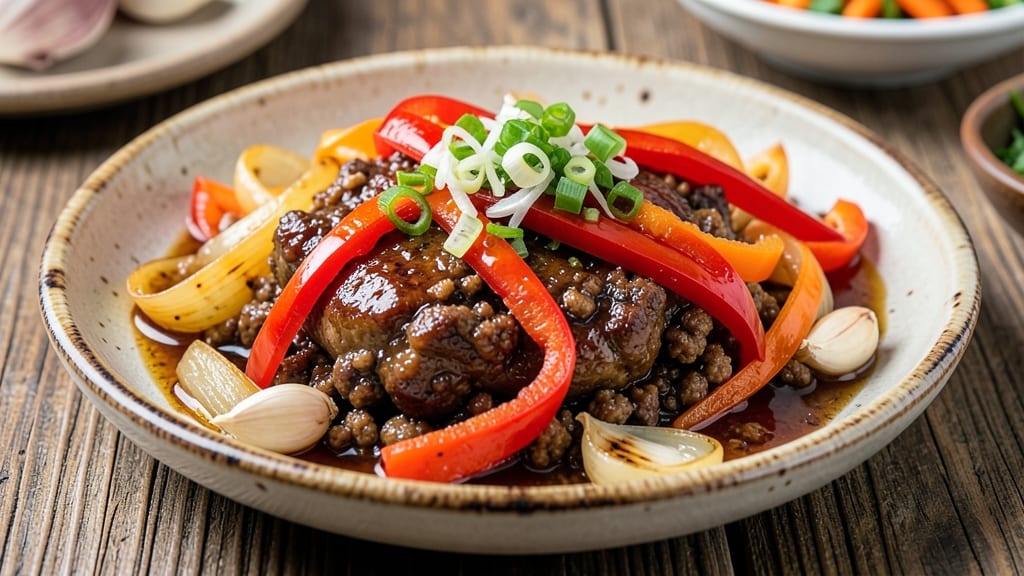
This minced pork and vegetables recipe delivers restaurant-quality stir-fry with savory depth in under 30 minutes. I developed it during a particularly busy week when I needed a balanced, protein-packed meal that came together quickly without sacrificing flavor.
The key lies in proper pork preparation and high-heat cooking techniques that transform simple ingredients into something extraordinary.
What makes this recipe special is its versatility—equally at home as a weeknight dinner or a crowd-pleasing side dish. We're using ground pork for even cooking and maximum flavor distribution, paired with a mix of vegetables that caramelize beautifully under the wok.
The secret weapon? A simple sauce blend that adds layers of umami without overpowering the natural tastes of the ingredients.
By the time you're done, you'll have a vibrant stir-fry with tender pork pieces and perfectly cooked vegetables—crisp edges on the carrots, slightly charred bell peppers, and just-wilted greens. The aromatic sauce clings to everything, creating a dish that's both satisfying and balanced.
It's the kind of meal that makes you feel like you've put in hours of prep when in reality, it was ready in minutes.
This recipe scales beautifully for parties or leftovers, and the flavors actually improve as they sit. The pork remains tender, the vegetables maintain their texture, and the sauce continues to develop depth. Perfect for feeding a family or meal prepping for the week ahead. Let's get cooking!
Ingredients for minced pork and vegetables
Ground pork and vibrant veggies transform into a restaurant-style stir-fry in under 30 minutes.
| Ingredient | Amount | Notes |
|---|---|---|
| Ground Pork 🐖 | 1 ¼ lb | Lean or regular, not pre-seasoned |
| Red Bell Pepper 🌶️ | 1 whole | Seeded and sliced into strips |
| Carrots 🥕 | 2 medium | Julienned or thinly sliced |
| Yellow Onion 🧅 | 1 whole | Thinly sliced, about 1 cup |
| Garlic Cloves 🧄 | 4 cloves | Minced or finely chopped |
| Green Onions 🌱 | 3 whole | White and green parts separated |
| Soy Sauce 🍶 | ⅓ cup | Low-sodium preferred |
| Oyster Sauce 🥢 | 2 tbsp | For authentic umami depth |
| Sesame Oil 🫒 | 1 tbsp | Toasted for aroma |
| Honey 🍯 | 1 ½ tbsp | For subtle sweetness |
| Vegetable Oil 🫒 | 2 tbsp | High smoke point |
| Ginger Root 🌿 | 1 inch | Fresh, grated or finely chopped |
| Cornstarch 🌾 | 1 tbsp | For thickening sauce |
| Salt 🧂 | ½ tsp | Kosher or sea salt |
| Black Pepper 🌶️ | ¼ tsp | Freshly ground |
The ground pork is where it all starts—look for freshly processed cuts at your butcher or the meat counter, not the pre-packaged stuff that's been sitting for weeks. Trader Joe's or Whole Foods usually have good quality, but any reputable grocery store works. Lean pork cooks faster but can dry out, so I prefer regular ground pork with some fat for moisture. If you're using pre-seasoned pork, skip the soy and oyster sauces entirely. For the veggies, fresh is non-negotiable—wilted carrots or rubbery bell peppers will ruin the dish. The red bell pepper should be firm and shiny, not dull or soft. Carrots? Bright orange and crisp when sliced. The green onions are the only ones you can get away with using slightly wilted—just trim the ends and use the greens for garnish later.
No oyster sauce? Hoisin sauce or even a splash of fish sauce works in a pinch, though the flavor will be different. Short on sesame oil? Toasted peanut butter at half the amount adds a similar nutty depth. The honey is optional but balances the salty-savory flavors beautifully—maple syrup is a great vegan swap. For the ginger, fresh is ideal, but if you're in a bind, ground ginger at half the amount works (though it lacks that bright, fresh kick). The cornstarch is crucial for thickening the sauce—arrowroot powder works too, but cornstarch is more accessible. Pro tip: If you're prepping ahead, par-cook the pork and store it separately from the raw veggies to keep everything crisp.
This stir-fry tastes even better the next day—make extra and save half for lunch (it reheats like a dream). Store the pork and veggies separately in airtight containers for up to 3 days in the fridge, or freeze for 2 months. The sauce can be made ahead and reheated separately. For leftovers, add a splash of water or broth when reheating to keep it from drying out. The flavors meld beautifully overnight, so if you're meal prepping, wait to serve until the next day for maximum impact. And trust me, the green onion garnish at the end makes all the difference—it adds freshness and a pop of color.
Why You'll Love This Recipe
- One-Pan Magic: I swear by this recipe because it’s a single pan, minimal cleanup. The bell peppers and carrots soften just enough to soak up all the savory pork juices—no extra pots, no fuss.
- Sweet-Savory Balance: That caramelized onion and garlic base? It’s the secret. The pork stays juicy while the veggies melt into a sweet-tangy harmony—like a hug in a skillet.
- Lunchbox Hero: Pack it cold or reheat it—this keeps perfectly for days. My kids grab it for school lunches, and honestly? They’d rather eat this than anything fancy I make.
- Budget Stretch: A pound of pork and a handful of veggies feed four for under $10. No wasted ingredients, just pure, satisfying flavor that doesn’t break the bank.
Step-by-step instructions for one-pan stir-fry with savory depth
Here's how to create a perfectly balanced stir-fry where tender pork meets vibrant vegetables in a glossy, umami-rich sauce.
🍳 Step 1: Prepare the Vegetables for Even Cooking
Start by slicing the 1 whole red bell pepper into thin strips—about ¼-inch wide—removing seeds and membranes first. Cut the 2 medium carrots into julienne strips or thin matchsticks for even cooking. Thinly slice the 1 whole yellow onion into semi-circles, about ⅛-inch thick, so they soften quickly in the stir-fry.
Separate the 3 whole green onions into white and green parts. The whites will cook with the vegetables while the greens will be added at the very end for freshness. Finely chop the 4 cloves garlic and grate the 1-inch ginger root—this ensures they disperse evenly and release their aromatic oils. Keep all prepped ingredients in separate bowls to maintain organization.
🔥 Step 2: Sear the Ground Pork Until Fully Browned
Heat a large wok or skillet over high heat until it's smoking slightly. Add the 2 tablespoons vegetable oil and swirl to coat the pan. Working in batches if needed, add the 1.25 lb ground pork, breaking it up with a spatula as it cooks. Let it sear undisturbed for 2-3 minutes until the pork loses its raw color and begins to brown.
Once browned, use the spatula to break the pork into smaller pieces, about ½-inch in size. This creates more surface area for flavor absorption. Continue cooking until the pork is fully cooked through—it should be no longer pink in the center. Remove the pork to a plate and set aside, leaving the rendered fat in the pan.
🥘 Step 3: Stir-Fry the Vegetables Until Tender-Crisp
Return the pan to high heat and add the sliced red bell pepper, carrots, and yellow onion. Stir-fry for 4-5 minutes, allowing the vegetables to soften slightly while maintaining their texture. Add the minced garlic and grated ginger, cooking for an additional 30 seconds until fragrant—this prevents them from burning.
Here's where it gets good: pour in the 0.33 cup soy sauce and 2 tablespoons oyster sauce, stirring constantly to coat the vegetables. Add the 1.5 tablespoons honey and 1 tablespoon sesame oil, letting the mixture simmer for 1-2 minutes until the sauce begins to thicken slightly and cling to the vegetables. The vegetables should be tender but still hold their shape.
🍳 Step 4: Combine and Thicken the Sauce
Return the cooked pork to the pan and stir everything together. Add the white parts of the 3 whole green onions and let the mixture cook for another 2 minutes, allowing the flavors to meld. In a small bowl, whisk together the 1 tablespoon cornstarch with 2 tablespoons water to create a slurry.
Pour the cornstarch slurry into the pan, stirring constantly for 1-2 minutes until the sauce thickens to a glossy, coatable consistency. The sauce should cling to the pork and vegetables without being overly thick. Taste and adjust seasoning with the 0.5 teaspoon salt and 0.25 teaspoon black pepper if needed.
🍽️ Step 5: Finish and Serve Immediately
Remove the stir-fry from heat and immediately stir in the green parts of the 3 whole green onions for a fresh finish. Serve the stir-fry hot, garnished with an extra drizzle of sesame oil if desired. The dish should be vibrant, with tender pork, perfectly cooked vegetables, and a balanced sauce that's savory, slightly sweet, and umami-rich.
This one-pan stir-fry delivers all the flavors of a restaurant-quality dish with minimal cleanup. The key is high heat and constant stirring to ensure everything cooks evenly and the sauce clings perfectly. Enjoy it over steamed rice or noodles for a complete meal.
Pro Tips For Making Minced Pork And Vegetables
- Cook pork in batches: Ground pork packs tightly and releases a ton of fat—if you dump it all in at once, you’ll end up with greasy, uneven cooking. Split it into two portions and brown each separately over medium-high heat. The first batch will render its fat, which you can use to sauté the veggies later, while the second gets a proper sear without steaming in its own juices.
- Slice carrots lengthwise: Thinly sliced carrots cook faster and stay crisp, but they turn to mush if you chop them crosswise. Cut them into matchsticks along the grain instead—this way, they soften evenly without falling apart. (Yes, it looks less uniform, but it actually tastes better.)
- Salt the pork first: Season the ground pork with salt before cooking—it needs time to draw out moisture so it browns properly, not steams. I used to skip this and wondered why my pork always came out pale and greasy. Sprinkle ½ teaspoon salt per pound, let it sit 5 minutes, then crumble it with your hands.
- Sweat onions low and slow: Onions release sugar quickly, and if you rush them, they’ll caramelize into a sticky mess before the other veggies are ready. Cook them on medium-low heat for 5–6 minutes, stirring often, until they’re translucent but not golden. This gives the garlic and peppers room to join without burning. (Trust me, your future self will notice the difference.)
Flavor customization for these flavors
Sweet and Tangy Twist
For a bright, fruity variation, swap the honey for 1.5 tablespoons of hoisin sauce and add 2 teaspoons of rice vinegar to the sauce mixture. This balances the umami with a tangy sweetness that cuts through the richness of the pork.
I often use this version when serving with steamed jasmine rice—the contrast is incredible. For extra depth, add 1 teaspoon of chili paste for a subtle kick. 🌶️
Spicy Sichuan Style
Transform this into a fiery Sichuan stir-fry by adding 1 tablespoon of Sichuan peppercorns lightly toasted and ground, along with 1 teaspoon of chili oil at the end. The numbing heat from the peppercorns pairs perfectly with the pork’s richness.
For authenticity, use 1 teaspoon of doubanjiang (fermented chili bean paste) in the sauce. Serve with egg noodles to soak up the bold flavors. This version is a crowd-pleaser at my restaurant—guests either love it or ask for seconds!
Creamy Garlic Ginger
For a velvety texture, stir in 2 tablespoons of coconut milk or heavy cream at the end, along with an extra 1 teaspoon of minced garlic. The creaminess mellows the heat and adds a luxurious finish.
I like to garnish this version with toasted sesame seeds and crispy fried shallots for crunch. It’s a fantastic option for cooler evenings or when you want something heartier. The pork stays tender, and the sauce becomes rich and clingy. 🥥
Herb-Infused Mediterranean
Give this dish a Mediterranean makeover by swapping the soy and oyster sauces for 2 tablespoons of lemon juice, 1 teaspoon of dried oregano, and 1 teaspoon of smoked paprika. Add ½ cup of cherry tomatoes, halved, along with the other vegetables.
Finish with fresh parsley and a drizzle of extra virgin olive oil. This version is lighter but still packed with flavor—perfect for a summer dinner. The lemon brightens the pork, and the herbs add a fresh, earthy note.
Smoky BBQ Glaze
For a Southern-inspired twist, replace the sauce with a homemade BBQ glaze made from ¼ cup BBQ sauce (I love Sweet Baby Ray’s), 1 tablespoon of apple cider vinegar, and 1 teaspoon of smoked salt.
Cook the pork in batches until caramelized, then toss with the veggies and glaze. Top with pickled red onions and crumbled feta for a smoky, tangy dish that’s perfect with cornbread. This version reminds me of my time cooking in Charleston—simple, bold, and full of soul. 🔥
Umami Mushroom Boost
For an earthy depth, add ½ cup of sliced shiitake mushrooms (stems removed) to the stir-fry along with the other vegetables. The mushrooms absorb the sauce beautifully and add a meaty texture. Boost the umami further by adding 1 teaspoon of fish sauce to the sauce mixture.
This version is especially rich and satisfying, making it ideal for a hearty weeknight dinner. The mushrooms caramelize quickly, adding a chewy contrast to the tender pork. 🍄
Nutrition facts
Frequently asked questions about minced pork stir-fry
Can I substitute ground chicken or turkey for the pork?
Ground chicken or turkey works well, but watch the cooking time—poultry cooks faster than pork and can dry out. Use 1 lb instead of 1.25 lb for equivalent servings, and remove it from the pan as soon as it reaches 165°F. For extra moisture, add 1 tablespoon of chicken or vegetable broth to the sauce.
How do I prevent the vegetables from getting mushy?
High heat and quick cooking are key! Stir-fry over medium-high to high heat and cut vegetables into even sizes so they cook simultaneously. Start with harder veggies (carrots, bell peppers) first, then add softer ones (onions, greens) later. Overcrowding the pan lowers the temperature—cook in batches if needed.
What's the best way to store leftovers?
Store in an airtight container in the fridge for up to 4 days. The flavors actually improve overnight! Reheat gently in a skillet with 1 teaspoon of oil and a splash of water to restore moisture. For freezing, portion into single servings and freeze for up to 3 months. Thaw in the fridge before reheating.
Can I make this dish in a slow cooker?
Not ideal for this stir-fry—slow cooking would make the pork and veggies too soft. However, you could adapt it by browning the pork first, then combining everything in the slow cooker on low for 2 hours with ¼ cup extra sauce. The texture won't be the same, but it's a good option for busy days. For best results, stick to the quick stir-fry method.
What if I don't have oyster sauce?
No problem! Replace it with 2 tablespoons of hoisin sauce or 1 tablespoon of fish sauce plus 1 teaspoon of soy sauce. For a vegetarian option, use 2 tablespoons of mushroom sauce or 1 tablespoon of soy sauce plus 1 teaspoon of maple syrup. The umami depth will still shine through.