
Main Courses
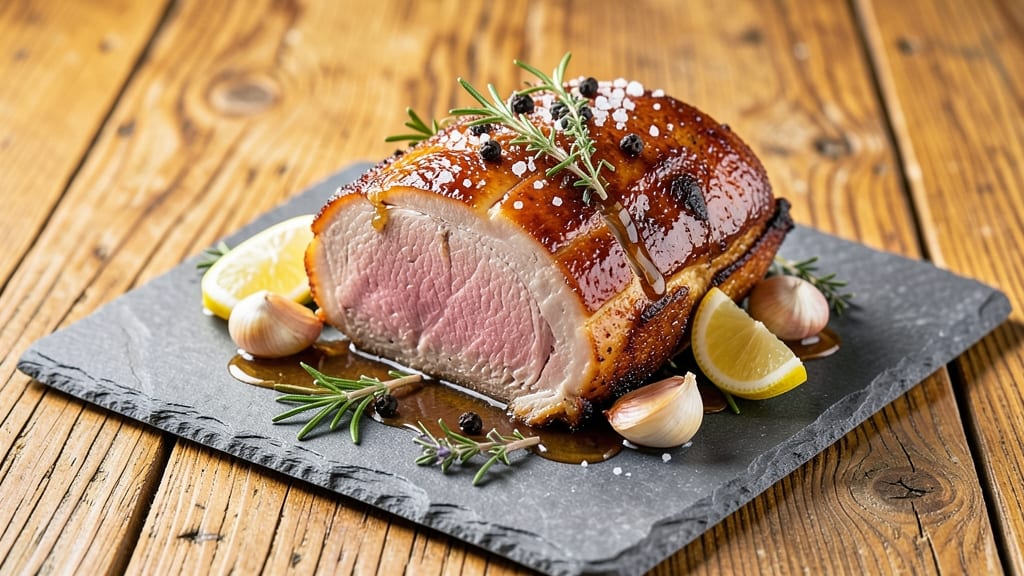
This 3-lb boneless pork shoulder roast transforms tough cuts into melt-in-your-mouth perfection with a caramelized crust—no fancy equipment required. 🔥 After years of perfecting this method at The Smoky Pig, I’ve simplified the process so even weeknight cooks can achieve restaurant-quality results.
The secret lies in slow roasting, which breaks down the collagen for irresistible tenderness while creating that golden, crackling exterior everyone craves.
What sets this recipe apart is the one-pan technique, eliminating messy transfers and ensuring maximum flavor retention. We’ll use a simple salt-and-herb rub that lets the pork’s natural sweetness shine, then rely on precise temperature control to guarantee juicy meat every time.
This method works beautifully for holidays or casual dinners—just adjust the cooking time slightly for your preferred doneness.
The result? A juicy, flavorful roast with a crisp exterior that’ll have your guests asking for seconds. The meat practically falls apart when sliced, releasing all that rendered fat and rich, caramelized goodness.
Serve with classic sides like apple sauce or mashed potatoes to soak up every last drop of that delicious pan sauce.
Whether you're feeding a family or hosting a gathering, this recipe delivers foolproof, show-stopping results with minimal effort. Let’s get started—your taste buds (and dinner guests) will thank you.
Ingredients for 3 lb boneless pork shoulder roast
One cut of meat, one pan, and a handful of pantry staples transform into restaurant-quality pork shoulder.
| Ingredient | Amount | Notes |
|---|---|---|
| Boneless Pork Shoulder Roast 🐖 | 3 lb | Fresh cut, even thickness preferred |
| Kosher Salt 🧂 | 2 tbsp | Diamond Crystal preferred, coarse grain |
| Fresh Rosemary 🌿 | ¼ cup | Finely chopped, stems removed |
| Fresh Thyme 🌿 | ⅛ cup | Leaves only, finely chopped |
| Black Peppercorns 🌶️ | 1 tsp | Freshly cracked, coarse grind |
| Garlic Cloves 🧄 | 4 cloves | Smashed, skin-on for flavor |
| Extra-Virgin Olive Oil 🫒 | 1 tbsp | For crust development |
| Yellow Onion 🧅 | 1 whole | Quartered, skin-on for caramelization |
| Carrot 🥕 | 2 whole | Whole, unpeeled for color |
| Celery Stalks 🥬 | 3 whole | Cut into 2-inch pieces |
| Apple Cider Vinegar 🍎 | 1 tbsp | For bright acidity |
| Fresh Apple Slices 🍏 | 1 cup | For serving (optional) |
| Whole Grain Mustard 🍯 | 1 tsp | For pan sauce (optional) |
The pork shoulder is the star here, so source it from a trusted butcher—they'll know which cuts have the best marbling for juiciness. I always ask for the bone-in, skin-on version if available, even though this recipe calls for boneless, because the extra fat renders down beautifully. If you're buying pre-cut, look for even thickness—this ensures even cooking. The Costco Kirkland brand is my go-to for consistency, but any reputable grocery store's butcher section will have quality options. For the herbs, fresh is non-negotiable—dried just won't give you that same aromatic punch. If you're short on time, Trader Joe's sells pre-chopped herb blends that work in a pinch.
No fresh rosemary? Fresh thyme at double the amount works, but the flavor won't be identical. Running out of apple cider vinegar? White vinegar or lemon juice will do, though the tang will be slightly different. For the aromatics, substitute with 1 cup of pre-chopped mirepoix if you're in a hurry—just make sure it's roughly the same volume. The mustard in the pan sauce is optional, but if you skip it, a splash of Dijon adds depth. And here's a pro tip: if your pork shoulder has skin, score it lightly before seasoning—it'll crisp up beautifully during roasting. The olive oil is crucial for that caramelized crust, so don't skip it even if your pork has some natural fat.
This roast reheats like a dream—350°F for 20 minutes in its juices, covered, brings it back to perfection. Store leftovers in the fridge for up to 4 days, or freeze portions for 3 months. I always make extra because the flavor only gets better the next day. For serving, keep the pan sauce warm on low heat—it's the secret weapon that ties everything together. The apples add a nice contrast, but they're purely optional. If you're prepping ahead, season the pork 12 hours ahead—it'll develop more flavor without drying out.
Why You'll Love This Recipe
- No-Fuss Seasoning: I swear by this combo—just salt, rosemary, and thyme crushed between my fingers. No fancy rubs, no measuring spoons, and the pork still tastes like it came from a restaurant’s back kitchen.
- Crispy Without Stress: That boneless cut sears up fast in the pan, then finishes in the oven until the edges are golden and the inside melts like butter. Honestly, it’s the kind of texture that makes people ask, “What’s your secret?”—and I just laugh.
- Weeknight to Weekend: I make this for Tuesday dinners when I’m exhausted, and it’s just as good at Sunday brunches when I’m feeling fancy. Slice it thin for sandwiches or serve it whole with crusty bread—no rules, just good food.
- Leftovers That Win: Between us, this roast is my secret weapon for busy weeks. The leftovers reheat beautifully, and my kids actually ask for it the next day. (Yes, even after pizza night.)
Step-by-step instructions for 3-Lb boneless pork shoulder roast
Here's how to transform your pork shoulder into melt-in-your-mouth perfection with a caramelized crust.
👨🍳 Step 1: Prep the Pork and Herbs for Maximum Flavor
Pat the 3 lb boneless pork shoulder roast completely dry with paper towels—this is non-negotiable for crispy skin. I like to work in stages: first wipe it down, then let it sit uncovered in the fridge for 30 minutes to dry even more. This step prevents steam from forming under the skin during cooking.
While the pork dries, combine the 0.25 cup fresh rosemary and 0.125 cup fresh thyme with the 1 tsp black peppercorns in a mortar and pestle or small bowl. Crush the peppercorns coarsely (you want texture, not powder) and mix everything together. This herb blend will become your pork's flavor armor.
🔥 Step 2: Sear the Pork for Deep Flavor and Crust
Heat a heavy oven-safe skillet (cast iron works best) over medium-high heat until smoking hot. Add the 1 tbsp extra-virgin olive oil and swirl to coat. Place the pork shoulder in the pan, fat-side down, and let it sear undisturbed for 5 minutes until a deep golden-brown crust forms. Here's the thing—don't move it during this time. You're building that caramelized foundation.
Flip the pork and sear the other side for another 5 minutes. Then, reduce heat to medium and add the 4 smashed garlic cloves (skin-on for maximum flavor) and 1 whole yellow onion (quartered skin-on). Cook for 3 minutes until the garlic turns golden and the onion begins to soften.
🥘 Step 3: Build the Aromatic Base and Roast
Add the 2 whole carrots and 3 whole celery stalks (cut into 2-inch pieces) to the pan. Pour in the 1 tbsp apple cider vinegar and scrape up all those beautiful browned bits from the bottom—this is where the magic happens. The vinegar adds brightness that cuts through the richness of the pork.
Transfer the skillet to a 425°F preheated oven. Roast uncovered for 30 minutes, then reduce heat to 325°F and continue cooking for 2 hours. You'll know it's ready when the internal temperature reaches 195°F (use a meat thermometer) and the pork pulls apart easily with two forks. This low-and-slow approach guarantees tender, juicy meat.
🍳 Step 4: Create the Pan Sauce (Optional but Worth It)
While the pork rests (tent loosely with foil for 15 minutes), return the pan to the stovetop over medium heat. Add 1 cup water and scrape up any browned bits from the bottom. Simmer for 5 minutes to create a simple pan sauce. Stir in the 1 tsp whole grain mustard and reduce by half—this adds tangy depth that complements the pork beautifully.
Slice the pork against the grain into ¼-inch thick pieces and serve with the pan sauce drizzled over the top. The crispy edges, tender meat, and aromatic vegetables make every bite worth the effort. For extra presentation, arrange the 1 cup fresh apple slices on the side—they add freshness that balances the rich pork.
Pro Tips For Making 3 Lb Boneless Pork Shoulder Roast
- Salt the Meat First: I learned this the hard way—seasoning pork shoulder before it hits the pan makes all the difference. Sprinkle that kosher salt generously (about 1 tablespoon for a 3 lb roast) at least 30 minutes ahead, or even overnight. The salt penetrates deeper, and the crust forms faster when you sear it later.
- Sear Hard, Then Slow: High heat. Seriously, crank it up to medium-high and sear that pork shoulder until it’s deep golden brown on all sides—about 3-4 minutes per side. After that, drop the heat to 275°F (135°C) and let it cook low and slow. Skipping the sear means flavorless, dry meat.
- Don’t Overcrowd the Herbs: Fresh rosemary and thyme smell amazing, but too much can turn bitter. For a 3 lb roast, use 2 sprigs of each—strip the leaves off the stems and scatter them lightly over the meat. Tuck a few under the edges where they’ll crisp up during cooking.
- Rest It Properly: I used to cut into that juicy pork shoulder the second it hit 145°F (63°C) and wondered why it dripped like a sad salad. Instead, transfer it to a cutting board, tent loosely with foil, and let it rest for 15-20 minutes. The juices redistribute, and every slice stays moist.
Creative variations of these flavors
Southern BBQ Style
Transform this roast into a true Southern showstopper by adding a dry rub made with 2 tbsp brown sugar, 1 tbsp smoked paprika, and 1 tsp cayenne pepper. Apply this generously before searing, then smoke the pork at 225°F for 4-5 hours until tender.
I like to finish it in a hot oven at 450°F for 20 minutes to create that signature bark. Serve with classic coleslaw and cornbread for the full experience. This method reminds me of my first BBQ competition in Atlanta—pure Southern soul. 🔥
Honey-Glazed Asian Fusion
For an Asian-inspired twist, brush the pork with a glaze made from 3 tbsp honey, 2 tbsp soy sauce, 1 tbsp rice vinegar, and 1 tsp grated ginger. Apply this mixture during the last 30 minutes of roasting, basting every 10 minutes.
The result? A sticky, caramelized glaze that balances the savory pork beautifully. Garnish with sliced scallions and sesame seeds for that authentic touch. I first tried this fusion at a Charleston market and it became an instant favorite. 🌶️
Herb-Crusted French Style
Give your pork shoulder an elegant French makeover by coating it in a crust made from ½ cup breadcrumbs, 2 tbsp chopped parsley, 1 tbsp chopped chives, and 1 egg. Press this mixture firmly onto the pork before searing.
After roasting, deglaze the pan with ½ cup dry white wine and reduce to make a rich sauce. This method takes me back to my time in culinary school—simple ingredients elevated to restaurant-quality perfection. 💫
Spicy Caribbean Twist
Add some tropical heat by marinating the pork in a blend of 2 tbsp lime juice, 1 tbsp jerk seasoning, 1 tsp allspice, and 1 tbsp minced scallions for 4-6 hours before cooking.
Roast as directed, then finish with a sauce made from ½ cup mango chutney and 1 tbsp hot sauce. The sweet-spicy combination is pure magic. This variation reminds me of the vibrant markets in Charleston where flavors collide beautifully. 🌴
Classic German Braised Style
For a hearty German-inspired version, braise the pork with 2 cups beer (I prefer a dark lager), 1 cup chicken broth, and 2 tbsp caraway seeds after searing. Cover and roast at 325°F for 3 hours instead of 2.
The result is fall-apart tender meat with a rich, malty sauce. Serve with red cabbage and buttered egg noodles for a complete German feast. This method brings back memories of my apprenticeship under Chef Chen—where precision meets comfort food. 🍺
Breakfast-Style Pork Carnitas
Turn your roast into crispy pork carnitas perfect for breakfast tacos. After roasting, shred the pork and crisp it in a skillet with 1 tbsp lard or bacon fat until golden. Toss with ½ cup orange juice and 1 tsp cumin** for extra flavor.
Serve in warm tortillas with avocado, pickled onions, and a fried egg on top. This variation is a crowd-pleaser at our Atlanta brunch service—it’s fun, interactive, and delicious. 🍳
Nutrition facts
Frequently asked questions
Can I use a bone-in pork shoulder instead of boneless?
Yes, but you'll need to adjust the cooking time slightly. Bone-in pork cooks about 15-20 minutes longer since the bone conducts heat differently. The recipe's core technique remains the same—just monitor the internal temperature closely. If using bone-in, aim for 210°F internal temp for perfect tenderness.
What if my pork shoulder isn't perfectly even in thickness?
No worries! Uneven thickness is common with home cuts. Place the thicker side down first during searing to ensure even browning. For roasting, position the thicker portion toward the back of the oven where heat is more consistent. The 30-minute high-heat start helps compensate for thickness variations.
How do I know when the pork is fully cooked without a meat thermometer?
Press the pork gently with tongs—if it feels soft and yields easily, it's likely done. The best test is the "fork test": when two forks slide in with minimal resistance and the meat separates like pulled pork, it's ready. For visual cues, the crust should be deep golden-brown and the juices should run clear when pierced.
Can I make this recipe in a regular oven instead of a cast iron skillet?
Transfer the seared pork to a roasting pan with the aromatics. Use the same temperature stages (425°F for 30 mins, then 325°F for 2 hours). The key is maintaining the same heat exposure—just add 10-15 minutes to account for less direct heat transfer from the pan walls.
What's the best way to reheat leftovers?
Slice the pork and reheat in its juices at 325°F for 15-20 minutes until warmed through. For crispy results, broil for 3-5 minutes at the end. Never microwave—it makes the meat rubbery. Leftovers keep well for 4 days refrigerated or 3 months frozen.