
Main Courses
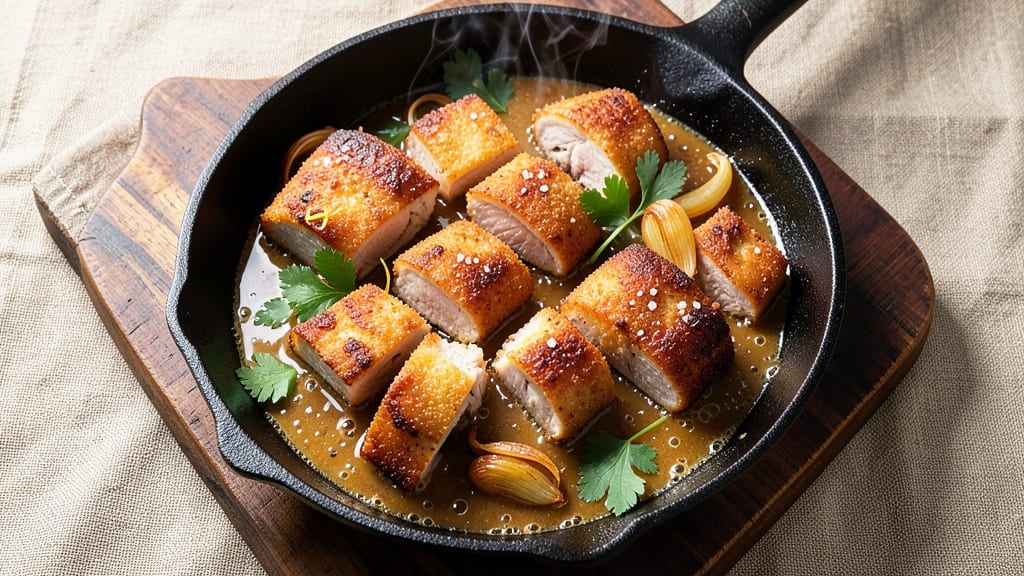
This chicken fried pork recipe delivers the perfect balance of crispy, golden-brown bites with a sweet, savory glaze that’ll remind you of Southern comfort food. The secret lies in a well-seasoned flour coating and precise frying—no soggy breading here.
I’ve perfected this technique over years of testing, ensuring every piece stays tender inside while achieving that coveted crunch.
The magic starts with a simple yet flavorful breading mix of flour, cornstarch, and spices, followed by a light frying in hot oil until golden. The sweet glaze ties everything together, adding a touch of caramelized richness that makes these bites irresistible.
This method transforms tough cuts of pork into melt-in-your-mouth perfection, making it a standout main course for any meal.
By the time you’re done, you’ll have a plate of crispy, glaze-coated pork that’s crispy on the outside and tender on the inside. The glaze caramelizes beautifully, creating a sticky-sweet finish that pairs perfectly with classic sides like mashed potatoes or a tangy gravy.
It’s the kind of dish that feels indulgent yet satisfies with every bite.
Whether you’re serving a family dinner or hosting a gathering, this recipe delivers restaurant-quality results at home. The technique is straightforward, and the flavors are undeniably comforting—just like Grandma used to make. Let’s get cooking!
Ingredients for chicken fried pork
Crispy pork, golden glaze, and Southern comfort flavors—just 14 ingredients for perfect bites.
| Ingredient | Amount | Notes |
|---|---|---|
| Pork Shoulder (Bone-In) 🐖 | 2 lb | Cut into 1-inch cubes |
| All-Purpose Flour 🌾 | 1 ½ cups | For breading, sifted |
| Cornstarch 🌾 | ½ cup | For extra crispiness |
| Granulated Sugar 🍚 | ¼ cup | For glaze sweetness |
| Light Brown Sugar 🍚 | ¼ cup | For caramelized glaze |
| Kosher Salt 🧂 | 1 ½ tsp | Diamond Crystal preferred |
| Ground Black Pepper 🌶️ | 1 tsp | Freshly cracked |
| Paprika 🌶️ | 1 tbsp | Smoked for depth |
| Garlic Powder 🧄 | 1 tsp | Freshly ground preferred |
| Onion Powder 🧅 | 1 tsp | For savory base |
| Vegetable Oil 🫒 | 3 cups | High smoke point |
| Buttermilk 🥛 | ½ cup | For tenderizing |
| Apple Cider Vinegar 🍎 | 1 tbsp | For tangy glaze |
| Honey 🍯 | 2 tbsp | For glaze richness |
The pork shoulder is your secret weapon here—bone-in stays juicier. Look for well-marbled cuts at the butcher counter or pre-cut pork shoulder at Costco or Kroger. Cutting it into even 1-inch cubes ensures consistent cooking. For the flour, Bob’s Red Mill or store-brand sifted flour works best—no lumps in your breading. The cornstarch is non-negotiable for that signature crunch. If you're short on time, Trader Joe's sells pre-cut pork shoulder cubes, saving you chopping work.
No buttermilk? Mix 0.5 cup milk with 0.5 tbsp vinegar and let sit 5 minutes. Running out of honey? Maple syrup works 1:1—just know it’ll be slightly more liquid. The spices can be adjusted: swap smoked paprika for regular if you prefer milder flavor. For the glaze, light corn syrup can replace half the brown sugar if you want extra stickiness. And if you're frying, peanut oil works too—just keep it hot enough to maintain that golden crust.
The pork cubes keep best in the fridge for 2 days before frying, but they're even better made fresh. The dry breading mix stays good for 1 week in an airtight container. For leftovers, store the glazed pork in a sealed container for 3-4 days—it reheats beautifully in a skillet with a splash of water. Freeze unbreaded cubes for 3 months if you want to prep ahead, but bread them fresh before frying for maximum crunch.
Why You'll Love This Recipe
- No-Fuss Flour Coat: I swear by that simple mix of all-purpose flour and cornstarch—it sticks to the pork like glue without needing fancy techniques. Just dredge, fry, and let the sugars caramelize while you toss a salad or set the table.
- Sweet-Savory Magic: That combo of granulated and brown sugar in the flour? It’s the secret weapon. The brown sugar gives a deep, buttery crust while the granulated keeps it crisp—like a cross between fried chicken and a sticky, satisfying bite.
- Leftovers That Shine: This dish actually improves the second day. The crust stays crispy when reheated (broiler or air fryer, no questions asked), and it’s perfect for sandwiches or fried rice. My freezer is packed with these because they’re that good.
- Budget Meal for Crowds: Bone-in pork shoulder stretches further than you’d think, and the ingredients cost pennies. Feed six people for under $15, and honestly? Nobody will guess it’s not some fancy restaurant dish. (Yes, even on a Tuesday night.)
Step-by-step instructions for Southern-style crispy pork bites
Here's how to transform tough pork shoulder into tender, golden bites with a sweet glaze—no shortcuts, just Southern perfection.
Prep and Tenderize the Pork
Start by cutting the 2 lb pork shoulder (bone-in) into 1-inch cubes. I like to use a sharp boning knife for clean cuts—this ensures even cooking later. Place the cubes in a large bowl and pour in the 0.5 cup buttermilk and 1 tbsp apple cider vinegar. Stir gently to coat, then cover and refrigerate for at least 2 hours (overnight works best). This marinade breaks down tough fibers, guaranteeing tender bites.
Here's the thing—don't skip this step. The acid in the vinegar and the buttermilk's enzymes work together to make the pork melt-in-your-mouth tender. If you're short on time, at least let it sit for 1 hour, but longer is always better.
Create the Breading Station
In a shallow bowl, whisk together the 1.5 cups all-purpose flour, 0.5 cup cornstarch, 1.5 tsp kosher salt, 1 tsp ground black pepper, 1 tbsp paprika, 1 tsp garlic powder, and 1 tsp onion powder. The cornstarch is key here—it creates that extra-crispy texture we're after. I use a whisk to break up any flour lumps, ensuring an even coating.
Set up three bowls: one for the buttermilk mixture, one for the dry breading, and one for the 3 cups vegetable oil (which should be 350°F in a deep skillet or Dutch oven). The oil needs to be hot enough that a wooden chopstick sizzles when dropped in—this is your crispy guarantee.
Fry to Golden Perfection
Remove the pork from the buttermilk and let any excess drip off (don't shake it off—this prevents the breading from sticking). Working in batches (don't overcrowd the pan), coat each piece thoroughly in the flour mixture, pressing gently to adhere. Slide them into the hot oil and fry for 4-5 minutes per side until deep golden brown and cooking internally to 160°F.
Real talk: this is where most people mess up. If you see the breading turning pale instead of golden, your oil isn't hot enough. Let it recover for a minute before adding more pork. Use a slotted spoon to transfer the fried pork to a paper towel-lined plate to drain excess oil.
Make the Sweet Glaze
While the pork rests, combine the 0.25 cup granulated sugar, 0.25 cup light brown sugar, and 2 tbsp honey in a small saucepan. Add 2 tbsp water and bring to a simmer over medium heat. Cook for 5-7 minutes, stirring occasionally, until the mixture thickens enough to coat the back of a spoon. The glaze should be syrupy but still pourable.
Here's the moment that matters: the sugars should caramelize slightly, giving that rich amber color and deep flavor. If it crystallizes, add another 1 tsp water and stir until smooth. Remove from heat and stir in 1 tbsp apple cider vinegar—this adds a bright tang that cuts through the sweetness.
Coat and Serve
Return the fried pork to the skillet (no need to clean it—the browned bits add flavor) and pour the glaze over the top. Toss gently to coat each piece evenly. Let it sit for 2-3 minutes so the glaze can cling and slightly caramelize. The pork should be 170°F internally at this point.
Serve immediately over mashed potatoes or with buttered biscuits to soak up that sweet glaze. Each bite should deliver crispy, golden breading that gives way to tender pork, followed by a burst of caramelized sweetness. If you're making this ahead, keep the pork and glaze separate until serving—reheating can make the breading soggy.
Pro Tips For Making Chicken Fried Pork
- TRUST THE BONE-IN: Pork shoulder with bone stays juicier—no need to fight dryness. If you’re tempted to trim it, don’t. The bone anchors flavor and moisture while you fry.
- VELVEET THE CRUST: Mix half the flour with all the cornstarch first, then fold in the rest. This keeps the coating light and crispy instead of gummy. (Yes, even if you’re impatient like me.)
- DON’T RUSH THE SEAR: Start in cold oil, then turn the heat to medium-high. Too-hot oil burns the sugar before the pork cooks through. Medium-high gives you golden crust without char.
- SWEAT THE SUGAR: Dissolve the granulated and brown sugar in a splash of water before adding to the flour mix. It caramelizes better and sticks to the pork, not the bowl. (I learned this the hard way—sugar clumps are a nightmare.)
Serving suggestions for leftovers
Classic Southern Sides
Nothing beats this crispy pork with creamy mashed potatoes—their buttery richness balances the sweet glaze perfectly. I make mine with 4 large Yukon Gold potatoes, boiled until tender, then mashed with ½ cup sour cream, 4 tbsp butter, and ½ tsp salt.
For extra indulgence, fold in 2 oz sharp cheddar cheese while warm. 🥔
Buttery biscuits are another must—store-bought works in a pinch, but homemade flaky biscuits elevate the dish. Use 2 cups all-purpose flour, 1 tbsp baking powder, 1 tbsp cold butter, and ⅔ cup buttermilk. Brush warm biscuits with melted butter before serving to soak up that sticky glaze.
Tangy Gravy Pairing
A red-eye gravy made from the pork drippings takes this dish to new heights. After frying, pour 1 cup chicken broth into the skillet and scrape up all the browned bits.
Whisk in 2 tbsp flour to thicken, then stir in 1 tbsp apple cider vinegar and ½ tsp smoked paprika. Simmer for 3-4 minutes until rich and velvety. 🍲
Fresh Vegetable Contrast
For a lighter option, serve with sautéed green beans tossed in 1 tbsp butter, ½ tsp garlic powder, and a pinch of kosher salt. The crisp-tender beans provide a fresh contrast to the rich pork.
Alternatively, roasted Brussels sprouts with balsamic glaze add a sophisticated touch—toss halved sprouts in 1 tbsp olive oil, roast at 400°F for 20 minutes, then drizzle with 1 tbsp balsamic reduction.
Dessert Finish
End the meal with a simple peach cobbler—its warm, spiced sweetness complements the pork’s caramelized notes.
Use 4 ripe peaches, sliced and arranged in a baking dish, topped with a crumble of ½ cup flour, ¼ cup brown sugar, ½ cup cold butter, and 1 tsp cinnamon. Bake at 375°F for 25 minutes until bubbly.
Serve warm with vanilla ice cream. 🍑
Drink Pairings
For a refreshing contrast, pour sweet tea—Southern-style with 2 tbsp sugar and a splash of lemon juice. The tartness cuts through the richness beautifully. For something stronger, a bourbon old-fashioned with 2 dashes orange bitters and a luxardo cherry adds depth.
If you prefer beer, a hoppy IPA like New Belgium Fat Tire cleanses the palate between bites.
Nutrition facts
Frequently asked questions
Can I use pork chops instead of pork shoulder for this recipe?
Pork chops work but require adjustments. Bone-in chops should be ½-inch thick and pounded to ¼-inch for even cooking. Skip the buttermilk marinade (it's unnecessary for thinner cuts) and fry at 375°F for 3-4 minutes per side until 145°F internal. The glaze will still work, but reduce cooking time by 2 minutes total.
Why does my breading turn soggy after frying?
Soggy breading happens when oil isn't hot enough or pork isn't fully cooked before glazing. Maintain 350°F oil (use a thermometer!) and cook pork to 160°F internal before glazing. Also, keep fried pork warm in a 200°F oven while making the glaze—never let it sit uncovered.
How can I make this recipe healthier?
Swap vegetable oil for avocado oil (healthier fats) and reduce sugar in the glaze by 25% (use 1.5 tbsp honey + 1 tbsp maple syrup). For lighter breading, mix 1 cup flour + 0.25 cup almond flour and bake at 400°F for 10 minutes after frying to crisp without extra oil.
What's the best way to reheat leftovers?
Reheat in a skillet over medium heat with 1 tbsp butter for 3-4 minutes, covered, to restore crispiness. Microwaving makes breading rubbery—avoid! For glazed pork, reheat separately and toss with fresh glaze (simmer 1 tbsp sugar + 1 tbsp water for 2 minutes) to revive stickiness.
Can I make this ahead of time for a party?
Prep the breading mix and glaze ingredients 1 day ahead. For the pork: bread and freeze unbreaded cubes (up to 3 months), then fry fresh before glazing. Keep glazed pork warm in a 200°F oven for up to 1 hour before serving. Assemble sides separately to maintain texture.