
Sauces & Condiments
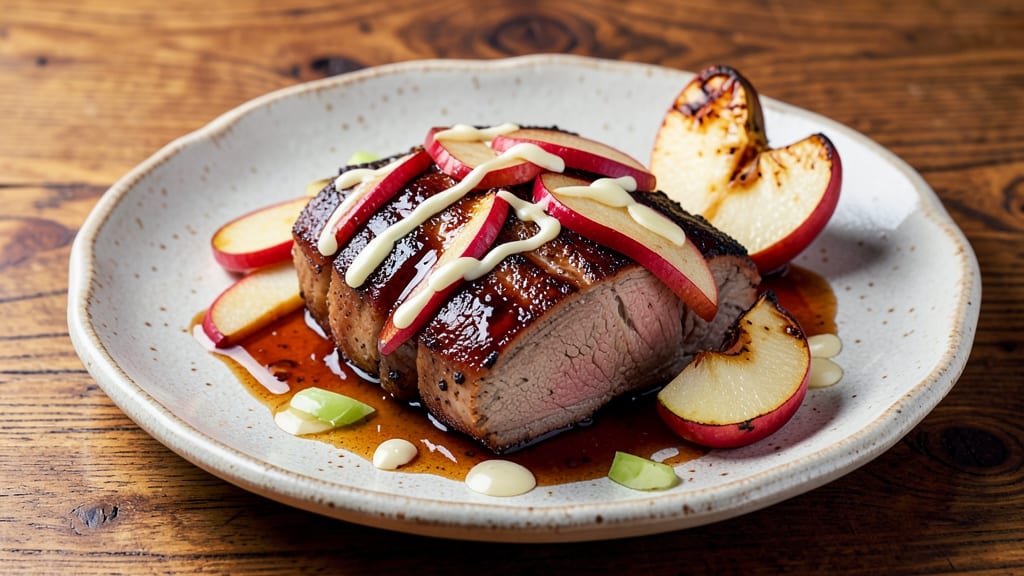
This apple glazed pork loin recipe transforms a simple roast into a showstopping centerpiece with caramelized apple crunch and a sticky-sweet glaze that rivals any restaurant dish. 🍎 The secret lies in balancing tender pork with the perfect glaze—where sharp apple meets smoky-sweet depth.
I developed this recipe after years of perfecting pork roasts, drawing from both my CIA training and the slow-cooked traditions of Georgia kitchens where pork was always the star.
The process starts with a foolproof marinade that tenderizes the pork while building flavor, followed by a roasting method that ensures juicy, melt-in-your-mouth meat. The glaze isn't just sweet—it's a complex blend of caramelized apples, warm spices, and a touch of tang that cuts through the richness.
What makes this recipe special is how it adapts to your cooking style: oven-roasted for hands-off perfection or grilled for smoky char.
By the time you serve it, you'll have restaurant-quality pork with a glossy glaze that crackles with caramelized apple pieces and clings beautifully to every bite.
The contrast of tender pork and crispy apple glaze makes this dish unforgettable—ideal for holiday feasts, family dinners, or when you want to impress without stress. The best part? Leftovers reheat beautifully, making it a meal that gives back.
For those who love customization, I'll share variations like adding bourbon to the glaze or swapping apples for pears—each twist keeps the dish fresh while maintaining that perfect balance of sweet, smoky, and savory. Let's get cooking—this pork loin will become your new go-to recipe.
Ingredients for apple glazed pork loin
Restaurant-quality pork starts with these 13 ingredients—where tender meat meets caramelized apple magic.
| Ingredient | Amount | Notes |
|---|---|---|
| Boneless Pork Loin Roast 🍖 | 2 lb | Center-cut for even cooking |
| Granny Smith Apples 🍎 | 2 medium | Peeled, sliced into 1/4-inch strips |
| Unsalted Butter 🧈 | ½ cup | Cold, cubed for roasting |
| Apple Cider Vinegar 🍏 | ¼ cup | For tangy depth in glaze |
| Pure Maple Syrup 🍯 | ¼ cup | Grade B for robust flavor |
| Fresh Ginger 🌿 | 1 tbsp | Finely grated, aromatic |
| Garlic Cloves 🧄 | 4 cloves | Minced, aromatic base |
| Dijon Mustard 🍯 | 1 tbsp | For glaze complexity |
| Smoked Paprika 🌶️ | 1 tsp | For smoky depth |
| Ground Black Pepper 🌶️ | ½ tsp | Freshly cracked |
| Kosher Salt 🧂 | 1 ½ tsp | Diamond Crystal preferred |
| Olive Oil 🫒 | 2 tbsp | For marinade |
| Fresh Thyme Leaves 🌿 | 2 tbsp | Chopped, aromatic |
The pork loin is your canvas—center-cut ensures tenderness, and 2 lbs serves four generously. Costco or butcher shops carry the best cuts; look for even marbling. Granny Smith apples bring sharpness that cuts through sweetness—organic if you can find them, but conventional works too. Fresh thyme and ginger are non-negotiable here; Trader Joe's sells great dried blends if you're in a pinch, but fresh elevates everything. For the glaze, Grade B maple syrup has that robust flavor you can't get from Grade A. Pro tip: Buy your apples a day ahead so they soften slightly for easier slicing.
No Granny Smiths? Honeycrisp or Fuji apples work beautifully—they caramelize faster but hold their shape. Running short on maple syrup? Honey plus a splash of apple cider vinegar mimics the tang. The butter must be cold when cubed—room temperature butter will melt into the meat prematurely. For extra smokiness, swap smoked paprika for liquid smoke at half the amount. The mustard is key—Dijon adds depth that regular yellow mustard lacks. Prefer a sweeter glaze? Add 1 tbsp brown sugar to the glaze mixture. And if you're grilling instead of roasting, double-check your grill grates are clean—the glaze needs to cling!
This pork reheats like a dream—15 minutes at 325°F with a splash of apple cider keeps it juicy. Store leftovers in the fridge for 4 days or freeze for 3 months. For make-ahead magic, prep the glaze ingredients the night before and marinate the pork for up to 12 hours. The glaze can be made 2 days ahead and reheated gently—just add a splash of water to loosen it. And here's a secret: the glaze tastes even better the next day once the flavors meld. Portion it into small jars for easy reheating—perfect for busy weeknights!
Why You'll Love This Recipe
- Foolproof Timing: The pork cooks while you prep—no hovering. I’ve made this while chatting with guests or watching a movie. Just sear the loin, toss in sliced apples and vinegar, then let the oven do the work. Twenty minutes later, you’re golden.
- Sweet-Savory Magic: That tangy apple cider vinegar cuts through the richness, while the maple syrup and butter make the glaze sticky in all the right ways. The Granny Smith apples add a sharp bite that keeps every bite interesting—no bland pork here.
- Weeknight to Holiday: Same recipe, different occasions. Serve it with roasted potatoes for a Tuesday dinner or pair it with mashed sweet potatoes for Thanksgiving. The glaze thickens beautifully, so it works for casual meals or when you’re trying to impress.
- Leftovers That Don’t Suck: Cold slices reheat perfectly for sandwiches or salads—better than takeout, honestly. And since pork loin is budget-friendly, you’re not breaking the bank for a meal that feels special. My kids even ask for it the next day.
Step-by-step instructions for apple glazed pork loin
Here's how to transform tender pork into a showstopper with caramelized apples and sticky glaze.
👨🍳 Step 1: Marinate the Pork for Maximum Flavor
In a bowl, combine the 2 tbsp olive oil, 1 tbsp Dijon mustard, 1 tbsp finely grated fresh ginger, 4 minced garlic cloves, 1 tsp smoked paprika, 0.5 tsp ground black pepper, and 1.5 tsp kosher salt. Whisk until fully emulsified - you're making the marinade that will infuse every bite.
Place the 2 lb boneless pork loin roast in a resealable bag and pour the marinade over it, massaging gently to coat all surfaces. Let it marinate in the refrigerator for at least 4 hours (overnight is even better). This step ensures the meat stays juicy and develops deep flavor throughout. Real talk: don't skip this - the difference is night and day.
🔥 Step 2: Sear the Pork for Crispy Perfection
Preheat your oven to 400°F. Remove the pork from the marinade (reserve the marinade) and pat it dry with paper towels. Heat a large oven-safe skillet over medium-high heat and add 0.25 cup unsalted butter, letting it melt and foam.
Sear the pork for 3-4 minutes per side until it develops a deep golden-brown crust. Here's the thing - you want that crust to form before it goes into the oven, or you'll end up with soggy skin. Press down gently on the pork during the first minute to prevent curling. Transfer the seared pork to a plate and tent loosely with foil.
🍳 Step 3: Prepare the Apple Glaze Mixture
In the same skillet (no need to clean it - those browned bits are flavor gold), add the 2 medium peeled Granny Smith apples sliced into ¼-inch strips. Cook for 5-6 minutes until they begin to soften and caramelize slightly. Add the reserved marinade and scrape up all those delicious browned bits from the bottom.
Pour in the 0.25 cup apple cider vinegar and 0.25 cup pure maple syrup, then stir in the 2 tbsp chopped fresh thyme leaves. Bring to a gentle simmer and let it reduce by about half (about 5 minutes). This creates the perfect balance of sweet, tangy, and aromatic glaze that will cling beautifully to the pork.
🥘 Step 4: Roast and Glaze to Golden Perfection
Return the skillet with the apple mixture to the oven and place the pork loin on top of the apples. Pour any accumulated juices from the plate over the pork. Roast for 25-30 minutes until the internal temperature reaches 145°F (use a meat thermometer for accuracy).
Here's where it gets magical: after 20 minutes, brush the pork with the apple mixture every 5 minutes to build layers of glaze. The apples should caramelize beautifully, creating that perfect crunch contrast with the tender pork. Watch for deep golden brown color on the pork - that's your signal it's nearly done.
⏰ Step 5: Rest and Serve with Stunning Presentation
Transfer the pork to a cutting board and tent loosely with foil. Let it rest for 10-15 minutes - this crucial step allows the juices to redistribute, ensuring every slice is moist and flavorful. Don't skip this (I learned the hard way).
Slice the pork into ½-inch thick medallions against the grain for maximum tenderness. Spoon the caramelized apple mixture over the top and serve immediately with the pan juices spooned around. The contrast of crispy caramelized apples with the sticky-sweet glaze over tender pork is what makes this dish truly special.
Pro Tips For Making Apple Glazed Pork Loin
- SEAR THE LOIN FIRST: Hit that pork loin with a screaming-hot pan before roasting—no, not just a quick sear. Press it down for 3-4 minutes per side until the crust is deep golden, almost caramelized. I used to skip this, and the glaze would just sit on top like sad syrup. The crust locks in flavor and keeps the meat from drying out when you baste with the apple mixture later.
- PEEL AND GRATE THOSE APPLES: Skip the chunks—peel and grate Granny Smiths fine, then squeeze out excess moisture with a clean towel. This turns your glaze into a silky, thick sauce instead of a watery mess. (Yes, it’s extra work, but trust me: the texture changes everything.)
- BASTE LIKE A BOSS: Don’t just dump the glaze over the pork once. Every 15 minutes, spoon that buttery apple mixture directly onto the meat, letting it sizzle and caramelize. I learned this the hard way—my first attempt had a dry top because I was lazy. The sizzle = flavor.
- USE THE VINEGAR EARLY: Mix the apple cider vinegar into the glaze before cooking, not as a last-minute drizzle. The acid tenderizes the pork as it roasts, cutting through the richness of the butter and maple. (And no, it doesn’t make the dish taste sour—it just balances the sweetness.)
Wine and beer pairings for this dish
Red Wine Classics
For this dish, I always reach for a Pinot Noir from Oregon—specifically a 2020 Domaine Serene—because its bright acidity and red fruit notes mirror the apple glaze beautifully. 🍷 The wine's earthy undertones complement the smoky paprika in the pork, while its medium body stands up to the richness without overwhelming the dish.
If you prefer something with slightly more structure, a Syrah from Washington State like Chateau Ste. Michelle adds a peppery kick that pairs wonderfully with the caramelized apples.
White Wine Alternatives
Don't overlook whites! A dry Riesling from Germany—like Dr. Loosen Blue Slate—brings a crisp, mineral finish that cuts through the sweetness of the glaze. The slight tartness in the wine enhances the apple cider vinegar in the sauce, creating a balanced harmony.
For something lighter, a Sauvignon Blanc from New Zealand, such as Kim Crawford, offers citrusy brightness that refreshes the palate between bites.
Beer Pairings
For beer lovers, a Belgian-style witbier like Hoegaarden is my go-to—its coriander and citrus notes play off the apple and thyme beautifully. 🍺 The effervescence also helps cleanse the palate between rich bites.
If you prefer something darker, a German Dunkelweizen with its caramel and clove notes mirrors the glaze's sweetness while adding a malty depth that contrasts the pork's savory notes.
Bourbon Infusion Twist
Want to elevate your pairing? Add 1 oz bourbon to the glaze during the final reduction—it deepens the flavor profile and pairs perfectly with a smoky mezcal cocktail.
For a non-alcoholic option, infuse the glaze with vanilla bean and pair it with a sparkling apple cider (like Martinelli's) for a festive touch. The vanilla enhances the caramel notes while keeping the dish family-friendly.
Seasonal Adaptations
In fall, I often serve this dish with a Cabernet Franc from Virginia—its lighter tannins and red berry flavors complement the harvest season. For summer, swap to a Rosé from Provence—its crisp acidity and strawberry notes create a refreshing contrast to the warm spices in the glaze.
The key is matching the wine's fruit profile to the apples while balancing the dish's sweet and savory elements.
Nutrition facts
Frequently asked questions
Can I substitute chicken or beef for pork loin in this recipe?
While you can adapt this technique to other meats, pork loin is ideal because of its natural tenderness and mild flavor that lets the apple glaze shine. For chicken breast, reduce cooking time to 15-18 minutes at 375°F and use a 325°F internal temp. For beef tenderloin, increase to 425°F for 20-25 minutes and aim for 130°F medium-rare. The glaze works best with leaner cuts—avoid fatty meats like ribeye that might overpower it.
How do I prevent the pork from drying out?
Three key tricks: Never skip the marinade (at least 4 hours, overnight is best), pat the pork dry before searing (moisture prevents crispy crust), and rest for 10-15 minutes before slicing. Use a meat thermometer—pork loin is safe at 145°F but remove it at 140°F to retain juices. For extra moisture, brush with reserved pan juices during the last 5 minutes of cooking.
What's the best way to reheat leftovers?
Slice leftovers into ½-inch medallions and reheat in a skillet over medium-low heat with a splash of apple cider and 1 tbsp butter for 3-4 minutes per side. For oven reheating, cover with foil and warm at 325°F for 10-12 minutes. Microwave only as a last resort—it makes the glaze rubbery. Pro tip: Reheat the glaze separately and drizzle over the pork when serving to restore that perfect caramelized texture.
Can I make this recipe on the grill instead of in the oven?
Grilling adds wonderful char while keeping the pork tender. Sear the pork over direct heat for 3-4 minutes per side, then move to indirect heat at 350°F for 20-25 minutes until 145°F internal temp. Brush with glaze every 5 minutes in the last 10 minutes. For extra smokiness, add ½ tsp chipotle powder to the marinade. Just ensure your grill grates are clean—the glaze needs to cling!
What if my glaze isn't thick enough?
Simmer the glaze uncovered for an extra 5 minutes to reduce it further. If it's still too thin, mix 1 tsp cornstarch with 1 tbsp water, stir into the glaze, and cook for 2 more minutes until it thickens. For a richer glaze, reduce the apple cider vinegar by 2 tbsp next time—it's the most volatile ingredient. The glaze should coat the back of a spoon but still be pourable. If it's too thick, thin with 1 tsp warm water.