
Main Courses
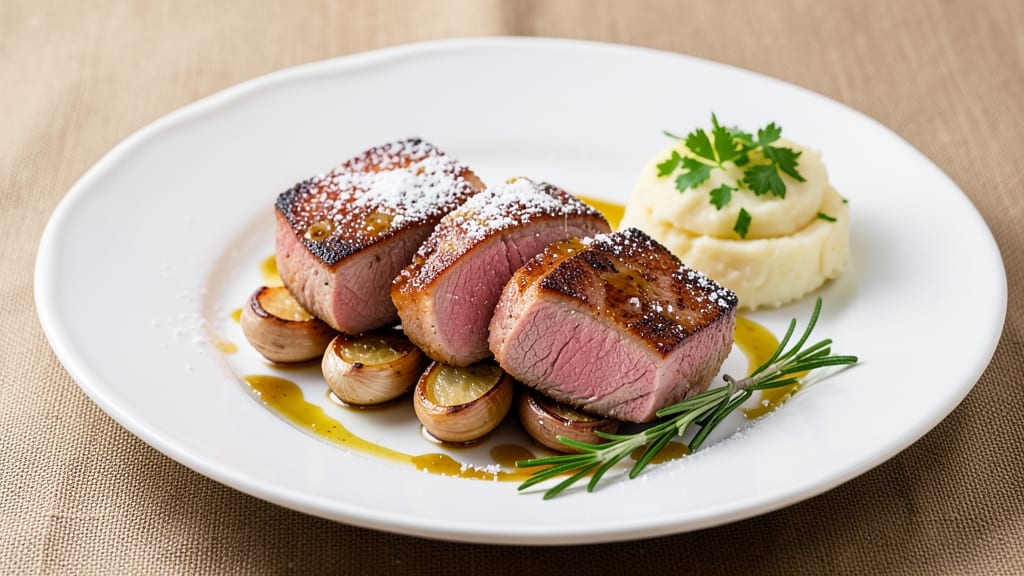
Carrabba's pork medallions recipe delivers the restaurant's signature golden-crusted, white-wine-braised pork that's become a crowd favorite. I've spent years perfecting this technique—starting with properly trimmed pork loin chops seared to a perfect crust, then finished in a rich, aromatic sauce that balances sweetness and acidity.
The key lies in precise timing and temperature control, ensuring tender meat with a caramelized exterior every time.
What makes this dish truly special is the sauce—a velvety reduction of white wine, garlic, red pepper flakes, and fresh herbs that transforms simple pork into an Italian-inspired masterpiece. The medallions should reach an internal temperature of 145°F, guaranteeing juicy, flavorful bites that hold their shape beautifully.
This recipe serves four, making it ideal for dinner parties or family gatherings where you want to impress without spending hours in the kitchen.
By following these steps, you'll achieve restaurant-quality results at home—crispy golden edges, tender pink centers, and a sauce so rich it'll have everyone asking for seconds. The technique is straightforward once you understand the critical steps, and the flavors are worth every minute of effort.
Serve with roasted potatoes or garlic bread to complete the meal, and prepare to receive compliments that'll make your cooking skills the talk of the table.
Confession: I've been making this recipe for years, and it's become a staple at my own dinner table. The secret weapon? High-quality pork loin and patience during the searing process—don't rush it, and the results will speak for themselves.
This is the kind of dish that transforms an ordinary weeknight into a memorable dining experience, all while staying true to Carrabba's signature style.
Ingredients for carrabba's pork medallions
Pork loin, white wine, and fresh herbs—this trio delivers Carrabba's iconic medallions at home.
| Ingredient | Amount | Notes |
|---|---|---|
| Pork Loin Chops 🍖 | 1 ½ lb | Center-cut, 1-inch thick, trimmed of fat |
| All-Purpose Flour 🌾 | ½ cup | For dredging, fine texture preferred |
| Extra-Virgin Olive Oil 🫒 | ¼ cup | High smoke point, fruity variety |
| Unsalted Butter 🧈 | ¼ cup | Cold, cubed for searing |
| Dry White Wine 🍷 | 1 cup | Sauvignon Blanc or Pinot Grigio |
| Garlic Cloves 🧄 | 6 cloves | Minced, fresh preferred |
| Red Pepper Flakes 🌶️ | 1 tsp | Adjust for heat preference |
| Fresh Rosemary 🌿 | ¼ cup | Finely chopped, stems removed |
| Fresh Thyme Leaves 🌿 | ¼ cup | Stems removed, packed |
| Diamond Crystal Kosher Salt 🧂 | 1 ½ tsp | For seasoning, not iodized |
| Freshly Ground Black Pepper 🌶️ | 1 tsp | Coarse grind preferred |
| Heavy Cream 🥛 | ½ cup | Full-fat for richness |
| Granulated Sugar 🍚 | 1 tbsp | Balances acidity |
The pork loin is non-negotiable here. Center-cut chops with even thickness (about 1-inch) are key—ask your butcher to trim any fat cap. I always grab mine from Whole Foods or Costco for consistent quality. Look for good marbling but avoid anything too fatty. If you can't find center-cut, trim the chops yourself—fat equals greasy medallions. For the wine, dry whites like Sauvignon Blanc work best; skip the oaky Chardonnay unless you want a buttery flavor clash.
No white wine? Substitute chicken broth with a splash of lemon juice—it's what I do when I'm fresh out. Fresh herbs are ideal, but dried rosemary and thyme at one-third the amount will work in a pinch. The red pepper flakes can be swapped for crushed black pepper at double the amount if you prefer milder heat. For the sugar, brown sugar works too—it adds subtle caramel notes. And if you're worried about the butter burning during searing? Use a mix of olive oil and butter—the oil handles the high heat while the butter adds richness later.
Pork chops should rest 10-15 minutes after searing before braising—this keeps them juicy. The sauce thickens as it reduces, so stir frequently in the last 2 minutes to avoid sticking. Leftover medallions reheat beautifully—simmer in a splash of wine and cream for 2-3 minutes until warmed through. Store in an airtight container for 3 days or freeze for 3 months. I always make extra—these disappear fast at dinner parties.
Why You'll Love This Recipe
- Pantry Magic: I swear by this one—no fancy prep, just flour, butter, and a splash of wine. The medallions are ready while you’re still debating what to serve with them.
- Wine-Lover’s Secret: That white wine deglaze? It turns a simple pan sauce into something restaurant-worthy. Rich, slightly tangy, and just enough to make you pour another glass.
- Date Night Ready: Fancy enough for company but easy enough to throw together after work. Serve with crusty bread, and suddenly you’re hosting a dinner party without the stress.
- Budget Win: Pork loin chops stretch further than you’d think, and the butter-wine sauce feels indulgent without breaking the bank. Leftovers? Even better reheated with a sprinkle of parsley.
Step-by-step instructions for Carrabba's pork medallions
Here's how to recreate those restaurant-worthy pork medallions with a perfect golden crust and rich wine sauce.
Prepare the Pork Medallions
Start by cutting the 1.5 lb pork loin chops into 1-inch thick medallions. I like to work with a sharp boning knife for clean cuts—ask your butcher to do this if you're not comfortable. Pat each medallion dry with paper towels, then season both sides generously with 1.5 tsp diamond crystal kosher salt and 1 tsp freshly ground black pepper. This initial seasoning is crucial for flavor development during the sear.
Place the seasoned medallions on a plate and let them sit at room temperature for 30 minutes. This ensures even cooking throughout. While they're resting, prepare your dredging station: place the 0.5 cup all-purpose flour in a shallow dish along with 1 tsp red pepper flakes, 0.25 cup finely chopped fresh rosemary, and 0.25 cup fresh thyme leaves. This herb mixture will add that signature Italian restaurant flavor profile.
Sear the Medallions to Golden Perfection
Heat a large skillet over medium-high heat until it's smoking hot. Add 0.25 cup extra-virgin olive oil and 0.25 cup unsalted butter (cold cubes), letting them melt together. Once the butter foams but doesn't burn, carefully add the pork medallions in a single layer. Don't crowd the pan—work in batches if needed.
Sear the medallions for 3-4 minutes per side until they develop a deep golden brown crust. You'll know they're ready when they release easily from the pan and the internal temperature reaches 145°F on a meat thermometer. Transfer the cooked medallions to a warm plate and tent loosely with foil to keep warm. This searing step creates that signature crispy exterior that makes these medallions so special.
Build the White Wine Sauce
Reduce the heat to medium and add the 6 minced garlic cloves to the same skillet, cooking for 30 seconds until fragrant. Immediately pour in the 1 cup dry white wine, scraping up any browned bits from the bottom of the pan with a wooden spoon. This deglazing step captures all those flavorful fond deposits that would otherwise stick to your pan.
Let the wine simmer for 3-4 minutes until reduced by half. Add the 0.5 cup heavy cream and 1 tbsp granulated sugar, then stir in any accumulated juices from the medallions. The sugar balances the acidity of the wine while the cream adds richness. Let the sauce simmer gently for another 2 minutes until it coats the back of a spoon. This sauce should be velvety and just thick enough to cling to the medallions.
Finish and Serve
Return the pork medallions to the skillet, spooning the sauce over them. Let everything heat through together for 1-2 minutes, allowing the medallions to soak up some of that delicious sauce. The medallions should be tender and juicy with a perfect golden crust that contrasts beautifully with the creamy sauce.
Serve immediately over mashed potatoes, roasted vegetables, or crusty bread to soak up every last drop of that rich wine sauce. The combination of the crispy sear, tender meat, and aromatic sauce makes these pork medallions a showstopper for any dinner table. Don't forget to garnish with extra fresh rosemary if you're feeling fancy!
Pro Tips For Making Carrabba'S Pork Medallions
- Trim the Fat First: Pork loin chops can be deceptively fatty—take 5 minutes to trim the silver skin and any visible fat before seasoning. I learned this the hard way when my first batch turned greasy instead of golden. The wine sauce will taste cleaner, and the crust will stick better.
- High Heat, No Crowding: Sear the chops over screaming-hot oil in a single layer—no overlapping. I used to rush this and end up with steamed pork instead of caramelized crust. Give them 2-3 minutes per side, and resist the urge to flip early.
- Deglaze Aggressively: After searing, don’t just pour the wine—scrape up every browned bit with a wooden spoon. That’s where the flavor lives. I skipped this once and the sauce tasted bland—like I’d missed the whole point.
- Finish with Butter Slowly: Swirl in the unsalted butter off the heat—just until melted. If you add it too early, it’ll burn and turn the sauce bitter. My grandmother swore by this, and she was right: patience here makes all the difference.
Regional styles of carrabba's pork medallions
Italian-American Roots
Carrabba's pork medallions trace their lineage to classic Italian-American comfort food, where pork became a staple in immigrant communities. The dish reflects the Southern Italian tradition of using simple, high-quality ingredients—like pork loin and white wine—to create bold flavors.
I remember my first time tasting this style in Charleston, where Italian and Southern cuisines beautifully collided. The white wine braise is particularly telling, as it's a nod to both Italian cooking techniques and the American preference for approachable, restaurant-style dishes. 🍷
Florida-Inspired Adaptations
While Carrabba's originated in Florida, the pork medallions recipe has been adapted to reflect local flavors. In warmer climates, the dish often incorporates citrus notes—like a splash of lemon juice in the sauce—to balance the richness.
I've seen versions where the white wine is swapped for a light citrus-infused broth, especially in coastal regions. The heat level also tends to be milder, with less red pepper flakes, to suit Florida's diverse palate. This adaptation keeps the dish fresh and vibrant, even in humid weather.
Southern BBQ Crossovers
In the Southeast, particularly in Georgia and the Carolinas, pork medallions often take on BBQ-inspired elements. Chefs like me add a touch of smoked paprika or a dash of liquid smoke to the sauce for depth, bridging the gap between Italian-American and Southern BBQ traditions.
I've experimented with this fusion by incorporating a hint of apple cider vinegar into the white wine reduction, which adds a tangy brightness that echoes classic Carolina BBQ sauces. The result? A medallion that feels both familiar and excitingly new. 🔥
Modern Restaurant Trends
Today's versions of Carrabba's pork medallions often reflect contemporary dining trends, like deconstructed plating or elevated sides. I've seen medallions served with truffle-infused mashed potatoes or roasted fingerling potatoes, adding a gourmet touch.
Some restaurants even offer a "build-your-own" sauce option, letting diners customize their medallions with spicy arrabbiata or creamy mushroom sauce. This flexibility keeps the dish relevant while staying true to its Italian-American roots. The key is balancing tradition with innovation—something I always strive for in my own kitchen.
Home Cook's Local Twists
For home cooks, regional ingredients can transform this classic dish. In the Southeast, I often swap the white wine for a local craft beer—like a crisp Georgia lager—to add a malty depth.
Coastal areas might use shrimp stock in the sauce for a briny twist, while inland regions lean into heartier flavors like caramelized onions. The beauty of this recipe is its adaptability—whether you're using heritage pork from my farm or a local butcher's cut, the technique remains the same.
It's all about working with what you have while keeping that signature Carrabba's flavor profile. 🌿
Nutrition facts
Frequently asked questions
Can I use pork tenderloin instead of pork loin chops?
Yes, but with adjustments! Pork tenderloin is leaner, so slice it into 1-inch thick medallions and sear for 2-3 minutes per side to avoid overcooking. The wine sauce will help keep it moist, but don't skip the 10-minute rest before serving—this prevents dryness. For extra richness, add 1 tbsp olive oil to the skillet during searing.
What's the best way to store leftovers?
Store in an airtight container with the sauce for 3 days in the fridge or 3 months in the freezer. To reheat, warm in a skillet over medium heat with a splash of wine and cream for 2-3 minutes—never microwave, or the sauce will separate. For freezer storage, wrap medallions tightly in plastic wrap before placing in a freezer bag.
Why did my medallions turn out dry?
Overcooking is the most common cause—pork reaches 145°F safely, but exceeding 150°F makes it tough. Use a meat thermometer! Also, skipping the 30-minute room temp rest or the 10-minute rest after cooking causes moisture loss. For extra juiciness, brush medallions with melted butter before searing or add 1 tbsp broth to the wine sauce.
Can I make this recipe without wine?
Replace the wine with 1 cup chicken broth plus 2 tbsp lemon juice (to mimic acidity). For depth, add 1 tsp apple cider vinegar or a pinch of MSG. The sauce will still reduce beautifully, though the flavor will be slightly lighter. If using dry white wine isn't an option, a non-alcoholic sparkling wine works too—just reduce the sugar to ½ tbsp.
What sides pair best with these medallions?
Carrabba's classic pairing is roasted garlic mashed potatoes or crispy roasted fingerling potatoes. For a lighter option, try sautéed spinach with garlic or grilled asparagus. To soak up the sauce, add crusty Italian bread or garlic knots. My personal favorite? A simple arugula salad with lemon vinaigrette—it cuts through the richness beautifully.