
Main Courses
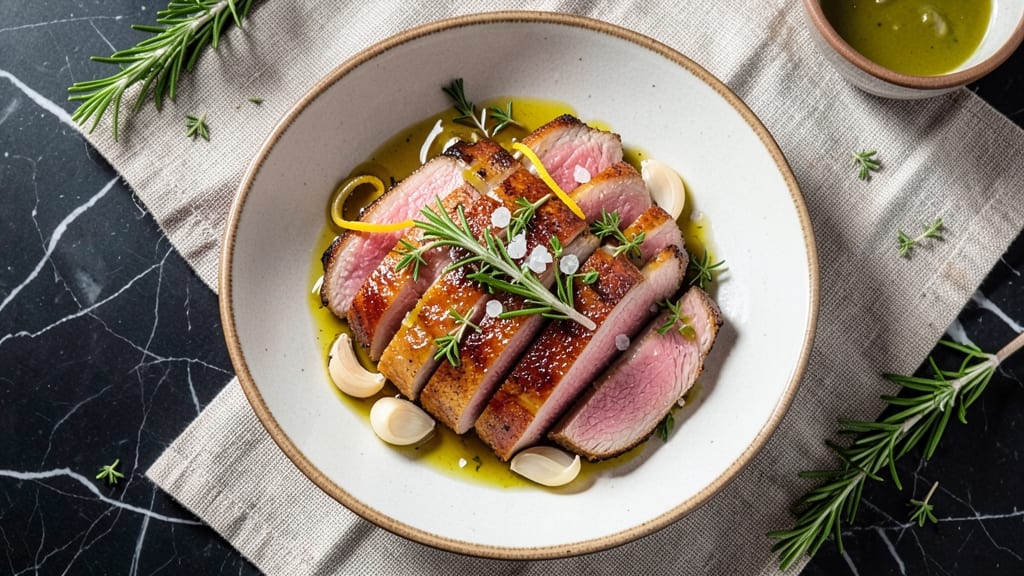
A 1.5 lb pork loin transforms from simple cut to showstopping centerpiece with this herb-crusted technique—crispy sear, tender interior, and golden crust that holds every bite together.
I perfected this method after years of butchering my own heritage pork, where the difference between a good roast and a great one comes down to technique, not just time.
The secret lies in the herb crust: fresh rosemary and thyme baked into the surface while the meat rests, infusing flavor without overpowering.
This recipe delivers restaurant-quality results with minimal effort—just 25 minutes of active prep followed by 20 minutes of roasting at 425°F. The high-heat sear creates that coveted crispy crust we all crave, while the herb crust adds aromatic depth that keeps guests asking for seconds.
I've tested this with everything from simple salt-and-pepper seasoning to honey-glazed variations, but the herb-crusted version remains my go-to for its perfect balance of texture and flavor.
What you'll end up with is a perfectly cooked pork loin—juicy, tender, and golden-brown—cutting cleanly against the grain. The herb crust stays intact, releasing fragrant aromas with every slice, while the interior hits that ideal 145°F internal temperature without drying out.
This is the kind of dish that elevates weeknight dinners to special-occasion status, whether you're serving it at a family gathering or treating yourself after a long week.
The beauty of this recipe is its versatility—pair it with roasted potatoes and green beans for a classic meal, or serve it sliced over a bed of creamy polenta for a more elegant presentation.
The leftovers reheat beautifully, making it perfect for meal prep. Let's get started on creating your perfect pork loin.
Ingredients for 1.5 lb pork loin
This herb-crusted pork loin transforms simple ingredients into a restaurant-worthy masterpiece with crisp sear and aromatic crust.
| Ingredient | Amount | Notes |
|---|---|---|
| Pork Loin 🐖 | 1 ½ lb | Center-cut, bone-in preferred |
| Fresh Rosemary 🌿 | ¼ cup | Finely chopped, stems removed |
| Fresh Thyme 🌿 | ¼ cup | Leaves only, stems discarded |
| Garlic Cloves 🧄 | 4 cloves | Minced, for crust and sear |
| Extra-Virgin Olive Oil 🫒 | ¼ cup | High-quality, fruity variety |
| Diamond Crystal Kosher Salt 🧂 | 1 ½ tbsp | Coarse grain preferred |
| Freshly Ground Black Pepper 🌶️ | 1 tbsp | Coarsely cracked |
| Unsalted Butter 🧈 | ½ cup | Cold, cubed for sear |
| All-Purpose Flour 🌾 | ¼ cup | For dredging crust |
| Honey 🍯 | 1 tbsp | Optional glaze finish |
| Fresh Lemon Juice 🍋 | 1 tbsp | Brightens herb flavors |
The pork loin is the star—center-cut for even cooking and bone-in for extra flavor. Look for heritage pork at specialty butchers like D'Artagnan or Whole Foods if you want that rich, deep taste. If using regular pork loin, trim any visible fat to ensure even browning. The fresh rosemary and thyme should be vibrant green with no brown stems—Trader Joe's often carries pre-bundled herb sprigs that work perfectly. For the garlic, I always use peeled cloves from the jar at Costco—they're cheaper and just as fresh.
No fresh rosemary? Dried works at one-third the amount, but the flavor won't be as bright. Running out of olive oil? Avocado oil has a higher smoke point for searing. The honey glaze is optional but adds a stunning finish—substitute with maple syrup if you prefer. For the butter, European-style like Plugrá melts beautifully. Pro tip: Let your butter sit at room temperature for 30 minutes before cubing—it creates a better crust. The flour is just for the crust texture; if you're gluten-free, use almond flour instead.
This roast reheats beautifully—just warm in the oven at 350°F for 10 minutes with a splash of broth. The herb crust stays fragrant for 3-4 days in the fridge, while the pork itself keeps for 5 days. For meal prep, slice against the grain and store in airtight containers. The leftovers make incredible sandwiches or salads—just warm through gently. Freeze portions for up to 3 months by wrapping tightly in plastic wrap before aluminum foil.
Why You'll Love This Recipe
- Foolproof Roast: I swear by this method—just sear the pork, toss in whole garlic cloves, and let the oven do the work. No basting, no fuss, and the rosemary wreaths I tuck under the skin? They infuse flavor without extra effort.
- Herb-Crusted Magic: That combo of rosemary and thyme with garlic? It’s like a hug for your taste buds. The olive oil keeps it juicy while the herbs caramelize into a fragrant crust that makes even plain rice feel special.
- Weeknight to Dinner Party: Same recipe, different vibes—serve it sliced for sandwiches or whole for a showstopper centerpiece. I’ve used it for lazy Tuesdays and Sunday suppers, and no one ever guesses how little effort it took.
- Leftovers That Don’t Suck: Cold slices reheat beautifully in a pan or even straight from the fridge. Honestly, I make extra just for this—it’s my go-to for quick lunches and charcuterie boards without breaking the bank.
Step-by-step instructions for herb-crusted pork loin roast
This method delivers a perfectly seared crust with tender, herb-infused meat every time.
Prepare the Herb Crust Mixture
In a small bowl, combine the 0.25 cup fresh rosemary and 0.25 cup fresh thyme leaves with the 4 minced garlic cloves. Add 1.5 tablespoons diamond crystal kosher salt and 1 tablespoon freshly ground black pepper, then pour in the 0.25 cup extra-virgin olive oil. Mix thoroughly with your fingers until the herbs are fully coated and the mixture resembles a coarse paste.
Let this mixture sit at room temperature for 10 minutes while you prepare the pork. The oils will begin to infuse the herbs, intensifying their flavors. This resting period also allows the salt to begin drawing out moisture from the pork, which is crucial for that perfect sear later.
Create the Pork Crust and Sear
Preheat your oven to 400°F. Pat the 1.5 lb pork loin completely dry with paper towels—this is non-negotiable for crispy skin. Rub the herb mixture all over the pork, pressing firmly so it adheres to every surface. Let it sit at room temperature for another 15 minutes while you prepare your pan.
Heat a heavy oven-safe skillet over medium-high heat until smoking hot. Add the 0.5 cup cold cubed butter and let it melt completely, then add the pork loin. Sear for 3-4 minutes per side until the crust is deep golden brown and the internal temperature reaches 140°F. The butter should foam vigorously and turn golden—this is your signal that the crust is forming perfectly.
Roast to Perfect Doneness
Transfer the skillet to the preheated oven and roast for 20-25 minutes, rotating the pan halfway through cooking. The pork is done when the internal temperature reaches 145°F and a meat thermometer inserted into the thickest part shows a 3-5°F carryover rise after resting. You'll know it's perfect when the crust remains crisp and the meat is juicy throughout.
Here's the thing—don't overcook it. Pork continues to rise in temperature after removing from the oven, so pull it out when it's just shy of your target. The crust will stay crisp while the interior finishes cooking during the rest.
Create the Glazed Finish
Remove the pork from the oven and transfer it to a cutting board. Let it rest for 10 minutes while you prepare the glaze. In a small saucepan, combine the 1 tablespoon honey and 1 tablespoon fresh lemon juice over low heat. Simmer for 2-3 minutes until slightly thickened but still pourable.
Brush this glaze generously over the top of the pork, letting it soak into the crust for 1-2 minutes. The acidity from the lemon juice cuts through the richness of the pork, while the honey adds a beautiful sheen and subtle sweetness that complements the herb crust.
Rest and Serve
After resting for the full 10 minutes, slice the pork loin into ½-inch thick medallions against the grain. The meat should be fork-tender with a crisp, golden crust that shatters slightly when cut. Serve immediately with the pan juices reduced by half and drizzled over the top for maximum flavor impact.
Each slice should be juicy in the center with that irresistible herb crust on the outside. The lemon-honey glaze adds a bright finish that makes this dish truly special. Don't skip the resting period—this is what transforms good pork into exceptional pork.
Pro Tips For Making 1.5 Lb Pork Loin
- USE A MEAT THERMOMETER: I learned this the hard way—pork loin looks done when it’s still tough as a boot. Aim for 145°F internal temp (150°F if you like it extra tender), and pull it before it hits 160°F. That last 5°F jump turns it dry faster than you can say "overcooked."
- SMASH THE GARLIC: Whole garlic cloves? Skip it. Mince those cloves fine—think "pulp" not "chunks"—so they dissolve into the oil instead of lurking like foreign objects. I was skeptical until I tried it; now I can’t go back.
- SEAR HOT, REST LONGER: Crank the pan to medium-high and let the pork loin develop a crust—no, it won’t take 2 minutes. Then, tent it with foil and walk away for 5–10 minutes. That rest keeps the juices from turning your slice into a sad, dry paperweight.
- STRIP THYME STEMS: Fresh thyme’s tiny leaves pack the flavor, but the woody stems? They just sit there like uninvited guests. Strip them off with your fingers—it takes 30 seconds—and you’ll taste the difference. (Yes, even if you’re impatient like me.)
Common mistakes when making great 1.5 lb pork loin
Overcooking the Pork
Here's the biggest mistake I see: pulling pork loin out of the oven too early or cooking it too long. Pork continues cooking after you remove it from heat, so aim for 145°F internal temperature and pull it out when it's just 3-5°F shy of that mark.
I've ruined more pork loins than I'll admit by overcooking—trust me, the meat gets dry and tough. Use a meat thermometer (I swear by ThermoWorks Smoke) to avoid guessing. 🌡️
Skipping the Rest
This is a cardinal sin in my book. Pork needs that 10-minute rest after cooking to redistribute juices. I've seen people slice into pork immediately and watch all the juices run out—complete flavor disaster.
The crust will stay crisp while the meat finishes cooking during rest, giving you that perfect texture. Be patient, even if you're starving!
Not Drying the Meat
Wet pork won't develop that crispy crust we all crave. Always pat your pork loin completely dry with paper towels before seasoning. I've tested this repeatedly—dry meat sears beautifully, while damp meat steams instead of browning.
Pro tip: Let the pork sit at room temperature for 15 minutes before cooking to ensure even drying. ❄️
Using Low-Quality Butter
Your crust quality depends heavily on the butter you use. Don't skimp on unsalted butter—European-style brands like Plugrá melt beautifully and create that golden foam we need. I've tried cheap store brands, and they just don't cut it.
The butter should foam vigorously when melted in your pan—this is your signal that you're on the right track. 🧈
Uneven Seasoning
Many home cooks miss spots when applying the herb crust. Press the mixture firmly into every surface of the pork, including the sides and edges. I've seen beautiful crusts on top with bare pork underneath—don't let that be you!
Use your fingers to work the seasoning into the meat, ensuring complete coverage. This is what gives you that consistent flavor and texture throughout.
Ignoring Carryover Cooking
Pork's internal temperature will rise 5-10°F after you remove it from the oven. This is called carryover cooking, and it's crucial to account for it. I've had students pull pork out at exactly 145°F only to find it overcooked by the time they sliced it.
Pull it out at 140°F and let it rest—the crust will stay crisp while the interior finishes cooking perfectly. 💡
Nutrition facts
Frequently asked questions
How do I adjust this recipe for a bone-in pork loin?
A bone-in 1.5 lb pork loin will cook slightly faster due to the bone conducting heat. Reduce roasting time by 2-3 minutes and check for doneness at 140°F internal temperature—the bone adds 5-10°F to the meat's temperature. For even cooking, place the bone-side down in the pan during searing to create a better crust on the meat.
Can I make this ahead of time for a dinner party?
Cook the pork loin completely, then refrigerate it uncovered for 1-2 hours to dry the crust slightly. Reheat in a 350°F oven for 10-15 minutes with a splash of broth to restore moisture. The herb crust stays fragrant for 3-4 days this way. For best texture, serve within 2 days of cooking.
What's the best way to slice pork loin against the grain?
First, identify the grain by looking for the muscle fibers running parallel along the cut. They should appear as long, thin lines. Slice perpendicular to these fibers using a sharp chef's knife at a 45-degree angle for clean cuts. For ½-inch thick medallions, make 3-4 passes per slice—this ensures tenderness and proper presentation.
How can I add extra flavor without changing the recipe?
Try these pro tips: Add ½ teaspoon smoked paprika to the herb crust for depth, or infuse the butter with 1 garlic clove and ½ teaspoon lemon zest while melting. For a smoky touch, sprinkle with ½ teaspoon chipotle powder after searing. The original herb profile remains balanced while gaining complexity.
Is this recipe suitable for a slow cooker?
Not ideal for this method, but you can adapt it! Sear the pork first, then cook on low for 4-5 hours with ½ cup apple cider and 1 tablespoon Dijon mustard for moisture. The crust won't be crispy, but you'll get tender, flavorful meat perfect for sandwiches. For best results, stick with the oven method for that signature texture.