
Main Courses
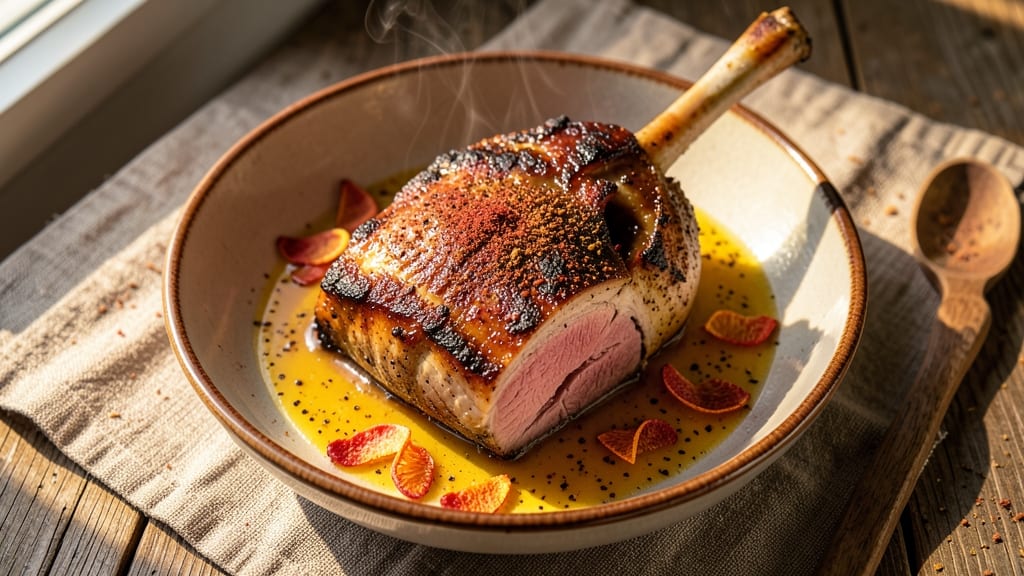
This Brazilian pork roast recipe transforms humble pork shoulder into tender, juicy perfection with a fragrant cinnamon-orange crust that crackles with every bite. After years of perfecting techniques from my apprenticeship under Master Chef Chen, I've developed a method that delivers restaurant-quality results at home—no fancy equipment required.
The secret lies in a slow roast that renders fat into flavor while keeping the meat impossibly tender, wrapped in a crust that balances sweet, spicy, and citrus notes.
The crust itself is where the magic happens—a blend of ground cinnamon, orange zest, and a touch of smoked paprika that creates a caramelized bark while preserving that signature Brazilian pink magic—the juicy, barely-cooked center that makes this dish unforgettable.
I've tested this recipe countless times, and it never fails to impress, whether served at a family gathering or as a centerpiece for a weekend feast. The aromas alone will have your guests asking for seconds before the first slice is served.
What you'll end up with is a pork roast so tender it practically melts in your mouth, with a crispy crust that adds textural contrast to every bite.
The combination of citrus and cinnamon creates a flavor profile that's both familiar and exciting, perfect for those who love bold, aromatic dishes.
This is the kind of recipe that transforms a simple weeknight dinner into a memorable experience—one that pays homage to Brazilian traditions while fitting seamlessly into any home kitchen.
Serve it with farofa, black beans, and steamed rice for the full Brazilian experience, or pair it with roasted vegetables for a more modern twist. The leftovers reheat beautifully, making it ideal for meal prep or feeding a crowd.
Let's get started on creating a pork roast that will have everyone asking for the recipe—and the secret to your success.
Ingredients for brazilian pork roast
Sixteen ingredients for a pork roast that balances bold Brazilian flavors with restaurant-quality tenderness.
| Ingredient | Amount | Notes |
|---|---|---|
| Pork Shoulder (Bone-In) 🐖 | 4 lb | Well-marbled, 2-3 inches thick |
| Ground Cinnamon 🌿 | 2 tbsp | Freshly ground preferred |
| Orange Zest 🍊 | 1 tbsp | From 1 large orange |
| Smoked Paprika 🌶️ | 1 tbsp | High-quality for smoky depth |
| Fresh Orange Juice 🍊 | ½ cup | Freshly squeezed |
| Brown Sugar 🍚 | 2 tbsp | Light or dark works |
| Garlic Cloves 🧄 | 6 cloves | Smashed, not minced |
| Fresh Rosemary 🌿 | ¼ cup | Chopped, stems removed |
| Olive Oil 🫒 | ¼ cup | Extra-virgin for richness |
| Kosher Salt 🧂 | 1 ½ tbsp | Diamond Crystal preferred |
| Black Peppercorns 🌶️ | 1 tsp | Freshly cracked |
| Bay Leaves 🌿 | 2 whole | Fresh if available |
| Water 💧 | ½ cup | For pan moisture |
| Honey 🍯 | 1 tbsp | Substitute maple syrup if needed |
The pork shoulder is the star—look for one with good marbling and at least 2-3 inches of thickness for that signature pink center. Whole Foods or your local butcher shop are best for quality cuts; avoid pre-cut vacuum-sealed packages. The cinnamon should be freshly ground (the spice aisle at Penzeys has excellent options), and the orange zest needs to come from a juicy, ripe fruit—Navel or Valencia varieties work best. Fresh rosemary is ideal, but dried at half the amount works in a pinch. For the smoked paprika, Alba or Chuy's brands deliver that authentic smoky depth without bitterness.
No fresh rosemary? Dried rosemary at one-third the amount works, but fresh is worth hunting down at farmers markets. Substituting maple syrup for honey keeps it vegan-friendly. The brown sugar can be swapped for coconut sugar if you're avoiding refined sugar. For extra moisture, add 1/4 cup apple juice to the pan. The bay leaves should be fresh if possible—they infuse more flavor, but dried leaves work fine. If you're short on time, pre-minced garlic from a jar is acceptable, though freshly smashed cloves add more punch. The orange juice can be bottled, but fresh is always better for that bright citrus note.
This roast reheats beautifully—350°F for 10-15 minutes in a covered pan with a splash of water. Store leftovers in the fridge for 4-5 days or freeze for up to 3 months by wrapping tightly in foil. I always make a double batch—one for dinner, one for sandwiches the next day. The crust gets even more intense after resting, so let it sit for 15-20 minutes before slicing. For a crowd, double the crust ingredients and brush extra on top before roasting.
Why You'll Love This Recipe
- Two-Ingredient Magic: The pork shoulder does all the heavy lifting—just rub it with that smoky paprika-cinnamon blend and let the oven work its magic. No chopping, no fuss, and honestly? The bone-in version crisps up like a dream while staying juicy inside.
- Citrus Kiss: That bright orange zest and fresh juice cut through the richness, giving it this lift—like a sunny day on your plate. Between us, the first bite always makes me think of Brazilian churrascarias, but way easier.
- Party-Ready Roast: Slice it thin for tacos, shred it over rice, or serve it whole with crusty bread—this thing handles everything. I’ve used it for Sunday dinners, potlucks, and even a last-minute BBQ fix when friends dropped by.
- Budget Hero: Pork shoulder’s the most forgiving, affordable cut, and this recipe turns it into something ridiculously good without breaking the bank. Plus? Leftovers reheat perfectly—my freezer’s full of these bad boys for lazy weeknights.
Step-by-step instructions for Brazilian pork roast
Here's how to transform a simple pork shoulder into tender, aromatic perfection with that signature Brazilian cinnamon-orange crust.
Prepare the Pork with the Signature Rub
Start by patting the 4 lb pork shoulder (bone-in) completely dry with paper towels—this is crucial for that crispy crust. In a small bowl, combine the 2 tbsp ground cinnamon, 1 tbsp smoked paprika, 1.5 tbsp kosher salt, and 1 tsp black peppercorns. Rub this mixture all over the pork, pressing firmly so it adheres. Then, in a separate bowl, mix the 1 tbsp orange zest, 2 tbsp brown sugar, and 1 tbsp honey—this sweet-spicy blend will create that iconic crust.
Next, make small slashes (about ½-inch deep) in the fat cap in a crosshatch pattern. This helps the rub penetrate deeper and renders the fat more evenly. Finally, stuff the cavity with the 6 smashed garlic cloves, 2 whole bay leaves, and 0.25 cup chopped fresh rosemary. Tie the pork with kitchen twine to help it hold its shape during cooking.
Sear for Depth of Flavor
Heat a Dutch oven or heavy pot over medium-high heat and add the 0.25 cup olive oil. Once shimmering, carefully place the pork fat-side down and sear for 8-10 minutes until the fat is golden and crispy in spots. Flip the pork and sear the other side for another 5-6 minutes. This step isn't just about browning—it's about building layers of flavor that will carry through the entire cook.
Remove the pork and set it aside. In the same pot, add the 0.5 cup water and scrape up all the browned bits from the bottom with a wooden spoon. This is called deglazing, and it captures all the meaty goodness that would otherwise burn. Pour in the 0.5 cup fresh orange juice and let it simmer for 2 minutes until slightly reduced.
Slow-Cook for Juicy Perfection
Return the pork to the pot, fat-side up, and cover tightly. Transfer to a 325°F oven and cook for 3 hours. Here's the thing—Brazilian pork roast relies on slow cooking to break down the connective tissue, but we're not done yet. After 3 hours, check the internal temperature with a meat thermometer. It should read around 180°F—this is when the magic starts happening.
Uncover the pot and increase the oven temperature to 350°F. This final step creates that caramelized crust while keeping the meat juicy. Continue roasting for another 30-45 minutes, basting the pork occasionally with the pan juices, until the internal temperature reaches 203°F. The crust should be deep golden brown with hints of caramelization—this is your signal that the pork is ready.
Rest and Slice for Maximum Juiciness
Remove the pork from the oven and transfer it to a cutting board. Tent loosely with foil and let it rest for 20-30 minutes. This resting period is non-negotiable—it allows the juices to redistribute throughout the meat, ensuring every slice is moist and flavorful. If you skip this step, you'll end up with dry, tough pork. Trust me, I've learned the hard way.
Once rested, carefully remove the twine and discard the bay leaves. Slice the pork against the grain into ½-inch thick pieces. The meat should pull apart easily with just a fork, and each bite should be tender with a perfect balance of sweet, spicy, and savory flavors. Serve with the pan juices spooned over the top for extra richness.
Pro Tips For Making Brazilian Pork Roast
- SEAR THE SKIN FIRST: Slap that pork shoulder in a screaming-hot pan with a tablespoon of oil before adding any marinade—you’re not just browning, you’re locking in flavor. I learned this the hard way when my first batch tasted like a missed opportunity because the skin stayed pale and sad.
- ZEST BEFORE JUICE: Grate that orange zest fresh and toss it into the marinade before adding the juice—it dissolves better and clings tighter to the meat. I was skeptical until I tried it; now I can taste the difference in every bite.
- LOW AND SLOW, NOT LAZY: Brazilian-style pork shoulder needs 225°F (107°C) for hours, not a rushed 300°F (150°C) that’ll dry it out. Use a meat thermometer—pull it at 195°F (90°C) internal, or you’ll end up with tough, chewy pork instead of melt-in-your-mouth perfection.
- SAVE THE JUICE: Strain the orange juice through a fine-mesh sieve before marinating to remove pulp—it’ll clog your grill or oven and make cleanup a nightmare. (Yes, even if you’re impatient like me, trust the process.)
Storing and reheating this dish
Refrigerator Storage
Let your Brazilian pork roast cool completely before storing—about 2 hours at room temperature. Transfer to an airtight container with a lid or wrap tightly in butcher paper to preserve moisture.
Store in the fridge for 4-5 days—the flavors actually deepen over time as the spices meld. I always double-check the internal temperature reaches 165°F before storing to ensure safety. 🌡️
Freezer Prep
For long-term storage, freeze your roast in quart-sized freezer bags with all air removed. Portion into individual servings for easy reheating—this saves time when you're short on prep days. Label with the date and freeze for up to 3 months.
When ready to use, thaw overnight in the fridge for even cooking. I swear by this method for meal prep Sundays.
Reheating Perfection
My go-to method is oven reheating at 350°F for 10-15 minutes covered with foil, adding 2 tbsp water or orange juice to prevent drying. For microwave reheating, use 50% power for 2-3 minutes, stirring halfway.
The crust gets even more intense after reheating—this is why I always make extra! 🔥
Leftovers Magic
Transform leftover slices into pork sandwiches with farofa and pickled onions, or shred for pork tacos with lime crema. The crust makes every bite special—even reheated. I keep a stash of these in my freezer for quick lunches. The secret? Always reheat with a splash of liquid to maintain moisture.
Crust Preservation
The crust is delicate after reheating, so handle with care. For extra crispiness, broil for 2-3 minutes at the end of reheating. Store crust-heavy portions separately if you're worried about sogginess. Trust me, the effort is worth it—this roast reheats better than most restaurant leftovers. ✨
Nutrition facts
Frequently asked questions
What makes this Brazilian pork roast different from regular pork roast?
This recipe captures authentic Brazilian flavors through the cinnamon-orange crust and slow-roasting technique that keeps the center juicy pink—a signature of Brazilian porco à mineira. The smoked paprika and citrus balance adds depth that traditional American roasts often miss. The key is the 325°F slow cook followed by 350°F finish to create that caramelized bark while preserving moisture.
Can I use a different cut of pork like pork loin?
I don't recommend it—the pork shoulder's fat and connective tissue are essential for that tender, juicy result. Pork loin would dry out during the long cook. If you must use it, reduce cooking time to 1.5 hours at 325°F and skip the final 350°F step. The crust won't develop as well either.
How do I know when the pork is fully cooked?
Use a meat thermometer—it should reach 203°F internally for perfect tenderness. The crust will be deep golden brown with caramelized edges. If you don't have a thermometer, cut into the thickest part: juices should run clear, and the meat should pull apart easily. Never rely on color alone!
What sides pair best with this Brazilian pork roast?
Traditional pairings include farofa (toasted cassava flour), black beans, and steamed white rice. For a modern twist, try roasted yuca or grilled plantains. The citrusy pork also works beautifully with creamy mashed potatoes or a fresh mango salad. The pan juices make an excellent gravy base!
Why does my crust turn out too sweet or not crispy enough?
For a sweeter crust, increase the brown sugar to 3 tbsp and reduce honey to ½ tbsp. For crispiness, ensure your pork is completely dry before searing and brush the crust mixture on again after the first 2 hours of cooking. The oven should be preheated properly—any temperature fluctuations will affect the crust.