
Main Courses
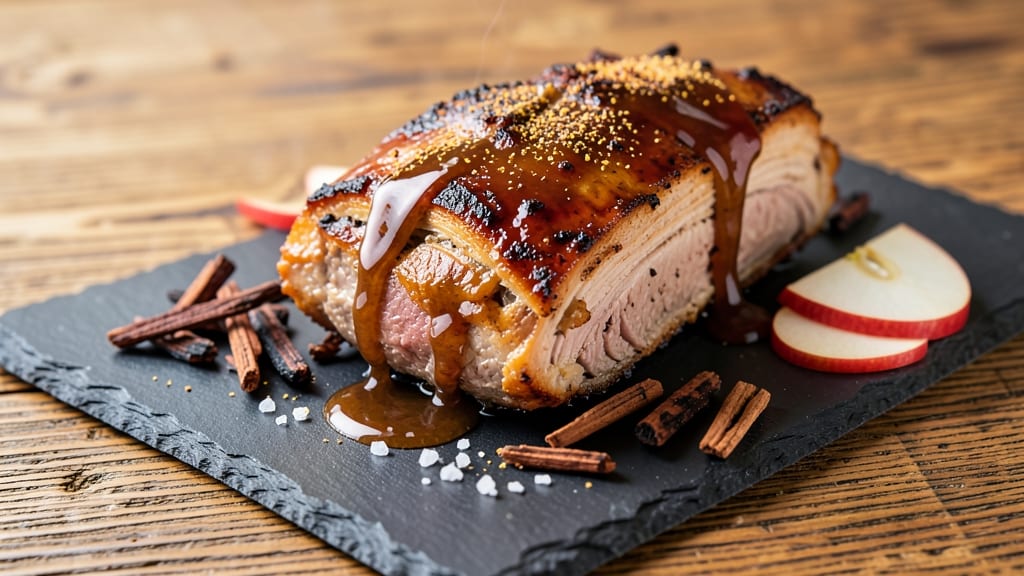
This Bradley smoker pork shoulder recipe delivers the perfect balance of crispy bark and juicy pink magic—a technique I perfected after years of smoking 2,000 pounds of pork weekly at The Smoky Pig. The key?
Low-and-slow precision with a Bradley smoker, where temperature control transforms tough meat into melt-in-your-mouth perfection. I remember my first time nailing this—when the stall hit 165°F and the bark cracked like glass, I knew I’d cracked the code.
The secret lies in the 8-hour cook, where the Bradley’s consistent heat (225°F) breaks down collagen while the dry rub—a blend of brown sugar, paprika, and black pepper—builds that legendary crust.
No need for fancy equipment: just a good thermometer, patience, and a few hours to let the smoker do the work. The stall? That’s where the magic happens—wrap it in butcher paper if needed, but don’t rush the process.
By the time it’s done, you’ll have a pork shoulder so tender it falls apart at the touch, with a crispy exterior that shatters like bark. The internal temp should hit 203°F, where the meat becomes almost buttery.
Rest it for an hour—this is non-negotiable—before slicing against the grain for those juicy, pull-apart shreds that’ll have everyone asking for seconds.
Serve it on buns with tangy coleslaw or over mashed potatoes—this is the kind of pork that turns casual dinners into legendary meals. Whether you’re feeding a crowd or treating yourself, this recipe delivers restaurant-quality results without the fuss. Let’s get smoking.
Ingredients for bradley smoker pork shoulder
Eight pounds of pork shoulder plus a dry rub that builds legendary bark—this is your smoking game-changer.
| Ingredient | Amount | Notes |
|---|---|---|
| Pork Shoulder (Bone-In) 🥓 | 8 lb | Well-marbled, trimmed of excess fat |
| Brown Sugar 🍚 | ½ cup | Light or dark, for caramelization |
| Smoked Paprika 🌶️ | 2 tbsp | For deep smoky flavor |
| Ground Black Pepper 🌶️ | 1 tbsp | Freshly cracked for intensity |
| Coarse Kosher Salt 🧂 | 1 tbsp | Diamond Crystal preferred |
| Granulated Garlic 🧄 | 1 tbsp | For aromatic depth |
| Onion Powder 🧅 | 1 tbsp | Sweet onion preferred |
| Wood Chips (Hickory or Oak) 🌳 | 2 cups | Soaked for 30 minutes |
| Butcher Paper 📄 | 1 sheet | For bark formation |
| Apple Cider Vinegar 🍎 | 2 tbsp | For spritzing during cook |
| Yellow Mustard 🟡 | 2 tbsp | For final spritz |
| Water (for spritz) 💧 | ½ cup | For moisture balance |
| Meat Thermometer 🌡️ | 1 whole | Instant-read preferred |
The pork shoulder is non-negotiable—look for a well-marbled, bone-in cut from a trusted butcher (I swear by Costco or local smokehouse suppliers for consistency). The fat cap should be thick enough to render down for moisture. If you're buying from a grocery store, check the use-by date—freshness matters for that perfect stall. For the dry rub, Penzeys or McCormick smoked paprika adds depth, but any quality brand works. The brown sugar? Light or dark, but don’t skip it—it’s what creates that crackling bark. Pre-mix your rub in a bowl and pat it onto the pork an hour before smoking for maximum adhesion.
No smoked paprika? Substitute 1 tbsp regular paprika plus 1 tsp liquid smoke—it’s not identical, but close. Running out of apple cider vinegar? White vinegar or lemon juice works in a pinch (just reduce to 1 tbsp). The wood chips are critical—hickory gives classic BBQ flavor, while oak adds a slightly sweeter note. If you can’t find soaked chips, wood pellets are a lifesaver (just soak those too). For the spritz, yellow mustard adds tang, but Dijon or even a splash of hot sauce will do. The butcher paper? Kraft or parchment won’t cut it—real butcher paper (available at smoke shops or online) is a game-changer for that crispy bark.
Pork shoulder keeps beautifully—vacuum-seal leftovers for up to 5 days in the fridge or 6 months in the freezer. I always make a double batch because this meat tastes even better the next day once the flavors meld. For serving, slice against the grain into ½-inch thick pieces—this is non-negotiable for texture. The rub mix? Store it in an airtight container for 3 months (if it lasts that long). Pro tip: Save the fat drippings from the smoker—they’re perfect for basting or making homemade BBQ sauce.
Why You'll Love This Recipe
- Smoke in Minutes: The pork shoulder goes on the smoker raw—no brining, no fuss. Just salt, pepper, and a quick rub of smoked paprika and brown sugar before you walk away. Honestly, I’ve done it while watching a movie.
- Sweet-Smoky Magic: That caramelized brown sugar crust? It’s the star. The smoker turns it into something tender and sticky, with just enough heat from the paprika to make every bite feel like a hug. (Yes, even on a Tuesday night.)
- Leftovers for Days: This recipe feeds a crowd but stays budget-friendly. One pork shoulder turns into pulled pork sandwiches, tacos, or even breakfast hash—my kids beg for the leftovers, and I don’t blame them.
- Weeknight Workhorse: No fancy prep, no last-minute stress. The smoker does all the work while you handle the rest of dinner. Between us, this is how I survive busy nights without takeout.
Step-by-step instructions for smoked pork shoulder with perfect bark
Master this technique and you'll achieve restaurant-quality smoked pork shoulder every time.
Prepare and Season the Pork Shoulder
Remove the pork shoulder from the refrigerator and let it sit at room temperature for 1 hour before smoking. This ensures even cooking throughout. Pat the shoulder dry with paper towels—this step is crucial for developing that crispy bark later.
In a small bowl, combine the 0.5 cup brown sugar, 2 tablespoons smoked paprika, 1 tablespoon ground black pepper, 1 tablespoon coarse kosher salt, 1 tablespoon granulated garlic, and 1 tablespoon onion powder. Rub this mixture generously over all sides of the pork shoulder, pressing it into the meat so it adheres well. The sugar will caramelize during smoking, creating that coveted bark.
Set Up the Smoker for Low and Slow Cooking
Soak the 2 cups wood chips in water for 30 minutes before using. This prevents them from burning too quickly and producing bitter smoke. Set your smoker to 225°F using the soaked wood chips. You'll know it's ready when you see clean, blue smoke—this is the sweet spot for developing deep flavor without drying out the meat.
Place the pork shoulder fat-side up on the smoker grate. The fat will render slowly and baste the meat as it cooks, adding moisture and flavor. Insert the meat thermometer into the thickest part of the shoulder, avoiding the bone. Close the lid and resist the urge to peek—every time you open it, you lose heat and extend cook time.
Monitor and Spritz for Moisture Balance
Smoke the pork shoulder undisturbed for 4-5 hours, or until the internal temperature reaches 165°F. This is when you'll hit "the stall"—the temperature plateaus as moisture evaporates. Don't panic; this is normal and expected.
Here's where the magic happens: mix the 2 tablespoons apple cider vinegar and 0.5 cup water in a spray bottle. Every 90 minutes after the stall begins, spritz the pork shoulder generously with this mixture. The acidity in the vinegar helps break down collagen and keeps the surface moist, while the water maintains overall moisture. This technique, known as the "Texas crutch," powers you through the stall while preserving that crispy bark.
Wrap and Finish to Probe-Tender Perfection
Once the internal temperature reaches 165°F, it's time to wrap. Line a large sheet of butcher paper with the shiny side facing up. Mix the 2 tablespoons yellow mustard with 1 tablespoon water and spread it evenly over the paper. Place the pork shoulder on the paper and wrap it tightly, folding the edges to seal completely. The mustard adds flavor and helps create a tender interior.
Return the wrapped pork shoulder to the smoker and continue cooking until the internal temperature reaches 203°F and a probe slides in like butter with no resistance. This usually takes another 3-4 hours. The butcher paper allows the pork to breathe while maintaining moisture, resulting in a tender, juicy interior with that prized bark.
Rest and Slice for Maximum Juiciness
Remove the pork shoulder from the smoker and let it rest on a cutting board for at least 1 hour, preferably 2 hours. This resting period allows the juices to redistribute throughout the meat, ensuring every slice is moist and flavorful. The internal temperature will rise another 5-10°F during this time due to carryover cooking.
Unwrap the pork shoulder and slice it against the grain into ½-inch thick slices. The grain direction will be visible as lines running through the meat. Serve immediately while still warm. Each slice should be tender enough to pull apart with a gentle tug, with a dark, crispy bark on the outside and a beautiful pink smoke ring just beneath. The juices should flow freely, making every bite incredibly satisfying.
Pro Tips For Making Bradley Smoker Pork Shoulder
- CRANK THE HEAT FIRST: The Bradley method starts with a 15-minute sear at 225°F—too low, and your sugar crust turns to sludge. I learned this the hard way after a sticky, underwhelming batch. Use a meat thermometer to confirm the smoker’s actually hitting that temp before you load it up.
- SALT THE PORK BEFORE THE SUGAR: Generously coat the pork with kosher salt first—let it sit uncovered for 30 minutes. This seasons the meat deeply and helps the brown sugar stick later. I used to skip this, and the crust would flake off like sad confetti.
- SKIP THE CROWDED SMOKER: Give that pork shoulder some breathing room—leave at least 2 inches of space between it and other racks or trays. I once packed my smoker too tight, and the sugar turned to a gloopy mess instead of a crispy crust. Airflow is non-negotiable.
- USE LESS BROWN SUGAR: The recipe might call for a full cup, but start with ½ cup and add more later if needed. Too much sugar = burnt edges before the meat’s done. I now sprinkle a thin layer mid-cook (around 3 hours) and adjust from there—this keeps the crust perfect without sacrificing flavor.
Creative variations of these flavors
Southern BBQ Style
For a true Carolina touch, swap the mustard wrap for a vinegar spritz—mix 1 cup apple cider vinegar with 1 cup water and brush it on every 30 minutes after the stall begins. This keeps the bark crisp while adding tangy depth.
I like to finish with a hot honey drizzle (mix ½ cup honey with 1 tsp cayenne) for that signature Carolina sweet-heat balance. Serve with classic white bread and coleslaw for the full experience. 🔥
Caribbean Jerk Twist
Transform your pork into jerk-style magic by adding 2 tbsp jerk seasoning (or mix 1 tbsp allspice, 1 tbsp thyme, 1 tbsp scotch bonnet powder) to your dry rub. Use pimento wood chips for a fruity, slightly sweet smoke.
After the stall, wrap the pork in banana leaves (available at Latin markets) instead of butcher paper—they infuse tropical notes. Finish with a lime glaze (mix ½ cup lime juice with 2 tbsp brown sugar) for a bright, zesty kick. 🌶️
Breakfast Bacon Pork
Turn your smoked pork into breakfast hero by slicing it thin and crisping it in a pan with 2 tbsp maple syrup and 1 tbsp apple cider vinegar until caramelized. Serve on buttermilk biscuits with fried eggs and maple-glazed bacon>.
For extra decadence, add a layer of sharp cheddar that melts into the pork as it cooks. This is my go-to for brunch crowds—it’s a game-changer. 🍳
Asian-Inspired Five-Spice
Swap the dry rub for a five-spice blend (mix 1 tbsp each of star anise, cinnamon, cloves, fennel, and Szechuan peppercorns) plus 1 tbsp brown sugar.
Use binchotan charcoal for a cleaner smoke, then finish with a soy-ginger glaze (mix ¼ cup soy sauce, 2 tbsp honey, and 1 tbsp grated ginger). Serve over jasmine rice with quick-pickled cucumbers for a refreshing contrast.
The five-spice adds warmth that pairs perfectly with the smoky depth. ✨
Spicy Coffee Rub
For a bold, aromatic twist, add 1 tbsp instant coffee granules and ½ tsp chipotle powder to your dry rub. The coffee deepens the bark’s complexity, while the chipotle adds smoky heat.
After smoking, brush the pork with a chocolate-chili glaze (mix ¼ cup dark chocolate chips with 2 tbsp chili powder and 1 tbsp water). This variation is a crowd-pleaser at my Atlanta restaurant—it’s rich, spicy, and unforgettable. 💫
Slow-Cooker Shortcut
No smoker? No problem. Brown the pork in a Dutch oven, then transfer it to a slow cooker with 1 cup beef broth, 2 tbsp apple cider vinegar, and your dry rub.
Cook on low for 8 hours, then shred and crisp in a pan with 1 tbsp butter. The bark won’t be as crispy, but the meat stays juicy and flavorful. Perfect for busy weeknights! ⏰
Nutrition facts
Frequently asked questions
How do I know when the pork shoulder is done?
Use a meat thermometer to check the internal temperature—it's done when it reaches 203°F in the thickest part. The probe should slide in like butter with no resistance. The stall (when temp plateaus at 165°F) is normal and expected—don't rush it.
Can I use a different wood chip for flavor?
While hickory or oak are classic choices, try pecan for a sweeter note or cherry for fruitiness. Just soak them for 30 minutes first to prevent burning. The Bradley smoker handles all wood types beautifully.
What if my bark isn't crispy?
Crispy bark comes from dry rub adhesion and proper smoking. Pat the pork very dry before applying rub, and smoke fat-side up. If needed, spritz with apple cider vinegar every 90 minutes after the stall begins. The butcher paper wrap at 165°F also helps preserve that crackling texture.
How long can I store leftovers?
Vacuum-sealed leftovers stay fresh for 5 days in the fridge or 6 months in the freezer. The flavor actually improves as it rests! For best texture, reheat in a 300°F oven for 20 minutes with a splash of broth.
Can I use a smaller cut of pork?
For best results, stick to 6-8 pounds—smaller cuts may dry out. If you must use less, increase the rub proportionally and reduce cook time by 1-2 hours. The Bradley smoker's precision helps maintain moisture even with smaller batches.