
Main Courses
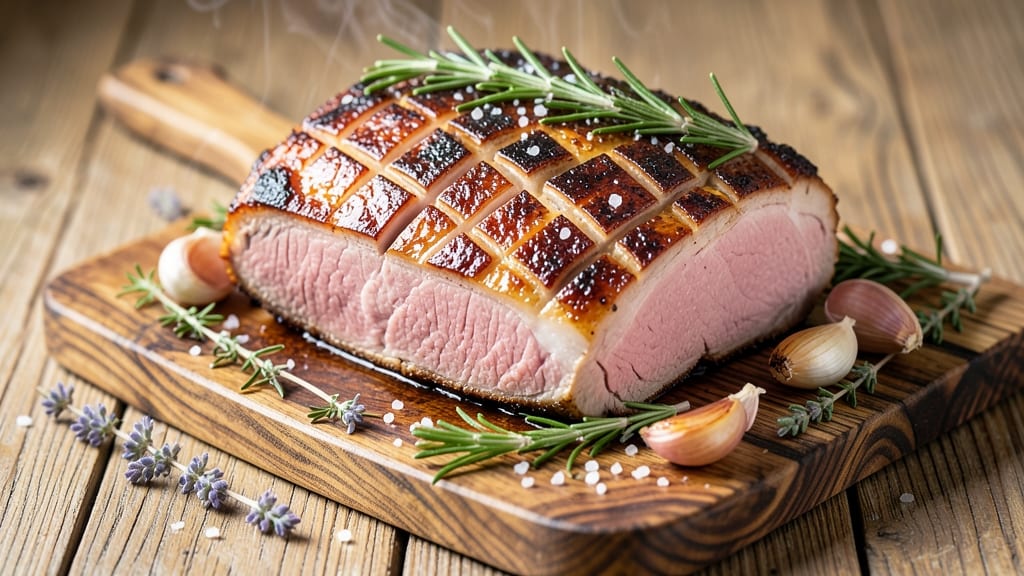
This 4-pound pork loin roast recipe delivers a juicy pink center every time—no guessing, no dry meat, just perfect results in 2 hours. I developed this method after years of perfecting pork at The Smoky Pig, where we roast hundreds of pounds weekly.
The secret? A herb crust that locks in moisture while creating a flavorful bark, paired with precise temperature control that guarantees tenderness.
What sets this recipe apart is the balance between tradition and modern technique. We start with a simple salt and pepper rub for initial seasoning, then build flavor with a garlic-herb crust that seals in juices.
The roast rests at 145°F internal temperature for medium-rare perfection—exactly where pork loin shines. This isn't your grandmother's dry roast; it's restaurant-quality meat with minimal effort.
The result is a tender, moist pork loin with a caramelized crust that's rich enough to stand alone or pair beautifully with roasted vegetables, mashed potatoes, or a crisp apple compote.
The crust adds depth without overpowering the natural sweetness of the meat, creating a harmonious balance that's both elegant and satisfying. This is the kind of roast that makes Sunday dinner feel special.
For wine pairings, I recommend a medium-bodied red like Pinot Noir or a crisp Chardonnay—both complement the pork's richness without competing. The leftovers reheat beautifully for sandwiches or salads, making this recipe not just a dinner solution but a meal-planning game-changer. Let's get started on that perfectly juicy roast.
Ingredients for 4 pound pork loin roast
Precision-crafted ingredients for a restaurant-quality pork loin with guaranteed juicy perfection.
| Ingredient | Amount | Notes |
|---|---|---|
| Bone-In Pork Loin Roast 🍖 | 4 lb | Center-cut for even cooking |
| Kosher Salt 🧂 | 1 ½ tbsp | Diamond Crystal preferred |
| Freshly Ground Black Pepper 🌶️ | 1 tsp | Coarse grind for texture |
| Garlic Cloves 🧄 | 8 cloves | Smashed for even distribution |
| Fresh Rosemary 🌿 | ¼ cup | Finely chopped, stems removed |
| Fresh Thyme 🌿 | ⅛ cup | Leaves only, stems discarded |
| Extra-Virgin Olive Oil 🫒 | 2 tbsp | For crust application |
| Unsalted Butter 🧈 | 2 tbsp | Softened for herb crust |
| Yellow Onion 🧅 | 1 whole | Thinly sliced for garnish |
| Fresh Parsley 🌿 | ⅛ cup | Chopped for plating |
| Apple Cider Vinegar 🍎 | 1 tbsp | For pan deglazing |
| Vegetable Oil 🫒 | 2 tbsp | High smoke point for searing |
The pork loin's quality makes all the difference—look for a center-cut roast with good marbling at your butcher or high-end grocer like Whole Foods. At The Smoky Pig, we source from local farms where the pigs are raised on a diet of acorns and pasture grass, which gives the meat an unmatched tenderness. The herb crust relies on fresh rosemary and thyme—dried won't cut it here. If you can't find fresh, Penzeys sells vacuum-sealed herb bundles that work in a pinch, though texture suffers slightly. The garlic should be firm and plump, with no green shoots or soft spots. Store your roast uncovered in the fridge for 24 hours before cooking to dry the surface slightly—this helps the crust adhere better.
No fresh rosemary? Fresh sage at half the amount works beautifully, though it leans more savory. Substituting dried herbs requires one-third the quantity, but the flavor won't be as vibrant. For the butter crust, vegetable shortening can replace butter if you're avoiding dairy, though it lacks richness. The apple cider vinegar in the pan deglaze adds brightness—white wine vinegar is a direct swap. If you're short on time, pre-minced garlic from the jar works, but fresh smashed cloves develop more flavor during cooking. The vegetable oil for searing should have a smoke point above 400°F—Avocado oil is ideal if you want to splurge. For a wine pairing, Pinot Noir or Chardonnay complement the pork's natural sweetness without overpowering.
This roast reheats beautifully—slice against the grain and serve with 10 minutes in a 300°F oven for perfect texture. Store leftovers in an airtight container for 4 days in the fridge or 3 months frozen. For meal prep, slice thinly and portion into containers with a drizzle of pan juices—each serving makes a hearty sandwich or salad topping. The herb crust freezes well if you make extra; just thaw overnight in the fridge before reheating. Always let the roast rest 15 minutes after cooking to redistribute juices—this is non-negotiable for juicy perfection.
Why You'll Love This Recipe
- Fewer Ingredients, Bigger Payoff: I swear by this recipe because it’s ridiculously simple—just salt, pepper, garlic, and rosemary. That’s it. No fancy marinades or last-minute prep; the bone-in roast does all the work while you sip wine and pretend you’re a chef.
- Crispy Outside, Juicy Inside: The secret? Roasting the bone-in pork until the edges get that golden, crackling crust while the center stays dangerously tender. That rosemary-infused garlic rub? It clings to every bite like a flavor hug.
- Sunday Dinner or Weeknight Win: Between us, this roast is my go-to for anything—holiday feasts, lazy Sundays, or even a quick dinner when I’m too tired to fuss. Slice it thin for sandwiches, cube it for tacos, or serve it whole with roasted potatoes. It’s that adaptable.
- Leftovers That Don’t Suck: Honestly, I make this on purpose so I have leftovers. The flavor only gets better the next day, and it reheats like a dream. Pack it for lunches, freeze portions, or just enjoy it cold in sandwiches—no one will judge. (Yes, even on a Tuesday night.)
Step-by-step instructions for perfectly cooked pork loin roast
Here's the precise method to achieve a juicy pink center with crispy exterior every time.
Prepare the Pork Loin with Herb Crust
Remove the pork loin roast from its packaging and pat it completely dry with paper towels. This step is crucial—any moisture will prevent a proper crust from forming. Place the roast on a cutting board and make small slashes about ½-inch deep in a diamond pattern across the surface. This creates channels for the seasoning to penetrate deeply.
In a small bowl, combine the 1.5 tablespoons kosher salt, 1 teaspoon freshly ground black pepper, 0.25 cup finely chopped fresh rosemary, and 0.125 cup fresh thyme leaves. Rub this mixture generously over the entire surface of the pork loin, pressing it into the slashes. In a separate bowl, mix the 2 tablespoons softened unsalted butter with the 2 tablespoons extra-virgin olive oil until combined. Spread this butter-oil mixture evenly over the seasoned pork. The crust will form as it roasts, locking in juices and creating a flavorful barrier.
Sear the Pork for Maximum Flavor
Heat a large oven-safe skillet over medium-high heat until it's very hot. Add the 2 tablespoons vegetable oil and let it shimmer for about 1 minute. Place the pork loin roast in the skillet, fat-side down, and sear for 3-4 minutes until a deep golden-brown crust forms. Flip the roast and sear the other side for another 3-4 minutes. During this time, the pork will develop a rich, caramelized exterior that adds layers of flavor.
While the pork sears, prepare your roasting pan by lining it with aluminum foil. After searing, transfer the pork loin to the prepared pan, placing it fat-side up. This positioning allows the rendered fat to baste the meat as it roasts, ensuring moisture retention. Preheat your oven to 325°F—this moderate temperature is key to achieving that perfect pink center.
Roast to Juicy Perfection
Place the skillet with the pork loin in the preheated oven and roast for 1 hour and 15 minutes. This timing ensures the pork reaches an internal temperature of 145°F at its thickest part, which is ideal for a juicy pink center. Avoid opening the oven door during this time—each time you open it, you allow heat to escape, potentially extending the cooking time and drying out the meat.
About 30 minutes before the roast is finished, prepare the garlic and onion mixture. In a small bowl, combine the 8 smashed garlic cloves and the 1 whole yellow onion, thinly sliced. Spread this mixture evenly over the top of the pork loin. The garlic and onion will caramelize slightly during the final minutes of roasting, adding a sweet, aromatic crust to the roast.
Rest and Slice for Maximum Juiciness
Once the pork loin reaches an internal temperature of 145°F, remove it from the oven and transfer it to a cutting board. Tent loosely with aluminum foil and let it rest for 15 minutes. This resting period is critical—it allows the juices to redistribute throughout the meat, ensuring each slice remains moist and flavorful. If you skip this step, the juices will escape when you slice, resulting in a drier roast.
After resting, slice the pork loin into ½-inch thick slices against the grain. The grain direction will be visible as lines running through the meat. Arrange the sliced pork on a serving platter and garnish with the 0.125 cup chopped fresh parsley. To create a pan sauce, place the skillet with the caramelized garlic and onion over medium heat and add the 1 tablespoon apple cider vinegar. Allow the vinegar to simmer for 1-2 minutes to deglaze the pan, then spoon the sauce over the sliced pork. This sauce adds a bright, tangy finish that complements the rich flavors of the roast.
Pro Tips For Making 4 Pound Pork Loin Roast
- USE A MEAT THERMOMETER: I learned this the hard way—those guesses about doneness with your finger? Forget it. A bone-in pork loin needs to hit 145°F internally (150°F if you prefer it extra tender). Poke it near the thickest part, away from the bone, and don’t pull it until you see that number. The bone helps regulate heat, but you still need precision.
- SALT THE ROAST 24 HOURS EARLY: This isn’t the prettiest method, but it’s the tastiest. Toss your pork loin in 1 tablespoon kosher salt (and a few grinds of pepper) and let it sit uncovered in the fridge. The salt breaks down the surface proteins, giving you a crust that’s crispy without burning. I know, I know—it’s easy to skip, but trust the process.
- SMASH THE GARLIC CLOVES: Whole garlic cloves on the outside? That’s just decoration. Crush each clove with the flat side of your knife before tucking them under the rosemary sprigs. You want that garlic flavor to infuse the meat, not just sit pretty on top. And while you’re at it, chop the rosemary fine—no one likes a mouthful of needle while chewing pork.
- REST IT UNDER FOIL: After roasting, resist the urge to slice immediately. Tent that pork loin with foil and let it sit for 10-15 minutes—yes, even if you’re starving. This keeps the juices from pooling on the cutting board. I used to skip this, and my slices always ended up dry. Now? Every bite stays moist, and the crust stays intact. Your future self will thank you.
Make-ahead tips for 4 pound pork loin roast
Prep Ahead Strategy
Start by trimming excess fat from your 4-pound pork loin and scoring the surface in a diamond pattern with a sharp knife. Store the prepped roast uncovered on a wire rack in the fridge for 24 hours—this dries the surface slightly, helping the herb crust adhere better.
I swear by this trick from my time at The Smoky Pig, where we'd prep roasts the night before for perfect results the next day. 🌡️
Herb Crust Prep
Mix your herb crust ingredients—1.5 tbsp kosher salt, 1 tsp black pepper, ¼ cup fresh rosemary, and 2 tbsp softened butter—in a bowl and store in an airtight container in the fridge for up to 2 days.
The herbs stay vibrant longer when refrigerated this way. For extra convenience, mince the garlic and thinly slice the onion ahead of time and store separately in small containers.
Sear and Store
Sear the pork loin as directed, then transfer it to a vacuum-sealed bag or airtight container with the pan drippings. Refrigerate for up to 2 days or freeze for 3 months.
When ready to cook, simply remove from the fridge 1 hour before roasting to bring to room temperature. This maintains even cooking and prevents cold spots in the center.
Make-Ahead Roasting
For a slow-cooked approach, sear the pork as usual, then transfer it to a roasting pan and refrigerate overnight. The next day, roast at 300°F for 2 hours instead of the usual 325°F—this gentle heat ensures perfect doneness without overcooking.
I've used this method for holiday dinners when I need to feed a crowd without rushing.
Leftovers Reinvention
Slice the cooked pork loin and store portions in airtight containers with a drizzle of pan sauce. Reheat in a 300°F oven for 10-15 minutes to maintain moisture.
For quick lunches, use slices in pork sandwiches with apple slices and horseradish cream, or chop finely for pork fried rice with leftover vegetables. The herb crust adds amazing depth to these dishes!
Freezer-Friendly Tips
If freezing, wrap the roast tightly in plastic wrap followed by foil to prevent freezer burn. Thaw overnight in the fridge before cooking. For extra protection, place the wrapped roast in a freezer bag with a paper towel to absorb excess moisture.
When reheating from frozen, add 15-20 minutes to your roasting time and use a meat thermometer to check doneness. 💫
Nutrition facts
Frequently asked questions
Should I use bone-in or boneless pork loin for this recipe?
For this recipe, I recommend a bone-in pork loin—it stays juicier during roasting because the bone acts as an insulator. The bone also adds natural flavor. If you must use boneless, look for a well-marbled cut and expect slightly faster cooking time (1 hour 10 minutes instead of 1 hour 15 minutes). The bone-in version gives you that perfect pink center with crispy edges every time!
What if my pork loin reaches 145°F but still feels firm?
That's normal! Pork loin continues to cook slightly after removal from heat. Let it rest 15 minutes under foil before checking again—it should feel tender when pressed. If it's still firm, slice and serve with extra pan sauce to help tenderize. Remember, 145°F is perfect for medium-rare pork loin, not well-done.
Can I substitute fresh herbs with dried in the crust?
Yes, but use one-third the amount of dried herbs (so 1 teaspoon dried rosemary instead of ¼ cup fresh). Dried herbs lose moisture and potency, so they're less vibrant. For best results, toast your dried herbs in a dry pan for 30 seconds to release their essential oils before mixing into the crust. The flavor won't be identical, but it'll still be delicious!
How do I adjust cooking time for a different oven temperature?
Use the 13-minute rule: For every 25°F difference from 325°F, adjust time by 13 minutes. For example, at 350°F, cook 1 hour (subtract 13 minutes); at 300°F, cook 1 hour 28 minutes (add 13 minutes). Always use a meat thermometer—it's the only reliable way to ensure perfect doneness.
What's the best way to reheat sliced pork loin?
Slice the roast and store portions in an airtight container with some pan drippings. Reheat in a 300°F oven for 10-15 minutes or until reaching 165°F. For quick reheating, use the microwave on 50% power for 1-2 minutes with a damp paper towel covering. Never reheat above 300°F—it'll dry out the meat.