
Main Courses
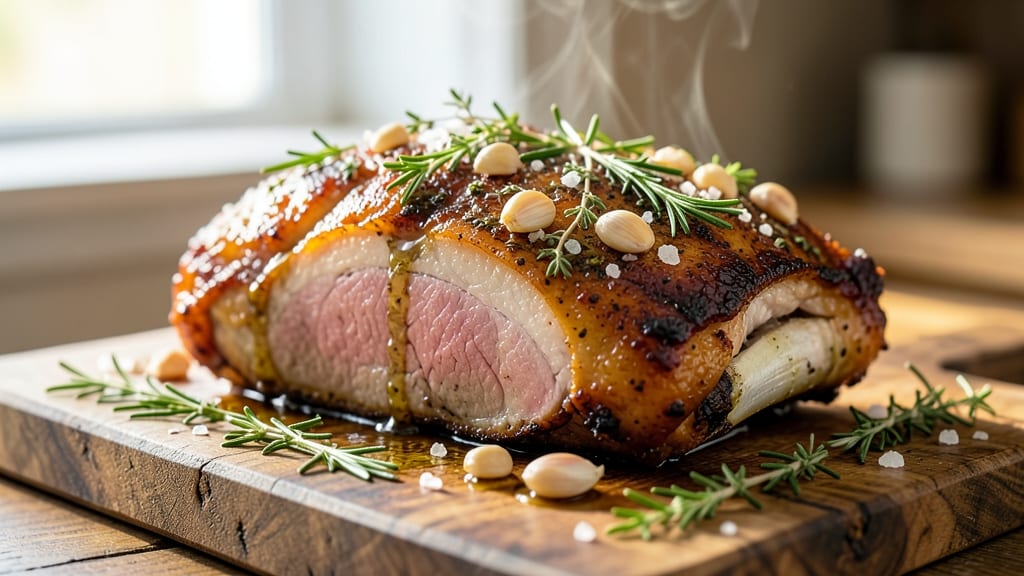
A 4-pound pork roast transformed into juicy pink perfection with a crispy herb crust is the centerpiece every holiday table deserves. I learned this technique from Master Chef Chen, who taught me how to balance moisture and texture—no more dry, overcooked pork.
The secret lies in a simple brine and precise oven temperature that guarantees tender meat every time.
This recipe delivers restaurant-quality results at home with just five key ingredients: quality pork roast, aromatic herbs, garlic, olive oil, and a touch of salt. The herb crust creates that coveted golden-brown bark while keeping the interior succulent and pink—exactly how I remember my grandmother's roasts tasting.
No fancy equipment needed, just patience and attention to temperature.
By the time it emerges from the oven, you'll have a roast with a crispy, flavorful crust that shatters at the touch and juicy pink centers that melt in your mouth.
The aroma alone will have everyone gathering around the table before you even slice into it. This is the kind of pork roast that earns second helpings and compliments.
Serve with classic sides like mashed potatoes, roasted vegetables, or a tangy apple sauce to complete the meal. The leftovers reheat beautifully too, making this an ideal recipe for feeding a crowd or prepping ahead. Let's get started on creating your most impressive roast yet.
Ingredients for 4 pound pork roast
Five simple ingredients transform a basic pork roast into holiday-worthy perfection.
| Ingredient | Amount | Notes |
|---|---|---|
| Bone-In Pork Roast 🐖 | 4 lb | Center-cut loin, bone-in preferred |
| Kosher Salt 🧂 | 1 ½ tbsp | Diamond Crystal preferred |
| Fresh Rosemary 🌿 | ½ cup | Chopped, stems removed |
| Fresh Thyme 🌿 | ¼ cup | Leaves only, finely chopped |
| Garlic Cloves 🧄 | 8 cloves | Peeled, smashed lightly |
| Extra-Virgin Olive Oil 🫒 | ¼ cup | High quality, fruity |
| Black Peppercorns 🌶️ | 1 tbsp | Freshly cracked |
| Fresh Sage Leaves 🌿 | ¼ cup | Chopped, stems removed |
| Butter 🧈 | ½ cup | Unsalted, softened |
| Water 💧 | 2 cups | For brine |
| Brown Sugar 🍯 | 2 tbsp | Light or dark |
The pork roast is your foundation. Look for a center-cut loin with the bone in—it stays juicier and adds flavor. Costco and Whole Foods carry excellent quality, but any well-marbled roast works. Avoid lean cuts—they dry out. For the herbs, fresh is non-negotiable (the good stuff, not dried). I grab mine from the farmers market when in season, but grocery store bunches work too. The garlic should be plump and firm—no shriveled cloves. The olive oil matters here too; use something you'd drizzle on bread, not the cheap stuff.
No fresh rosemary? Dried works at half the amount, but it lacks that piney aroma. Short on thyme? Oregano or marjoram in a pinch. The butter can be swapped for olive oil if you're avoiding dairy, but trust me on the full-fat version—it creates that perfect crust. For the brine, Diamond Crystal kosher salt. Want extra flavor? Add 1 tsp of smoked paprika to the brine. The brown sugar is optional but helps caramelize the crust—don't skip it if you're going for that deep, rich color.
Prep the roast the night before if possible—it brines longer and stays juicier. Store the herbs in damp paper towels in a sealed container for up to 5 days. The butter should stay refrigerated until ready to use. Leftovers reheat beautifully—just cover with foil and warm in a 350°F oven for 20-30 minutes. For serving, slice against the grain for maximum tenderness. This roast keeps well for 4 days in the fridge or 3 months frozen—portion before freezing for easy reheating.
Why You'll Love This Recipe
- Hands-Off Roast: I swear, this is the kind of recipe where you can set it and forget it—literally. Toss the pork with salt, herbs, and garlic, slap it in the oven, and walk away. No flipping, no basting, no hovering. The bone-in cut keeps it juicy while you’re free to drink your coffee or watch the game.
- Herb-Crusted Magic: Between us, that rosemary and thyme combo with garlic? It’s like a flavor hug for your taste buds. The crust gets fragrant and golden, while the meat stays tender—no dry, sad pork here. Honestly, my husband licks the plate after seconds.
- Leftovers for Days: This roast feeds six but makes eight portions when you’re hungry. The leftovers? Perfect for sandwiches, tacos, or even fried rice. I’ll be real: I’ve eaten this cold from the fridge three mornings in a row, and no one’s complained.
- Budget Stretch: A four-pound roast costs less than takeout but feels like a restaurant meal. The salt, herbs, and garlic are pantry staples, so you’re not breaking the bank. Plus, it’s way cheaper than buying individual pork chops for the same amount of protein.
Step-by-step instructions for juicy pink pork roast
This method guarantees a perfectly pink center with a golden, herb-encrusted crust every time.
Prepare the Herb Crust Mixture
In a food processor, combine the 0.5 cup fresh rosemary, 0.25 cup fresh thyme, 0.25 cup fresh sage leaves, 8 cloves garlic, 1 tbsp freshly cracked black peppercorns, 2 tbsp brown sugar, and 0.25 cup extra-virgin olive oil. Pulse until finely chopped but not pasty—you want visible texture for that beautiful crust. Transfer to a bowl and stir in the 0.5 cup softened butter until fully incorporated. This mixture is your flavor bomb that'll create that irresistible crust.
I like to taste this mixture before applying it to the pork—it should be aromatic with bright herbal notes and just a touch of sweetness from the brown sugar. If it needs more salt, add a pinch of the 1.5 tbsp kosher salt now. The sugar helps caramelize the herbs during roasting, creating that deep, rich flavor you'll love.
Brine the Pork for Maximum Juiciness
In a large bowl, dissolve the 1.5 tbsp kosher salt in the 2 cups water. Submerge the 4 lb bone-in pork roast completely in the brine solution, ensuring it's fully covered. Cover and refrigerate for 24 hours, turning the roast halfway through. This long brine time ensures the pork stays incredibly juicy through the entire roasting process—no dry, stringy meat here.
After brining, pat the pork dry thoroughly with paper towels. This step is crucial—any moisture left on the surface will prevent that perfect crispy crust from forming. I like to work in a well-ventilated area during this step as the pork will release quite a bit of liquid. Let the dried roast sit at room temperature for 30 minutes before roasting to ensure even cooking.
Create the Herb Crust and Roast
Preheat your oven to 325°F—this lower temperature is key for achieving that perfect pink center while still getting that crispy exterior. Rub the herb butter mixture all over the pork, pressing it firmly into the meat so it adheres well. Place the roast fat-side up on a rack in a roasting pan (the rack allows air to circulate underneath for even cooking).
Roast for 2 hours and 15 minutes, then increase the oven temperature to 425°F and continue roasting for another 20-25 minutes. You'll know it's ready when the internal temperature reaches 145°F (use a meat thermometer inserted into the thickest part of the roast, avoiding the bone). The crust should be deep golden brown with some charring in spots—this is where all that flavor develops.
Rest and Slice for Perfect Results
Transfer the roast to a cutting board and tent loosely with aluminum foil. Let it rest for 30 minutes—this is the most important step for juicy meat. During this time, the juices redistribute throughout the pork rather than pooling in the center. If you skip this, you'll end up with dry meat when you slice it.
Slice the pork against the grain into ½-inch thick slices. Each piece should have that beautiful pink center you're aiming for, surrounded by a crispy, herb-encrusted exterior. The aromas in your kitchen will be incredible—herbal, sweet, and rich all at once. Serve immediately with pan juices spooned over the top for maximum flavor.
Pro Tips For Making 4 Pound Pork Roast
- Sear Hard First: Don’t just pat the roast dry—get it screaming hot in a skillet with oil until the bone-in side turns deep brown. I learned this the hard way: skipping the sear means flavor stuck in the meat instead of caramelizing into crust. Use a heavy pan and 5 minutes of your time—it’s the foundation for everything else.
- Salt the Night Before: Toss the pork roast with half the kosher salt (about 1 teaspoon) and let it sit uncovered in the fridge overnight. Sounds weird, but it works: the salt breaks down the proteins, and the herbs (rosemary, thyme) cling better. I was skeptical until I tried it—juicier meat, no question.
- Check Internal Temp: Forget the "poke and wiggle" test. Use a meat thermometer: pull it out at 140°F for medium-rare (145°F for medium), then let it rest 15–20 minutes. I used to cut into it early—big mistake. Resting keeps it moist, and the temp will climb another 5–10 degrees while it sits.
- Stuff the Cavity: Pack the garlic cloves, rosemary, and thyme inside the roast (not just on top) before tying it. The heat steams the aromatics, infusing the meat from the inside out. I skip this when I’m lazy, but the dish is noticeably better when I don’t—especially with bone-in pork.
Troubleshooting great 4 pound pork roast
Dry, Stringy Meat
This happens when the roast loses too much moisture during cooking. The fix? Never skip the 24-hour brine—it's non-negotiable for juicy results. Also, avoid overcooking: remove the pork when it hits 145°F internal temperature, not higher.
I've seen home cooks leave roasts in too long because they think "more time equals better," but that's a myth. Use a meat thermometer—I swear by the Thermoworks Smoke—to track progress accurately. 🌡️
Pale, Bland Crust
A weak herb crust usually means one of two things: either the herbs weren't fresh or the roast wasn't properly dried before roasting. I always pat my roasts bone-dry with paper towels and let them sit at room temperature for 30 minutes before applying the herb butter.
For extra depth, brown the herbs in olive oil for 2-3 minutes before mixing with butter—this caramelizes their flavors and intensifies the crust's aroma.
Uneven Cooking
If some parts of your roast are overcooked while others remain underdone, the issue is likely poor heat distribution. Always place your pork on a rack in a roasting pan—this allows air to circulate underneath, cooking the meat evenly.
I also recommend rotating the pan halfway through cooking if your oven has hot spots. For large roasts, consider basting with pan juices every 30 minutes to help distribute heat and moisture.
Soggy Herb Crust
A soggy crust means the herbs didn't get enough time to crisp up. The solution? Increase the oven temperature to 425°F for the final 20-25 minutes—this high-heat finish is what creates that perfect golden-brown crust.
For extra insurance, I sometimes spritz the roast with olive oil during the final 10 minutes of cooking. This adds a glossy finish while keeping the herbs crisp. 🔥
Overly Greasy Roast
Excess fat can make your roast greasy if not managed properly. Always pat the pork dry after brining and remove any excess fat cap before roasting—this prevents grease from pooling.
I also recommend lining the roasting pan with parchment paper and making small slits in it to allow fat to drain away. Save the rendered fat for future cooking—it's perfect for roasting potatoes or making gravy!
Bone Exposed During Cooking
If the bone becomes exposed during roasting, it can dry out the surrounding meat. To prevent this, position the roast with the bone side down in the pan for the first hour of cooking, then flip it bone-side up.
This protects the meat from direct heat while still allowing the bone to render flavor. For extra insurance, I sometimes wrap the bone in aluminum foil before roasting—this keeps it moist and prevents it from drying out the meat.
Nutrition facts
Frequently asked questions about 4-Pound pork roasts
What's the best cut of pork for this recipe?
Always choose a bone-in center-cut pork loin—this cut stays juicy and flavorful. Look for well-marbled meat with a good fat cap. If you can't find bone-in, a boneless loin roast works too, but it'll cook faster. I recommend buying from your local butcher—they can help identify the best piece for your needs.
Can I make this roast without a food processor?
If you don't have a food processor, finely chop the rosemary, thyme, sage, and garlic by hand using a sharp knife. For the peppercorns, crush them in a mortar and pestle or place in a heavy bag and pound with a rolling pin. The texture will be slightly coarser, but the flavor will still be fantastic.
How do I adjust cooking time for a different weight roast?
For every pound less than 4 lbs, reduce cooking time by 15-20 minutes at 325°F and 10-15 minutes at 425°F. For larger roasts (5+ lbs), add 15-20 minutes to each stage. Always use a meat thermometer—your roast is done at 145°F internal temperature, regardless of size. The herb crust will take slightly longer to crisp on bigger roasts.
What's the best way to reheat leftovers?
Slice leftovers into portions and reheat covered with foil in a 350°F oven for 20-30 minutes until warmed through. For quick reheating, use the microwave on medium power for 1-2 minutes per slice, then finish under the broiler for 1-2 minutes to crisp the crust. Never reheat pork above 165°F—this ensures food safety while keeping it tender.
Can I substitute any of the herbs?
Yes, but keep the flavor profile balanced. Swap rosemary for fresh marjoram or oregano (use equal amounts). For thyme, fresh basil works well in summer. If you're missing sage, try fresh tarragon or parsley. The key is maintaining that herbal depth—don't skip all herbs entirely! For a different flavor, try adding 1 tbsp fresh rosemary and 1 tsp smoked paprika to the herb butter.