
Main Courses
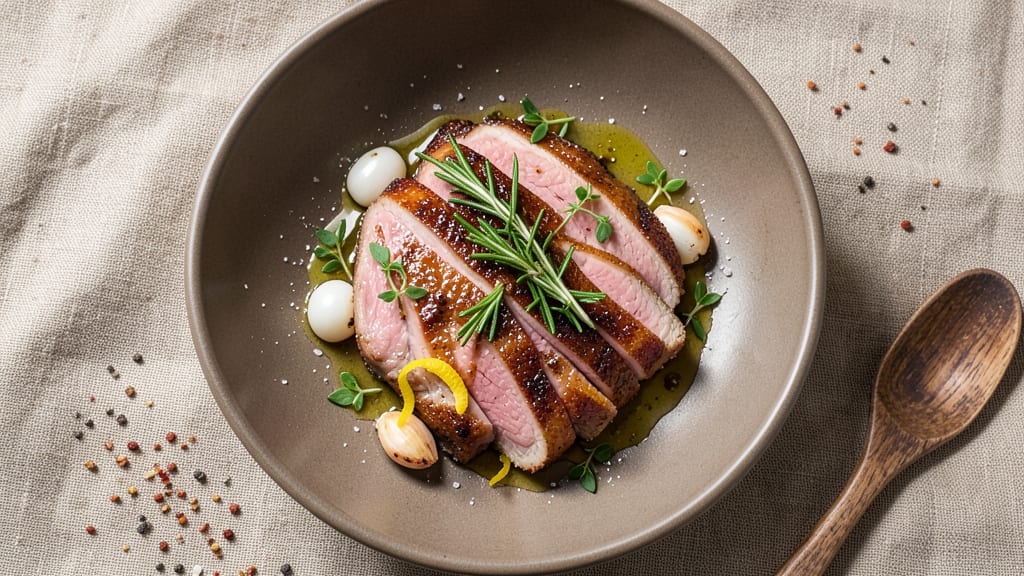
Boneless pork steaks deliver restaurant-quality flavor with home-cook convenience—no tough chew, no fuss. I've perfected this technique after years of breaking down whole hogs in my kitchen, transforming thick-cut pork chops into tender, juicy steaks that cook in just 15 minutes.
The secret lies in proper seasoning and precise searing, ensuring every bite stays moist while developing a caramelized crust.
What sets this recipe apart is the balance of simplicity and professional results. You'll start with a dry brine that locks in moisture, followed by a simple herb and garlic rub that enhances natural flavors without overpowering them.
The pan-searing method guarantees perfect doneness every time—no guesswork, no overcooking. This is the kind of recipe that transforms weeknight dinners into something special with minimal effort.
By the time you're done, you'll have perfectly cooked pork steaks with golden-brown crusts and tender, juicy centers that practically melt in your mouth.
The aroma alone will have everyone gathered around your table, and the flavor—savory, herbaceous, with just the right balance of richness—will make you wonder why you ever bought pre-seasoned cuts. These steaks pair beautifully with roasted vegetables, mashed potatoes, or a fresh summer salad.
Whether you're feeding a family or treating yourself to a special meal, this recipe delivers professional-quality results at home. The method is foolproof, the flavors are unbeatable, and the best part?
You'll have dinner on the table in under 30 minutes. Let's get started on creating steaks that taste like they came from a high-end restaurant.
Ingredients for boneless pork steak
Thick-cut pork steaks, dry-brined herbs, and precise searing create restaurant-quality results at home.
| Ingredient | Amount | Notes |
|---|---|---|
| Boneless Pork Steaks 🥩 | 1 ½ lb | Thick-cut, 1-inch minimum |
| Kosher Salt 🧂 | 2 tbsp | Diamond Crystal preferred |
| Fresh Rosemary 🌿 | ¼ cup | Finely chopped, stems removed |
| Fresh Thyme 🍃 | ¼ cup | Leaves only, stems discarded |
| Garlic Cloves 🧄 | 6 cloves | Minced, not powdered |
| Extra-Virgin Olive Oil 🫒 | 2 tbsp | High-quality, fruity |
| Black Peppercorns 🌶️ | 1 ½ tsp | Freshly cracked, coarse |
| Unsalted Butter 🧈 | 2 tbsp | Cold, cut into small pieces |
| Yellow Onion 🧅 | 1 whole | Thinly sliced, for garnish |
| Fresh Parsley 🌿 | ⅛ cup | Chopped, for garnish |
The pork steaks are the star—thick-cut (at least 1-inch) ensures juiciness without chew. Costco or local butchers often carry perfect cuts, or ask your grocer to trim bone-in chops for you. Fresh herbs make all the difference here: Trader Joe's sells pre-chopped rosemary and thyme in convenient jars, but I always grab whole sprigs and chop them myself for better flavor. The garlic should be freshly minced—jarred garlic just doesn't cut it for this recipe. For the olive oil, California Olive Ranch or Bertolli are my go-tos for consistent quality.
No fresh rosemary? Dried at one-third the amount works in a pinch, but it won't have the same bright flavor. Short on thyme? Oregano or marjoram can substitute, though the aroma will differ slightly. The butter is non-negotiable here—European-style butter like Plugrá has higher fat content, which gives you that perfect crust. For the onion, yellow or red both work, but avoid sweet onions like Vidalia. If you're prepping ahead, brine the steaks overnight for maximum tenderness, but even 30 minutes makes a difference.
These steaks reheat beautifully—just 10 seconds in the microwave with a splash of water keeps them moist. Store leftovers in the fridge for 3-4 days or freeze for up to 3 months. I always make extra because they're so versatile: sandwiches, salads, or tacos all work. The herb rub keeps well in the fridge for up to 1 week, so make a double batch if you're planning to cook again soon. For best results, let the steaks sit at room temperature for 20 minutes before cooking.
Why You'll Love This Recipe
- I make these for everything: a quick dinner when friends drop by, a protein boost in grain bowls, or even sliced thin for sandwiches the next day. The flavors hold up, and the leftovers? Still taste like you spent hours on them.
- One-Pan Magic: I swear by this recipe when I’m too tired to scrub pots. Just sear those pork steaks in a hot pan, toss in crushed garlic and whole sprigs of rosemary and thyme, then let them sizzle—no flipping, no fuss. The herbs release their aroma right into the meat, and cleanup is just wiping one pan.
- Herb-Packed Punch: Between us, the combo of rosemary and thyme with garlic is chef’s kiss—earthy, bright, and just salty enough to make your taste buds sit up. The pork stays juicy while the crust gets that perfect caramelized bite, like a fancy bistro dish without the pretension.
- Weeknight Workhorse: I make these for everything: a quick dinner when friends drop by, a protein boost in grain bowls, or even sliced thin for sandwiches the next day. The flavors hold up, and the leftovers? Still taste like you spent hours on them.
Step-by-step instructions for perfectly pan-seared boneless pork steaks
Here's how to transform tough pork steaks into melt-in-your-mouth perfection with crispy edges and juicy centers.
Prep the Pork Steaks with Herbs and Salt
Begin by patting the 1.5 lb boneless pork steaks completely dry with paper towels—this is non-negotiable for crispy skin. In a small bowl, combine the 2 tbsp kosher salt, 0.25 cup finely chopped fresh rosemary, 0.25 cup fresh thyme leaves, and 1.5 tsp freshly cracked black peppercorns. Rub this mixture generously over both sides of each steak, pressing firmly so the seasoning adheres and penetrates slightly.
Let the seasoned steaks sit at room temperature for 15-20 minutes while you prep everything else. This step ensures even cooking and prevents cold spots in the center. I like to place them on a wire rack over a plate to allow air circulation—this helps the seasoning stick better and prevents soggy bottoms.
Sear the Steaks in High-Heat Butter
Heat a heavy skillet (cast iron works best) over medium-high heat until it's screaming hot. Add the 2 tbsp extra-virgin olive oil and let it shimmer for 30 seconds. Add the 2 tbsp cold unsalted butter cut into small pieces—it should foam and sizzle immediately. This butter will create a luxurious sauce while searing the steaks.
Place the steaks in the pan and cook undisturbed for 3-4 minutes until a deep golden-brown crust forms. I press down gently on the steaks during the first minute to prevent curling. Flip carefully and cook another 3-4 minutes for medium-rare (internal temp 135°F). For medium, aim for 140°F—use an instant-read thermometer to check the thickest part.
Rest and Finish with Garlic Onion Garnish
Transfer the steaks to a warm plate and let them rest for 5-7 minutes—this is where the magic happens as juices redistribute. While they rest, thinly slice the 1 whole yellow onion and 0.125 cup fresh parsley together in a small bowl. The onion should be paper-thin for easy layering.
Just before serving, return the skillet to medium heat and add the onion-parsley mixture. Cook for 1-2 minutes until softened but still vibrant. Spoon this fragrant garnish over the steaks, reserving a bit of the pan sauce to drizzle on top. The residual butter in the pan will create a glossy finish that ties everything together.
Serve Immediately with Confidence
Slice the steaks against the grain into ½-inch thick portions for maximum tenderness. The crust should shatter slightly, revealing juicy pink centers that practically melt in your mouth. Serve with the garlic-onion garnish and any remaining pan sauce pooled on the side for dipping.
Here's the thing—these steaks should feel luxurious, not like a weeknight shortcut. The rosemary-thyme crust adds an aromatic depth, while the butter-basted edges create that restaurant-quality texture. Don't skip the rest time, and for heaven's sake, use that thermometer—guessing leads to dry, overcooked pork.
Pro Tips For Making Boneless Pork Steak
- SEAR UNTIL CRUSTY: Hit the pork steaks with a screaming-hot pan—no halfway measures. I used to pull them too soon, and the herbs just sat there like wet leaves. Two minutes per side until the edges darken and the garlic starts to sizzle, then drop the heat. That crust is where all the flavor hides.
- SMASH THE GARLIC: Skip the minced garlic—it burns before the pork cooks. Instead, peel the cloves, smash them flat with the side of your knife, and let them sit on the pan for 30 seconds before adding the meat. The oil will render out their flavor without turning bitter, and you won’t waste time fishing out burnt bits.
- SALT THE HERBS: Toss your fresh rosemary and thyme with a pinch of kosher salt before sprinkling them on the pork. It brightens their flavor and keeps them from turning to mush. (Yes, even if you’re impatient like me—just do it while the pan heats up.)
- REST UNDER FOIL: After cooking, tent the pork with foil and let it sit for 5 minutes. I learned this the hard way—cutting into it too soon sends juices everywhere, and the meat turns dry. The foil traps heat without steaming it, so the crust stays intact and the inside stays tender. (Your future self will thank you.)
Wine and beer pairings for this recipe
Red Wine Pairings
For these herb-crusted pork steaks, I always reach for a medium-bodied red with enough acidity to cut through the richness. A Pinot Noir from Oregon—like Domaine Serene or La Crema—is my go-to, with its bright cherry notes and subtle earthiness that complement the rosemary and thyme.
The wine's natural acidity refreshes your palate between each juicy bite, while its smooth tannins balance the pork's savory depth. 🍷
If you prefer something with more body, a Chianti Classico from Tuscany delivers perfect structure. Look for bottles from Castello di Volpaia or Ruffino, which offer vibrant acidity and dark fruit flavors that stand up to the steaks' caramelized crust. Avoid heavy, oaked Cabernets—they'll overpower the delicate herb notes.
Light Beer Options
For beer lovers, a crisp German Pilsner like Warsteiner or St. Ulrich works beautifully. The clean, hoppy finish cleanses your palate between bites, while the subtle malt sweetness enhances the pork's natural richness.
I also love a Belgian Witbier—Hoegaarden or Stella Artois—with its citrusy coriander notes adding a refreshing contrast to the rosemary's piney aroma.
If you're serving these steaks at a summer BBQ, a session IPA from New Belgium Brewing (like Fat Tire) brings just enough bitterness to balance the dish's richness without competing. Avoid heavy stouts or dark ales—they'll muddle the steaks' elegant herb profile.
Unexpected Pairings
Don't overlook sparkling wine—a Prosecco from Italy or a Cava from Spain adds effervescence that cuts through the butter's richness. The bubbles keep your mouth feeling fresh, while the wine's light fruitiness complements the steaks' herbaceous crust.
I've also had great success with dry Riesling from Germany, particularly Dr. Loosen Blue Slate, which offers mineral brightness that enhances the dish's savory notes.
For a non-alcoholic option, try sparkling apple cider like Martinelli's or a ginger beer from BrewDog. The effervescence and slight tartness create the same refreshing contrast as wine, making it perfect for guests who prefer not to drink alcohol.
The ginger's warmth also pairs surprisingly well with the rosemary's piney notes. 🍏
Nutrition facts
Frequently asked questions
Can I substitute bone-in pork chops for boneless steaks?
Yes, but with adjustments! Bone-in chops need 10-15% longer cooking time. Remove the bone before seasoning and searing, then cook to 140°F for medium. The bone actually helps keep pork moist, so you might get away with slightly less rest time (3-5 minutes instead of 5-7). Just watch your thermometer closely—bone-in cuts can cook unevenly.
What if I don't have fresh rosemary or thyme?
No problem! Use 1 tsp dried rosemary and 1 tsp dried thyme (one-third the fresh amount), but toast them first in a dry pan for 30 seconds to deepen the flavor. For extra aroma, add ½ tsp crushed red pepper or 1 tsp smoked paprika. The key is balancing the herb intensity—don't skip the garlic, as it bridges the flavor gap.
How do I fix overcooked pork steaks?
If they're slightly dry, slice thinly against the grain and serve with a butter-basted sauce (melt 1 tbsp butter + 1 tbsp cream + 1 tsp soy sauce in the same pan). For severely overcooked steaks, shred and use in tacos or sandwiches with pickled onions and avocado to add moisture. Prevention is better—always use a thermometer and remove steaks 5°F below target temp.
Can I grill these pork steaks instead of pan-searing?
Preheat your grill to medium-high (400-425°F) and oil the grates well. Cook for 4-5 minutes per side for 1-inch thick steaks, flipping once. For indirect heat, move to a cooler zone after searing. The herb crust works perfectly on the grill—just watch for flare-ups from the butter. Finish with the same onion-parsley garnish for a smoky-herb flavor combo that's pure magic.
Why do my pork steaks turn out chewy instead of tender?
Chewiness usually means one of three things: overcooking (check temp!), thin cuts (stick to 1-inch minimum thickness), or not resting. Always let steaks rest 5-7 minutes before slicing—juices need time to redistribute. Also, pat them very dry before seasoning (moisture = steam = chew). For extra tenderness, brine the steaks for 1-2 hours before cooking.