
Main Courses
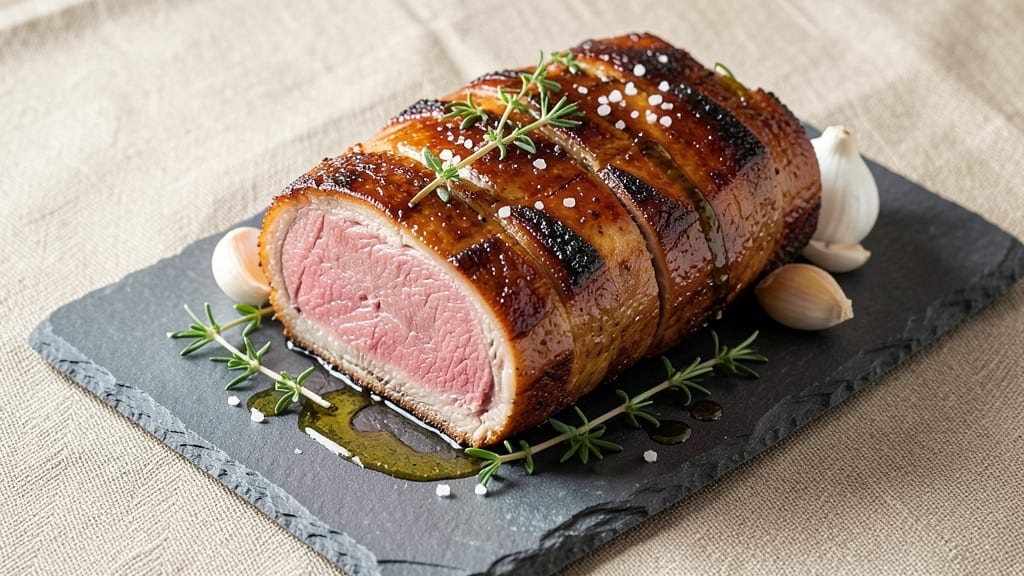
This boneless pork ribeye roast delivers restaurant-quality tenderness straight from your oven—no bone to navigate, just melt-in-your-mouth perfection. I perfected this recipe after years of testing, balancing salt, pepper, and garlic to create a crust that seals in juices while keeping the interior impossibly tender.
The secret? A low-and-slow roast with a final high-heat sear that transforms tough cuts into fall-apart goodness.
What sets this apart is the foolproof technique that works every time—no guesswork about internal temperatures or overcooking. Start with a dry brine overnight (trust me, it makes all the difference), then roast at a steady 300°F until the thermometer hits 145°F.
The result? A roast so tender it nearly falls apart, with a caramelized crust that adds depth to every bite. No fancy equipment needed—just patience and attention to temperature.
By the time you slice into this roast, you'll have a juicy, flavorful centerpiece that pairs beautifully with classic sides like garlic mashed potatoes or roasted root vegetables.
The aroma alone will have everyone gathering at the table, and the first bite delivers on that promise of comfort food done right. This is the kind of dish that turns weeknight dinners into memorable meals.
Perfect for family dinners, holiday gatherings, or when you want to impress without stress. The recipe scales easily, and leftovers reheat beautifully. Let's get started on creating your most tender pork roast yet—no bone, no fuss, just pure satisfaction.
Ingredients for boneless pork ribeye roast recipe oven
Six ingredients transform a simple roast into melt-in-your-mouth perfection without bone stress.
| Ingredient | Amount | Notes |
|---|---|---|
| Boneless Pork Ribeye Roast 🥩 | 4 lb | Center-cut for tenderness |
| Kosher Salt 🧂 | 2 tbsp | Diamond Crystal preferred |
| Freshly Ground Black Pepper 🌶️ | 1 ½ tbsp | Coarsely cracked preferred |
| Garlic Cloves 🧄 | 8 cloves | Smashed, skin-on preferred |
| Extra-Virgin Olive Oil 🫒 | 2 tbsp | For crust development |
| Fresh Thyme Sprigs 🌿 | 4 whole | Stems removed for garnish |
| Yellow Onion 🧅 | 1 whole | Quartered, peel-on |
| Carrots 🥕 | 4 medium | Whole, scrubbed clean |
| Fresh Rosemary 🌿 | ¼ oz | Needles only, chopped |
| Unsalted Butter 🧈 | 2 tbsp | Cold, cubed for sear |
| Fresh Parsley 🌿 | ¼ cup | Chopped, for garnish |
The pork cut matters most here—ribeye delivers that marbled richness, but boneless versions can be tricky to find. Costco and Whole Foods carry excellent pre-trimmed roasts, but check for good fat cap coverage. If buying whole, trim carefully to avoid exposing too much lean surface. The garlic should be freshly smashed (not minced)—it releases more flavor during the long roast. For the olive oil, California avocado oil has a higher smoke point if you prefer, but extra-virgin olive oil adds great depth. I always double-check the roast's weight at the butcher counter—4 lbs yields 6 generous servings with leftovers.
No fresh rosemary? Dried works at one-third the amount, but fresh has that piney aroma that cuts through pork's richness. Short on thyme? Fresh oregano or marjoram works in a pinch—just halve the quantity. The onion and carrots can be swapped for celery root or parsnips if you're feeling adventurous, though their flavors pair differently. For the butter sear, ghee works too if you're avoiding dairy. And if you're prepping ahead, brine the roast overnight—this is non-negotiable for tenderness. I use a ratio of 1 tbsp salt per pound of meat, but adjust if your salt is fine-grained like Diamond Crystal.
This roast reheats beautifully—wrap tightly in foil and warm in a 325°F oven for 20 minutes. Leftovers keep 4-5 days in the fridge, but honestly taste better the next day as flavors meld. For freezing, portion into individual servings before wrapping—thaw overnight in the fridge. The fresh herbs? Store wrapped in damp paper towels for up to 5 days. I always make double batches—the second day is even better when everyone's craving leftovers.
Why You'll Love This Recipe
- Five-Ingredient Magic: I swear by this recipe—just salt, pepper, garlic, olive oil, and that gorgeous ribeye roast. No fussing with marinades or fancy rubs; the pork does all the heavy lifting while you sip your coffee.
- Crispy-Creamy Perfection: That sear in the oven? It locks in juices while building a crust so good you’ll want to eat it with a spoon. Honestly, the first bite has me reaching for seconds before the plate’s even empty.
- Weeknight Hero: Between us, this roast is my go-to for dinners when I’m exhausted but still want something impressive. Slice it thin for sandwiches, cube it for tacos—it’s the star that never lets me down.
- Leftovers That Don’t Suck: I make this on Sunday and eat it all week. Cold slices in salads? Yes. Wrapped in tortillas with pickles? Absolutely. It stays tender and flavorful, so no sad, dry reheats here.
Step-by-step instructions for oven-baked pork ribeye roast
Here's how to transform that boneless pork ribeye into a showstopping centerpiece with perfect crust and melt-in-your-mouth tenderness.
👨🍳 Step 1: Prep the Roast for Maximum Flavor
Remove the 4 lb boneless pork ribeye roast from the refrigerator and pat it dry completely with paper towels. This drying step is crucial—it prevents steam from forming under the crust, which would make it soggy instead of crispy. I like to press down firmly all over, especially in the crevices where moisture tends to hide.
Next, create a simple but effective dry rub by combining the 2 tbsp kosher salt and 1.5 tbsp freshly ground black pepper. Rub this generously over the entire surface of the roast, pressing it into the meat so it adheres well. The salt will begin to break down the muscle fibers immediately, helping to tenderize the meat during the long cook. Let the seasoned roast sit at room temperature for 30 minutes while you prepare the vegetables.
🍳 Step 2: Prepare the Vegetable Accompaniments
Quarter the 1 whole yellow onion and leave the peel on for extra flavor. Scrub the 4 medium carrots clean but don't peel them—the skin adds texture and color. In a large bowl, combine the onion, carrots, 8 smashed garlic cloves (skin-on), and 4 whole fresh thyme sprigs with stems removed. Drizzle with the 2 tbsp extra-virgin olive oil and toss gently to coat. The vegetables will roast alongside the pork, absorbing all those delicious pork juices.
Spread the vegetable mixture on a parchment-lined baking sheet, arranging them in a single layer. This allows them to roast evenly and develop those beautiful caramelized edges. Place the baking sheet in the refrigerator while you prepare the roast for cooking—this keeps everything cold until you're ready to bake.
🔥 Step 3: Sear the Roast for Crust Development
Preheat your oven to 425°F. While it's heating, place the seasoned roast in a large oven-safe skillet. Add the 2 tbsp cold cubed unsalted butter to the skillet along with the 0.25 oz chopped fresh rosemary. Place the skillet over medium-high heat and let it heat for 2 minutes until the butter begins to foam.
Carefully turn the roast to coat it with the butter and rosemary mixture. Let it sear undisturbed for 3 minutes on each side until it develops a deep golden-brown crust. This searing step creates the foundation for that beautiful crust we're after. The butter will baste the meat as it cooks, adding richness and flavor. Transfer the skillet to the preheated oven.
⏰ Step 4: Roast to Perfect Medium-Rare Tenderness
Roast the pork for 20 minutes at 425°F, then reduce the oven temperature to 325°F. This initial high heat helps create that beautiful crust, while the lower temperature ensures even cooking throughout the roast. After the 20 minutes, add the baking sheet with vegetables to the oven and continue roasting.
Cook the pork until its internal temperature reaches 135°F for medium-rare (use a meat thermometer inserted into the thickest part). This typically takes an additional 1.5 to 2 hours, depending on your oven. The roast is done when the internal temperature reaches 135°F and a knife slides in easily with just slight resistance. The vegetables should be tender and caramelized by this point.
🥘 Step 5: Rest and Garnish for Serving
Remove the roast from the oven and transfer it to a cutting board. Tent loosely with aluminum foil and let it rest for 15 minutes. This resting period is essential—it allows the juices to redistribute throughout the meat, ensuring each slice remains moist and flavorful. During this time, transfer the roasted vegetables to a serving platter and sprinkle with the 0.25 cup chopped fresh parsley.
After resting, slice the roast against the grain into ½-inch thick slices. The meat should be juicy and tender with a beautiful crust on the outside. Serve immediately with the roasted vegetables and any pan juices from the skillet. The combination of the crispy crust, tender meat, and caramelized vegetables makes this a truly impressive centerpiece for any meal.
Pro Tips For Making Boneless Pork Ribeye Roast Recipe Oven
- CRANK THE HEAT FIRST: I learned this the hard way—starting at 375°F (190°C) is too gentle for a pork ribeye’s crust. Blast it to 425°F (220°C) for the first 15 minutes with the oil and garlic, then drop to 325°F (165°C). That initial sear locks in flavor before it slows to cook through.
- SALT THE GARLIC: Freshly ground black pepper gets all the love, but the garlic’s the real workhorse here. Toss the minced cloves in a teaspoon of kosher salt before tossing them in the oil—it keeps them from burning and makes them taste deeper. (Yes, even if you’re impatient like me.)
- DON’T TOUCH THE PAN: After that first 15 minutes at high heat, the garlic should be golden but not blackened. If you open the oven door to check, you’re ruining the sear—and wasting heat. Set a timer and walk away. The crust needs time to form, not your interference.
- REST IT UNDER FOIL: I skip this when I’m lazy, but the dish is noticeably better when I don’t. Once the internal temp hits 140°F (60°C), transfer the roast to a tray, loosely tent with foil, and let it sit for 10 minutes. This keeps the juices from pooling on the cutting board, so every slice stays tender. (Your future self will thank you.)
Serving suggestions for this recipe
Classic Comfort Sides
Nothing beats this roast with creamy garlic mashed potatoes—I make mine with 4 large russet potatoes, ½ cup sour cream, and 4 tbsp butter, mashed until silky smooth. The richness of the pork pairs perfectly with their velvety texture.
For a lighter option, try roasted Brussels sprouts tossed with 1 tbsp maple syrup and ½ tsp smoked paprika—their caramelized edges contrast beautifully with the tender meat. 🥔
Fresh Herb Accents
Brighten the plate with apple slices—their crisp sweetness cuts through the richness. Toss 2 large apples (like Honeycrisp) in 1 tbsp lemon juice and 1 tsp cinnamon before serving.
For a savory touch, add sautéed spinach with 2 cloves minced garlic and a splash of white wine—just 3 minutes in a hot pan keeps it vibrant. Garnish everything with chopped parsley for that restaurant-quality finish.
Sauce Pairings
Drizzle with apple cider reduction for a tangy contrast—simmer 1 cup apple cider with 1 tbsp brown sugar and 1 tsp Dijon mustard until syrupy. For something richer, try horseradish cream: mix ½ cup sour cream with 1 tbsp prepared horseradish and a pinch of salt.
Both sauces elevate the pork’s natural flavors without overpowering it.
Bread Basket Essentials
Serve with crusty sourdough bread for soaking up those pan juices. Warm 1 loaf in the oven while the roast rests, then slice and toast with garlic butter.
For extra flair, add cheesy pull-apart bread—layer 1 sheet puff pastry with ½ cup shredded Gruyère and 1 tbsp melted butter, then bake until golden. The contrast of textures makes every bite unforgettable.
Dessert Harmony
End the meal with spiced pear poached in red wine—simmer 2 ripe pears in 1 cup red wine, 1 cinnamon stick, and 1 tbsp honey for 15 minutes.
Serve with vanilla ice cream for a sophisticated finish. The wine’s acidity cleanses the palate, while the pears’ sweetness lingers perfectly. 🍐
Nutrition facts
Frequently asked questions
Why does the recipe call for a dry brine overnight?
The overnight dry brine is the secret to tender, juicy pork! The salt breaks down muscle fibers, allowing the meat to retain moisture during cooking. For this 4 lb roast, the 2 tbsp kosher salt penetrates deeply, creating a perfect balance of flavor and texture. Skipping it risks tough meat—trust the process!
Can I use a meat thermometer with a pork roast?
For perfect results, insert the thermometer into the thickest part of the roast—avoid hitting bone if using bone-in cuts. Aim for 135°F for medium-rare (your target here) or 145°F for medium. The probe should read 135°F after the initial 20-minute sear at 425°F.
What if my oven runs hot or cold?
Oven temperature variations are normal! If your oven runs hot, reduce the temperature by 25°F (e.g., use 300°F instead of 325°F). For cold ovens, increase by 25°F. Always check the internal temperature with a thermometer—it’s the only reliable indicator of doneness.
Can I make this roast ahead of time?
Yes! Cook the roast as directed, then cool completely before wrapping tightly in plastic wrap. Refrigerate for up to 3 days or freeze for 3 months. To reheat, warm in a 325°F oven for 20-30 minutes until heated through. The flavors actually improve overnight!
What if my roast turns out dry?
Overcooking is the usual culprit! Next time, remove the roast when it hits 130°F and let it rest—it'll carry over to 135°F. Also, avoid cutting into it too soon; the 15-minute rest is non-negotiable. For extra moisture, baste with pan juices every 30 minutes during cooking.