
Main Courses
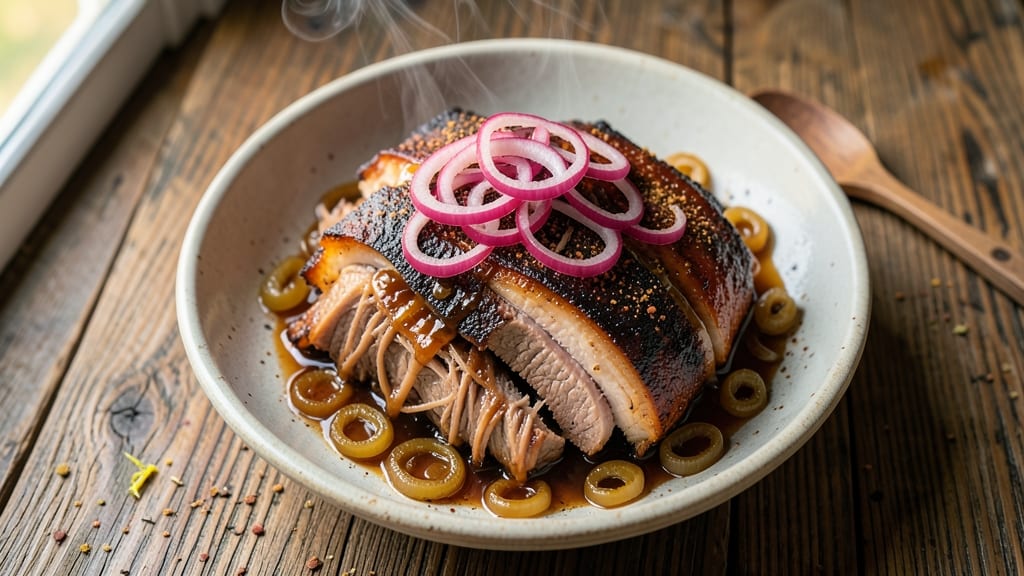
This smoked pulled pork recipe transforms your pellet grill into a pitmaster's dream—crispy bark that crackles with every bite and fall-off-the-bone tenderness that makes your guests beg for seconds. After years of perfecting the art on my own pellet grill, I’ve cracked the code for consistent, restaurant-quality results without the guesswork. The secret lies in precise temperature control, a foolproof rub, and letting the wood pellets do the heavy lifting while you sip sweet tea and watch the magic unfold.
What sets this recipe apart is the pellet grill’s ability to maintain steady heat—no more temperature swings or wasted fuel.
We’ll use a hickory-pecan blend for that classic BBQ flavor, but the real game-changer is the two-stage cook: a slow smoke to tenderize the meat, followed by a final crisp to seal in juices.
No need for a water pan or brisket wrap—just set it, forget it, and let the pellets work their magic. The result? Pork so tender it shreds with a fork, with a crust so crispy it’ll have your family reaching for seconds.
By the time you’re ready to serve, you’ll have juicy, perfectly seasoned pork that’s ready to be piled high on buns with tangy coleslaw or served alongside cornbread.
The rub—sweet, smoky, and just spicy enough—sticks to the meat like glue, creating that coveted bark that’s both flavorful and satisfying. This isn’t just pulled pork; it’s a showstopper that’ll have your neighbors asking for your secret.
Whether you’re hosting a backyard feast or feeding a hungry crew after a long day, this recipe delivers restaurant-quality results with minimal effort. The pellet grill handles the hard work while you focus on the fun part—grilling, chatting, and enjoying the process.
Let’s get started on the path to your best smoked pulled pork yet.
Ingredients for best smoked pulled pork recipe pellet grill
Five pounds of pork, a bold rub, and hickory-pecan pellets—this is your shortcut to showstopper smoked pulled pork.
| Ingredient | Amount | Notes |
|---|---|---|
| Boneless Pork Shoulder 🥩 | 5 lb | Well-marbled, trimmed of excess fat |
| Yellow Onion 🧅 | 1 whole | Medium size, sliced into rings |
| Apple Cider Vinegar 🍎 | ½ cup | For tenderizing, not cooking |
| Smoked Paprika 🌶️ | 2 tbsp | High-quality, for deep smoky flavor |
| Ground Black Pepper 🌶️ | 1 ½ tsp | Freshly cracked for best flavor |
| Granulated Garlic 🧄 | 1 ½ tsp | Fine grind for even distribution |
| Kosher Salt 🧂 | 1 ½ tsp | Diamond Crystal preferred |
| Brown Sugar 🍯 | 1 ½ tbsp | Light or dark, not packed |
| Ground Cumin 🌿 | 1 tsp | Toasted for deeper flavor profile |
| Hickory-Pecan Wood Pellets 🌳 | 2 bags | High-quality, 100% natural |
| Apple Juice 🍏 | ½ cup | For spritzing during cook |
| Butter 🧈 | ¼ cup | Unsalted, for final crisp |
| Fresh Thyme Leaves 🌿 | ¼ cup | Chopped, for garnish |
| Fresh Rosemary 🌿 | ¼ cup | Chopped, for garnish |
The pork shoulder is non-negotiable here—look for well-marbled cuts with that beautiful white fat speckling. Costco or local butchers usually carry the best, but any grocery store with a meat counter will have something suitable. Trim any large fat deposits, but leave the marbling intact—it’s what makes the meat tender. The hickory-pecan blend is essential for that classic BBQ flavor, but if you can’t find it, stick to 100% hickory—it’s still delicious. For the rub, Penzeys or local spice shops carry the best smoked paprika, but the grocery store stuff works in a pinch.
No smoked paprika? Substitute half the amount with regular paprika plus a pinch of liquid smoke. Fresh thyme and rosemary are ideal, but dried works at one-third the amount if you’re in a bind. The apple cider vinegar soak is critical—it breaks down muscle fibers for that fall-apart texture. Skip it and you’ll end up with tougher meat. For the final crisp, butter is key—use full-fat, unsalted for the best flavor. If you’re feeding a crowd, double the batch and use two pellet grills—trust me, you’ll want seconds.
This pork keeps beautifully—3-4 days in the fridge, 3 months frozen. The bark gets even better the next day, so make extra. For serving, pile it high on buns with tangy coleslaw and homemade BBQ sauce. The rub mix? Store in an airtight container for up to 6 months. I always make a double batch of rub—one for the pork, one to give away. It’s the kind of recipe that makes you the hero of every gathering.
Why You'll Love This Recipe
- Tangy-Smoky Magic: That vinegar cut? It’s the secret weapon—brightens the rich pork without overpowering it, and the paprika gives it this deep, woodsy warmth. Honestly, the first bite makes me forget I’m not at a BBQ joint.
- Leftover Goldmine: This recipe practically begs to be stretched. Shred it for tacos one night, sandwiches the next, and still have enough for fried rice by Thursday. My freezer’s always stocked with it.
- Budget BBQ Star: A whole pork shoulder costs less than takeout for two, and it feeds a crowd. Between us, this is how I feed my book club without breaking the bank—plus, the leftovers fund my coffee habit.
Step-by-step instructions for smoked pulled pork on a pellet grill
Here's how to transform a simple pork shoulder into restaurant-quality pulled pork with perfect bark and melt-in-your-mouth tenderness.
Prepare and Season the Pork Shoulder
Begin by trimming any excess fat from the 5 lb boneless pork shoulder, leaving about ¼ inch of fat cap for moisture during smoking. Pat the meat dry with paper towels - this helps the rub adhere better and promotes crispier bark later. In a small bowl, combine the 2 tbsp smoked paprika, 1.5 tsp granulated garlic, 1.5 tsp kosher salt, 1.5 tbsp brown sugar, 1.5 tsp ground black pepper, and 1 tsp ground cumin. Rub this mixture generously over all sides of the pork shoulder, pressing it into the meat so it penetrates deeply.
Place the seasoned pork in a large resealable plastic bag and pour in the 0.5 cup apple cider vinegar. Seal the bag and massage it gently for about 2 minutes to ensure the vinegar coats the meat evenly. This step tenderizes the meat and adds depth of flavor. Let the pork sit at room temperature for 1 hour before smoking - this allows the seasoning to fully penetrate and the meat to cook more evenly.
Set Up the Pellet Grill for Low and Slow Cooking
Fill your pellet grill with the 2 bags hickory-pecan wood pellets and preheat it to 225°F. This temperature range is crucial for achieving that perfect balance of tender meat with crispy bark. Once the grill reaches temperature and you see clean, blue smoke (not thick white vapor), place the pork shoulder fat-side up on the grill grate. The fat cap will render down and baste the meat as it cooks.
Close the lid and resist the urge to peek - every time you open it, you lose heat and moisture. Set a timer for 2 hours to give the pork a chance to develop that beautiful bark before we move to the next phase. During this initial cook, the exterior will form a dark crust while the interior remains tender and juicy.
Spritz and Monitor for the Stall
After the initial 2 hours, prepare the 0.5 cup apple juice in a spray bottle for spritzing. Every 90 minutes after this point, spray the pork generously with apple juice. This keeps the meat moist during the long cook and prevents it from drying out. The pork will cook until it reaches an internal temperature of 165-170°F - this is when you'll hit "the stall," where the temperature stops rising as moisture evaporates.
When you notice the temperature stall, it's time to wrap the pork. Line a large piece of aluminum foil with a layer of heavy-duty plastic wrap, then place the pork on it. Fold the foil up tightly to seal, creating an airtight package. This "Texas crutch" technique helps power through the stall while maintaining that crispy exterior. Return the wrapped pork to the grill and continue cooking until the internal temperature reaches 200-205°F and a probe slides in like butter with no resistance.
Rest and Finish with Butter and Herbs
Once the pork reaches the target temperature, remove it from the grill and let it rest in the foil for 1 hour. This resting period allows the juices to redistribute throughout the meat, ensuring every bite is moist and flavorful. While it rests, prepare the finishing touch: melt the 0.25 cup butter in a small saucepan over low heat, then stir in the 0.25 cup chopped fresh thyme leaves and 0.25 cup chopped fresh rosemary. Let the herbs infuse in the butter for about 2 minutes, then remove from heat.
After the resting period, carefully unwrap the pork and brush it generously with the herb-infused butter. The butter will add richness and help create that final crispy bark. Let it sit uncovered on the grill for 5-10 minutes to crisp up before shredding. Use two forks to pull the pork apart against the grain into ¼-inch thick strands. The result should be tender, juicy pulled pork with a beautiful dark bark and aromatic herb notes.
Pro Tips For Making Best Smoked Pulled Pork Recipe Pellet Grill
- Trim the Fat First: I learned this the hard way—skipping this step means greasy smoke and uneven cooking. Use a sharp knife to cut away the thickest layer of fat from the pork shoulder before seasoning; you’ll get cleaner smoke flavor and better bark formation on the pellet grill.
- Slice Onions Thin: Sounds weird, but it works: thinly sliced yellow onions (about 1/8-inch) caramelize faster and infuse the pork with sweetness without turning to mush. Toss them in the apple cider vinegar before adding them to the grill—this jumpstarts the flavor.
- Start at 275°F: After burning three batches of pork shoulder by going too hot too fast, I now swear by 275°F for the first 4 hours. This low-and-slow approach keeps the meat tender and lets the pellet grill’s smoke penetrate evenly—no need to rush.
- Spritz Every 90 Minutes: Dry rubs are great, but don’t let the pork shoulder dry out. Mix equal parts apple cider vinegar and water, then lightly spritz the meat every 90 minutes after the first 2 hours. It keeps the bark crispy while locking in moisture.
Best sauces and condiments for this dish
Classic BBQ Sauce
My go-to sauce for this pulled pork is a tangy-sweet blend that complements the smoky rub beautifully. Start with 1 cup ketchup, ½ cup apple cider vinegar, ¼ cup molasses, 2 tbsp brown sugar, 1 tbsp smoked paprika, and 1 tsp garlic powder.
Simmer for 15 minutes until thickened, then brush generously over the pork during the final 30 minutes of cooking. This adds gloss and depth without overpowering the natural flavors. 🍯
Spicy Vinegar Mop
For a kick, mix 1 cup apple cider vinegar, 2 tbsp hot sauce, 1 tbsp brown sugar, and 1 tsp cayenne pepper in a spray bottle. Use this instead of apple juice for spritzing—it adds heat and keeps the meat moist.
I like to spritz every 90 minutes after the initial bark forms. The vinegar cuts through the richness, and the cayenne wakes up your taste buds. 🌶️
Honey Butter Glaze
For a sweeter finish, melt ¼ cup butter with 2 tbsp honey and 1 tsp Dijon mustard in a small saucepan. Brush this glaze over the pork during the last 15 minutes of cooking to create a sticky, caramelized crust.
The honey balances the smokiness while the mustard adds a touch of tang. Save some glaze for drizzling over the final dish—it’s pure magic. 🍯
Herb Butter Compound
This is the finishing touch I mentioned earlier, but it’s worth repeating: melt ¼ cup butter with 2 tbsp chopped fresh thyme, 2 tbsp chopped fresh rosemary, and a pinch of salt. Brush this over the pork after unwrapping and let it crisp for 5-10 minutes.
The herbs infuse into the butter, adding an aromatic depth that elevates the dish. It’s simple but makes all the difference. 🌿
Creamy Coleslaw Dip
While the pork smokes, whip up a quick coleslaw dip by mixing 1 cup mayonnaise, 2 tbsp apple cider vinegar, 1 tbsp Dijon mustard, 1 tsp sugar, and ½ tsp celery seed.
Serve it alongside shredded cabbage and carrots for dipping. The tangy, creamy contrast is perfect for cutting through the rich, smoky pork. It’s a crowd-pleaser that takes minutes to make. 🥬
Smoky Chipotle Mayo
For a bold dip, blend ½ cup mayonnaise, 1 chipotle pepper in adobo sauce, 1 tsp smoked paprika, and ½ tsp garlic powder until smooth. This adds heat and smokiness to every bite.
I like to serve it on the side for those who want extra flavor. It’s especially good with warm buns or cornbread. 🔥
Nutrition facts
Frequently asked questions
Can I use a pork shoulder smaller or larger than 5 lbs?
Yes, but adjust your cook time accordingly. For every 1 lb less than 5 lbs, reduce cooking time by about 30-45 minutes. For larger cuts (up to 8 lbs), add 1-2 hours to the total time. The key is maintaining 225°F and reaching 200-205°F internally. Never rush the process—low and slow is what creates that perfect texture.
What's the best wood pellet flavor for pulled pork?
Hickory is the classic choice, but a hickory-pecan blend adds subtle sweetness that pairs beautifully with pork. Avoid fruit woods like cherry or apple—they can overpower the meat's natural flavor. For extra depth, try a hickory-oak blend, which gives a balanced smoky profile. Always use 100% natural pellets with no additives.
Why does my pellet grill struggle to maintain 225°F?
Pellet grills work best with the lid closed to maintain temperature. If you're still having issues, check for clogged vents or damp pellets—both can disrupt airflow. Preheat for 15-20 minutes before cooking, and avoid opening the lid frequently. For extra stability, use the grill's temperature lock feature if available. Most modern pellet grills can hold 225°F perfectly once properly set up.
Can I make this recipe without wrapping the pork?
You can try, but wrapping (the "Texas crutch") is the secret to that perfect balance of tender meat with crispy bark. Without it, you risk drying out the pork during the stall phase. If you prefer unwrapped, spritz with apple juice every 60 minutes and monitor closely—remove at 195°F internal temp to avoid overcooking. The bark will be less crispy, but the meat will still be delicious.
How do I know when the pork is fully cooked?
Use a meat thermometer inserted into the thickest part—the probe should read 200-205°F and slide in like butter with no resistance. The pork should pull apart easily with two forks. If it's still slightly firm, return it to the grill (wrapped) for 15-30 minutes more. Never guess—temperature is your best friend here!