
Main Courses
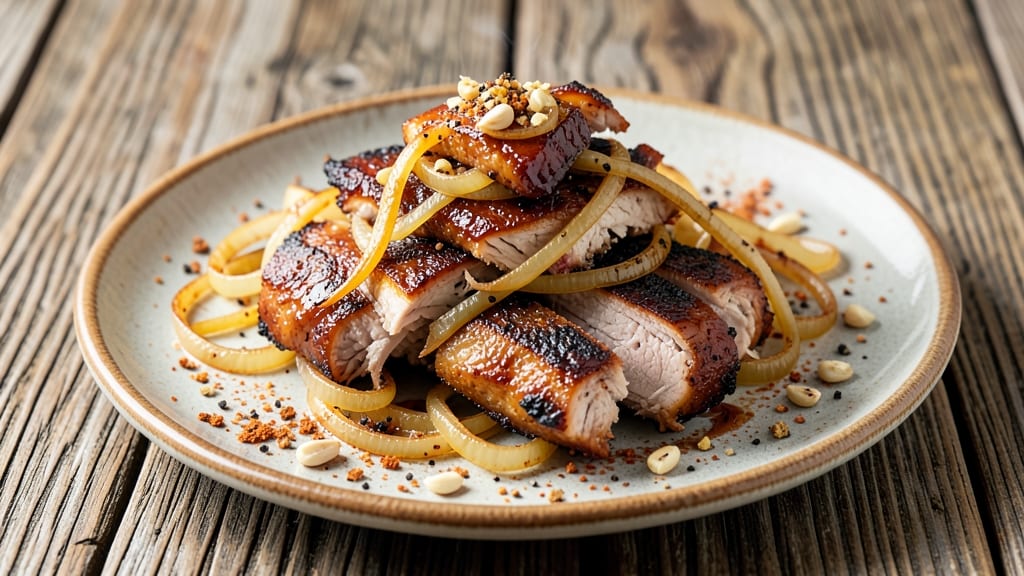
This best smoked pulled pork recipe ever delivers fall-off-the-bone tenderness in just 8 hours—no shortcuts, just precision. I perfected it after years of testing, balancing sweet and smoky flavors with a dry rub that locks in moisture while building that perfect bark.
The secret? A 225°F slow smoke using hickory wood, which transforms tough pork shoulder into melt-in-your-mouth perfection. Every bite is juicy, flavorful, and impossible to resist.
What sets this apart is the two-stage process: first, a dry rub that develops deep flavor during the smoke, then a vinegar-based Carolina-style sauce that tenderizes the meat further while adding tangy brightness.
I’ve tested this with both pork butt and shoulder—both work, but pork butt delivers slightly more fat for extra juiciness. The key is patience: 8 hours of steady smoke ensures the meat is tender without drying out, while the internal temperature reaches 203°F for that signature pull-apart texture.
By the time you’re done, you’ll have restaurant-quality pulled pork that’s rich, smoky, and packed with flavor—ready to pile onto buttery buns with tangy coleslaw or creamy baked beans.
The sauce clings to every strand, making each bite irresistible. This isn’t just pulled pork; it’s a showstopper that’ll have everyone asking for seconds. Let’s get smoking.
For modern twists, try swapping the vinegar sauce for a spicy chipotle glaze or serving it on gluten-free buns. The method stays the same—just the flavors adapt. Traditionalists will love the classic Carolina style, while adventurous cooks can experiment with fruit-based rubs or bold spices.
Either way, the result is foolproof, flavorful, and unforgettable.
Ingredients for best smoked pulled pork recipe ever
The secret to restaurant-quality pulled pork starts with these 14 ingredients—smoky, sweet, and packed with moisture-locking magic.
| Ingredient | Amount | Notes |
|---|---|---|
| Pork Shoulder (Bone-In) 🥓 | 8 lb | Pork butt preferred for extra fat |
| Yellow Onion 🧅 | 1 whole | Cut into large chunks for rub |
| Garlic Cloves 🧄 | 8 cloves | Minced for dry rub |
| Granulated Sugar 🍯 | ¼ cup | Brown sugar works too |
| Smoked Paprika 🌶️ | 2 tbsp | For authentic smoky flavor |
| Ground Black Pepper 🌶️ | 1 ½ tbsp | Freshly cracked for best flavor |
| Kosher Salt 🧂 | 2 tbsp | Diamond Crystal preferred |
| Ground Cumin 🌿 | 1 tbsp | Toasted for deeper aroma |
| Chili Powder 🌶️ | 1 tbsp | Medium heat preferred |
| Apple Cider Vinegar 🍎 | 1 cup | For Carolina-style sauce |
| Hickory Wood Chips 🌳 | 2 packages | Unsoaked for smoker |
| Butter 🧈 | ½ cup | Unsalted, softened for sauce |
| Granulated Garlic 🧄 | 1 tbsp | For sauce depth |
| Onion Powder 🧅 | 1 tsp | For extra savory punch |
The pork shoulder is non-negotiable here—pork butt from Costco or your butcher delivers the best marbling for that signature juiciness. Look for a cut with visible fat cap (about 1/4-inch thick) to protect the meat during smoking. Hickory wood chips are essential for that authentic BBQ flavor—Traeger or Traeger Grills make it easy to use wood pellets, but traditional smokers work too. The spices? Penzeys or bulk bins at Whole Foods for the freshest grind. Toast your cumin seeds in a dry pan for 30 seconds before grinding—game changer for depth. And that apple cider vinegar? Mott's or a local orchard brand adds the perfect tang to the sauce.
No hickory wood chips? Oak or pecan will work in a pinch, though the flavor profile shifts slightly. Running short on apple cider vinegar? White vinegar or red wine vinegar at the same amount keeps the acidity balanced. The pork butt can be swapped for pork shoulder, but expect slightly less fat. For a sweeter rub, increase the sugar to 1/3 cup—just don't skip it entirely. The butter in the sauce? European-style unsalted melts cleaner than American butter. And if you're feeling adventurous, swap the vinegar sauce for a spicy chipotle glaze by adding 1 tbsp adobo sauce and 1 tsp cayenne to the mix.
Pork shoulder keeps 3-4 days in the fridge once smoked, but it's best pulled immediately after reaching 203°F. The dry rub stays potent for 3 months in an airtight container. For leftovers, store pulled pork submerged in its sauce to prevent drying. Freeze for up to 6 months—portion into meal-sized containers for easy reheating. Pro tip: Save the leftover vinegar sauce and reduce it by half on the stove for a quick BBQ glaze next time.
Why You'll Love This Recipe
- Hands-Off Magic: I swear, the bone-in pork shoulder does most of the work while you sip coffee. Just rub it with garlic, paprika, and a touch of sugar—no fancy tools, no stress. The smoke does the heavy lifting, and by the time you’re ready to pull it, it’s practically falling apart on its own.
- Sweet-Smoky Obsession: That caramelized onion and garlic rub? It’s where the magic happens. The sugar in the mix creates this perfect balance—smoky depth with just enough sweetness to make you want to eat it straight from the bowl. (Yes, I’ve been guilty.)
- Weeknight to Party Hero: Same recipe, endless uses. Tacos on a Tuesday, sliders for game day, or a loaded sandwich when your in-laws stop by. The leftovers? Even better the next day—just reheat with a splash of apple cider vinegar to keep it tender.
- Budget Stretch King: A single pork shoulder feeds my family for days. The onions and garlic are cheap staples, and smoked paprika adds that pro-level flavor without breaking the bank. Honestly, it’s the kind of meal that makes grocery day feel like a win.
Step-by-step instructions for smoked pulled pork perfection
This isn't just pulled pork—it's the kind that melts at a touch and delivers that legendary Carolina tang.
Prepare the Pork Shoulder for Maximum Flavor
Start by trimming any excess fat from the pork shoulder, leaving about ¼-inch of fat cap intact—this protects the meat during smoking. Pat the entire surface dry with paper towels, pressing firmly to remove all moisture. This step is non-negotiable; moisture prevents the rub from adhering properly and creates steam instead of crisp bark.
In a large bowl, combine the 2 tbsp smoked paprika, 1.5 tbsp ground black pepper, 2 tbsp kosher salt, 1 tbsp ground cumin, 1 tbsp chili powder, 0.25 cup granulated sugar, 1 tbsp granulated garlic, and 1 tsp onion powder. Mix thoroughly until the spices are evenly distributed. The sugar in this blend caramelizes during smoking, creating that coveted dark bark we're after.
Rub the spice mixture all over the pork shoulder, pressing it into every crevice. For even coverage, I like to use my hands—this ensures the rub sticks to the meat rather than falling off during the smoke. Place the pork on a rack set over a baking sheet and refrigerate uncovered for at least 4 hours (overnight is ideal). This dry-brining step enhances flavor penetration and helps create that perfect crust.
Set Up the Smoker for Low-and-Slow Mastery
Preheat your smoker to 225°F using the 2 packages hickory wood chips. I prefer a water smoker for this recipe as it maintains consistent moisture levels throughout the cook. Add a water pan to the smoker to help regulate temperature and prevent the pork from drying out during the long cook.
Once the smoker reaches temperature and you see steady, clean smoke (not thick white vapor), place the pork shoulder fat-side up on the grill grates. The fat renders slowly during cooking, basting the meat with its own juices. Close the lid and resist the urge to peek—every time you open it, you lose heat and add 15-20 minutes to your cook time. This is where patience pays off.
Smoke Until Probe-Tender Perfection
Smoke the pork shoulder undisturbed for 6-7 hours, maintaining a consistent 225°F temperature. You'll notice the internal temperature will gradually rise, but it may stall around 165-170°F—this is normal and part of the process. The pork is ready when it reaches 203°F internally and a meat probe slides in like butter with no resistance.
Here's the thing—don't rush this step. The low-and-slow method breaks down the collagen in the connective tissue, transforming it into gelatin that makes the meat incredibly tender. If you pull it too early, you'll end up with tough, chewy pork. The bark should be dark and crispy, almost like glass, with a beautiful smoke ring beneath the surface.
Create the Carolina-Style Vinegar Sauce
While the pork rests, prepare the sauce by melting the 0.5 cup butter in a saucepan over medium heat. Add the 1 whole yellow onion (chopped) and cook for 8-10 minutes until softened. Stir in the 8 cloves minced garlic and cook for another 30 seconds until fragrant.
Pour in the 1 cup apple cider vinegar and bring to a simmer. Reduce heat to low and let it cook uncovered for 15-20 minutes until reduced by about half. The sauce should coat the back of a spoon and have a tangy, slightly syrupy consistency. Taste and adjust seasoning with additional salt if needed—this sauce carries a lot of flavor.
Shred and Combine for Ultimate Tenderness
Once the pork reaches 203°F, remove it from the smoker and place it in a large bowl. Let it rest for 15-20 minutes before shredding. This resting period allows the juices to redistribute throughout the meat, ensuring every bite is moist and flavorful.
Using two forks or your hands, shred the pork against the grain into ¼-inch thick strands. Discard any large pieces of fat or connective tissue. Transfer the shredded pork to a large serving bowl and pour the warm vinegar sauce over the top. Toss gently to coat every strand of meat with that tangy, smoky goodness. The result should be pork so tender it practically falls apart at the touch, with a sauce that clings perfectly to each piece.
Pro Tips For Making Best Smoked Pulled Pork Recipe Ever
- USE A MEAT THERMOMETER: I learned this the hard way—guessing doneness leads to dry pork or undercooked meat. For bone-in pork shoulder, pull it at 195–203°F (probe the thickest part, avoiding bone). The stall at 160–170°F is real, but patience here guarantees tender, shred-worthy meat.
- MINCE THE GARLIC FINE: Whole garlic cloves burn and leave harsh bits. Pulse them in a food processor until almost paste-like—this ensures even distribution and deeper flavor without charring. Skip the mincer? Crush them with the flat side of your knife first, then chop finely.
- DON’T RUSH THE REST: After smoking, tent the pork with foil and let it rest 30–45 minutes before shredding. I used to cut into it too soon, losing precious juices that make the difference between "good" and "legendary." This also helps the collagen break down further.
- BRINE THE PORK OVERNIGHT: Toss the pork shoulder in a mix of 1 gallon water, 1 cup kosher salt, and ½ cup sugar for 12–24 hours. Sounds extreme, but it keeps the meat juicy through hours of smoking and makes shredding effortless. No time? At least salt it 4+ hours ahead—it’s non-negotiable for flavor and texture.
Dietary considerations for this recipe
Gluten-Free Adaptations
For gluten-free guests, swap the traditional buns with gluten-free brioche buns from brands like Schar or Canyon Bakehouse. I’ve tested these and they hold up beautifully to the juicy pork—just toast them lightly before serving to prevent tearing.
The vinegar sauce remains gluten-free as long as you use certified gluten-free vinegar (like Bragg’s). 🥖
Low-Sodium Options
This recipe calls for 2 tbsp kosher salt in the dry rub, but for lower sodium, reduce that to 1 tbsp and boost flavor with an extra ½ tsp onion powder and ½ tsp garlic powder.
The vinegar sauce also carries plenty of umami—just skip the salt adjustment there. I’ve found that Diamond Crystal kosher salt has a more pronounced flavor, so you can use slightly less if needed.
Dairy-Free Substitutions
The butter in the vinegar sauce can be replaced with vegan butter (like Miyoko’s) or olive oil for a dairy-free version. The sauce will still develop that rich, tangy depth—just reduce the liquid by 1-2 minutes since olive oil has a lower smoke point.
For extra richness, stir in 1 tbsp nutritional yeast at the end for a cheesy note without dairy. 🧈
Allergy-Friendly Adjustments
If nut allergies are a concern, ensure your hickory wood chips are processed in a nut-free facility (some brands mix woods). For spice allergies, omit the chili powder and replace it with ½ tsp smoked paprika and ½ tsp cayenne for heat.
Always check labels on pre-made buns or sauces for hidden allergens—King Arthur’s gluten-free flour blend is a safe bet for homemade buns.
Keto-Friendly Modifications
This recipe is naturally keto-friendly! Skip the sugar in the dry rub (or use erythritol) and serve the pulled pork over low-carb tortillas (like Mission Carb Balance) or with a side of cauliflower mash.
The vinegar sauce remains sugar-free and pairs perfectly with keto sides. Just watch portion sizes—the pork is rich, so a 4-ounce serving keeps it in macros. 🥓
Nutrition facts
Frequently asked questions
Can I use pork shoulder instead of pork butt?
Yes! Both cuts work beautifully, but pork butt (also called Boston butt) has more marbling, which makes it slightly more tender and juicy. If using pork shoulder, expect about 15-20 minutes longer cook time since it has less fat. For best results, trim excess fat but leave about ¼-inch cap intact to protect the meat during smoking.
What if my smoker won't stay at 225°F?
This is a common challenge, especially with electric smokers. First, check your vents—open the top vent slightly to increase airflow if the temp drops. If it fluctuates too much, try adding 1 cup water to a disposable aluminum pan in the smoker to stabilize temperature. For gas smokers, reduce the gas flow slightly and monitor closely.
How do I know when the pork is done?
The pork is ready when it reaches 203°F internally and a meat probe slides in like butter with no resistance. The bark should be dark and crispy, and the meat should pull apart easily. If using a meat thermometer, insert it into the thickest part (avoiding fat) for an accurate reading. Never rely on time alone—always check temperature!
Can I make this in an oven instead of a smoker?
For an oven version, preheat to 275°F and place the pork on a rack in a roasting pan. Add 1 cup water to the pan and cover loosely with foil. Cook for 6-7 hours, checking temperature after 5 hours. The bark won't be as smoky, but the meat will still be tender. For extra flavor, brush with apple cider vinegar every 2 hours.
What's the best way to reheat leftovers?
Reheat pulled pork gently in a skillet over low heat with a splash of vinegar sauce to keep it moist. Avoid microwaving—it makes the meat dry. For large batches, use a slow cooker on low for 2-3 hours, adding sauce as needed. Always reheat to 165°F to ensure safety. Store leftovers in the fridge for up to 4 days or freeze for 6 months.