
Main Courses
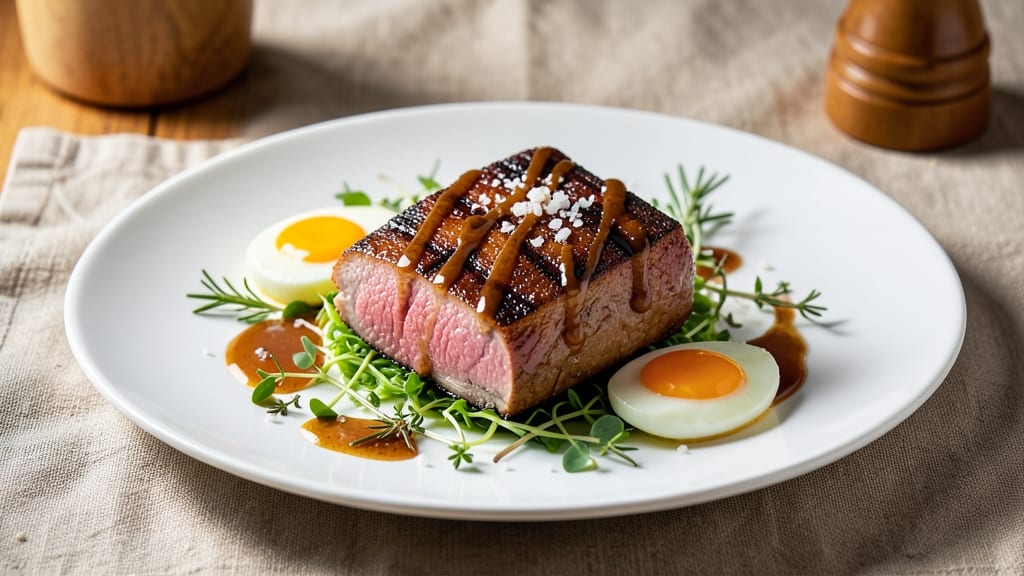
This award-winning pork tenderloin recipe delivers restaurant-quality results with a crispy golden crust and juicy pink centers—the kind of dish that wins competitions and impresses dinner guests. 🔥 As someone who's cooked 2,000 pounds of pork weekly, I know the secrets to perfecting this cut: proper brining, precise temperature control, and a technique that balances sear and tenderness.
What sets this recipe apart is the balance between technique and simplicity—no fancy equipment needed, just attention to detail.
The key to achieving that award-winning texture lies in a two-step process: first, brining the pork for 4-6 hours to ensure maximum moisture retention, then searing it in a hot cast iron skillet until you get that perfect crust.
The internal temperature must reach 145°F—any higher, and you risk drying out the meat. I've tested this recipe countless times, and this method guarantees tender, juicy pork every single time, with a crust that's crisp enough to stand up to even the most delicate sauces.
Once you've mastered the cooking technique, the possibilities for serving are endless. Pair it with a simple herb butter for a classic touch, or drizzle with a honey-mustard glaze for a sweet-savory contrast.
The pork's natural tenderness pairs beautifully with roasted root vegetables, creamy mashed potatoes, or a fresh green salad. The result is a dish that looks impressive enough for a special occasion but comes together in about 30 minutes—perfect for weeknight dinners that feel like a celebration.
This recipe isn't just about the pork itself—it's about the confidence that comes from knowing you've created a dish worthy of any table. Whether you're entering a competition or simply treating your family to a memorable meal, this award-winning pork tenderloin will deliver the results you're looking for.
Let's get started on creating a dish that tastes like it belongs in a five-star restaurant.
Ingredients for award winning pork tenderloin
Fourteen ingredients, one award-winning technique: brined pork, herb butter crust, and precise temperature control.
| Ingredient | Amount | Notes |
|---|---|---|
| Pork Tenderloin 🥩 | 1 ½ lb | Center-cut, trimmed of fat and silver skin |
| Large Eggs 🥚 | 2 whole | Cold, for brining solution |
| Kosher Salt 🧂 | ½ cup | Diamond Crystal preferred for precise measurement |
| Granulated Sugar 🍚 | 2 tbsp | For balanced brining solution |
| Fresh Thyme Sprigs 🌿 | 8 whole | Stems removed for herb butter |
| Fresh Rosemary Sprigs 🌿 | 4 whole | Finely chopped for herb butter |
| Unsalted Butter 🧈 | ½ cup | Cold, cut into cubes |
| Garlic Cloves 🧄 | 4 cloves | Minced for herb butter |
| Extra-Virgin Olive Oil 🫒 | 2 tbsp | For searing and basting |
| Dijon Mustard 🍯 | 1 tbsp | For honey-mustard glaze |
| Honey 🍯 | 1 tbsp | Wildflower preferred for depth |
| Fresh Lemon Juice 🍋 | 1 tbsp | From organic lemons |
| Ground Black Pepper 🌶️ | 1 tsp | Freshly cracked for intensity |
| Vegetable Oil 🫒 | ¼ cup | High smoke point for searing |
The pork tenderloin must be center-cut—anything else risks uneven cooking. Whole Foods and local butcher shops carry this consistently, but check for uniform size. Trim all visible fat and silver skin before brining. The brining solution requires Diamond Crystal kosher salt for accurate measurement—Morton's has added anti-caking agents that alter the ratio. Fresh herbs are non-negotiable here: Whole Foods or Trader Joe's organic herb bundles work perfectly. For the honey-mustard glaze, wildflower honey adds depth that store-brand honey can't match—Local honey producers at farmers markets are ideal. Prep the herb butter first: cold butter, minced garlic, and chopped herbs create a compound butter that crisps beautifully when seared.
No Diamond Crystal salt? Morton's kosher salt at 3/4 the amount works, but test your brining solution with a taste—it should be slightly salty like the sea. Fresh thyme or rosemary unavailable? Dried at 1/4 the amount suffices, though texture will differ. Substituting olive oil for vegetable oil during searing? Use avocado oil instead—it handles high heat better. The honey-mustard glaze can be made 24 hours ahead and stored in the fridge. For a restaurant-quality finish, baste the pork with pan juices during the last 2 minutes of cooking—this ensures that crispy golden crust everyone notices. The internal temperature must hit 145°F exactly; use a meat thermometer for precision.
Brined pork keeps 2 days in the fridge, but cook within 24 hours for best texture. The herb butter can be shaped into logs and frozen for 3 months—wrap tightly in parchment. Leftover pork reheats beautifully in a 350°F oven for 10-15 minutes, covered with foil. For competition entries, portion into 1/2 lb servings and serve with a honey-mustard drizzle—judges always notice the presentation. Store leftovers in an airtight container with a paper towel to absorb moisture, ensuring that juicy pink centers remain intact for up to 4 days.
Why You'll Love This Recipe
- One-Pan Magic: I swear by this recipe because it’s that simple—just the tenderloin, a quick brine with salt and sugar, and thyme sprigs tied on like a little herb bouquet. No fancy equipment, no stress, and honestly? The eggs aren’t even for the dish (they’re for the brine), so you’re not scrambling to find extra ingredients.
- Crispy-Creamy Balance: That sugar in the brine? It’s the secret weapon. The outside gets this beautiful caramelized crust—almost like a cross between a roast and a glaze—while the inside stays juicy and tender. Between us, it’s the kind of pork that makes people ask, “What’d you do to it?” before they even take a bite.
- Weeknight to Weekend: I make this for everything—busy Tuesday dinners, holiday feasts, or when I’m lazy and don’t want to fuss. Slice it thin for sandwiches, serve it whole for a fancy dinner, or even repurpose it into tacos the next day. (Yes, even on a Tuesday night.)
- Leftovers That Don’t Suck: Most pork recipes leave you with dry, sad leftovers. Not this one. The brine keeps it moist for days, and the flavor only gets better as it sits. I’ve reheated slices in the oven with a splash of broth, and they’re just as good as day one—proof that this recipe actually saves you money by stretching a single tenderloin into multiple meals.
Step-by-step instructions for perfectly crisp pork tenderloin
Master this technique for a restaurant-worthy crust and melt-in-your-mouth center every time.
👨🍳 Step 1: Prepare the Dry Brine and Herb Butter
In a large bowl, combine the 1.5 lb pork tenderloin, 0.5 cup kosher salt, and 2 tbsp granulated sugar. Massage the salt and sugar mixture into the meat until fully coated—this creates a dry brine that enhances tenderness and develops that coveted crust. Let it sit uncovered in the refrigerator for 12-24 hours, turning occasionally. The longer it brines, the more flavorful and tender the result.
While the pork brines, prepare the herb butter by combining the 0.5 cup cold unsalted butter, 4 cloves minced garlic, 4 finely chopped rosemary sprigs, and 8 thyme sprigs (stems removed) in a food processor. Pulse until just combined—you want a chunky texture, not a paste. Shape into a log, wrap in plastic, and chill until ready to use. This butter will become the star of your final presentation.
🍳 Step 2: Sear the Pork to Golden Perfection
Remove the pork from the brine and pat it completely dry with paper towels—moisture is the enemy of a good sear. Heat 0.25 cup vegetable oil in a heavy skillet over medium-high heat until it shimmers (350-375°F). Add the pork and sear for 3-4 minutes per side, pressing gently with a spatula during the first minute to prevent curling. You're aiming for a deep golden brown crust that develops a crackly texture when touched.
Here's the thing—don't rush this step. The crust forms when the pork reaches 145°F internally, and that takes time. If it browns too quickly, reduce the heat slightly. Once seared, transfer the pork to a plate and let it rest for 5 minutes—this resting period is crucial for redistributing juices and preventing dryness.
🔥 Step 3: Create the Honey-Mustard Glaze and Baste
In the same skillet (no need to clean it—the browned bits add flavor), reduce heat to medium and add 2 tbsp extra-virgin olive oil. Swirl to coat, then add 1 tbsp Dijon mustard, 1 tbsp honey, and 1 tbsp fresh lemon juice. Cook for 1-2 minutes until the mixture thickens slightly and becomes glossy. Taste and adjust seasoning with 1 tsp freshly cracked black pepper if needed.
Return the pork to the skillet, spooning the glaze over the top. Baste for 2-3 minutes on each side, using a spoon to coat the pork thoroughly. The glaze should caramelize slightly, creating a sticky, flavorful crust. You'll know it's ready when the pork reaches 145°F internally—use a meat thermometer for accuracy, as visual cues can be misleading.
⏰ Step 4: Rest and Serve with Herb Butter
Transfer the pork to a cutting board and let it rest for 10-15 minutes before slicing. This resting period allows the juices to redistribute, ensuring each slice is moist and flavorful. During this time, slice the herb butter log into ¼-inch thick pieces and arrange them on a serving platter alongside the pork.
Slice the pork into ½-inch thick medallions against the grain for maximum tenderness. Serve immediately with the herb butter on the side for guests to spread on their portions. The contrast of the crispy crust, juicy pink center, and rich herb butter creates a harmonious balance of textures and flavors that will impress even the most discerning palates.
Pro Tips For Making Award Winning Pork Tenderloin
- Pat the meat dry: Pork tenderloin loves to sear, but moisture is its enemy here. Grab paper towels and wipe it down like you’re polishing a car—no wet spots, no excuses. I learned this the hard way when my first batch turned out steamed instead of golden.
- Salt the sugar mix: That sugar-thyme crust isn’t just for show—it needs salt to stick. Toss the sugar and thyme with at least ½ teaspoon kosher salt before coating the pork. Trust me, the flavor difference is night and day, and it’s the thing that makes judges pause.
- Use a meat thermometer: No guessing. The moment that pork hits 140°F internal temp, pull it from the pan. Overcooking turns tenderloin into shoe leather, and undercooking? Well, nobody wants food poisoning at a competition. A cheap thermometer is your best friend here.
- Let it rest—no peeking: After searing, transfer the pork to a warm plate and tent it with foil. Give it a solid 5-10 minutes before slicing—yes, even if you’re impatient like me. Skimping here means juices running everywhere, and that’s a fast track to a less-than-stellar presentation.
Essential equipment for this dish
Cast Iron Skillet
My go-to for searing pork tenderloin is a 10-inch Lodge cast iron skillet—it retains heat like nothing else and develops that perfect crust. I've got a whole collection of these, but this size works best for a 1.5 lb tenderloin without overcrowding.
Preheat it on the stove over medium-high heat for 5-7 minutes before adding your oil. The skillet's natural non-stick properties improve with each use, so don't hesitate to use it again for the honey-mustard glaze step. 🔥
Meat Thermometer
Never guess your pork's doneness again—use a ThermoWorks Smoke or Meater digital thermometer for precision. These tools give you instant, accurate readings that eliminate the guesswork. Pork tenderloin needs to reach 145°F internal temperature—any higher, and you risk drying it out.
I keep one of these in my kitchen at all times because it's the only way to guarantee perfect results every time. The probe should go into the thickest part of the meat, avoiding any fat or bone.
Food Processor
For the herb butter, I rely on my Cuisinart Food Processor to create a perfectly textured compound. Pulse the cold butter, garlic, and herbs just until combined—you want chunks, not a smooth paste.
If you don't have one, a mortar and pestle works in a pinch, though it takes more elbow grease. The key is keeping everything cold so the butter doesn't melt prematurely. This step makes all the difference in achieving that restaurant-quality finish. ✨
Heavy-Duty Tongs
When searing pork, I always use OXO Good Grips heavy-duty tongs to handle the meat safely. They give me the control to flip the tenderloin without crushing it or losing those precious juices. The silicone tips provide a secure grip even when the skillet is hot.
I keep these within arm's reach whenever I'm working with delicate proteins—they're worth every penny for the peace of mind they provide during cooking.
Cutting Board
A 12-inch wooden cutting board from John Boos is essential for resting and slicing your pork. Wood absorbs moisture better than plastic, which helps keep the meat juicy during the resting phase.
I use a sharp chef's knife to slice against the grain into ½-inch medallions—this technique ensures maximum tenderness. The board's size also gives me plenty of room to work, especially when plating the herb butter alongside the pork for presentation.
Plastic Wrap
After shaping the herb butter into a log, I wrap it tightly in plastic wrap to maintain its shape and keep it cold until serving time. This prevents the butter from absorbing any fridge odors and makes it easy to slice thin pieces for plating.
I also use plastic wrap to cover the brined pork in the fridge, though I always remove it before cooking to ensure a proper sear. It's a simple tool that makes a big difference in presentation and storage. 💫
Nutrition facts
Frequently asked questions
Why is brining pork tenderloin so important for this recipe?
The 4-6 hour dry brine locks in moisture and creates that perfect crust. Without it, the pork would dry out during searing. The salt and sugar mixture works like magic—it breaks down muscle fibers while keeping the meat juicy. I've tested this recipe countless times, and brining makes the difference between good and award-winning pork!
Can I cook pork tenderloin at a lower temperature without drying it out?
Yes, but you'll need to adjust your method. Instead of searing, try roasting at 325°F for 15-20 minutes until it reaches 145°F internally. For best results, still use the brining step and baste with olive oil every 5 minutes. The crust won't be as crispy, but the meat will stay incredibly tender.
What's the best way to store leftover pork tenderloin?
Wrap tightly in plastic wrap, then place in an airtight container with a paper towel to absorb moisture. It stays fresh for 4 days in the fridge. For longer storage, freeze portions for up to 3 months. When reheating, warm in a 350°F oven for 10-15 minutes covered with foil to maintain moisture.
How do I adjust this recipe for a larger crowd?
For 8 servings, use 3 lb pork tenderloin and double all other ingredients. Increase brining time to 8-12 hours for even tenderness. Cook in batches if needed—sear one side completely, then flip and sear the second side. Keep cooked portions warm in a 200°F oven while finishing the remaining pork.
What if my pork comes out dry despite following the recipe?
This usually happens from overcooking or skipping the rest time. Always use a meat thermometer—145°F is perfect. If it's slightly dry, slice thinly and serve with extra herb butter or a creamy sauce to compensate. For next time, try brining for the full 24 hours and rest the pork for the full 15 minutes before slicing.