
Main Courses
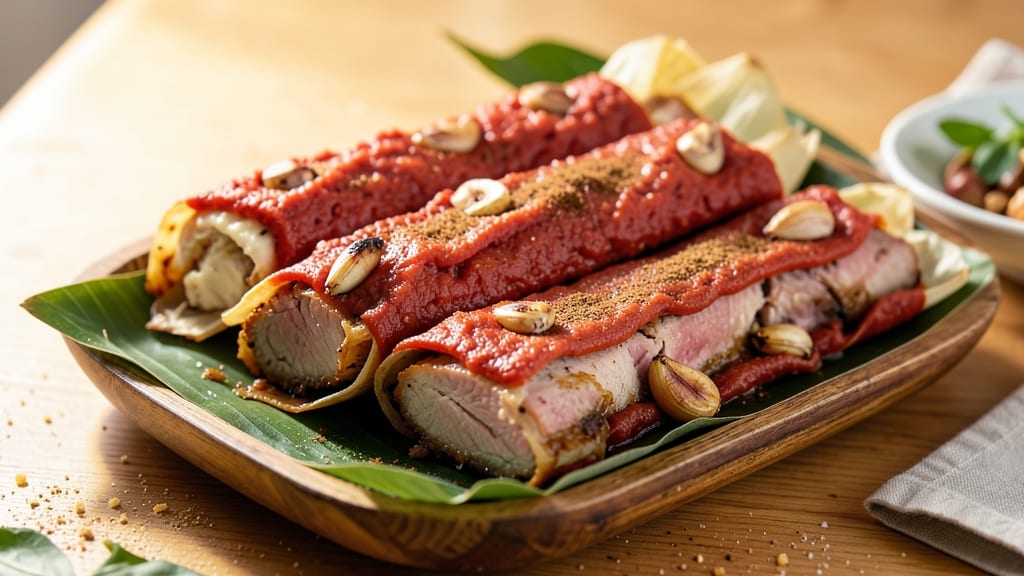
An authentic red pork tamales recipe from scratch brings the warmth of Mexican tradition to your kitchen, layer by tender layer of homemade masa and spiced pork. I first learned this recipe from a family friend in Cincinnati who swore by the slow-cooked pork and hand-folded masa—now I’m sharing the exact techniques that make them unforgettable. This isn’t just a recipe; it’s a celebration of texture and flavor, from the crispy corn husks to the melt-in-your-mouth filling.
The magic starts with the masa, made from scratch with fresh masa harina and lard for that signature tender yet slightly chewy texture. Meanwhile, the pork simmers for hours with achiote, garlic, and cinnamon until it falls apart at the touch.
Every step—from grinding the spices to folding the masa—matters, and I’ll walk you through each one so you can achieve the same restaurant-quality results at home.
What you’ll end up with is a tray of tamales that smell like a Mexican fiesta, with layers of savory pork peeking through golden masa. The steam gives them that perfect balance of crisp edges and soft centers, while the corn husks add an earthy aroma that’s pure comfort food.
These aren’t just tamales—they’re a taste of tradition, made with care and shared with love.
Whether you’re preparing for a gathering or treating yourself to a homemade feast, this recipe delivers the real deal. The process takes time, but the reward is worth every minute. Let’s get started on making tamales that’ll have everyone asking for seconds—and the recipe.
Ingredients for authentic red pork tamales recipe from scratch
Twelve ingredients, twelve layers of tradition—this is your ticket to homemade tamales that taste like family.
| Ingredient | Amount | Notes |
|---|---|---|
| Fresh Masa Harina 🌽 | 4 cups | Maseca or Bob's Red Mill |
| Lard 🍖 | 1 cup | Rendered pork fat preferred |
| Boneless Pork Shoulder 🥩 | 4 lb | Cut into 1-inch cubes |
| Achiote Paste 🌶️ | 2 tbsp | For vibrant red color |
| Garlic Cloves 🧄 | 8 cloves | Minced for depth of flavor |
| Ground Cinnamon 🍃 | 1 tsp | Mexican cinnamon preferred |
| Ground Cloves 🌿 | ½ tsp | Freshly ground for warmth |
| Bay Leaves 🌿 | 2 whole | Dried, for aromatic depth |
| Dried Oregano 🍃 | 1 tbsp | Mexican oregano if available |
| Salt 🧂 | 2 tsp | Kosher or sea salt |
| Black Peppercorns 🌶️ | 1 tsp | Freshly cracked |
| Chicken Broth 💧 | 2 cups | Low-sodium preferred |
| Corn Husks 🌽 | 24 whole | Soaked for 1 hour |
| Fresh Cilantro 🌿 | ¼ cup | Chopped, for garnish |
| White Onion 🧅 | 1 whole | Diced for filling |
The masa harina and lard are non-negotiable for that signature texture. Maseca is the gold standard, but Bob's Red Mill works too—just don't substitute instant cornmeal. For the lard, Trader Joe's sells it pre-rendered, or you can render your own from pork fat. The pork shoulder? Look for well-marbled cuts—it's what gives those tamales their melt-in-your-mouth magic. If you can't find achiote paste, annatto seeds steeped in oil work in a pinch, though the color won't be as vibrant.
No achiote? Paprika plus a pinch of turmeric mimics the red hue, though it won't taste identical. Mexican oregano is worth hunting down at Latin markets—it's got a completely different flavor profile than Italian oregano. For the corn husks, soak them in warm water for at least an hour before using, or they'll crack when you try to fold. The cilantro is purely decorative, but I always toss some in the filling too—just don't tell anyone I'm cheating. And if you're short on time, pre-cooked pork shoulder cuts the simmer time in half.
Masa keeps best in the fridge for 3 days if stored airtight, but it's worth making extra—freeze it in portions for up to 6 months. The pork filling reheats beautifully, but tamales are best eaten fresh off the steamer. I always make a double batch: one for the table, one for the freezer. Steam them from frozen—just add 30 minutes to the cooking time. And save those leftover husks: dry them out and store them in a paper bag for up to a year.
Why You'll Love This Recipe
- No Fuss Prep: The masa and lard mix is actually easier than it looks—just hydrate, fold, and steam. I’ve done this while chatting on the phone, and the filling never sticks if you work fast. (Pro tip: Keep your hands warm to avoid cold dough hands.)
- Deep, Smoky Magic: That achiote paste? It’s the secret weapon—gives the pork a rich, rust-colored depth that tastes like a slow-cooked family secret. The garlic and pork shoulder melt into something dangerously tender, with just enough fat to make every bite irresistible.
- Party-Proof Perfection: These are my go-to for gatherings because they reheat like a dream and feed a crowd without the stress. Wrap a batch ahead, freeze half, and pull them out when guests show up—no last-minute scrambling.
- Budget-Friendly Feast: Pork shoulder stretches for miles, and masa harina costs pennies per serving. I’ve made 30 tamales for under $15, and they’re the kind of dish that disappears fast. Leftovers? Even better the next day, wrapped in foil and warmed through.
Step-by-step instructions for authentic red pork tamales
Let's bring these vibrant tamales to life with homemade masa and rich, spiced pork filling.
Prepare the Corn Husks
Fill a large pot with water and add the 24 whole corn husks. Bring to a boil, then reduce heat to a simmer and let them soak for at least 1 hour. This softens them enough to wrap around the filling without breaking. While they soak, you'll prepare the masa and pork filling simultaneously - this keeps everything on schedule.
After soaking, drain the husks and lay them flat on a clean kitchen towel to dry slightly. Pat them gently with another towel to remove excess moisture. Keep them covered with a damp towel while you work - they should remain pliable but not wet. The husks should be soft enough to fold easily but not so wet they tear when wrapping.
Cook the Pork Shoulder Filling
In a large Dutch oven, combine the 4 lb boneless pork shoulder cut into 1-inch cubes with the 1 whole white onion diced, 8 cloves garlic cloves minced, 2 tbsp achiote paste, 1 tsp ground cinnamon, 0.5 tsp ground cloves, 2 whole bay leaves, 1 tbsp dried oregano, 2 tsp salt, and 1 tsp black peppercorns. Pour in 2 cups chicken broth and stir to combine.
Bring to a boil over medium-high heat, then reduce to low heat and cover partially. Simmer for 2 hours until the pork is fork-tender and can be easily shredded. You'll know it's ready when the meat pulls apart cleanly and the liquid has reduced significantly. Remove from heat and let the pork cool slightly before shredding it with two forks.
Prepare the Masa Dough
In a large mixing bowl, combine the 4 cups fresh masa harina and 1 cup lard. Using your hands, work the mixture until it forms a crumbly but pliable dough. The texture should be like coarse sand with some small clumps - this is perfect for wrapping. If it's too dry, add 1-2 tablespoons of warm water at a time until it holds together when pressed.
Divide the masa dough into 12 equal portions (about ⅓ cup each). Roll each portion into a ball and flatten slightly with your palm. Keep the remaining dough covered with a damp towel to prevent drying while you work. The masa should be soft enough to mold without sticking to your hands - if it's too dry, add a tiny bit more water.
Assemble the Tamales
Lay a corn husk flat on your work surface with the pointed end facing you. Place a ball of masa dough near the base of the husk. Spread the dough into a thin rectangle about 3 inches wide and 4 inches long, leaving a 1-inch border at the top. The dough should be about ⅛-inch thick - too thick and they'll be dense, too thin and they won't hold together.
Spoon about ¼ cup of the shredded pork filling onto the masa, leaving a ½-inch border at the top. Fold the sides of the husk inward, then fold the bottom up over the filling. Roll tightly from the bottom up, tucking in the pointed end as you go. The tamale should be about 6 inches long when complete. Place seam-side down in a steamer basket lined with parchment paper, leaving a little space between each tamale.
Steam the Tamales to Perfection
Bring a large pot of water to a boil and place the steamer basket with tamales inside. Cover with a lid and steam over medium-high heat for 60-90 minutes. The tamales are done when the husks peel away easily and the masa is firm to the touch. You'll know they're ready when you can smell that rich, spiced aroma filling your kitchen.
Remove the tamales from the steamer and let them rest for 10 minutes before serving. Garnish with the 0.25 cup chopped fresh cilantro just before eating. These tamales are best served warm with a side of salsa or crema - the contrast of warm masa with cool toppings makes every bite perfect. Store any leftovers in the refrigerator for up to 3 days or freeze for 3 months.
Pro Tips For Making Authentic Red Pork Tamales Recipe From Scratch
- Render Lard Slow: Cook your pork shoulder low and slow until the fat renders completely—at least 3-4 hours at 275°F (135°C). I used to rush this, and the tamales ended up greasy instead of rich; patience here means better texture and deeper flavor in every bite.
- Bloom the Achiote: Warm the achiote paste in a dry pan for 2-3 minutes before adding liquid—this releases its color and aroma. I was skeptical until I tried it; now my tamales have that vibrant red hue and a complexity that store-bought paste just can’t match.
- Hydrate the Masa: Mix the masa harina with hot broth gradually, folding until it’s like thick pancake batter—no lumps, no dry spots. Overmixing makes it tough; undermixing leaves it crumbly. Test with a spoon: it should coat smoothly but still hold shape.
- Steam in Layers: Pack the tamales tightly in the steamer, but leave a 1-inch gap at the top—this prevents soggy masa from turning to glue. I learned this after a batch collapsed into a sad, sticky mess; now they steam evenly and hold their shape.
Flavor customization for authentic red pork tamales recipe from scratch
Spice Level Control
Adjust the heat to match your crowd's tolerance. For mild tamales, reduce the achiote paste to 1 tbsp and swap ½ tsp ground cloves for ½ tsp cinnamon.
If you love heat, add 1 tsp cayenne pepper to the pork filling or sprinkle ½ tsp chili powder over the masa before rolling. I once made a batch with smoked paprika instead of achiote—it gave a smoky depth that surprised everyone! 🌶️
Sweet-Savory Balance
Add a touch of sweetness to complement the savory pork. Stir in 1 tbsp brown sugar with the achiote paste for a caramelized note, or fold 2 tbsp chopped dried fruit (like raisins or apricots) into the filling.
For a modern twist, mix in 1 tsp orange zest with the spices—it brightens the rich flavors. My Portland friend Maria swears by ½ tsp anise seeds for a licorice-like warmth that pairs beautifully with the pork.
Herb Variations
Swap out oregano for other herbs to change the flavor profile. Try 1 tbsp fresh epazote (if you can find it) for a bright, slightly bitter contrast. For a Mediterranean touch, add 1 tsp dried thyme alongside the cinnamon.
I also love ½ tsp crushed fennel seeds in the pork—it adds a subtle anise-like sweetness that works surprisingly well. Just remember, herbs like epazote are potent, so start with half the amount and adjust to taste.
Cheese Twist
For a creamy texture, fold ½ cup shredded Oaxaca cheese or Monterey Jack into the masa dough before rolling. The cheese melts slightly during steaming, creating pockets of gooey goodness. If you’re feeling adventurous, try ½ cup crumbled queso fresco mixed into the pork filling—it adds a tangy brightness.
I tested this with Pepper Jack once, and the spicy kick was a hit at our holiday gathering! 🧀
Vegetable Add-Ins
Boost nutrition and texture with veggies. Sauté 1 cup diced bell peppers and 1 cup corn kernels with the onions before adding them to the pork. For a heartier tamale, mix in ½ cup black beans or ½ cup diced zucchini (it soaks up the flavors beautifully).
I once added roasted poblano peppers to the filling—they added a smoky depth that elevated the whole dish. Just be sure to drain any added veggies well to avoid soggy tamales.
Regional Adaptations
Give your tamales a geographic twist. For a Texas-style version, add ½ tsp smoked paprika and ½ tsp cumin to the pork. In Oaxaca, they often include chiles pasilla in the filling—try blending 2 dried pasilla chiles into the broth for a deeper, earthy flavor.
My Cincinnati friend’s family adds a dash of nutmeg for a warm, cozy touch. Each region has its own secrets, so don’t be afraid to experiment!
Nutrition facts
Frequently asked questions
Can I substitute lard with another fat for the masa?
While lard is traditional for its rich flavor and texture, you can use vegetable shortening or butter in a pinch. For best results, use ½ cup lard + ½ cup shortening to mimic the fat content. Avoid olive oil—it makes the masa too greasy and affects the texture. If you're vegetarian, vegetable shortening works well, though the flavor won't be identical.
How do I know when the pork is fully cooked?
The pork is done when it shreds easily with two forks and reaches an internal temperature of 195°F. Look for clear juices when pierced—if it's still pink or the meat resists shredding, return it to the pot for another 15-20 minutes. Overcooking can dry it out, so aim for tender but not mushy texture.
What if my corn husks crack while wrapping?
This happens when husks are too dry or too wet. Soak them for 1-2 hours (not longer) and pat them dry before using. If they crack while wrapping, try a different husk or use aluminum foil as a backup—just add 5 extra minutes to steaming time. Keep a bowl of warm water nearby to dampen any dry spots as you work.
Can I make tamales ahead of time?
Assemble tamales and refrigerate them unsteamed for up to 2 days before cooking. For freezing, steam them fully, then wrap individually in plastic wrap and foil. Reheat from frozen by steaming for 30-45 minutes or baking at 350°F for 20 minutes. The texture holds up well, though they're best when freshly steamed.
Why does my masa dough feel too dry or sticky?
Too dry? Add 1 teaspoon warm water at a time until pliable. Too sticky? Knead in 1 tablespoon masa harina or let it rest 10 minutes covered with a damp towel. The ideal texture is like damp sand—soft enough to mold but not wet. Humidity affects this, so adjust gradually. If it crumbles, you've added too much water.