
Main Courses
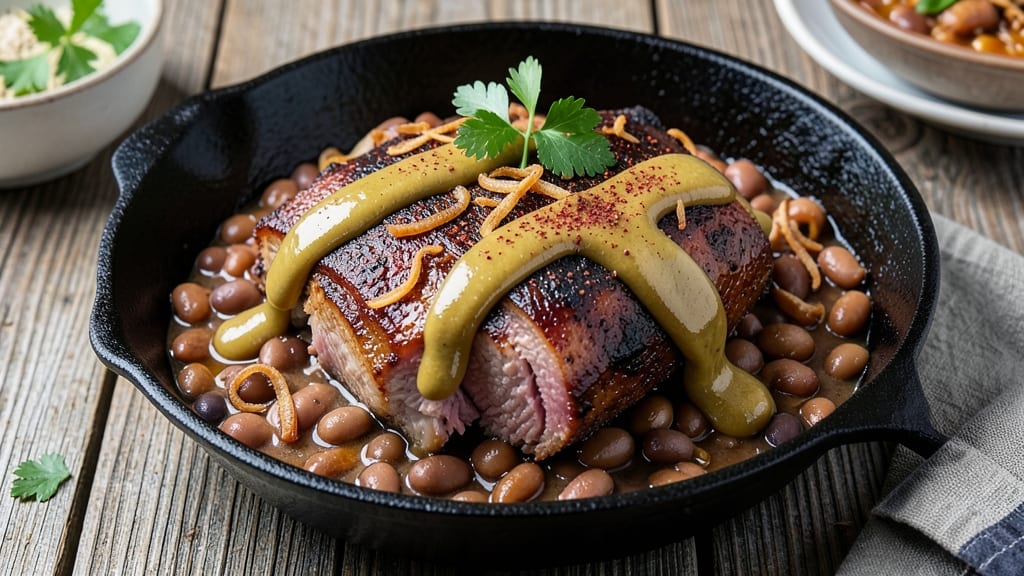
This baked pork and beans recipe from scratch transforms humble ingredients into a deeply satisfying one-pot masterpiece that smells like Sunday dinner the moment it hits the oven. 🔥 The secret lies in slow-baking pork until it's fall-apart tender while beans soak up all that rich, smoky flavor—no fancy equipment required.
I first perfected this back in Cincinnati, where my neighbor Mrs. Henderson swore by the "long, low, and slow" method, and it's been my go-to comfort food ever since.
The beauty of this recipe is its simplicity: a few hours of hands-off baking yields a dish so hearty and flavorful it feels like a restaurant-quality meal.
You'll start with a simple marinade of brown sugar, mustard, and spices that tenderizes the pork while building layers of flavor, then let the oven do the rest.
The beans—whether navy, pinto, or lima—absorb the pork juices until they're bursting with savory goodness, while the pork becomes so tender it practically melts in your mouth.
What you end up with is a dish that's rich, smoky, and deeply comforting—perfect for feeding a crowd or saving leftovers for days. The aroma alone will have everyone gathering at the table, and the first bite delivers that perfect balance of sweet, smoky, and tangy flavors.
This isn't just dinner; it's an experience that turns an ordinary weeknight into something special.
Serve it with crusty bread for soaking up every last drop of that delicious sauce, or pair it with cornbread and collard greens for a full Southern-inspired meal. The best part? It's all made in one pot, so cleanup is a breeze. Let's get cooking!
Ingredients for baked pork and beans recipe from scratch
Six simple ingredients transform into a smoky, savory masterpiece that smells like home.
| Ingredient | Amount | Notes |
|---|---|---|
| Pork Shoulder 🥩 | 3 lb | Bone-in for best flavor |
| Navy Beans 🌾 | 2 cups | Dried or canned, drained |
| Brown Sugar 🍯 | ½ cup | Packed, light or dark |
| Yellow Mustard 🍯 | 2 tbsp | Dijon works too |
| Apple Cider Vinegar 🍎 | 2 tbsp | Or white vinegar |
| Smoked Paprika 🌶️ | 1 tbsp | For authentic smoky flavor |
| Ground Black Pepper 🌶️ | 1 tsp | Freshly cracked preferred |
| Garlic Cloves 🧄 | 4 cloves | Minced for marinade |
| Onion 🧅 | 1 whole | Yellow, diced |
| Celery Stalks 🥬 | 2 stalks | Diced, for mirepoix |
| Carrot 🥕 | 1 whole | Peeled, diced |
| Beef Broth 💧 | 2 cups | Low-sodium preferred |
| Olive Oil 🫒 | 2 tbsp | For pork searing |
| Bay Leaves 🌿 | 2 whole | For deep flavor |
| Crusty Bread 🍞 | 1 loaf | For serving (optional) |
The pork shoulder is the star—look for one with good marbling at Kroger or your local butcher (I always ask for the bone-in cut). Costco has great prices if you're feeding a crowd, but regular grocery store cuts work perfectly. The beans? Navy or pinto—whatever's on sale. Dried takes longer but tastes better; canned is fine for a shortcut. For the spices, Penzeys has amazing smoked paprika, but the regular grocery store stuff works too. Just make sure it's not ancient—fresh spices make all the difference here.
No smoked paprika? Regular paprika plus a pinch of liquid smoke gets you close. Subbing mustard? Dijon or whole-grain mustard adds texture. The vinegar can be swapped for lemon juice if you're out, but apple cider gives that classic tang. For the mirepoix (onion, celery, carrot), use whatever veggies you've got—bell peppers or mushrooms work too. The broth? Low-sodium is key so you don't over-salt the whole dish. And if you're worried about the pork being too fatty, just trim off any big chunks before baking—it'll still be delicious.
This dish gets better the next day—trust me. Store leftovers in the fridge for up to 5 days or freeze portions for 3 months. I always double the recipe so I have leftovers for lunches. The bread? Toast it first—it soaks up the sauce like a dream. And if you're making this ahead, the pork can sit in the marinade overnight (it actually tastes better that way). Just remember to bring it to room temp before baking for even cooking.
Why You'll Love This Recipe
- One-Pot Magic: I swear by this recipe when I’m too tired to wash a million dishes. Toss everything—pork, beans, mustard, vinegar—into one baking dish, cover it, and let the oven do the work. The beans soften while the pork stays juicy, and honestly? That’s the kind of meal that makes you question why you ever cooked any other way.
- Sweet-Savory Balance: Between us, the brown sugar and apple cider vinegar combo is chef’s kiss. The vinegar cuts through the richness of the pork, while the sugar caramelizes just enough to make every bite taste like a hug. It’s the kind of flavor that sticks with you—like your grandma’s recipe, but with half the effort.
- Leftovers for Days: This dish actually improves the next day. The flavors meld even more, and the pork gets tender enough to shred with a fork. I make a double batch on Sundays because it’s my go-to for lunches, potlucks, or whenever my kids demand “that good stuff” for dinner. (Yes, even on a Tuesday night.)
- Budget-Friendly Feast: Pork shoulder and navy beans are pantry staples that won’t break the bank, and this recipe stretches them into a meal that feeds four (or five, if someone’s still hungry). The mustard and vinegar add depth without costing extra, so you’re getting restaurant-quality comfort food for a fraction of the price. My wallet thanks me every time.
Step-by-step instructions for smoky oven-braised pork and beans
Here's how to transform humble ingredients into a rich, smoky masterpiece that'll have everyone asking for seconds.
🔥 Step 1: Sear the Pork Shoulder for Deep Flavor
Preheat your oven to 325°F—we'll use it later, but first, we need to build layers of flavor in the pan. Heat the 2 tablespoons olive oil in a large Dutch oven over medium-high heat until shimmering. Pat the 3 lb pork shoulder completely dry with paper towels (this is crucial for crispy edges), then season generously with 1 tablespoon smoked paprika and 1 teaspoon ground black pepper.
Place the pork in the hot oil and sear on all sides until deeply golden brown—about 8-10 minutes total. The goal is to develop a rich crust that'll carry all those smoky flavors. If you notice the fat starting to smoke too much, reduce the heat slightly but keep it moving. This searing step is where all the magic begins—don't skip it!
👨🍳 Step 2: Sauté the Aromatic Vegetables
While the pork rests for 5 minutes (this prevents it from cooking unevenly), remove it from the Dutch oven and set it aside. In the same pot, add the diced onion, diced celery stalks, and diced carrot (this classic mirepoix combination builds depth). Cook over medium heat for 5-6 minutes, stirring occasionally, until the vegetables soften and the onion becomes translucent.
Add the 4 minced garlic cloves and cook for another 30 seconds until fragrant—this is where the vegetables release their sweetness and start building the flavor base. Here's the thing: don't let them brown or burn, or you'll get bitter notes. Keep the heat at medium and stir frequently. This aromatic step is the foundation of your dish, so take your time.
🥘 Step 3: Combine Everything and Braise
Return the seared pork to the Dutch oven. Add the 2 cups navy beans (if using dried, they'll soften during cooking), 0.5 cup packed brown sugar, 2 tablespoons yellow mustard, 2 tablespoons apple cider vinegar, 2 cups beef broth, and 2 whole bay leaves. Stir everything together until the beans and broth are well incorporated—you should see the pork partially submerged in the liquid.
Bring the mixture to a gentle simmer over medium heat on the stovetop. Once it reaches a bubble, transfer the Dutch oven to your preheated 325°F oven. Here's where the real transformation happens: cover tightly with a lid and bake for 3 hours. The pork will become fork-tender and the beans will absorb all those smoky flavors. I know it seems like a long time, but patience is key—this slow cooking creates melt-in-your-mouth texture.
⏰ Step 4: Finish with a Tangy Glaze
After 3 hours, remove the pork from the oven and uncover it. Increase the oven temperature to 375°F and let the liquid reduce slightly for 15-20 minutes—this concentrates the flavors. The sauce should thicken enough to coat the back of a spoon but still be saucy.
For the finishing touch, spoon some of the bean mixture over the top of the pork and return it to the oven for another 10 minutes. This creates a beautiful caramelized crust on top while keeping the pork juicy inside. The vinegar and mustard will mingle with the sweetness of the brown sugar, creating that perfect balance of tangy and sweet that makes this dish so addictive.
🍽️ Step 5: Rest and Serve with Crusty Bread
Let the pork and beans rest for 10-15 minutes before serving—this allows the juices to redistribute throughout the meat. The pork should be fork-tender, with a deep mahogany color and a glossy sauce coating everything. If you're using canned beans, they'll be perfectly tender by now, while dried beans will have softened beautifully.
Serve family-style straight from the Dutch oven with slices of the crusty bread for dipping. The bread soaks up all that smoky, tangy sauce, making every bite even more delicious. This dish tastes even better the next day as the flavors continue to meld, so make extra if you can—it's that good!
Pro Tips For Making Baked Pork And Beans Recipe From Scratch
- Sear the Pork First: The difference between dry, stringy pork and melt-in-your-mouth tender meat starts with a quick sear. Pat the pork shoulder dry, then hit it with oil in a hot pan until it’s deeply browned on all sides—this locks in flavor and keeps it juicy during the long bake.
- Soak Beans Overnight: Skipping the soak? Your beans will turn to mush and soak up all the liquid, leaving you with a watery mess. Toss navy beans in a bowl, cover with water, and let them sit for 8–12 hours. Drain and rinse before cooking—this cuts down on cooking time and keeps them intact.
- Don’t Overmix the Sauce: Once you’ve combined the brown sugar, mustard, and vinegar, resist the urge to stir like you’re trying to win a race. A few gentle swirls are all you need—overmixing makes the sauce clumpy and ruins that smooth, glossy finish.
- Bake Low and Slow: This isn’t a 350°F casserole—turn the oven down to 275°F and let it cook for 4–5 hours. I learned this the hard way: rushing it at higher temps dries out the pork and leaves the beans tough. Cover with foil for the first half to trap moisture, then uncover to crisp the edges.
Troubleshooting this recipe
Pork Too Tough?
If your pork shoulder isn't tender enough after 3 hours, it likely didn't cook long enough. The magic happens at 325°F—this low-and-slow method breaks down collagen for fork-tender results.
For extra insurance, extend cooking to 3.5-4 hours and check the internal temperature with a meat thermometer—it should read 203°F in the thickest part. I've learned the hard way that patience pays off here!
Beans Still Hard?
Dried beans need extra time to soften. If using dried, extend oven time by 30-60 minutes beyond the 3 hours mark. For a shortcut, soak dried beans overnight in water with 1 tsp baking soda (this reduces cooking time by 30%!).
Canned beans should be tender by the end of cooking, but if they're still firm, add ½ cup extra broth and bake uncovered for 15 minutes to evaporate excess moisture.
Sauce Too Thin?
If your sauce is watery, it's likely because the pork released too much liquid. After the initial 3 hours, uncover the Dutch oven and increase heat to 375°F for 15-20 minutes to reduce the sauce.
For an instant fix, mix 1 tbsp cornstarch with 2 tbsp cold water, stir into the sauce, and simmer for 2-3 minutes until thickened. The key is to reduce slowly—rushing causes the sauce to split or become grainy.
Bitter Taste?
Bitter flavors usually come from overcooked vegetables or burnt spices. Make sure your mirepoix (onion, celery, carrot) stays just softened—not browned. For the spices, always use fresh smoked paprika (I keep a jar from Penzeys in my pantry) and don't let it burn.
If you taste bitterness, balance it with 1 tsp extra brown sugar or a splash of apple cider vinegar to cut through the harshness.
Pork Too Dry?
Overcooking or skipping the rest time causes dry pork. The secret is to remove the pork from the oven when it reaches 195°F (not fully cooked) and let it rest for 10-15 minutes before finishing at 375°F for 10 minutes.
This final burst of heat creates a crust while keeping the inside juicy. I also recommend basting the pork with its own juices every 30 minutes during cooking to lock in moisture.
Leftovers Too Dry?
Reheating pork and beans properly is key. For stovetop reheating, add 2-3 tbsp beef broth or water per quart of leftovers and simmer gently over low heat for 8-10 minutes. Microwave reheating?
Cover with a damp paper towel and heat in 1-minute intervals at 50% power, stirring between each interval. The goal is to warm through without drying out—this dish is even better the next day when flavors meld!
Nutrition facts
Frequently asked questions
Can I use canned beans instead of dried?
Canned beans save time and work perfectly—just drain and rinse them before adding to the Dutch oven. For the best texture, use low-sodium varieties and add them during the final 30 minutes of baking so they don't get mushy. The recipe's smoky flavors will still soak into them beautifully.
What's the best cut of pork for this recipe?
Pork shoulder (also called Boston butt) is ideal because it's flavorful and becomes fork-tender when slow-baked. A 3 lb bone-in cut works perfectly, but pork butt or even a pork loin (though leaner) can be used. Just remember: fattier cuts stay juicier during long baking.
How do I make this dish ahead of time?
This recipe actually tastes better the next day! Cook it completely, then refrigerate for up to 5 days or freeze for 3 months. Reheat gently with extra broth or water to prevent drying out. The flavors deepen overnight as the pork continues to tenderize and the sauce thickens.
Can I make this in a slow cooker instead?
Yes! Transfer the seared pork and all ingredients to a 6-quart slow cooker and cook on LOW for 8 hours or HIGH for 4-5 hours. The texture will be slightly different (more tender pork, softer beans), but still delicious. Just add extra broth if the mixture gets too thick during cooking.
What are good sides to serve with this?
Classic Southern pairings work best! Try cornbread, collard greens, or buttery mashed potatoes to soak up that rich sauce. For a lighter option, add a crisp green salad with apple cider vinaigrette. The smoky pork and beans stand up well to both hearty and fresh sides.