
Main Courses
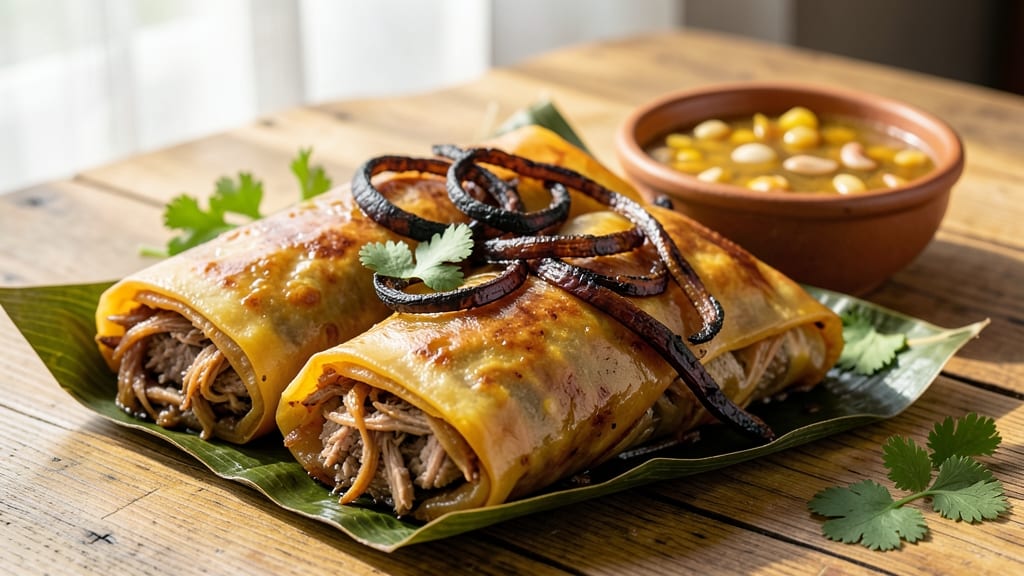
This mild pork tamales recipe delivers the comforting embrace of Southern tradition with tender pork and fluffy masa wrapped in corn husks. 🌟 As someone who grew up in Georgia, I know how tamales bring families together—warm, aromatic, and packed with gentle spices that don’t overpower.
The secret lies in balancing cumin, garlic, and just a touch of mild chili to create a filling that’s rich but approachable, perfect for both tamale newcomers and seasoned enthusiasts.
What sets this recipe apart is the foolproof masa dough—light, airy, and infused with lard for that classic texture. The pork filling is slow-cooked with onions, garlic, and a blend of spices that enhance rather than dominate, ensuring every bite is tender and flavorful.
Whether you're preparing them for a family gathering or a cozy weeknight dinner, these tamales steam up beautifully, delivering that signature corn-husk aroma that fills your home with warmth.
The assembly process might seem intimidating at first, but once you master the technique of spreading the masa evenly and rolling the filling tightly, you’ll achieve restaurant-quality tamales at home.
The key is patience—letting them steam until the husks peel back easily reveals perfectly cooked masa with a subtle sheen, and the pork so tender it falls apart at the touch of a fork.
Serve these mild pork tamales with classic sides like salsa verde, white rice, or refried beans to complete the meal. They reheat beautifully, making them ideal for meal prep or leftovers.
This recipe isn’t just about the food—it’s about the experience of gathering, sharing, and savoring a dish that’s as much a part of the meal as the flavors themselves.
Ingredients for mild pork tamales
Pork shoulder, masa harina, and tender corn husks—everything you need for comforting, family-style tamales.
| Ingredient | Amount | Notes |
|---|---|---|
| Pork Shoulder 🥩 | 3 lb | Boneless, cut into 1-inch cubes |
| Yellow Corn Masa Harina 🌽 | 4 cups | Maseca or similar brand |
| Lard 🧈 | ½ cup | Rendered, not leaf fat |
| Chicken or Pork Broth 💧 | 1 ½ cups | Low-sodium preferred |
| Yellow Onions 🧅 | 2 whole | Medium, finely chopped |
| Garlic Cloves 🧄 | 6 cloves | Minced, fresh preferred |
| Ground Cumin 🌿 | 1 tbsp | Toasted for deeper flavor |
| Mild Chili Powder 🌶️ | 1 tbsp | Ancho or pasilla preferred |
| Ground Oregano 🍃 | 1 tsp | Mexican oregano if available |
| Salt 🧂 | 1 ½ tsp | Kosher or sea salt |
| Black Pepper 🌶️ | ½ tsp | Freshly ground preferred |
| Dried Corn Husks 🌿 | 18 pieces | Soaked in warm water |
| Vegetable Oil 🫒 | 2 tbsp | For cooking onions |
The pork shoulder is your secret weapon here—it stays tender while soaking up all those warm spices. Look for a well-marbled cut at the butcher counter or pre-cut pork shoulder from Costco or Kroger. If you can't find dried corn husks, Trader Joe's sells them in bulk, but any Latin market will have them fresh. The masa harina? Maseca is the gold standard, but any yellow corn masa will work. Toast the cumin lightly in a dry pan before adding to the pork—that extra step makes all the difference.
No lard on hand? Vegetable shortening or bacon fat works in a pinch, but lard gives that classic richness. Short on corn husks? Aluminum foil is a good backup for shaping tamales. The broth keeps things moist—low-sodium is key so you don't over-salt the filling. For the chili powder, Ancho or pasilla gives a gentle, earthy heat, but any mild chili powder will do. If you're feeling fancy, toast the garlic with the onions—it adds a depth that's totally worth the extra minute.
Soak those corn husks for at least 30 minutes before using—they should be pliable but not mushy. Store the masa harina in an airtight container in a cool, dark place for up to 6 months. The cooked tamales keep beautifully in the fridge for 3-4 days, and they freeze like a dream for up to 3 months. I always make a double batch—one for dinner, one for leftovers—because they disappear fast.
Why You'll Love This Recipe
- No Fuss, Big Payoff: I swear by this recipe because the prep is ridiculously simple—just shred the pork, mix the masa with warm broth and lard, and fold it all together. The real magic happens when you steam it; no fancy techniques, just hands-off time while you sip your coffee.
- Lard-Laced Comfort: That little bit of lard in the masa? It’s what turns this into something dangerously good—creamy, tender, and packed with rich flavor without being heavy. The onions caramelize just enough to add this sweet, savory depth that makes every bite worth it.
- Weeknight Crowd Pleaser: Between us, this is my go-to when friends drop by unannounced. It feeds a houseful, reheats like a dream, and even my picky-eating cousin asks for seconds. Plus, the leftovers? They’re just as good cold the next day—perfect for packed lunches.
- Budget-Friendly Feast: Pork shoulder is cheap, masa harina lasts forever, and a single batch stretches across meals. I’ll be real: it’s one of those recipes where you end up making double just to have it on hand. No wasted ingredients, no empty wallet—just pure satisfaction.
Step-by-step instructions for mild pork tamales
Here's how to make tamales that are tender, flavorful, and perfect for sharing.
👨🍳 Step 1: Prepare the Pork Filling
In a large skillet, heat the 2 tablespoons vegetable oil over medium heat. Add the 2 whole yellow onions that you've chopped finely and cook for 5-6 minutes until they're translucent and just starting to turn golden. This is where all the flavor begins!
Add the 6 cloves minced garlic and cook for 30 seconds until fragrant—don't let it brown or it'll get bitter. Push the onions and garlic to the side of the pan and add the 3 lb pork shoulder cut into 1-inch cubes. Cook the pork for 8-10 minutes, stirring occasionally, until it's lightly browned on all sides.
Now it's time to build the flavor. Sprinkle in the 1 tablespoon ground cumin, 1 tablespoon mild chili powder, 1 teaspoon ground oregano, 1.5 teaspoons salt, and 0.5 teaspoon black pepper. Stir everything together and let it cook for 2 minutes until the spices are toasty and aromatic.
Pour in the 1.5 cups chicken or pork broth and bring it to a simmer. Cover the skillet and let it cook for 45-50 minutes on low heat, stirring occasionally, until the pork is fork-tender and the liquid has mostly evaporated. You want a thick, meaty filling that's ready to be wrapped in those fluffy masa hugs.
🥘 Step 2: Soak and Prepare the Corn Husks
While the pork is cooking, fill a large bowl with warm water and add the 18 dried corn husks. Let them soak for 30-45 minutes until they're pliable and can be bent easily without cracking. This soaking step is crucial—they need to be supple enough to wrap the filling without breaking.
After soaking, carefully drain the husks and lay them out on a clean kitchen towel. Pat them dry gently with a paper towel to remove any excess water. This helps prevent the tamales from becoming soggy during cooking. Keep them covered with a damp towel while you prepare the masa.
👨🍳 Step 3: Make the Masa Dough
In a large mixing bowl, combine the 4 cups yellow corn masa harina with the 0.5 cup lard. Use your hands to work the masa and lard together until it forms a crumbly but pliable dough. I like to do this over a sink—it's less messy that way.
Gradually add the 1.5 cups chicken or pork broth to the masa mixture, 1 tablespoon at a time, mixing well after each addition. You want the dough to be soft and slightly sticky—like wet sand that holds together when squeezed. If it's too dry, add a splash more broth; if it's too sticky, add a little more masa harina.
Once the dough is the right consistency, divide it into 4 equal portions and set them aside. We'll work with one portion at a time to keep everything manageable and prevent the dough from drying out.
🥘 Step 4: Assemble the Tamales
Here's where the fun begins! Take one of the masa portions and place it on a clean surface. Using your hands, gently knead it into a ball and then flatten it slightly. Place 1-2 tablespoons of the pork filling in the center of the masa.
Take one of the soaked corn husks and lay it flat on your work surface with the pointed end facing you. Fold the bottom third of the husk up over the filling, then fold in the sides to create a neat little package. Finally, fold the top third down to completely enclose the filling. You'll have a little tail sticking out at the top—that's normal and helps with handling.
Repeat this process with the remaining masa and filling, working quickly but carefully. You should end up with about 12 tamales using all the filling and masa. As you work, keep the completed tamales covered with a damp towel to prevent them from drying out.
🔥 Step 5: Steam to Perfection
Line the bottom of a large pot with the 18 corn husks, making sure they cover the entire base without overlapping. Add 1-2 inches of water to the bottom of the pot and bring it to a boil over high heat. Once boiling, reduce the heat to medium-low and maintain a gentle steam.
Carefully place the tamales in the pot, seam-side down, in a single layer. Cover the pot tightly with a lid and steam for 60-75 minutes. The tamales are done when the corn husks peel away easily from the masa and the filling is hot throughout.
Let the tamales rest for 10 minutes after steaming before serving. This resting time allows the flavors to meld together and makes them easier to peel. Serve warm with your favorite salsa, guacamole, or just as they are—these tamales are delicious on their own!
Pro Tips For Making Mild Pork Tamales
- Trim That Lard: Use leaf lard—the kind with the membrane—because it renders cleaner and adds a richer, more stable fat for your masa. I learned this the hard way after my first batch turned greasy and unworkable; skip the leaf lard, and you’ll regret it when your tamales stick like glue.
- Cook Pork Low and Slow: Braise the pork shoulder at 275°F (135°C) for 4-5 hours until it shreds easily with a fork—no need to rush. I used to crank the heat, and the meat turned dry and stringy, no matter how much broth I added.
- Toast the Masa Right: Heat your masa harina in a dry skillet over medium-low for 5-7 minutes, stirring constantly, until it smells toasty and nutty. Stop when it’s golden—overdo it, and your tamales taste bitter. (Yes, even if you’re impatient like me.)
- Steam Tamales at 180°F: Keep your steamer at a steady 180°F (82°C)—any hotter, and the masa dries out; any cooler, and they won’t cook through. I used to eyeball it, but a cheap meat thermometer fixed my mushy, undercooked disasters.
Essential equipment for mild pork tamales
Steamer Setup Essentials
You’ll need a large, heavy-bottomed pot with a tight-fitting lid—think Le Creuset Dutch oven or All-Clad stainless steel—to create consistent steam. I use a 12-quart pot for about 12 tamales, but if you’re making a bigger batch, go for 16-20 quarts.
The key is ensuring the pot can hold the tamales in a single layer without overcrowding. Line the bottom with corn husks (pointy end down) to create a barrier between the water and tamales, preventing soggy masa. 🌿
Masa Workstation Must-Haves
For the dough prep, I swear by a large, shallow mixing bowl (like a Cambro food pan) to keep things contained. A silicone spatula and wet paper towels are non-negotiable—you’ll be handling sticky masa, and these tools save you from a mess.
If you’re working with a big batch, divide the dough into 4 portions and keep them covered with a damp kitchen towel to prevent drying. Trust me, this step alone cuts prep time in half. ⏰
Pork Prep Tools
A sharp chef’s knife (I use a Wüsthof 8-inch) and a heavy skillet (like a Lodge cast iron) are essential for browning the pork shoulder. For mincing garlic and onions, a microplane or food processor speeds up the process—no one has time for chopping therapy when making tamales!
A meat thermometer (I love the ThermoWorks Smoke) ensures the pork reaches 165°F before wrapping. 🥩
Husk Handling Gear
Soaking corn husks requires a large bowl and warm water—I use a glass mixing bowl for easy visibility. After soaking, drain them in a colander and pat dry with paper towels.
Pro tip: Keep a damp towel nearby to cover completed tamales while you assemble the rest. This prevents them from drying out before steaming. 🌾
Steaming Accessories
Once your tamales are assembled, you’ll need a tight-fitting lid to trap steam—no gaps allowed! A steam basket (like the OXO Good Grips) elevates tamales above the water, but if you don’t have one, aluminum foil crumpled into a base works in a pinch.
For reheating leftovers, a microwave-safe plate with a damp paper towel keeps them moist. 🔥
Nutrition facts
Frequently asked questions
Can I substitute lard with another fat for the masa?
Yes! If you don’t have lard, use vegetable shortening or bacon fat for a similar texture. For a dairy-free option, coconut oil works but may slightly alter the flavor. Avoid butter—it burns too easily and can make the masa greasy. The fat keeps the masa tender, so don’t skip it entirely!
How do I adjust this recipe for a larger crowd?
Double all ingredients—6 lbs pork, 8 cups masa harina, and 36 corn husks—but use a 16-20 quart pot for steaming. Keep the filling-to-masa ratio the same (1:2) to avoid dry tamales. Pro tip: Assemble and steam in batches to prevent overcrowding, which can lead to uneven cooking.
Why did my tamales turn out dry or crumbly?
Dry tamales usually mean the masa was too stiff or overcooked. Ensure your dough is soft and slightly sticky (like wet sand), and steam for no longer than 75 minutes. Oversteaming evaporates moisture. Also, check your corn husks—if they’re too old or not soaked properly, they won’t hold steam well. Store unused husks in a cool, dry place for up to 6 months.
Can I make tamales ahead of time?
Assemble tamales up to 24 hours ahead and refrigerate unsteamed. Freeze them in a single layer on a tray before transferring to a bag for up to 3 months. Thaw overnight in the fridge, then steam for 10-15 minutes less than fresh. Reheat in a 350°F oven for 15 minutes with a damp towel to restore moisture.
What’s the best way to reheat tamales?
Steam is your friend! Place tamales in a steamer basket over 1 inch of boiling water and cover for 10-15 minutes. For microwave reheating, wrap tamales in a damp paper towel and heat for 1-2 minutes (check doneness—masa should be warm through). Avoid oven reheating unless covered with foil, or they’ll dry out.