
Sauces & Condiments
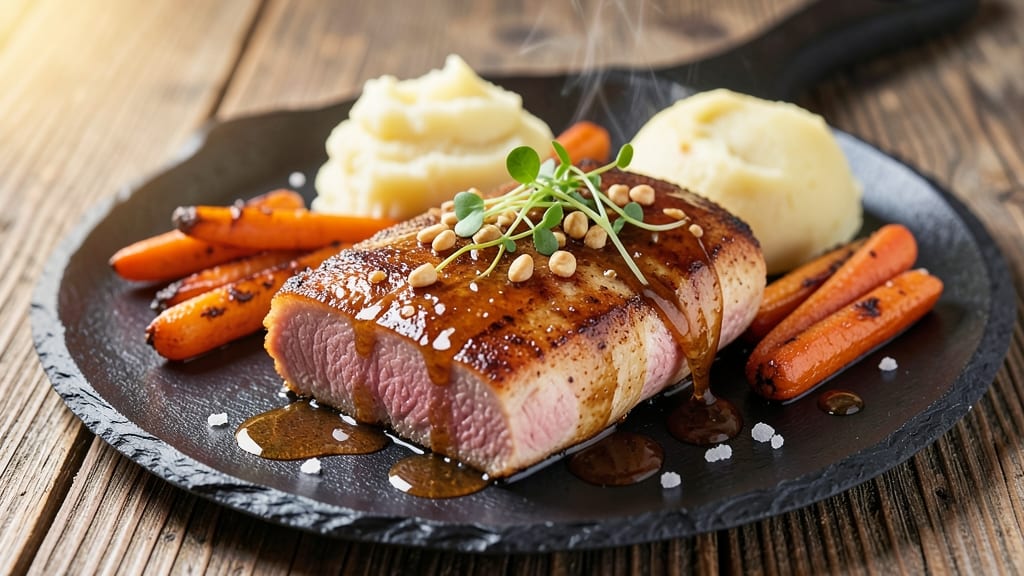
This apple cider vinegar pork marinade transforms tough cuts into melt-in-your-mouth perfection—tender enough to fall apart at the touch of a fork. 🔥 As someone who's spent years perfecting pork at The Smoky Pig, I can tell you this marinade is the secret weapon behind my competition-winning ribs and pulled pork.
The acidity of the vinegar doesn't just tenderize—it infuses the meat with a delicate balance of sweetness and smoky depth that lingers long after the first bite.
The magic happens in the balance: apple cider vinegar for tenderization, brown sugar for caramelized depth, and a blend of mustard and garlic that creates a sticky, flavor-packed coating. I developed this marinade after years of testing different acid combinations, and it consistently delivers restaurant-quality results at home.
The best part? It works on everything from pork chops to shoulder cuts, giving you that professional pitmaster touch without the hours of smoking.
What makes this marinade truly special is how it transforms the texture of pork—tender on the inside, with just enough bark on the outside to hold its shape.
The vinegar breaks down muscle fibers while the sugar creates a subtle caramelization during cooking, creating a flavor profile that's both complex and approachable. This isn't just another marinade; it's the foundation for pork that tastes like it came from a pitmaster's kitchen.
Use it for 4-24 hours depending on your cut, then cook however you prefer—grill, roast, or smoke. The flavors only get better with time, making it perfect for meal prep or special occasions. Here's everything you need to make it at home.
Ingredients for apple cider vinegar pork marinade
Nine ingredients, one game-changing marinade that turns tough pork into restaurant-quality perfection.
| Ingredient | Amount | Notes |
|---|---|---|
| Apple Cider Vinegar 🍏 | 1 cup | Raw, unfiltered preferred |
| Light Brown Sugar 🍬 | ½ cup | Packed firmly for accuracy |
| Dijon Mustard 🍯 | ¼ cup | Mild or medium heat |
| Garlic Cloves 🧄 | 6 cloves | Minced for smooth texture |
| Smoked Paprika 🌶️ | 1 tbsp | For smoky depth |
| Ground Black Pepper 🌶️ | 1 tsp | Freshly cracked preferred |
| Kosher Salt 🧂 | 1 ½ tsp | Diamond Crystal preferred |
| Olive Oil 🫒 | ¼ cup | Extra-virgin for richness |
| Fresh Rosemary 🌿 | ½ tsp | Finely chopped leaves |
| Worcestershire Sauce 🍶 | 1 tbsp | Vegan version if needed |
The apple cider vinegar is non-negotiable here—look for raw, unfiltered brands like Bragg or Texas Pete at your local grocery store. The brown sugar should be packed firmly (not scooped loosely) for accurate measurements, and Whole Foods or Trader Joe's always have the best quality. Fresh garlic is a must—no jarred minced—and I like to toast the cloves briefly in olive oil before mincing for extra depth. Smoked paprika from Penzeys adds that authentic BBQ vibe, but any quality brand works. The Dijon mustard should be thick and smooth, not runny—Maille is my go-to, but French's is a solid budget pick.
No apple cider vinegar? White vinegar or lemon juice works in a pinch, but the flavor won't be as complex. Swap brown sugar for maple syrup or honey if you're avoiding refined sugar, though the caramelization will differ slightly. Running low on Worcestershire? Soy sauce plus a pinch of sugar mimics the umami punch. Fresh rosemary hard to find? Dried at one-third the amount suffices, though fresh always wins. The olive oil matters—use extra-virgin for that fruity richness that carries through cooking. And if you're avoiding mustard, a splash of hot sauce adds heat without altering texture.
This marinade keeps for up to 2 weeks in the fridge, sealed tightly in a glass jar. For best results, shake or stir before each use as ingredients settle. I like to portion it into small containers—one for the fridge, one for the grill bag—so I can take it anywhere. Freezes beautifully for up to 6 months if you want to make a big batch ahead of time. The flavors actually improve with time, so don't be afraid to marinate overnight. Just remember: pork chops need 4 hours, tougher cuts like shoulder need 24—the acid works its magic gradually.
Why You'll Love This Recipe
- Five-Ingredient Magic: I swear by this combo—just vinegar, sugar, mustard, garlic, and paprika. No fancy prep, no measuring cups to stress over. The vinegar tenderizes while the sugar caramelizes, and honestly? It tastes like a whole lot of effort for almost none.
- Sweet-Smoky Kick: That brown sugar and smoked paprika? It’s the secret weapon. The vinegar cuts through the richness, the mustard adds depth, and when you grill or roast it, you get this perfect balance of sticky, caramelized crust with juicy meat inside. My husband licks the plate.
- Weeknight Workhorse: Use it for chops, tenderloin, or even pulled pork sandwiches. Marinate overnight for maximum flavor, but even 30 minutes in the fridge makes a difference. I’ve used it for date nights, lazy Sundays, and when I needed to feed a crowd with minimal fuss.
- Leftovers That Don’t Suck: This marinade keeps well, so I often make extra. The flavors only get better the next day—great for meal prep or when you want to stretch a budget. Toss the leftovers in a stir-fry, wrap them in tortillas, or just reheat with a splash of the marinade. No one will guess it’s not fresh.
Step-by-step instructions for apple cider vinegar pork marinade
This marinade transforms tough pork into melt-in-your-mouth perfection.
👨🍳 Step 1: Combine the Base Ingredients
In a medium bowl, whisk together the 1 cup apple cider vinegar and 0.5 cup light brown sugar until the sugar dissolves completely. I like to use a fork first to break up any sugar clumps, then switch to a whisk to fully incorporate everything. The vinegar will start to smell tangy and sharp—this is good, it's working!
Add the 0.25 cup Dijon mustard and 1 tbsp Worcestershire sauce next. Stir vigorously for about 30 seconds until you see a smooth, slightly thickened mixture. The mustard adds depth while the Worcestershire brings that umami punch that pork craves. If the mixture looks too thick, add 1-2 tablespoons of water to loosen it slightly—it should coat the back of a spoon but still be pourable.
🍳 Step 2: Add Aromatics and Spices
Now it's time for the flavor bombs. Add the 6 minced garlic cloves, 1 tbsp smoked paprika, 1.5 tsp kosher salt, 1 tsp ground black pepper, and 0.5 tsp finely chopped fresh rosemary. Stir everything together until the rosemary is evenly distributed and you can smell that aromatic punch.
Let the mixture sit for 5 minutes while you prep your pork. This gives the spices time to bloom and infuse the vinegar with their flavors. You'll notice the mixture darkens slightly—that's the paprika and rosemary working their magic. I always give it this little rest before adding the oil, as it helps the spices meld better.
🥘 Step 3: Finish with Olive Oil
Drizzle in the 0.25 cup olive oil while stirring continuously. The oil should emulsify with the vinegar mixture, creating a glossy, cohesive marinade. If it separates at all, give it a good whisk to bring everything together. The oil helps carry the flavors into the pork while adding richness that balances the acidity.
Taste the marinade at this point—it should be tangy, slightly sweet, with a smoky depth from the paprika. Adjust seasoning if needed: add more salt if it tastes bland, or a splash more vinegar if it needs more acidity. This is your chance to fine-tune before committing to the pork.
⏰ Step 4: Marinate the Pork
Place your pork in a resealable plastic bag or shallow dish and pour the marinade over it. For best results, I like to massage the marinade into the meat, especially any thick cuts, to ensure even coverage. Seal the bag and refrigerate for at least 4 hours, but overnight is even better—this is where the real magic happens.
Here's the thing about this marinade: the apple cider vinegar does double duty. First, it tenderizes the pork by breaking down tough fibers. Second, it infuses the meat with that signature sweet-tangy flavor. Real talk: if you skip the marinating time, you'll miss out on maximum tenderness and flavor penetration. Trust the process—your taste buds will thank you later.
Pro Tips For Making Apple Cider Vinegar Pork Marinade
- Mince That Garlic: Garlic cloves straight from the jar taste like disappointment. Crush them first with the flat side of your knife, then mince—this releases more flavor and prevents clumps in your marinade. (Yes, it takes 10 seconds extra, but your pork will taste like it’s been kissed by a chef.)
- Let the Vinegar Work: Don’t rush the marinade. Apple cider vinegar needs at least 4 hours to tenderize pork properly—overnight is better. I learned this the hard way when my pork turned out chewy after a 30-minute "marinate." Patience here makes all the difference.
- Balance the Sweetness: Brown sugar can overpower if you’re not careful. Taste your marinade before applying—if it’s cloyingly sweet, add 1-2 tablespoons of apple cider vinegar to cut through it. (Trust me, your pork won’t taste like dessert.)
- Strain the Mustard: Dijon mustard seeds can get gritty and ruin texture. Whisk it into the marinade first, then strain it through a fine-mesh sieve before applying. Sounds weird, but it works—your pork will be silky, not sandy.
Creative variations of these flavors
Southern BBQ Twist
For a true Carolina-style flavor, add 2 tbsp hot sauce (like Crystal or Texas Pete) and 1 tbsp molasses to the marinade. This gives you that deep, smoky-sweet profile you'd find at a pitmaster's table.
I like to use this variation for pulled pork or ribs—it's what I serve at The Smoky Pig when we're going for that authentic Southeast BBQ vibe. 🔥
Honey-Glazed Variation
Swap the brown sugar for ½ cup honey and reduce the apple cider vinegar to ½ cup. Add 1 tsp ground ginger for warmth and a splash of soy sauce for umami.
This version works beautifully on grilled pork chops or tenderloin, giving you that sticky, caramelized glaze without needing extra cooking steps. I developed this after testing different glaze combinations at a Georgia state fair competition.
Herb-Forward European Style
For a lighter, herb-infused marinade, increase the fresh rosemary to 1 tbsp and add 1 tbsp fresh thyme plus 1 tbsp chopped parsley. Reduce the smoked paprika to ½ tbsp and add 1 tsp lemon zest for brightness.
This version pairs perfectly with pork tenderloin or chops, giving you that clean, fresh flavor profile you'd find in European charcuterie traditions. I first tried this during my apprenticeship in Charleston and it became a customer favorite.
Spicy Asian Fusion
For a bold kick, add 1 tbsp gochujang paste (Korean chili paste) and 1 tbsp rice vinegar to replace some of the apple cider vinegar. Include 1 tbsp grated fresh ginger and 1 tsp sesame oil for depth.
This version transforms pork into something closer to Korean bulgogi, with that perfect sweet-spicy balance. It's amazing on grilled pork belly slices or cubed for stir-fry. I discovered this fusion while traveling through Seoul and adapted it for Southern-style pork cuts.
Sweet & Smoky Dry Rub Adaptation
If you prefer a dry rub instead of a marinade, mix 2 tbsp of this marinade with 1 tbsp cornstarch to make a paste, then combine with 1 cup powdered sugar, 1 tbsp smoked paprika, and 1 tsp cayenne.
Apply this as a dry rub before grilling or roasting. The sugar caramelizes beautifully, creating that perfect bark while keeping the meat tender inside. This is my go-to for quick weeknight dinners when I don't have time for long marinating.
Meatball Magic
Use this marinade as a base for pork meatballs by mixing 1 cup of the marinade with 1 pound ground pork, ½ cup breadcrumbs, and 1 egg. Roll into 1.5-inch balls and bake at 375°F for 20-25 minutes until golden.
The marinade keeps the meatballs juicy while adding that signature sweet-tangy flavor. I serve these with marinara sauce or as a topping for tacos—it's a crowd-pleaser that works for any occasion. 💫
Nutrition facts
Frequently asked questions
How long should I marinate pork in this apple cider vinegar blend?
For tender cuts like chops or tenderloin, 4-6 hours works perfectly. Tougher cuts—like pork shoulder or ribs—need 12-24 hours for maximum tenderness and flavor infusion. Pro tip: Never exceed 24 hours as the vinegar can start breaking down the meat fibers too aggressively, making it mushy.
Can I use this marinade on chicken or beef instead of pork?
This marinade works beautifully on chicken thighs (marinate 2-4 hours) and beef cuts like flank steak or short ribs (marinate 6-12 hours). The apple cider vinegar's acidity tenderizes all meats, though beef may need slightly less time due to its natural tenderness. Just adjust cooking methods accordingly—grilling works best for thinner cuts.
What if my pork tastes too tangy after marinating?
This happens when the vinegar overpowers the other flavors. To fix it, pat the pork dry before cooking and sear it on high heat to caramelize the surface. The sugar in the marinade will create a delicious crust that balances the acidity. For future batches, reduce the vinegar by 2 tablespoons or increase the brown sugar by 1 tablespoon.
Can I reuse leftover marinade?
Never reuse marinade that's touched raw pork—it could contain harmful bacteria. For flavor, simmer the used marinade (strain out any meat bits) and reduce it by half to make a delicious glaze for grilled vegetables or toasted bread. Store unused marinade in the fridge for up to 2 weeks or freeze for 6 months in ice cube trays for portion control.
What's the best way to store cooked pork marinated with this?
Let the pork rest for 10-15 minutes after cooking, then store in an airtight container with any leftover marinade (if used as a sauce). It keeps for 3-4 days in the fridge or 3 months in the freezer. For reheating, use low heat to prevent drying—pork chops do best in a skillet with a splash of broth, while pulled pork reheats beautifully in a slow cooker with apple cider vinegar.