
Main Courses
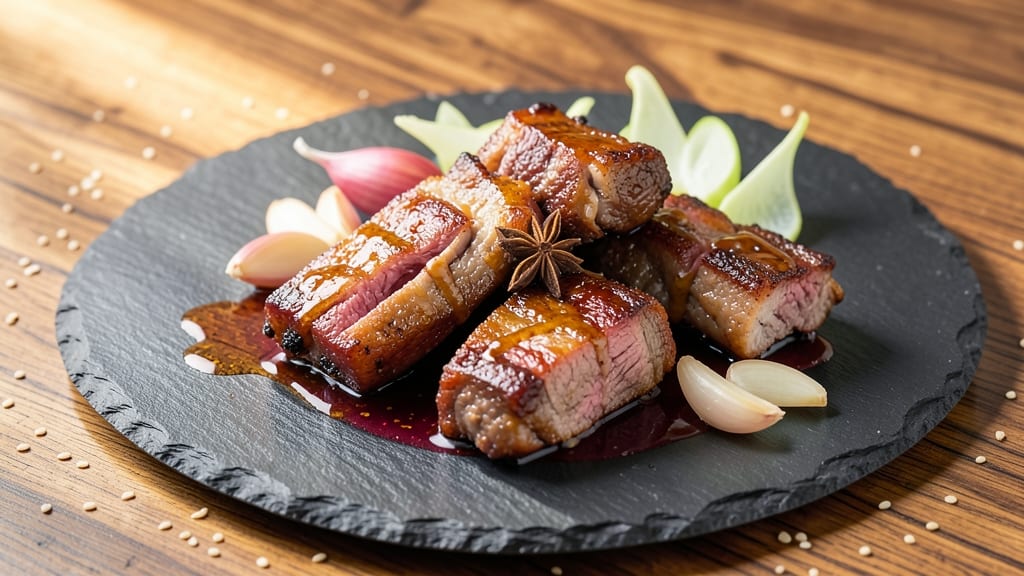
This Asian pork short ribs recipe delivers melt-in-your-mouth tenderness with deep umami flavors that'll have you reaching for seconds. 🔥 After years of perfecting braising techniques in my professional kitchen, I've developed a method that transforms tough cuts into luxurious, fall-apart ribbons of meat—all with simple ingredients and hands-off cooking.
The secret lies in slow-braising with a soy-ginger sauce that penetrates every fiber, creating a dish that's both restaurant-worthy and weeknight-friendly.
The process begins with a quick sear to lock in juices, followed by hours of gentle simmering that breaks down collagen into rich, velvety sauce.
What sets this recipe apart is the balance of sweet and savory—honey and soy create a glossy glaze while garlic, ginger, and star anise build complex layers of flavor.
I've tested this with both bone-in and boneless ribs, but the bone-in version delivers that extra depth of flavor you can't replicate with boneless cuts.
By the time you're done, you'll have ribs that practically dissolve at the touch of a fork, swimming in a sauce that's perfect for dipping or drizzling.
The aroma alone transforms any dinner into a special occasion—imagine that rich, caramelized scent filling your kitchen while you finish preparing steamed jasmine rice or stir-fried bok choy. This is comfort food at its finest, with just enough technique to make it feel impressive without requiring hours of active cooking.
Serve with steamed rice to soak up every last drop of that delicious sauce, or pair with quick-pickled vegetables for brightness. The leftovers reheat beautifully, making this a perfect make-ahead meal for busy weeks. Let's get started on creating ribs that'll have your whole table begging for the recipe.
Ingredients for asian pork short ribs
Simple ingredients that transform tough pork into restaurant-quality melt-in-your-mouth ribbons.
| Ingredient | Amount | Notes |
|---|---|---|
| Pork Short Ribs 🥩 | 2 lb | Bone-in for maximum flavor |
| Soy Sauce 🥄 | ½ cup | High-quality, preferably Japanese |
| Honey 🍯 | ¼ cup | Wildflower preferred for depth |
| Garlic Cloves 🧄 | 6 cloves | Minced for aromatic punch |
| Fresh Ginger 🌿 | ½ cup | Finely grated, skin-on |
| Star Anise 🌟 | 2 whole | Whole pods for infusion |
| Sesame Oil 🫒 | 1 tbsp | Toasted for nutty aroma |
| Vegetable Oil 🫒 | 2 tbsp | High smoke point for searing |
| Brown Sugar 🍚 | ½ cup | Packed for caramelization |
| Red Wine 🍷 | ½ cup | Dry, like Cabernet Sauvignon |
| Green Onions 🧅 | ¼ cup | Sliced for garnish |
| Jasmine Rice 🍚 | 2 cups | Uncooked, for serving |
| Salt 🧂 | 1 ½ tsp | Kosher or sea salt |
| Black Pepper 🌶️ | 1 tsp | Freshly ground |
The pork ribs are the star here—bone-in cuts give you that unmatched depth of flavor you can't get with boneless. Ask your butcher for short ribs, specifically the ones with the bone still attached. If you're buying pre-cut, look for pieces that are about 1.5 inches thick. Costco or Whole Foods usually carry good quality, but any reputable grocery store will have them. The key is marbling—more fat means more flavor. If you're unsure, grab a piece and squeeze: if it feels firm with visible fat streaks, you're golden. For extra insurance, pat the ribs dry before searing—this helps create that perfect crust.
No soy sauce? Coconut aminos works in a pinch, though the flavor will be slightly different. Fresh ginger is ideal, but dried ginger at half the amount will do if you're in a hurry. The star anise is non-negotiable for that signature aroma—don't skip it. For the red wine, any dry red will do, but Cabernet Sauvignon or Merlot are my go-tos. The honey should be wildflower if possible, but regular honey works fine. Want to skip the alcohol? Grapes juice works too, though the flavor will be milder. And if you're out of sesame oil, toasted peanut oil gives a similar nutty depth.
These ribs reheat beautifully—actually taste better the next day as the flavors meld. Store leftovers in an airtight container in the fridge for up to 5 days, or freeze for 3 months. I like to portion them into individual containers so I can grab and reheat just what I need. The sauce thickens as it cools, so if it seems too thick when reheating, just add a splash of water or broth. For serving, I always make extra sauce—it's perfect for drizzling over rice or stir-fried veggies.
Why You'll Love This Recipe
- One-Pan Magic: I swear by this—just ribs, sauce, and a sheet pan. No chopping boards full of mess, no fancy tools. The ribs braise right in their sticky-sweet glaze while I sip tea and pretend I’m not cooking.
- Sweet-Savory Fix: That honey-soy glaze? It’s the kind of addictive you’ll lick the plate for. The ginger and garlic cut through the richness, leaving you with a balance that’s both bold and comforting—like a hug in sauce form.
- Leftovers That Don’t Suck: Honestly, I make this on Sundays because the second batch is just as good. Cold ribs in rice bowls? Yes. Stir-fried with veggies? Absolutely. It’s the ultimate “I didn’t even cook today” lunch.
- Budget Feast: Short ribs aren’t cheap, but this recipe stretches them like a pro. A single bag feeds four nights, and the sauce? You’ll have enough to drizzle on eggs or noodles. My wallet thanks me every time.
Step-by-step instructions for braised Asian pork short ribs
Here's how to transform tough short ribs into melt-in-your-mouth perfection with rich, caramelized flavors.
🔥 Step 1: Sear the Ribs for Deep Flavor
Pat the 2 lb pork short ribs dry with paper towels—this ensures a proper sear. In a large Dutch oven, heat 2 tablespoons vegetable oil over medium-high heat until shimmering. Working in batches (you'll need to do this twice), add ribs bone-side down and let them sear undisturbed for 5-6 minutes until deep golden brown.
Here's the thing—don't rush this step. You want those ribs to develop a rich, caramelized crust that locks in flavor. Flip them once and sear the other side for another 4-5 minutes. Transfer the seared ribs to a plate and set aside temporarily. The Dutch oven will be your braising vessel, so keep all those beautiful browned bits—they're packed with flavor.
🍳 Step 2: Build the Aromatic Braising Base
In the same Dutch oven, reduce heat to medium and add 2 tablespoons sesame oil. Toss in the 6 cloves minced garlic cloves and ½ cup finely grated fresh ginger (skin-on for extra flavor). Sauté for 1-2 minutes until fragrant—you should smell that pungent, fresh aroma wafting through your kitchen.
Add the 2 whole star anise pods and let them toast for 30 seconds until slightly darker. Pour in the ½ cup red wine and scrape up all those delicious browned bits from the bottom of the pan. Let the wine simmer for 2-3 minutes until reduced by half. This step builds the complex flavor foundation that will infuse into your ribs.
🥘 Step 3: Combine and Braise Until Tender
Return the seared ribs to the Dutch oven. Add ½ cup soy sauce, ½ cup brown sugar, ¼ cup honey, 1½ teaspoons salt, and 1 teaspoon black pepper. Stir everything together, making sure the ribs are well-coated in the sauce. Bring to a gentle simmer, then cover with a tight-fitting lid.
Here's where patience pays off: transfer the Dutch oven to a 325°F oven and braise for 2½ to 3 hours. You'll know it's done when a fork slides through the meat with minimal resistance and the ribs pull away from the bone effortlessly. The sauce should be thick and glossy, with a beautiful caramelized glaze coating the ribs.
🔪 Step 4: Finish and Garnish
Remove the ribs from the oven and let them rest for 10 minutes before serving. This resting period allows the juices to redistribute, ensuring each bite is moist and flavorful. While they rest, skim any excess fat from the braising liquid if desired—though I like to leave some for richness.
Garnish each serving with ¼ cup sliced green onions for a fresh, bright contrast. The ribs should be fork-tender with a glossy, caramelized exterior that gives way to succulent, melt-in-your-mouth meat. Serve immediately over 2 cups cooked jasmine rice to soak up every last drop of that incredible braising sauce.
Pro Tips For Making Asian Pork Short Ribs
- SEAR THE FAT FIRST: Don’t rush this—let those ribs hit a screaming-hot pan until the fat renders and the meat releases with a loud sizzle. I used to skimp here, and the sauce never stuck right; now I wait until the edges brown deeply before touching them.
- GINGER: GRATE, DON’T CHOP: Thinly grating fresh ginger (about 2 tablespoons) releases its oils better than minced chunks. Sounds tedious, but it dissolves smoothly into the sauce—no weird texture surprises. (Yes, even if you’re impatient like me.)
- LOW AND SLOW IS NON-NEGOTIABLE: After searing, drop the heat to 275°F (135°C) and cover the ribs with sauce. They need 2–2.5 hours to melt into tenderness. I learned this the hard way—rushing turns them chewy. Set a timer and walk away.
- SAVE THE SAUCE: Strain the braising liquid through a fine-mesh sieve to remove garlic and ginger bits before reducing it. The silky sauce clings to the ribs like a second skin—no gritty mouthfuls. (Your future self will thank you.)
Wine and beer pairings for this asian pork short ribs
Red Wine Pairings
For these braised Asian pork short ribs, I recommend a dry red wine with enough body to stand up to the rich, caramelized flavors. A medium-bodied Cabernet Sauvignon from Napa Valley—like Louis M. Martini—is my go-to.
Its dark fruit notes and subtle oak complement the ribs' umami depth without overpowering the sauce. If you prefer something lighter, a Pinot Noir from Oregon offers bright acidity that cuts through the richness beautifully. 🍷
Asian-Inspired Beer Options
Craft beer lovers should try a Japanese-style lager like Asahi Super Dry—its crisp, clean finish balances the ribs' sweet-savory profile. For something bolder, a hoppy IPA with citrus notes (like Sierra Nevada Pale Ale) creates an interesting contrast.
The bitterness in the beer helps cleanse your palate between rich bites. Just avoid heavy stouts—they'll clash with the delicate sauce.
Rice Wine for Authenticity
For a truly authentic pairing, serve with dry Chinese rice wine like Moutai or Shaoxing wine. These wines enhance the dish's umami flavors and add a cultural touch. If you can't find them, a dry sherry works in a pinch—its nutty notes complement the ribs' caramelization.
I like to serve it chilled in small cups alongside the main dish.
Non-Alcoholic Alternatives
Don't drink alcohol? No problem. A sparkling yuzu soda from Japan adds refreshing citrus notes that brighten the meal. For something more traditional, green tea (like Sencha) provides a clean, herbal contrast.
I also love serving ginger beer—its spicy kick mirrors the dish's ginger and garlic flavors beautifully. 💛
Nutrition facts
Frequently asked questions
Can I use boneless pork short ribs for this recipe?
Boneless ribs will work, but you'll lose that extra depth of flavor that comes from the bone. For the best results, stick with bone-in cuts—they stay more moist during braising and infuse the sauce with richer gelatin. If you must use boneless, reduce braising time by about 30 minutes since they'll cook faster.
How do I know when the ribs are fully tender?
Your ribs are done when they pull away from the bone with just a gentle fork test and the meat is fork-tender. Insert a fork between the bone and meat—if it slides in easily with minimal resistance, they're ready. The sauce should also be thick and glossy, clinging beautifully to the ribs.
Can I make this recipe in a slow cooker?
Transfer the seared ribs and sauce to a 6-quart slow cooker and cook on low for 6-7 hours or high for 4-5 hours. The texture will be slightly different (more saucy) but still delicious. Just add ¼ cup water if the sauce gets too thick during cooking.
What if I don't have star anise?
No problem! Swap it for 1 teaspoon ground anise or ½ teaspoon ground fennel seeds for a similar aromatic depth. If you're completely without, skip it—the dish will still be flavorful, just slightly less complex. The garlic and ginger will still carry the show.
How should I store and reheat leftovers?
Store in an airtight container in the fridge for up to 5 days or freeze for 3 months. To reheat, warm in a skillet over medium-low heat with a splash of water or broth until heated through. The sauce will thicken further—just stir in a little water if needed. Leftovers actually taste better the next day!