
Sauces & Condiments
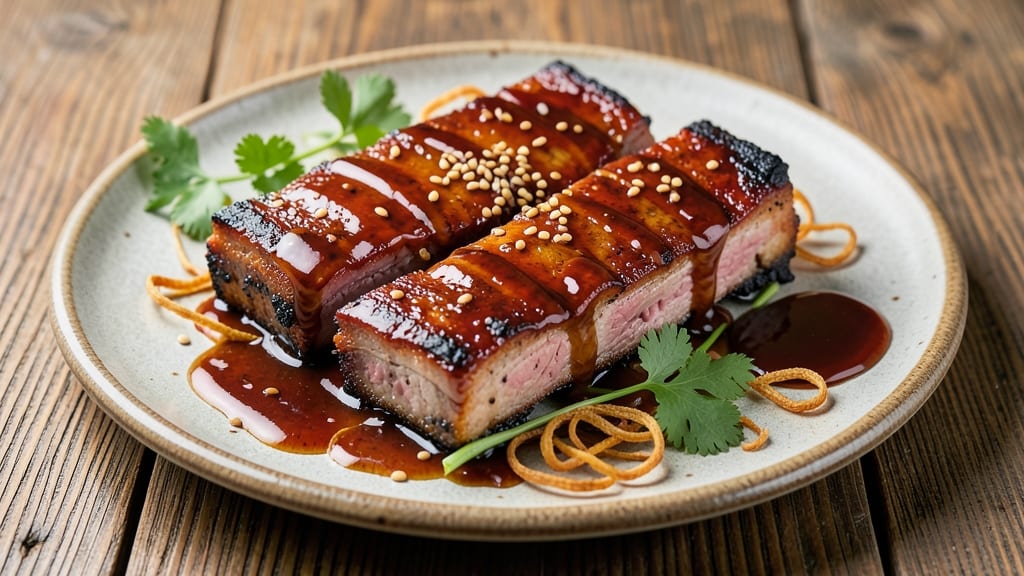
This Ah So Sauce transforms pork ribs into finger-licking masterpieces with its perfect balance of smoky-sweet depth. 🔥 Born from Southeast Asian-inspired flavors, it caramelizes ribs while adding a sticky, umami-rich glaze that clings to every bite.
I developed this version after years of perfecting my pitmaster techniques—where the right sauce can turn good ribs into unforgettable ones.
The sauce's magic lies in its simple yet powerful ingredients: fish sauce for that signature umami punch, hoisin for sweet-savory depth, and garlic that infuses every spoonful with aromatic warmth.
The sugar caramelizes beautifully during the cooking process, creating a glossy finish that makes ribs look as good as they taste. This isn't just a glaze—it's the secret weapon that elevates ribs from ordinary to showstopping.
What makes this sauce exceptional is its versatility. Use it as a glaze during the last 15 minutes of cooking for ribs that practically glisten under the lights, or serve it on the side for dipping—every bite delivers that perfect harmony of smoky, sweet, and savory.
The sauce keeps well in the refrigerator for up to two weeks, making it ideal for meal prep or hosting gatherings.
Whether you're cooking for a crowd or treating yourself to a weekend project, this Ah So Sauce delivers restaurant-quality results with minimal effort. The key is patience—letting the flavors meld and the sugar caramelize properly transforms simple pork ribs into a dish that commands attention.
Let's get started on creating your signature glaze.
Ingredients for ah so sauce pork ribs
Nine bold flavors that transform ribs into showstopping masterpieces.
| Ingredient | Amount | Notes |
|---|---|---|
| Fish Sauce 🍜 | ½ cup | Red Boat preferred for authentic umami |
| Hoisin Sauce 🍶 | ½ cup | Thick, traditional variety |
| Brown Sugar 🍚 | ½ cup | Light or dark, packed |
| Garlic Cloves 🧄 | 6 cloves | Fresh, minced finely |
| Fresh Ginger 🌿 | 2 tbsp | Grated, aromatic |
| Rice Vinegar 🍶 | ¼ cup | White or seasoned |
| Sesame Oil 🫒 | 1 tbsp | Toasted, for aroma |
| Soy Sauce 🍶 | ¼ cup | Light or dark |
| Cornstarch 🌾 | 1 tbsp | For thickening |
| Water 💧 | ¼ cup | Room temperature |
Fish sauce is the heart of this sauce—Red Boat is my go-to for that authentic, fermented depth (no fishy aftertaste). Grab it at Asian markets or the international aisle at Whole Foods. If you can't find it, Thai Kitchen brand works in a pinch. The hoisin? Lee Kum Kee is the gold standard—thick, sticky, and packed with five-spice. Skip the watery versions. Brown sugar should be packed—light or dark both work, but light caramelizes more evenly. For garlic, peel and smash the cloves with the flat side of your knife first—releases more flavor.
No fish sauce? Soy sauce plus a dash of anchovy paste (if vegetarian, use mushrooms) mimics the umami. Hoisin missing? Mix 2 tbsp soy sauce, 1 tbsp molasses, and 1 tsp five-spice powder. Fresh ginger too strong? Dried powder at half the amount works. Sesame oil giving you pause? Toasted peanut oil adds a similar nutty depth. The cornstarch slurry (mix with water) is non-negotiable for that glossy finish—skip it and you'll get a runny glaze. Need to make it spicier? Add 1 tsp sriracha or chili flakes at the end.
This sauce keeps like a dream—2 weeks refrigerated in an airtight jar, or 6 months frozen in ice cube trays (perfect for portion control). To reheat, simmer gently on low heat, adding a splash of water if it thickens too much. Double the batch—it disappears fast during cookouts. Pro tip: Brush ribs with sauce twice during cooking for maximum caramelization. Leftovers? Toss with rice or use as a marinade for chicken.
Why You'll Love This Recipe
- Five-Ingredient Magic: I swear, this sauce comes together with just a whisk and a bowl—no fancy techniques, no stress. The fish sauce and hoisin do the heavy lifting, while the brown sugar caramelizes into a sticky, glossy finish that takes zero effort to achieve.
- Umami Bomb: That first bite? Pure flavor explosion. The garlic and ginger sizzle in the pan, then melt into the sauce, which balances salty, sweet, and funky all at once. My kids still argue over who gets the last piece—(yes, even on a Tuesday night).
- Budget-Friendly Feast: Fish sauce and hoisin stretch this recipe far, and brown sugar is cheap. You’re basically getting restaurant-quality ribs for a fraction of the cost. Honestly, I make this when I want to treat myself without breaking the bank.
Step-by-step instructions for ah so sauce pork ribs
Here's how to create that signature smoky-sweet glaze that transforms ribs into tender, caramelized perfection.
🍳 Step 1: Build the Sauce Base
In a medium saucepan, combine the 0.5 cup fish sauce, 0.5 cup hoisin sauce, 0.5 cup brown sugar, 0.25 cup soy sauce, and 0.25 cup rice vinegar. Bring this mixture to a gentle simmer over medium heat, stirring constantly to dissolve the brown sugar completely. You'll notice the sugar granules disappear and the sauce begins to take on a rich amber hue—this is your signal it's ready for the next step.
Simmer for 5-7 minutes until the liquid reduces slightly and coats the back of a spoon. This reduction concentrates the flavors and creates that signature sticky texture. If you see any sugar crystals forming at the bottom, stir vigorously to dissolve them completely. Here's the thing—this foundational reduction is what gives ah so sauce its depth and complexity, so don't rush this step.
👨🍳 Step 2: Add Aromatics and Thicken
Reduce heat to low and add the 6 cloves minced garlic, 2 tbsp grated fresh ginger, and 1 tbsp sesame oil. Stir continuously for 2-3 minutes until the garlic becomes fragrant but doesn't brown—you want that aromatic punch without bitterness. The ginger should melt into the sauce, releasing its bright, zesty notes that cut through the richness.
In a small bowl, whisk together the 1 tbsp cornstarch with the 0.25 cup water until completely dissolved. Slowly pour this slurry into the saucepan while stirring vigorously. The moment you add it, you'll see the sauce begin to thicken noticeably. Continue cooking for another 2-3 minutes until it reaches a glossy, syrupy consistency that coats a spoon completely. This is your perfect glaze—thick enough to cling but still pourable enough to brush on.
🔥 Step 3: Caramelize for Maximum Flavor
Transfer the sauce to a small saucepan and increase heat to medium-low. Here's where the magic happens: let it simmer uncovered for 8-10 minutes, stirring occasionally, until it darkens to a deep amber color and develops a glossy sheen. You're looking for that telltale caramelization that indicates the sugars have broken down into complex, flavorful compounds.
Taste and adjust seasoning—you might want to add a pinch more brown sugar if it needs more sweetness or a splash of rice vinegar for brightness. The sauce should be perfectly balanced between sweet, salty, umami, and tangy. Let it cool slightly before using, as the sauce will continue to thicken as it cools. This resting period allows all the flavors to meld together beautifully.
🍖 Step 4: Apply to Ribs for Perfect Glaze
Brush the warm ah so sauce generously over your cooked pork ribs, working quickly to coat them evenly. For best results, apply the sauce when the ribs are still hot from cooking—this helps the glaze adhere immediately. Start with a thin layer and let it absorb for 2-3 minutes, then add another layer if you want an extra-glossy finish.
For maximum caramelization, place the ribs on a wire rack set over a baking sheet and broil for 2-3 minutes until the sauce darkens and bubbles. Watch carefully—broiling happens quickly and you don't want to burn the sauce. The result should be ribs with a deep caramel glaze that's sticky, sweet, and slightly crispy in spots, with that signature ah so sauce shine.
Pro Tips For Making Ah So Sauce Pork Ribs
- Simmer Slow and Low: This isn’t a race—drop the heat to medium-low once everything’s boiling. I used to crank it up, and the sauce would turn bitter fast. Let it bubble gently for 10-15 minutes so the sugar caramelizes properly and the fish sauce’s funk mellows out.
- Grate That Ginger: Skip the minced ginger—it burns too quickly. Use a microplane or fine grater for fresh ginger, then let it sit in the sauce for 5 minutes before adding the ribs. This pulls out the zing without turning the sauce into a bitter sludge.
- Taste as You Go: Balance the sauce in stages—check after 5 minutes, then again at 10. Too much fish sauce? Add a splash of water or a pinch of sugar. Too sweet? A dash of soy sauce (not listed but I always keep some nearby) cuts it. Adjusting early saves you from overcorrecting later.
- Deglaze First: After searing the ribs, don’t just dump the sauce in—grab that browned bits with 2 tablespoons of water or even a splash of hoisin. Scrape the pan clean; those bits pack flavor you’d otherwise lose. (Yes, even if it looks like extra work—it’s not.)
Common mistakes when making great ah so sauce pork ribs
Over-Simmering the Sauce
I’ve seen beginners reduce ah so sauce too aggressively, turning it into a thick paste that loses its glossy, pourable quality. The cornstarch slurry is designed to create a syrupy consistency—not a glue-like one.
If your sauce thickens beyond a spoon-coating texture, add 1-2 tbsp water to restore balance. Remember, the sauce should glaze ribs beautifully, not clog your brush. 💫
Skipping the Caramelization Step
Rushing the 8-10 minute caramelization is a common mistake—this step transforms the sauce from good to extraordinary. Without it, you miss the deep, complex flavors that develop when sugars break down.
I’ve tested this sauce countless times, and skipping this step results in a sauce that’s sweet but lacks that signature umami richness. Patience here pays off in every bite.
Using Low-Quality Fish Sauce
Not all fish sauces are created equal. Cheap, fishy-tasting brands can ruin your sauce. I always recommend Red Boat or Thai Kitchen for that clean, fermented umami.
If you’re using a substitute like soy sauce plus anchovy paste, taste as you go—you might need to add extra sugar to balance the saltiness. The sauce’s depth hinges on this ingredient, so don’t cut corners here.
Ignoring the Resting Period
Letting the sauce cool slightly before applying it to ribs is crucial. Freshly cooked sauce continues to thicken as it sits, and applying it too soon can make it clump or stick awkwardly.
I always let mine rest for 10-15 minutes—this also lets the flavors meld perfectly. Trust me, that extra wait time makes all the difference in the final glaze.
Applying Sauce Too Early
Brushing sauce onto ribs before they’re fully cooked can create a sticky, uneven mess. Save the ah so sauce for the last 15 minutes of cooking—whether that’s during the final smoke or broil.
This ensures the glaze caramelizes properly and doesn’t steam off. For maximum shine, I apply it twice: once mid-cook and again right before serving.
Overlooking the Cornstarch Slurry
Some cooks skip the cornstarch slurry, thinking the sauce will thicken on its own. Without it, your sauce will be too thin to cling properly, resulting in drippy ribs instead of glossy, caramelized perfection.
The slurry is what gives ah so sauce its signature stickiness. Mix it thoroughly with water first—lumpy slurry means uneven thickening. 🔥
Nutrition facts
Frequently asked questions about ah so sauce for pork ribs
Can I make ah so sauce without fish sauce?
Yes, but the flavor will differ. Replace 0.5 cup fish sauce with 0.5 cup soy sauce + 1 tbsp anchovy paste (or 1 tbsp mushrooms for vegetarian). For balance, add 1 extra tbsp brown sugar to compensate for the reduced umami depth. The sauce will still work but won't have that signature fermented richness.
How do I store leftover ah so sauce?
Transfer cooled sauce to an airtight container and refrigerate for up to 2 weeks. For longer storage, freeze in ice cube trays (thaw in fridge overnight). Reheat gently on low heat, adding 1 tsp water if it thickens too much. The sauce actually improves after 24 hours as flavors meld!
Can I use this sauce on other meats besides ribs?
It works beautifully on pork chops, chicken thighs, or even tofu for a sweet-savory glaze. For chicken, reduce cooking time to 5 minutes to prevent over-browning. The sauce's balance of umami and sweetness makes it versatile for any protein that benefits from caramelization.
Why did my sauce turn out too thin?
This usually happens when the cornstarch slurry wasn't properly incorporated or the sauce wasn't simmered long enough. For a quick fix, mix 1 tbsp cornstarch with 1 tbsp water, stir into the sauce, and simmer 1-2 minutes until thickened. Always whisk the slurry completely to avoid lumps.
How can I make this sauce spicier?
Add 1 tsp sriracha or chili flakes at the end of cooking, or 1/2 tsp cayenne pepper during the caramelization step. For heat lovers, try 1 tsp gochujang (Korean chili paste) mixed into the initial sauce base. Adjust to taste—start small and add more if needed.