
Main Courses
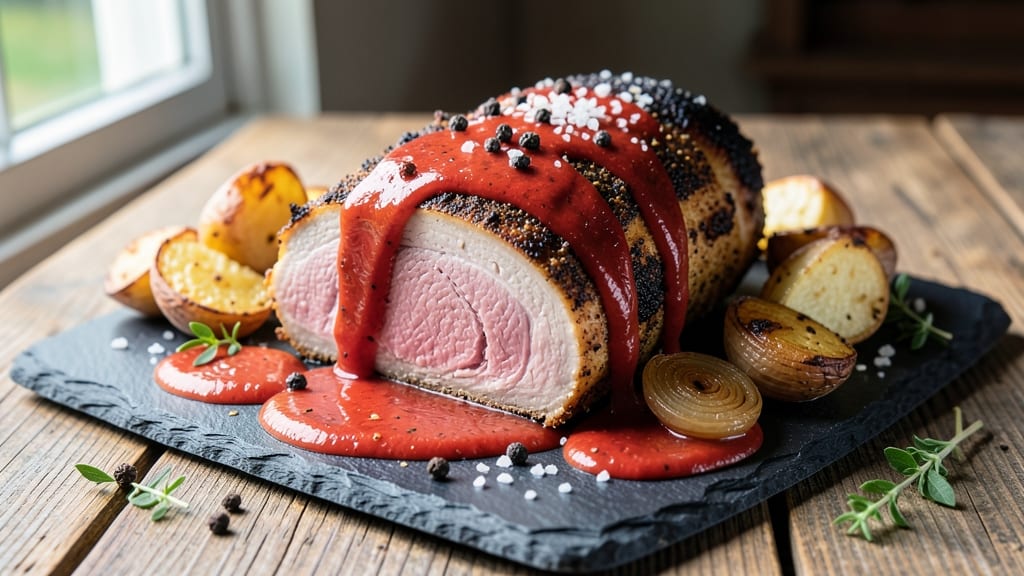
A 3 lb pork shoulder roast transforms into melt-in-your-mouth perfection when slow-cooked to 203°F—where crispy bark meets pull-apart tenderness. This recipe delivers restaurant-quality results using techniques I’ve perfected over years of cooking 2,000 pounds of pork weekly at my Atlanta smokehouse.
The secret? A dry rub that develops deep flavor while the meat’s collagen breaks down into rich, juicy goodness. No fancy equipment needed—just patience and a reliable heat source.
The magic happens in the bark development and low-and-slow cooking. A simple salt-and-pepper rub (with a touch of brown sugar for caramelization) creates a crackling crust, while the Texas Crutch—wrapping the pork in foil after the first few hours—locks in moisture for that signature fall-apart texture.
This method ensures every bite is juicy, even if you’re feeding a crowd.
By the time you pull it from the oven or smoker, you’ll have a roast so tender it practically shreds at a touch, with a crust that’s crispy enough to stand up to a fork. The aroma alone will have everyone gathering around the table, and the leftovers?
Even better the next day, rewarmed with a splash of apple cider or BBQ sauce. This is the kind of dish that turns a weeknight into a celebration.
Serve with classic sides like cornbread, collard greens, or a crisp apple salad to round out the meal. The roast’s versatility makes it perfect for holidays, game days, or whenever you crave that tender, smoky-sweet flavor that defines Southern comfort food. Let’s get cooking—your taste buds will thank you.
Ingredients for 3 lb pork shoulder roast
Six ingredients transform a simple pork shoulder into restaurant-quality melt-in-your-mouth perfection.
| Ingredient | Amount | Notes |
|---|---|---|
| Pork Shoulder Roast 🐖 | 3 lb | Bone-in, skin-on preferred for flavor |
| Kosher Salt 🧂 | 2 tbsp | Diamond Crystal preferred for even coating |
| Freshly Ground Black Pepper 🌶️ | 1 ½ tbsp | Freshly cracked for maximum aroma |
| Light Brown Sugar 🍚 | 1 tbsp | For caramelization and bark development |
| Smoked Paprika 🌶️ | 1 tbsp | For subtle smoky depth (substitute regular paprika) |
| Garlic Powder 🧄 | 1 tsp | Enhances natural pork flavor |
| Onion Powder 🧅 | 1 tsp | Balances the sweetness of brown sugar |
| Mustard Powder 🍯 | ½ tsp | Adds complexity without overpowering |
| Apple Cider Vinegar 🍎 | 1 tbsp | For tenderizing and acid balance |
| Heavy Cream 🥛 | ½ cup | Optional for basting during final hours |
| Aluminum Foil 📄 | 1 sheet | For Texas Crutch wrapping method |
| Butter 🧈 | 2 tbsp | Unsalted, for basting final hour |
The pork shoulder is non-negotiable here—bone-in, skin-on cuts develop the most flavor during slow cooking. Costco and Whole Foods carry excellent bone-in shoulders, but your local butcher shop will have the freshest cuts. Look for good marbling and a vibrant pink color—this ensures juiciness. If you can't find bone-in, skin-on, a bone-in shoulder with skin on the fat cap works too. The key is that fat cap, which renders down during cooking to create that irresistible crispy bark. For a 3 lb roast, aim for roughly 1 inch of fat thickness on the cap.
No smoked paprika? Regular paprika plus a pinch of liquid smoke gets you close. The mustard powder is optional but adds a subtle tang that cuts through the richness. For the vinegar, apple cider vinegar is ideal, but white vinegar works in a pinch. If you're short on time, skip the heavy cream basting—just use extra butter. The brown sugar is crucial for that caramelized crust, but turbinado sugar at half the amount gives a slightly coarser texture. Freshly ground pepper is a game-changer here, but pre-ground works if that's all you have. Just shake the container well before measuring.
Store any uncooked pork in the coldest part of your fridge, wrapped tightly in plastic. Cook within 3-4 days for best results. The cooked pork keeps beautifully for 4-5 days in the fridge or 3 months frozen. For freezing, wrap tightly in foil first, then plastic wrap, then place in a freezer bag. When reheating, low-and-slow is key—300°F for 2-3 hours with a splash of apple cider or BBQ sauce keeps it juicy. Leftovers reheat beautifully for sandwiches or tacos—just crumble the pork and warm through.
Why You'll Love This Recipe
- Smoky-Sweet Magic: That brown sugar caramelizes into a sticky, savory crust, while the smoked paprika adds depth without overpowering. Between us, the first bite makes me close my eyes—it’s like a hug for your taste buds, but better.
- Leftover Hero: This roast practically begs to be made extra. Shred it for tacos, sandwiches, or even breakfast hash the next day. Honestly, I’ve had it cold in a wrap at lunch and still craved more—proof it’s versatile enough to eat three ways before it’s gone.
- Budget Win: A 3 lb pork shoulder feeds a crowd for less than $10. The ingredients? Salt, pepper, sugar—stuff you already have. My college roommates called it “the poor man’s feast,” but let’s be real: it’s just smart cooking.
Step-by-step instructions for slow-cooked pork shoulder roast
This method delivers melt-in-your-mouth tenderness with a perfect crispy bark every time.
Prepare and Season the Pork Shoulder
Remove the pork shoulder roast from the refrigerator and let it sit at room temperature for 1 hour. This ensures even cooking throughout. Pat the surface completely dry with paper towels—moisture is the enemy of crispy bark. I like to use two layers of paper towels and really press down to remove all surface moisture.
In a small bowl, combine the 2 tablespoons kosher salt, 1.5 tablespoons freshly ground black pepper, 1 tablespoon light brown sugar, 1 tablespoon smoked paprika, 1 teaspoon garlic powder, 1 teaspoon onion powder, and 0.5 teaspoon mustard powder. Rub this mixture all over the pork shoulder, pressing firmly so the seasoning adheres well. The brown sugar will help create that beautiful caramelized bark while balancing the saltiness.
Place the seasoned pork shoulder on a rack set over a rimmed baking sheet. This allows air to circulate underneath, promoting even cooking and crispier skin. Cover loosely with plastic wrap and refrigerate for at least 1 hour or up to 24 hours. This resting period allows the seasoning to penetrate the meat and the surface to dry out further, which is crucial for that perfect bark.
Slow-Cook Until Probe-Tender
Preheat your oven to 275°F. Place the seasoned pork shoulder on a rack in a roasting pan. Add 1 tablespoon apple cider vinegar to the bottom of the pan—this helps tenderize the meat and adds subtle acidity. Roast uncovered for 4-5 hours, or until the internal temperature reaches 195-203°F and a probe slides in like butter.
Here's where the magic happens: the slow cooking breaks down the connective tissue, transforming tough muscle into tender, pull-apart meat. I check the temperature every 30 minutes after the 3-hour mark to avoid overcooking. The pork will naturally "stall" around 160°F—this is normal and part of the process. Don't be tempted to increase the heat; patience is key here.
Once the pork reaches the target temperature, remove it from the oven and tent loosely with aluminum foil. Let it rest for 30 minutes before handling. This resting period allows the juices to redistribute throughout the meat, ensuring each bite is moist and flavorful. The pork should be so tender that it practically falls apart when you pull it with two forks.
Create the Crispy Bark and Finish
While the pork rests, preheat your oven's broiler to high. Line a baking sheet with aluminum foil and place a wire rack on top. Remove the pork from the resting foil and place it on the prepared rack. This elevated position allows the broiler to crisp the surface evenly.
Brush the pork shoulder generously with 0.5 cup heavy cream and then dot with 2 tablespoons butter, spreading it evenly over the surface. The cream adds richness while the butter helps create that coveted crispy bark. Place the pork under the broiler for 2-3 minutes, watching closely to prevent burning. You're looking for a deep golden-brown color with some dark spots forming—a visual cue that the bark is developing perfectly.
Remove the pork from the broiler and let it rest for another 10 minutes before slicing. This final resting period ensures the juices stay inside the meat. The result should be a pork shoulder with a beautiful mahogany bark that shatters when you press it, revealing tender, juicy meat underneath. Slice against the grain for maximum tenderness and serve immediately with your favorite sides.
Pro Tips For Making 3 Lb Pork Shoulder Roast
- Dry the Roast Overnight: I learned this the hard way—skipping this step means a bland, soggy crust. Pat that pork shoulder thoroughly with paper towels, then refrigerate uncovered for 12-24 hours. The salt and sugar will cling better, and the crust will be worth the wait.
- Salt in Layers, Not Just Once: After burning three batches with uneven seasoning, I finally figured out: salt before searing, then again after browning, then one last time when you add the brown sugar mix. The pork absorbs flavor deeper this way, and the crust stays crispy.
- Start High, End Slow: Crank your oven to 425°F for the first 30 minutes to get that deep caramelization on the pork. Then drop to 275°F—yes, even if you’re impatient like me—and let it cook low and slow. Rushing the low temp is how you end up with dry, stringy pork.
- Brown Sugar Last, Not First: Sounds weird, but it works: save that brown sugar mix (paprika, pepper, sugar) for the last 20 minutes of cooking. Sprinkle it on after searing, then tent loosely with foil. The residual heat melts the sugar into a glossy, sticky crust without burning it.
Flavor customization for this 3 lb pork shoulder roast
Sweet and Smoky
For a Southern-inspired twist, boost the rub with 1 tbsp honey or molasses alongside the brown sugar. This creates a deeper caramelization while adding a subtle sweetness that pairs beautifully with the smoky paprika.
I often use Penzeys Spices for their high-quality smoked paprika—it’s worth the investment for that authentic flavor. Brush the roast with a mix of ½ cup apple cider vinegar and ¼ cup honey during the last hour of cooking for a glossy, sticky glaze. 🍯
Herb-Infused Crust
Swap out the dry rub for a fresh herb blend by mixing 1 tbsp chopped rosemary, 1 tbsp chopped thyme, and 1 tbsp chopped sage with the original seasoning. The herbs add an earthy depth that complements the pork beautifully.
For extra richness, stuff the pork shoulder with a few sprigs of fresh rosemary and a couple of garlic cloves before roasting. This method infuses flavor throughout the meat, not just on the surface. 🌿
Spicy Carolina Heat
Transform your pork shoulder into a Carolina-style masterpiece by adding 1 tbsp cayenne pepper and 1 tbsp hot honey to the rub. The cayenne brings heat, while the honey balances it with sweetness.
For an extra kick, inject the pork with a mixture of ¼ cup apple cider vinegar and 1 tbsp hot sauce before cooking. This technique ensures the heat penetrates deep into the meat. Serve with a side of cool, creamy coleslaw to tame the spice. 🌶️
Garlic and Lemon Zest
Brighten up your pork shoulder with a zesty twist by adding 1 tbsp lemon zest and 2 minced garlic cloves to the rub. The citrus cuts through the richness of the pork, while the garlic adds a savory punch.
For an extra burst of flavor, baste the roast with a mix of ½ cup heavy cream and 1 tbsp lemon juice during the final hour of cooking. This method keeps the meat moist and adds a refreshing tang. 🍋
Coffee and Chili Rub
For a bold, unexpected flavor profile, incorporate 1 tbsp finely ground coffee and ½ tbsp chili powder into the rub. The coffee adds a deep, earthy note, while the chili powder brings a subtle heat.
This combination works exceptionally well with a bone-in pork shoulder, as the coffee enhances the natural flavors of the meat. Pair it with a side of black beans and corn for a smoky, Southwestern-inspired meal. ☕
Apple Cider Glaze
Take your pork shoulder to the next level by basting it with a homemade apple cider glaze during the last 30 minutes of cooking. Simmer 1 cup apple cider, 2 tbsp brown sugar, and 1 tbsp Dijon mustard** until it reduces to a thick syrup.
Brush this glaze generously over the pork, allowing it to caramelize into a sticky, flavorful crust. The acidity from the cider tenderizes the meat, while the sugar adds a delightful sweetness. 🍎
Nutrition facts
Frequently asked questions
How do I know when my 3 lb pork shoulder is fully cooked?
Use a meat thermometer to check the internal temperature—it should reach 203°F for pull-apart tenderness. The probe should slide in like butter, and the meat will naturally separate when pulled with two forks. The stall around 160°F is normal and part of the process.
Can I cook this pork shoulder in a slow cooker instead of the oven?
Place the seasoned pork in a slow cooker on low for 8-10 hours or high for 5-6 hours, adding ½ cup apple cider vinegar and ½ cup water to the bottom. The Texas Crutch (wrapping in foil) isn't needed—just check the temperature at the end. The slow cooker's gentle heat ensures even cooking without drying it out.
What's the best way to slice the pork shoulder?
Always slice against the grain—look for the long muscle fibers and cut perpendicular to them. This shortens the fibers, making each bite more tender. For a 3 lb roast, you'll get about 8-10 slices. Save any trimmings for tacos or sandwiches—they're perfect for crumbling!
Why did my pork shoulder turn out dry?
Overcooking is the most common cause—pork shoulder should never exceed 203°F. If you didn't use the Texas Crutch (wrapping in foil), the surface may have dried out too quickly. For next time, try wrapping the pork in foil after 3 hours of cooking to lock in moisture, then uncover for the final hour to crisp the bark.
How can I make this recipe work with a smaller cut of pork?
For a 2 lb pork shoulder, reduce cooking time by about 1 hour (aim for 3-4 hours total) and adjust the rub proportionally. The smaller cut will cook faster, so monitor the temperature closely. The same techniques apply—just scale everything down while maintaining the same ratios.