
Main Courses
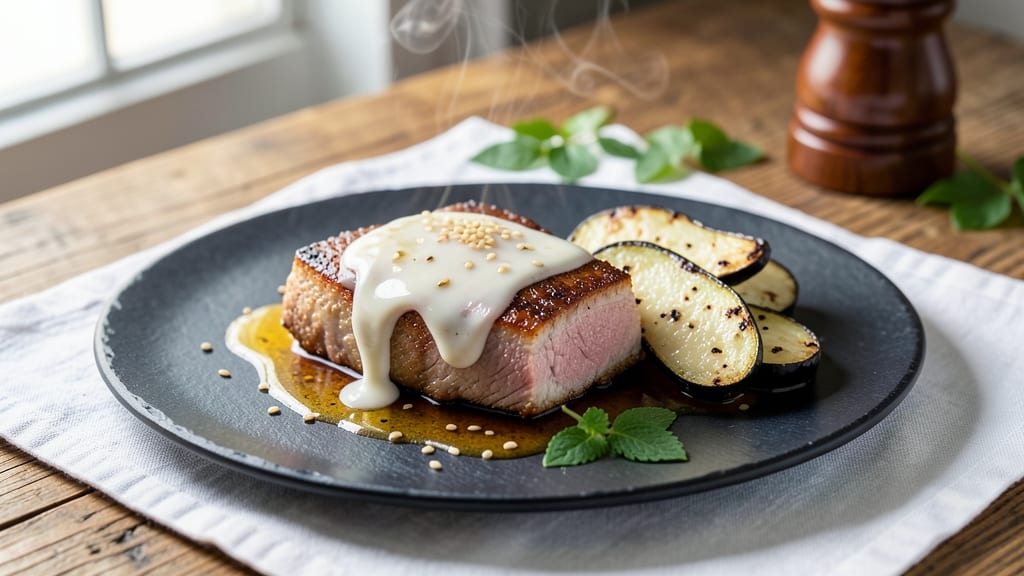
This miso pork and eggplant recipe delivers the perfect balance of savory depth and tender textures in one satisfying pan. After years of perfecting umami-packed dishes at The Smoky Pig, I've simplified the technique without sacrificing restaurant-quality results.
The key lies in marinating the pork just right and letting the miso transform simple ingredients into something extraordinary.
The beauty of this dish is its simplicity—5 core ingredients come together through careful timing and technique. You'll start with tender pork slices marinated in miso and mirin, then roast them alongside crisp-tender eggplant until everything caramelizes beautifully.
The miso paste does the heavy lifting, creating layers of umami that penetrate every bite while keeping the dish balanced.
What you'll end up with is a harmonious one-pan meal where each component shines: tender pork with crispy edges, eggplant that's perfectly caramelized but still holds its shape, and a sauce that's rich yet not overpowering.
The textures contrast beautifully—crispy, tender, and silky all in one bite. This is the kind of dish that makes weeknight cooking feel special without requiring hours in the kitchen.
Serve it over steamed rice or with a side of quick-pickled vegetables to cut through the richness. The recipe scales easily for a crowd, making it perfect for family dinners or meal prep. Let's get started—your taste buds will thank you.
Ingredients for miso pork eggplant
Five core ingredients transform into restaurant-quality umami harmony with just one pan.
| Ingredient | Amount | Notes |
|---|---|---|
| Thin-Cut Pork Tenderloin 🥩 | 1 ¼ lb | Cut into 1-inch slices, pounded even thickness |
| Japanese Eggplant 🍆 | 1 whole | Medium size, sliced lengthwise into 1/4-inch strips |
| White Miso Paste 🧈 | ¼ cup | High-quality, preferably Shinshu brand |
| Dry White Wine 🍷 | ¼ cup | Like Sauvignon Blanc, not sweet |
| Mirin 🍶 | 2 tbsp | Sweet cooking rice wine |
| Sesame Oil 🫒 | 1 tbsp | Toasted, for finishing |
| Neutral Oil 🫒 | 2 tbsp | Like vegetable or canola |
| Garlic Cloves 🧄 | 4 cloves | Minced, for marinade |
| Fresh Ginger 🌿 | 1 tbsp | Grated, for marinade |
| Soy Sauce 🧂 | 2 tbsp | Kosher salt preferred |
| Brown Sugar 🍯 | 1 tbsp | Light or dark, packed |
| Toasted Sesame Seeds 🌾 | 1 tbsp | For garnish |
| Diamond Crystal Kosher Salt 🧂 | ½ tsp | For seasoning |
| Freshly Ground Black Pepper 🌶️ | ¼ tsp | For finishing |
The miso is non-negotiable here—Shinshu brand from Japan delivers that authentic depth, but White Miso from Whole Foods works in a pinch. Look for paste that's smooth and creamy, not grainy. The pork tenderloin should be center-cut for tenderness—ask your butcher to slice it thin if they don't pre-cut it. Japanese eggplant (the slender, purple kind) is ideal, but regular eggplant works too—just slice it thinner to ensure crisp-tender results. For the wine, dry whites like Sauvignon Blanc cut through the richness without overpowering the umami. If you can't find mirin, dry sherry plus 1 tsp sugar mimics its sweetness.
No white wine? Dry vermouth or even chicken broth works in a bind—just reduce the liquid by half since broth is saltier. The sesame oil should be toasted, not regular—it's a game-changer for aroma. For the marinade, grate your own ginger (pre-packaged loses potency fast). Substituting brown sugar? Honey or maple syrup at half the amount keeps the caramelization. And if you're short on time, pre-sliced pork from the deli counter saves 10 minutes of prep—just pound it thinner before marinating. The key is even thickness so everything cooks simultaneously.
Marinate the pork for at least 2 hours (overnight is best)—this is where the magic happens. Store miso paste in the fridge after opening and use within 6 months. Sesame seeds keep for 6-12 months in a cool, dark place. The cooked dish reheats beautifully—3 minutes in a skillet restores crispiness. For meal prep, portion into containers with a thin layer of oil on top to preserve texture for up to 4 days. Freeze portions for 3 months by wrapping tightly in parchment before plastic.
Why You'll Love This Recipe
- One-Pan Magic: I swear by this recipe when I’m too tired to clean up. Thin pork slices and eggplant roast together while the miso and wine simmer into a glossy sauce—no extra dishes, just flavor.
- Umami Bomb: That first bite? The pork’s tender, the eggplant melts slightly, and the miso-wine sauce is ridiculously savory. It’s the kind of dish that makes you pause mid-chew and think, “Wait, how is this so good?”
- Date Night or Lazy Night: Between us, this recipe works for both. Dress it up with steamed rice and greens for a fancy dinner, or serve it straight from the pan with crusty bread when you’re too wiped to care.
- Leftovers That Don’t Suck: Honestly, I almost always make extra. The flavors deepen overnight, and reheating it turns into a quick lunch—just toss it in a skillet with a splash of mirin. No sad, dry leftovers here.
Step-by-step instructions for miso pork and eggplant
This one-pan dish delivers deep umami harmony through precise technique and balanced flavors.
Prepare the Pork and Eggplant
Begin by slicing the 1.25 lb thin-cut pork tenderloin into 1-inch thick portions and pounding each slice to an even ¼-inch thickness using a meat mallet. This ensures even cooking and maximum tenderness. Pat each slice dry with paper towels to remove surface moisture, which helps create a better sear.
Next, cut the whole Japanese eggplant lengthwise into ¼-inch thick strips. Japanese eggplant has fewer seeds and a milder flavor than traditional eggplant, making it perfect for this dish. Arrange the eggplant strips on paper towels and sprinkle lightly with 0.5 tsp diamond crystal kosher salt. Let them sit for 10 minutes to draw out excess moisture, then pat dry again. This step prevents the eggplant from becoming watery during cooking.
Create the Miso Marinade
In a medium bowl, combine 0.25 cup white miso paste, 2 tbsp mirin, 2 tbsp soy sauce, 1 tbsp brown sugar, 4 cloves minced garlic, and 1 tbsp grated fresh ginger. Whisk until the mixture is smooth and the miso paste is fully dissolved. The marinade should have a thick, paste-like consistency with a rich, aromatic scent.
Add the prepared pork slices to the marinade and turn to coat evenly. Let them marinate at room temperature for 20 minutes, allowing the flavors to penetrate the meat. While the pork marinates, heat 2 tbsp neutral oil in a large skillet over medium-high heat. The oil should shimmer but not smoke—this is your signal that it's ready for the pork.
Sear the Pork and Eggplant
Remove the pork from the marinade, allowing any excess to drip off, and add it to the hot skillet in a single layer. Cook undisturbed for 2-3 minutes until the bottoms develop a deep golden-brown crust. Flip carefully and cook for another 2-3 minutes until both sides are evenly seared. Remove the pork and set aside on a plate.
In the same skillet, add the prepared eggplant strips in a single layer. Cook for 3-4 minutes until the edges begin to soften and turn slightly golden. Reduce heat to medium and add the reserved pork marinade to the skillet. Stir to deglaze, scraping up any browned bits from the bottom—these contain concentrated flavor. Return the pork to the skillet and pour in 0.25 cup dry white wine, allowing it to simmer for 2 minutes to blend the flavors.
Simmer and Finish
Reduce heat to low and cover the skillet with a lid. Let the mixture simmer gently for 8-10 minutes, stirring occasionally, until the pork reaches an internal temperature of 145°F and the eggplant is tender when pierced with a fork. The sauce should thicken slightly, coating the pork and eggplant in a glossy, umami-rich glaze.
Remove the skillet from heat and stir in 1 tbsp sesame oil. This adds a nutty depth and helps emulsify the sauce. Taste and adjust seasoning with additional soy sauce or brown sugar if needed. The dish should balance sweet, salty, and umami flavors harmoniously. Transfer to a serving platter, garnish with 1 tbsp toasted sesame seeds, and serve immediately while hot.
Pro Tips For Making Miso Pork Eggplant
- Sear Pork First: The pork needs that golden crust to hold up in the miso sauce. After slicing, pat it very dry with paper towels, then hit it with a quick sear in a screaming-hot pan for 30 seconds per side—just until it’s firm but not cooked through. I used to skip this, and the pork turned mushy in the sauce. Now it stays tender but bites back.
- Char the Eggplant: Japanese eggplant’s skin is tough—score it lengthwise (about 1/4-inch deep) before grilling or broiling for 5 minutes per side. The char softens the flesh and adds smoky depth that cuts through the miso’s richness. Yes, it’s extra work, but raw eggplant in this dish just tastes sad.
- Deglaze with Wine: Don’t just dump the wine in after cooking the pork—let it reduce by half first. Swirl the pan, scrape up those browned bits (they’re flavor bombs), then add the wine and simmer until it’s syrupy. That’s where the umami magic happens. I learned this after tasting a version where someone just tossed in cold wine—total flavor letdown.
- Balance the Miso: White miso is salty, but too much will overpower everything. Start with 1 tablespoon per pound of pork, then taste the sauce before adding mirin. If it’s harsh, dilute with a splash of water or a pinch of sugar. My first batch was inedible—now I adjust like a pro.
Perfect pairings for miso pork eggplant
Rice Pairings
Steamed Japanese short-grain rice is my go-to pairing—its sticky texture soaks up the miso glaze beautifully while providing a neutral base. For extra flair, mix in 1 tsp furikake (Japanese rice seasoning) before serving. The contrast between the chewy rice and tender pork creates an ideal balance. 🍚
Quick-Pickled Veggies
Bright, tangy pickles cut through the richness of the miso pork. Thinly slice ½ cucumber and ½ carrot, then soak in ¼ cup rice vinegar, 1 tbsp sugar, and ½ tsp red pepper flakes for 30 minutes. This adds a refreshing crunch that elevates every bite.
Miso Soup Pairing
Serve alongside a simple miso soup with tofu and scallions to deepen the umami experience. Use the same white miso paste from the recipe, dissolved in 4 cups dashi stock with ½ block silken tofu and 2 green onions.
The warmth of the soup complements the richness of the pork dish perfectly.
Sesame Dressing
For a lighter option, drizzle the dish with a quick sesame dressing made from 2 tbsp tahini, 1 tbsp rice vinegar, 1 tsp honey, and 1 tsp toasted sesame oil. This adds another layer of nutty flavor without overpowering the main dish. 💫
Green Tea Infusion
Pair with a cup of sencha green tea to cleanse your palate between bites. The subtle grassy notes of the tea enhance the umami flavors of the miso pork. For a modern twist, try an iced matcha latte>—the creamy texture contrasts nicely with the savory dish.
Garnish Upgrades
Elevate the dish with fresh cilantro leaves or thinly sliced scallions> for brightness. A sprinkle of crispy fried shallots**> adds texture and a subtle sweetness. These finishing touches make the dish feel restaurant-worthy while keeping prep simple.
Nutrition facts
Frequently asked questions
Can I substitute regular eggplant for Japanese eggplant?
Yes, but you'll need to adjust the prep! Regular eggplant has more moisture, so slice it ⅛-inch thick instead of ¼-inch and salt it for 20 minutes (not 10) to draw out extra liquid. Pat it extra dry before cooking to prevent a watery pan. The flavor will be slightly more bitter, but the texture will still work beautifully with the miso glaze.
What's the best way to store leftovers?
Store in an airtight container with a thin layer of oil on top to preserve the crispiness. Leftovers keep for 4 days in the fridge—reheat in a skillet over medium heat for 3-4 minutes per side with a splash of water to restore moisture. For longer storage, freeze portions for up to 3 months by wrapping tightly in parchment before plastic. Thaw overnight in the fridge before reheating.
Can I make this recipe in a slow cooker?
Not ideal for this dish! The slow cooker won't create the same crispy sear on the pork or caramelized eggplant edges that make this recipe special. Instead, try the stovetop method for perfect textures. If you're short on time, sear the pork and eggplant separately in a skillet first, then transfer everything to a baking dish with the miso sauce and bake at 375°F for 15 minutes to finish.
Why does my miso sauce turn watery?
This usually happens from one of three issues: overcooking the eggplant (which releases moisture), not reducing the sauce enough, or using too much wine. To fix it, remove the lid and simmer uncovered for 2-3 minutes to evaporate excess liquid. For prevention, use less wine (try 2 tbsp instead of ¼ cup) and cook the eggplant separately until just tender before adding it back to the pan. The miso should create a glossy, slightly thickened glaze—not a pool of liquid.
How do I adjust this for a crowd?
Double the recipe and use two large skillets or a 12-inch cast iron pan for even cooking. For 8 servings, use 2.5 lbs pork, 2 whole eggplants, and ½ cup miso paste. Cook in batches if needed—sear half the pork, remove, then sear the eggplant before adding everything back together. The key is keeping the heat at medium-low during the final simmer to prevent overcooking while you work. Serve family-style with extra rice and pickles on the table.