
Main Courses
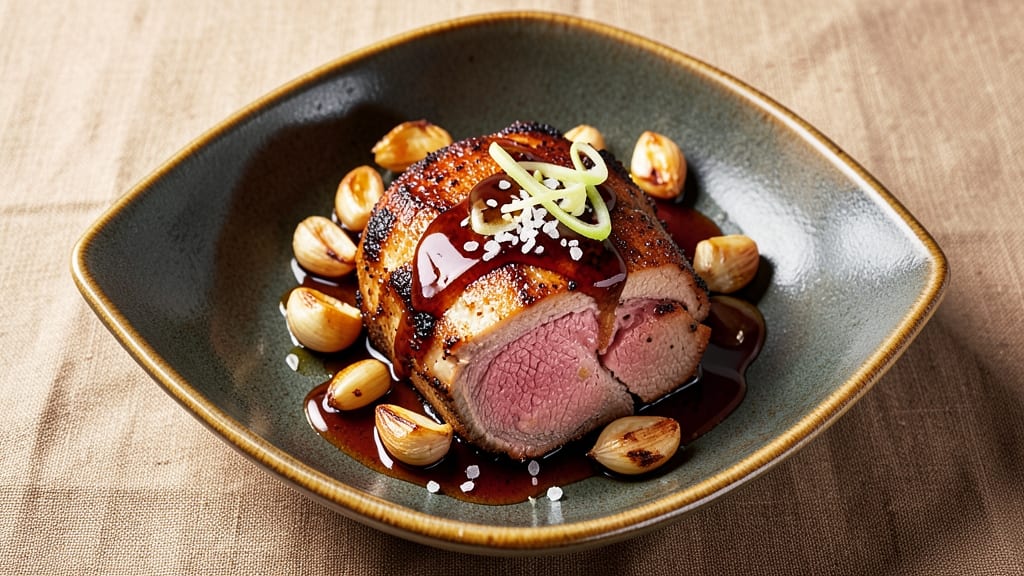
This miso marinated pork roast delivers restaurant-quality tenderness with just 45 minutes of hands-on time—no fuss, no stress. The secret lies in a fermented miso marinade that transforms tough pork into melt-in-your-mouth perfection, balancing umami depth with a subtle sweetness.
I've perfected this technique after years of cooking whole hogs in my Atlanta kitchen, where the right balance of salt, sugar, and fermentation makes all the difference.
The marinade works its magic overnight, breaking down fibers while infusing the pork with complex flavors. You'll start with a simple mix of white miso, honey, soy sauce, and aromatics, then let it work its alchemy in the fridge.
When it hits the oven, the pork roasts to a golden crust while staying juicy inside—tender enough to fall apart with minimal effort, thanks to the marinade's tenderizing power.
What you'll end up with is a showstopping centerpiece that smells like a Southern kitchen on Sunday morning—rich, aromatic, and impossible to resist. The miso marinade creates a caramelized crust that locks in moisture, while the interior stays succulent and flavorful.
This is the kind of pork roast that makes guests ask for seconds before they even take their first bite.
Pair it with roasted sweet potatoes and a crisp green salad for a complete meal, or serve with steamed jasmine rice to soak up every bit of that umami-rich juices.
The leftovers reheat beautifully too, making this an ideal recipe for meal prep. Let's get started on creating your most tender pork roast yet.
Ingredients for miso marinated pork roast
Six aromatics and a 3-pound roast transform into melt-in-your-mouth perfection overnight.
| Ingredient | Amount | Notes |
|---|---|---|
| Boneless Pork Loin Roast 🐖 | 3 lb | Center-cut for even cooking |
| White Miso Paste 🍶 | ½ cup | High-quality, fermented miso |
| Honey 🍯 | ¼ cup | Wildflower or clover preferred |
| Soy Sauce 🥢 | ¼ cup | Low-sodium preferred |
| Garlic Cloves 🧄 | 6 cloves | Minced for marinade |
| Fresh Ginger 🌿 | 1 tbsp | Grated, freshly ground |
| Sesame Oil 🫒 | 1 tbsp | Toasted sesame preferred |
| Rice Vinegar 🍶 | 1 tbsp | White rice vinegar |
| Olive Oil 🫒 | 2 tbsp | Extra-virgin for richness |
| Salt 🧂 | 1 ½ tsp | Kosher or sea salt |
| Black Pepper 🌶️ | 1 tsp | Freshly ground preferred |
| Fresh Green Onions 🧅 | 4 whole | Sliced for garnish |
| Jasmine Rice 🍚 | 2 cups | Uncooked, for serving |
The pork roast is non-negotiable here—center-cut pork loin stays moist and tender. Costco or local butcher shops usually carry it pre-trimmed, but if you're buying whole, ask for the loin section. Look for good marbling and bright pink color. I always buy a 3-pound roast for six servings—it's the perfect size for a weeknight dinner that feels special. The miso? Miso Master or Marukome brands are my go-to for that deep umami punch, but any quality white miso works. Fresh ginger and garlic are a must—they're the backbone of the marinade's flavor profile.
No white miso? Substitute 1/4 cup soy sauce plus 1/2 tsp sugar for a similar umami boost. Running short on sesame oil? Toasted peanut oil works in a pinch, though the flavor will differ slightly. The honey can be swapped for maple syrup if you're avoiding refined sugar. For the rice vinegar, apple cider vinegar adds a tangy twist. If you're prepping ahead, the marinade can sit on the pork for up to 24 hours—just remember to pat it dry before roasting for that perfect crust. The green onions are purely for garnish, but if you're out, a sprinkle of toasted sesame seeds adds the same visual pop.
Marinated pork keeps 3-4 days in the fridge, but trust me—it's even better the next day. For longer storage, freeze the uncooked roast in its marinade for up to 3 months. When reheating, a quick sear in a hot pan with a splash of water keeps it juicy. The jasmine rice? Cook it in advance and reheat with a splash of water—steamed rice reheats beautifully. I always make extra rice to soak up those rich marinade juices—it's the best part of the meal.
Why You'll Love This Recipe
- Four-Ingredient Magic: Just miso, honey, soy, and garlic—no fancy prep. I swear, the marinade takes less time than scrolling through recipes, and the pork practically cooks itself.
- Sweet-Savory Balance: That sticky-sweet miso glaze? It’s the kind of flavor that makes your taste buds do a happy dance—salty, umami-rich, with just enough honey to keep it from being too heavy.
- Weeknight Hero: I make this for dinner parties and lazy Sundays. Slice it thin for sandwiches, cube it for fried rice, or serve it as-is when I’m too tired to fuss.
- Leftovers That Shine: The roast stays juicy for days, and the flavor only gets better. Honestly, I often make double—because reheating those slices for breakfast burritos? Pure win.
Step-by-step instructions for miso marinated pork roast
Here's how to transform a simple pork roast into melt-in-your-mouth perfection with just a few key steps.
Create the Miso Marinade
In a medium bowl, combine the 0.5 cup white miso paste, 0.25 cup honey, 0.25 cup soy sauce, 1 tbsp sesame oil, 1 tbsp rice vinegar, 2 tbsp olive oil, 1.5 tsp salt, and 1 tsp black pepper. This marinade is the flavor foundation - the miso brings deep umami, while the honey and vinegar create a perfect balance of sweet and tangy notes.
Using a fork, mash the 6 cloves garlic and 1 tbsp fresh ginger until finely minced, then stir them into the marinade. The fresh ginger adds a bright, zesty contrast that cuts through the richness of the miso. Let the marinade sit at room temperature for 10 minutes to allow the flavors to meld together - you'll notice the aroma become more complex as the ingredients integrate.
Marinate the Pork Roast
Place the 3 lb boneless pork loin roast in a large resealable plastic bag, making sure it fits snugly. Pour the marinade over the pork, coating it completely on all sides. Seal the bag tightly, removing as much air as possible to ensure full contact with the meat. This step is crucial for maximum flavor penetration and tenderness.
Massage the bag gently to distribute the marinade evenly, then refrigerate for at least 4 hours or overnight. The longer it marinates, the more flavorful and tender the pork will become. If you can only marinate for a few hours, don't worry - you'll still get excellent results, though overnight marinating yields the best texture and flavor.
Preheat and Sear the Roast
Preheat your oven to 375°F. Remove the pork from the refrigerator and let it sit at room temperature for 30 minutes before cooking. This ensures even cooking throughout. Place the pork roast in a roasting pan, fat-side up, and let it sit uncovered in the preheating oven for 10 minutes to come to temperature.
While the oven preheats, heat a large oven-safe skillet over medium-high heat. Add the marinated pork and sear on all sides until golden brown, about 3-4 minutes per side. This creates a flavorful crust that locks in juices. The pork should release easily from the pan when ready to transfer to the oven - if it sticks, let it cook a bit longer before attempting to flip.
Roast to Perfect Tenderness
Transfer the seared pork to the preheated oven and roast for 30-35 minutes for medium-rare (internal temperature 135°F) or 40-45 minutes for medium (145°F). The miso marinade helps create a beautiful caramelized crust while keeping the interior juicy. Use a meat thermometer for accuracy - the pork will continue cooking slightly after removal from the oven.
About 15 minutes before the pork is done, prepare the 2 cups jasmine rice according to package instructions. The rice will be ready to serve just as the pork finishes cooking. Remove the pork from the oven and let it rest for 10-15 minutes before slicing - this resting period allows the juices to redistribute throughout the meat, ensuring each slice is moist and flavorful.
Serve with Garnish
Slice the pork roast into ½-inch thick pieces against the grain for maximum tenderness. Arrange the slices over the prepared jasmine rice and drizzle with any pan juices from the roasting pan. The miso marinade creates a beautiful glaze that adds extra flavor to each bite.
Garnish with sliced 4 whole fresh green onions for a fresh, vibrant finish. Serve immediately while the pork is still warm and juicy. The combination of tender pork, aromatic rice, and the complex miso marinade creates a restaurant-quality meal that's surprisingly simple to prepare at home.
Pro Tips For Making Miso Marinated Pork Roast
- Marinate Overnight (Not 2 Hours): I used to rush the marinade, thinking a few hours would do—wrong. White miso needs time to penetrate that pork loin, and honey’s sweetness softens the meat’s fibers. At least 8 hours, ideally overnight. Trust me, the flavor and texture pay off.
- Roast at 325°F: Start high for a crust, then slow for tenderness. Sear the roast first in a screaming-hot pan, then transfer to a 325°F oven. This locks in juices without drying out the meat—critical for pork loin, which turns tough when overcooked.
- Whisk Miso and Honey: Don’t just mix them—whisk until the miso dissolves completely. Lumpy miso paste means uneven flavor distribution, and you’ll taste it in every bite. A splash of warm water helps if it’s stubborn, but whisk like you’re angry at it.
- Slice Against the Grain: The pork loin’s muscle fibers run long, so cutting perpendicular to them makes each bite melt in your mouth. If you slice with the grain, you’re fighting physics—and your guests will notice the chewiness. A sharp knife and patience are your friends.
Flavor customization for miso marinated pork roast
Sweet vs. Savory
Adjust the honey-to-miso ratio to control sweetness levels. For a more balanced flavor, use the full 0.25 cup honey as written. If you prefer less sweetness, reduce honey to 0.125 cup and add 1 tsp maple syrup for depth without overpowering.
For a caramelized finish, brush extra marinade on the roast during the last 10 minutes of cooking—this creates a sticky, sweet-savory crust. 🍯
Spicy Kick
Add 1 tbsp gochujang (Korean chili paste) or 1 tsp sriracha to the marinade for heat. For a smoky-spicy twist, swap 1 tbsp rice vinegar for 1 tbsp apple cider vinegar> and add ½ tsp smoked paprika.
I love this variation when serving with pickled daikon and sesame seeds for contrast. Start with ½ tsp chili flakes if you're sensitive to heat—you can always add more later.
Umami Boost
For an extra fermented depth, stir in 1 tbsp fish sauce or 1 tsp mushroom powder into the marinade. I often use white miso + red miso blend> (¼ cup each) for a richer, earthier flavor.
If you’re vegetarian, substitute nutritional yeast> for a cheesy-umami note. The key is balancing these additions with 1 extra tsp salt to avoid overpowering the pork.
Herb Variations
Swap the green onions for thyme or rosemary> for a Mediterranean touch. For a Cajun-inspired> version, add 1 tsp Creole seasoning> and ½ tsp cayenne> to the marinade.
Garnish with chopped cilantro> and lime wedges if you’re leaning into Latin flavors. Fresh herbs like cilantro or basil> should be added after cooking to preserve their brightness.
Regional Twists
For a Charleston-style> (my hometown), add 1 tsp hot sauce> and serve with collard greens>. A Japanese-inspired> version swaps honey for mirin> and adds ½ tsp grated daikon>.
For a Southern BBQ fusion>, glaze the roast with ½ cup BBQ sauce> in the last 15 minutes> of cooking. Each regional twist keeps the miso base but tailors the supporting flavors to local palates.
Gluten-Free Adaptation
Replace the soy sauce> with coconut aminos> (use ¼ cup + 1 tsp rice vinegar> for balance). For extra umami>, add 1 tbsp gluten-free fish sauce> or 1 tsp tamari>.
The miso itself is naturally gluten-free, but always check labels—some brands process in shared facilities. This adaptation works beautifully with quinoa or cauliflower rice**> for a lighter meal.
Nutrition facts
Frequently asked questions
Can I use red miso instead of white miso?
Yes, but expect a deeper, earthier flavor with more intensity. For a balanced result, mix ¼ cup white miso with ¼ cup red miso—this gives you the best of both worlds. Red miso has a stronger umami kick and slightly sweet, almost molasses-like notes. If using all red miso, reduce honey to 0.125 cup to prevent overpowering sweetness.
How do I prevent the pork from drying out?
The key is proper resting and temperature control. Always let the pork rest for 10-15 minutes after roasting before slicing—this redistributes juices. Use a meat thermometer and remove it at 135°F for medium-rare or 145°F for medium. The miso marinade helps retain moisture, but avoid overcooking. For extra insurance, tent the roast loosely with foil during the last 10 minutes of cooking.
Can I marinate the pork for too long?
While overnight marinating (up to 24 hours) is ideal, marinating for 48 hours can start breaking down the meat fibers too much, making it mushy. For best results, stick to 6-24 hours. If you're short on time, even 4 hours of marinating will give you excellent flavor and tenderness. Just pat the pork dry before roasting to ensure a good sear.
What's the best way to reheat leftovers?
Reheat leftovers gently to avoid drying them out. Slice the pork and place it in a skillet over low-medium heat with a splash of water or broth. Cover and cook for 5-7 minutes until warmed through. Alternatively, reheat in a 350°F oven for 15-20 minutes covered with foil. For extra moisture, brush with a little extra marinade or honey before reheating.
Can I make this recipe in a slow cooker?
For a hands-off version, sear the pork first, then transfer it to a slow cooker with ½ cup marinade and ¼ cup water. Cook on Low for 6-8 hours or High for 3-4 hours until tender. The slow cooker method works particularly well for larger cuts. Shred the pork and serve over rice with extra pan juices—it's perfect for sandwiches or tacos the next day.