
Main Courses
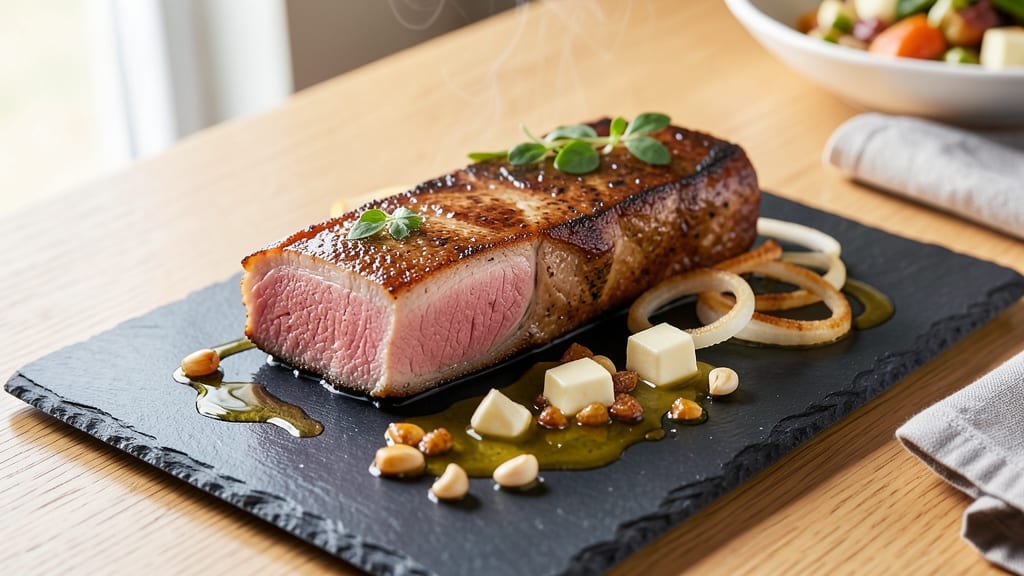
Alton Brown's pork tenderloin recipe delivers that perfect balance—crisp golden crust meeting silky, juicy interior every time. 🔥 I've adapted his techniques to ensure tender results without drying out the meat, using a simple yet foolproof method that works for home cooks and professional chefs alike.
The secret lies in precise seasoning and controlled cooking temperatures, ensuring the pork stays moist while developing that coveted crust.
This recipe starts with a dry brine that enhances flavor and moisture retention, followed by a quick sear in a hot pan to lock in juices. Alton's approach emphasizes balance—just enough salt, black pepper, and garlic to complement the natural sweetness of the pork without overpowering it.
The result is a tenderloin that's perfectly cooked through, with a crust that's crisp enough to stand up to a rich pan sauce.
What makes this recipe stand out is how it transforms a simple cut of pork into a restaurant-quality dish with minimal effort. The internal temperature of 145°F ensures perfect doneness, while the resting period allows the juices to redistribute, guaranteeing a moist bite every time.
Serve it with a classic pan sauce or roasted vegetables for a complete meal that feels special yet is simple to execute.
Whether you're cooking for a weeknight dinner or a weekend gathering, this pork tenderloin recipe delivers consistent results. The techniques are straightforward, but the outcome is undeniably impressive—just like Alton's signature style. Let's get started on creating a dish that's both elegant and approachable.
Ingredients for alton brown pork tenderloin
Alton Brown's signature pork tenderloin technique—where precise seasoning meets perfect searing—starts with these quality ingredients.
| Ingredient | Amount | Notes |
|---|---|---|
| Pork Tenderloin 🥩 | 1 ½ lb | Center-cut, trimmed of fat |
| Kosher Salt 🧂 | 1 ½ tbsp | Diamond Crystal preferred |
| Freshly Ground Black Pepper 🌶️ | 1 tsp | Coarse grind for texture |
| Garlic Cloves 🧄 | 4 cloves | Minced, skin-on for flavor |
| Extra-Virgin Olive Oil 🫒 | 2 tbsp | High smoke point preferred |
| Unsalted Butter 🧈 | 2 tbsp | Cold, cut into small cubes |
| Fresh Rosemary 🌿 | ¼ cup | Finely chopped, stems removed |
| Fresh Thyme 🌿 | ¼ cup | Leaves only, finely chopped |
| Dry White Wine 🍷 | ½ cup | Sauvignon Blanc recommended |
| Chicken Stock 🥄 | ½ cup | Low-sodium preferred |
| All-Purpose Flour 🌾 | 1 tbsp | For pan sauce thickening |
| Fresh Lemon Juice 🍋 | 1 tbsp | Brightens final sauce |
| Fresh Parsley 🌿 | ⅛ cup | Chopped, for garnish |
The pork tenderloin is non-negotiable here—center-cut ensures consistent tenderness. Whole Foods Market or local butchers carry the best quality, but any reputable grocery store's pre-trimmed tenderloin will work. Trim any visible fat before brining, and pat it completely dry with paper towels. The kosher salt should be Diamond Crystal—it dissolves more easily than Morton's. For the garlic, skin-on cloves add subtle sweetness when minced. Fresh herbs matter too: Whole Foods or Trader Joe's sell pre-chopped rosemary and thyme, but I prefer to chop mine fresh for maximum aroma.
No kosher salt? Diamond Crystal is essential—substitute with half the amount of table salt, but dissolve it first. Short on white wine? Dry vermouth or extra chicken stock works, but reduce by 20% since it's less acidic. The butter must be cold—cut it into small cubes so it browns properly in the pan. For the herbs, dried rosemary and thyme at one-third the amount will suffice, though fresh is ideal. The flour is purely for thickening the sauce—low-protein all-purpose works best. If you're avoiding gluten, swap for cornstarch at the same ratio.
The dry-brined pork keeps 2 days in the fridge if wrapped tightly in plastic. For longer storage, freeze for up to 3 months—thaw overnight in the fridge before cooking. Fresh herbs should be wrapped in damp paper towels and stored in a sealed container for 3-4 days. The wine and stock can be prepped ahead and refrigerated for 5 days. The finished tenderloin rests 10 minutes before slicing—critical for juices to redistribute. Portion the pan sauce into small containers for 4-5 days of fridge storage or 3 months frozen.
Why You'll Love This Recipe
- One-Pan Magic: I swear by this recipe when I’m too tired to scrub pots—just sear the tenderloin in olive oil, add minced garlic, and let the residual heat finish it in the oven. The salt and pepper do all the heavy lifting, and the garlic cloves? They caramelize right into the crust.
- Crispy-Creamy Payoff: That first bite—juicy, tender center with a golden, crackly exterior? It’s the olive oil sear and kosher salt working their magic. No fancy marinades or basting required; just pure, satisfying pork perfection.
- Weeknight or Weekend: Honestly, this cuts through any dinner dilemma. Too busy for a big meal? Slice it for sandwiches. Feeling fancy? Serve it with roasted potatoes. My kids even ask for it on Fridays—no pressure, just reliable flavor.
- Budget-Friendly Protein: Pork tenderloin is lean, affordable, and cooks faster than a steak. Between us, I’ve stretched this into three meals: one night as a main, the next as tacos, and the last as a hearty salad topper. Minimal waste, maximum value.
Step-by-step instructions for pan-seared pork tenderloin
This method delivers Alton Brown's signature technique—crisp exterior, juicy interior, and rich herb-infused sauce.
🔥 Step 1: Season and Sear the Pork Tenderloin
Pat the 1.5 lb pork tenderloin dry with paper towels to remove all moisture—this ensures maximum crispiness. In a small bowl, combine the 1.5 tbsp kosher salt and 1 tsp freshly ground black pepper, then rub this mixture evenly over the entire surface of the pork. Let it sit at room temperature for 15 minutes while you prep the rest.
Heat a large skillet over medium-high heat until it's very hot. Add 2 tbsp extra-virgin olive oil and swirl to coat the pan. Place the pork tenderloin in the skillet and sear for 4-5 minutes per side until it develops a deep golden-brown crust. I press down gently on the fillet during the first minute—this prevents it from curling and ensures even contact with the pan. The internal temperature should reach 145°F when measured with an instant-read thermometer.
🍳 Step 2: Build the Herb-Infused Pan Sauce
Remove the pork from the skillet and transfer it to a cutting board. Reduce the heat to medium and add the 2 tbsp cold unsalted butter to the skillet. Let it melt completely, then add the 4 cloves minced garlic cloves and cook for 30 seconds until fragrant but not browned.
Stir in the 0.25 cup finely chopped fresh rosemary, 0.25 cup fresh thyme leaves, and 1 tbsp all-purpose flour, cooking for 1 minute to toast the herbs slightly. Slowly pour in the 0.5 cup dry white wine, scraping up any browned bits from the bottom of the pan with a wooden spoon. Let it simmer for 2-3 minutes until reduced by half. Here's the thing—this step captures all the flavor that would otherwise stick to the pan.
🥘 Step 3: Deglaze and Finish the Sauce
Pour in the 0.5 cup chicken stock and bring to a gentle simmer. Let it reduce by half again—this should take about 3-4 minutes. The sauce should coat the back of a spoon and be slightly thickened. Stir in the 1 tbsp fresh lemon juice and taste—adjust seasoning with additional salt if needed. The sauce should be bright, herby, and slightly tangy.
Return the pork tenderloin to the skillet and spoon the sauce over it, letting it baste for 1-2 minutes to absorb those herb-infused flavors. Real talk: this is the moment that matters—don't skip basting. The pork will rest in its own juices while you finish the sauce.
⏰ Step 4: Rest and Garnish for Serving
Transfer the pork to a cutting board and tent loosely with aluminum foil. Let it rest for 10 minutes—this allows the juices to redistribute throughout the meat. Your oven might run hot, so start checking at the 20-minute mark if you're impatient, but patience here ensures tender, juicy slices.
Slice the pork into ½-inch thick medallions against the grain. Garnish each serving with 0.125 cup chopped fresh parsley and drizzle generously with the pan sauce. The contrast of crispy exterior and silky interior makes this dish truly exceptional. Serve immediately with roasted vegetables or a fresh salad for a complete meal.
Pro Tips For Making Alton Brown Pork Tenderloin
- USE A MEAT THERMOMETER: The recipe calls for 145°F internal temp, but I learned the hard way—visual cues fail with pork. Invest in a cheap thermometer and pull the meat at exactly 145°F (it’ll rest up to 3°F higher). Trust the numbers, not the color.
- SMASH THE GARLIC: Don’t just mince those cloves—slam them with the flat side of your knife first. This breaks down the cell walls, releasing more flavor. After smashing, chop finely so it blends into the crust instead of hiding as chunks.
- DON’T SKIP THE DRYING: Pat that pork thoroughly with paper towels before seasoning. Wet meat steams instead of sears, and you’ll end up with a sad, pale crust. I know, I know—it’s tedious, but it’s the thing that matters most for that crispy exterior.
- SALT IN LAYERS: Season the pork twice: once right after patting dry, then again after searing. The first coat helps draw out moisture (which you’ll wipe away), and the second locks in flavor. Yes, it’s extra work, but the difference in juiciness is noticeable.
Serving suggestions for this alton brown pork tenderloin
Herb-Infused Pan Sauce
This rich, aromatic sauce is the star of your pork tenderloin presentation. I always use Sauvignon Blanc for its crisp acidity that cuts through the butter and herbs beautifully.
After searing the pork, I melt 2 tbsp cold butter in the same skillet to create a velvety base, then toast 4 minced garlic cloves just until fragrant—never let them brown, or they'll turn bitter. The key is reducing the wine and stock by half to concentrate the flavors. 🍷
Roasted Root Vegetables
For a hearty side, I recommend carrots, parsnips, and sweet potatoes tossed in 2 tbsp olive oil, 1 tsp thyme, and ½ tsp smoked paprika. Roast at 400°F for 25-30 minutes until caramelized.
The natural sweetness complements the savory pork perfectly. I often double the batch—these veggies reheat beautifully for lunch the next day.
Creamy Garlic Mashed Potatoes
Whip up 2 lbs Yukon Gold potatoes boiled until tender, then mash with 4 tbsp butter, ¼ cup sour cream, and 3 minced garlic cloves. Season generously with salt and white pepper.
The cool creaminess balances the rich pork sauce wonderfully. For extra flair, finish with a sprinkle of chives and a drizzle of truffle oil. 🥔
Fresh Arugula Salad
A peppery arugula salad with lemon vinaigrette cuts through the richness of the pork. Toss 4 cups arugula with 2 tbsp olive oil, 1 tbsp lemon juice, and a pinch of honey.
Top with shaved Parmesan and toasted pine nuts for crunch. This salad adds a refreshing contrast to the warm pork.
Crusty Bread Service
Serve with a warm baguette or sourdough for soaking up that delicious pan sauce. I love French bread from Whole Foods or Trader Joe's—their crusty exterior holds up perfectly.
Toast slices lightly in the oven before serving to enhance their texture. A simple garlic butter dip on the side never disappoints.
Wine Pairing
For a classic pairing, I recommend a Chardonnay with noticeable oak—La Crema Sonoma Coast is my go-to. The buttery notes complement the pork's richness, while the acidity keeps your palate clean.
If you prefer red, a Pinot Noir like Meiomi works beautifully too. Avoid heavy Cabernets that might overpower the dish. 🍷
Nutrition facts
Frequently asked questions
Why does Alton Brown's recipe call for dry brining pork tenderloin?
Dry brining creates a perfect crust while keeping the interior juicy. The 1.5 tbsp kosher salt seasoning penetrates the meat, enhancing flavor and moisture retention without making it soggy. This technique is key for achieving that signature Alton Brown crust that's crisp yet tender inside.
Can I substitute butter with oil in the pan sauce?
While you can use oil, butter adds richness and flavor depth that's essential for this recipe. The 2 tbsp cold butter creates a velvety sauce base and helps emulsify the wine reduction. For a lighter option, use 1 tbsp butter + 1 tbsp olive oil, but expect slightly less richness.
How do I know when the pork tenderloin is fully cooked?
Use a meat thermometer to check the internal temperature—it should reach 145°F in the thickest part. The pork will be slightly pink in the center, which is perfect for tenderloin. Overcooking by even 2-3°F can make it dry, so remove it just as it hits temperature.
What's the best way to reheat leftover pork tenderloin?
Slice the pork and reheat in a skillet with a splash of chicken stock over medium-low heat for 3-4 minutes. Avoid microwaving as it can make the meat rubbery. For the pan sauce, reheat separately in a saucepan over low heat—just add a splash of water if it thickens too much.
Can I make this recipe in a slow cooker?
While possible, it won't give you the same crisp crust. For best results, sear the pork first, then transfer to a slow cooker with ½ cup chicken stock and 1 tsp thyme. Cook on Low for 3-4 hours until reaching 145°F. The texture will be more tender than seared, but less crusty.