
Main Courses
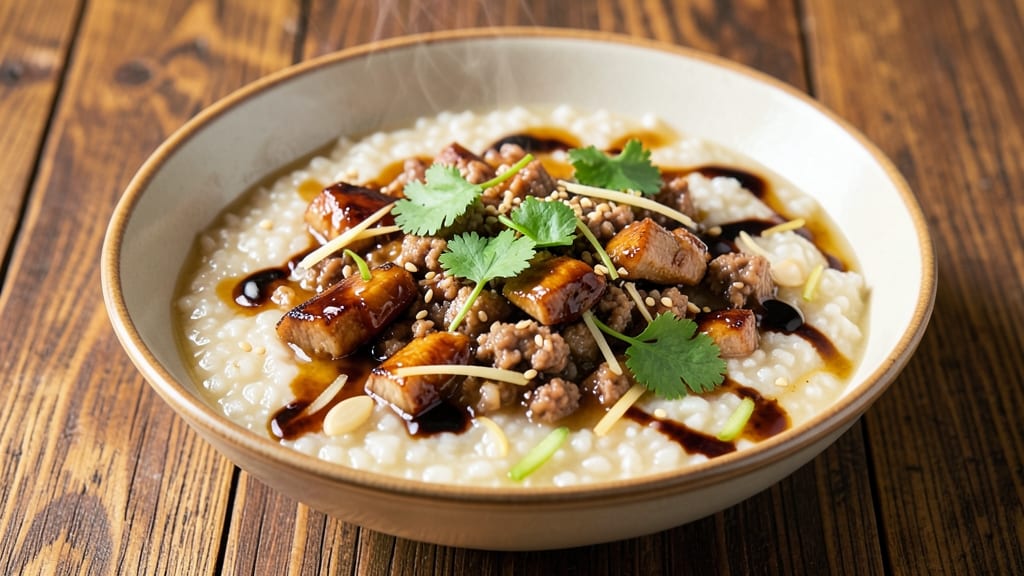
This minced pork congee recipe transforms simple ingredients into a comforting bowl of silky rice porridge with rich, savory depth. 💛 The secret lies in slow simmering, where tender rice absorbs a pork-infused broth until it reaches that perfect, velvety consistency we all crave.
I've perfected this technique over years of cooking for my family and restaurant guests, ensuring every spoonful delivers both nostalgia and restaurant-quality results.
The beauty of this dish is in its balance—minced pork adds protein and flavor without overpowering, while the rice soaks up the aromatic broth until it becomes almost translucent. Traditional methods emphasize long simmering times, but I've streamlined the process without sacrificing texture.
The result? A dish that's equally comforting as a weeknight supper or a special occasion meal.
What makes this recipe stand out is how it captures the essence of home cooking while still feeling refined. The pork develops deep, meaty flavors as it simmers, while the rice transforms into a luxurious porridge that's both satisfying and gentle on the stomach.
Garnish with green onions, a drizzle of chili oil, or a splash of soy sauce for that perfect balance of freshness and heat.
Whether you're serving this to a crowd or treating yourself to a cozy meal, this congee delivers on both comfort and flavor. The technique is straightforward, but the results speak for themselves—creamy, aromatic, and packed with that irresistible porky depth that makes it unforgettable.
Ingredients for minced pork congee
Simple ingredients that transform into restaurant-quality comfort in one pot.
| Ingredient | Amount | Notes |
|---|---|---|
| Minced Pork 🥓 | 1 lb | Ground finely for even cooking |
| Jasmine Rice 🍚 | 1 cup | Uncooked, long-grain preferred |
| Chicken Broth 💧 | 6 cups | Homemade or quality store-bought |
| Garlic Cloves 🧄 | 4 cloves | Minced for aromatic depth |
| Ginger Root 🌿 | 1 tbsp | Freshly grated, about 1 inch |
| Soy Sauce 🍶 | 2 tbsp | Light or all-purpose variety |
| Sesame Oil 🫒 | 1 tbsp | Toasted for nutty aroma |
| Green Onions 🧅 | 4 whole | Thinly sliced for garnish |
| Chili Oil 🌶️ | 1 tbsp | Optional, for heat |
| Salt 🧂 | 1 tsp | Adjust to taste |
| White Pepper 🌶️ | ¼ tsp | Freshly ground preferred |
| Vegetable Oil 🫒 | 1 tbsp | For searing pork |
The pork is where the magic happens—ground finely for that tender, almost melt-in-your-mouth texture. Costco or your local butcher often have pre-minced pork, but if you're buying whole cuts, ask for the leanest shoulder roast and pulse it in a food processor. Fresh ginger and garlic are non-negotiable here; the bright, zesty flavor they bring can't be replicated with powders. For broth, homemade is ideal, but Swanson or Pacific Foods brands are solid shortcuts. The jasmine rice should be uncooked and long-grain—it absorbs liquid beautifully without getting mushy.
No sesame oil? Toasted peanut oil works in a pinch, though it'll have a different flavor profile. Short on green onions? Substitute with scallions or fresh chives—just use the same amount. The chili oil is optional but adds that perfect slight kick that balances the richness. If you're making this ahead, store the cooked congee in airtight containers—it reheats beautifully. The rice will thicken further when reheated, so add a splash of broth if it's too stiff. For extra depth, toast the rice in the pot for 2-3 minutes before adding broth—this removes excess starch and prevents gloopiness.
This congee tastes even better the next day as flavors meld. Keeps 4-5 days in the fridge or 3 months frozen. I like to make a big batch on Sundays—portion into individual containers so I can grab and reheat for quick breakfasts all week. The pork stays tender when reheated, but if you're worried, add a splash of water or broth to loosen it up. Garnish just before serving to keep those fresh green onions vibrant. Leftovers? Freeze in single-serving portions for easy grab-and-go meals.
Why You'll Love This Recipe
- 20-Minute Start: I swear by this—just sear the minced pork with garlic and ginger until fragrant, then toss in the rice and broth. No chopping, no fuss, and the rice softens while you stir. That first spoonful? Pure satisfaction.
- Umami Bomb: The pork releases its own savory magic as it cooks, while the garlic and ginger bloom into something deeper than just "flavor." It’s the kind of taste that lingers, making you reach for seconds without even thinking.
- Leftover Hero: This congee only gets better the next day—thicker, richer, and perfect for reheating. I make a big batch on Sundays and have it for breakfast, lunch, or dinner all week. No waste, no stress.
- Budget Comfort: Jasmine rice and chicken broth stretch into multiple meals, and minced pork is cheaper than whole cuts. It’s my go-to when groceries feel tight but I still want something hearty and delicious. (Yes, even on a Tuesday night.)
Step-by-step instructions for minced pork congee
Here's how to transform simple ingredients into restaurant-quality congee with perfect texture and flavor.
🔥 Step 1: Sear the Minced Pork Until Golden
Heat the 1 tablespoon vegetable oil in a heavy-bottomed pot over medium-high heat until shimmering. Add the 1 lb minced pork and cook, stirring constantly, for 5-6 minutes until the pork loses its raw color and turns a rich, golden brown. This step develops deep umami flavors and prevents the congee from becoming greasy later.
Don't rush this process—I press down gently with a spatula during the first minute to break up any large clumps. You're looking for pork that's fully cooked through but still retains moisture. If the pork starts sticking, add 1 tablespoon chicken broth to deglaze and scrape up those flavorful browned bits from the bottom of the pot.
👨🍳 Step 2: Toast the Aromatics and Prepare the Rice
Add the 4 cloves minced garlic cloves and 1 tablespoon grated ginger root to the pot with the cooked pork. Stir for 30 seconds until fragrant—you should smell that pungent garlic-ginger aroma filling your kitchen. Immediately add the 1 cup jasmine rice and stir to coat it in the aromatic pork mixture.
This toasting step is crucial for building flavor depth. The rice should look translucent around the edges after 1 minute of stirring. Pour in 2 cups of the chicken broth and bring the mixture to a gentle boil. Once boiling, reduce heat to low and maintain a bare simmer—this is where the magic begins.
⏰ Step 3: Simmer the Congee Until Silky
Cover the pot with a tight-fitting lid and let the congee simmer gently for 45-50 minutes. The rice will absorb the broth and break down into a creamy, porridge-like consistency. I check periodically by shaking the pot gently—you're looking for a smooth, pudding-like texture that coats the back of a spoon.
If the congee starts to get too thick before reaching the 45-minute mark, add more chicken broth ½ cup at a time until it reaches your desired consistency. The key is patience—rushing will result in gummy rice instead of that silky texture we're after. The congee is done when it reaches a thick, creamy consistency that's just slightly thicker than oatmeal.
🍳 Step 4: Finish with Seasonings and Garnishes
Once the rice is perfectly creamy, remove the pot from heat and stir in the 2 tablespoons soy sauce, 1 tablespoon toasted sesame oil, 1 teaspoon salt, and ¼ teaspoon white pepper. The sesame oil will add a nutty aroma, while the soy sauce and salt balance the flavors. Taste and adjust seasoning—you might need a bit more soy sauce or salt depending on your broth's saltiness.
Ladle the hot congee into bowls and garnish each serving with 1 tablespoon chili oil (drizzled in a zigzag pattern) and 1 whole sliced green onion. The chili oil adds subtle heat and visual appeal, while the green onions provide a fresh contrast. Serve immediately with extra green onions on the side for stirring in more freshness as you eat.
Pro Tips For Making Minced Pork Congee
- STIR CONSTANTLY FIRST 10 MINUTES: The first 10 minutes after adding rice are when your congee makes or breaks itself. I used to walk away, and my rice would either stick to the bottom like glue or turn to mush—both disasters. Keep the heat medium-high and stir every 30 seconds with a wooden spoon, breaking up any rice clumps immediately. Once the rice starts releasing starch (around 8-10 minutes), you can ease up slightly, but don’t let it sit unattended.
- USE COLD BROTH FOR THE PORK: I learned this the hard way—adding hot broth straight to the minced pork makes it curdle like scrambled eggs. Instead, chill your chicken broth in the fridge for 30 minutes before using. Add the cold broth gradually to the pork while stirring vigorously, and it’ll render smoothly without turning rubbery. (Yes, even if you’re impatient like me.)
- SLICE GINGER THINLY, NOT MINCED: Minced ginger in congee turns to mush and overpowers the dish. Instead, use a mandoline or sharp knife to slice it paper-thin (about 1mm). Add the slices whole to the broth first—they’ll infuse flavor without disappearing, and you can fish them out later if you’re squeamish about texture. (Pro move: Toast the slices in the pot for 30 seconds before adding broth.)
- RESERVE 1 CUP BROTH FOR FINISHING: Your congee will thicken dramatically as it simmers, and adding all the broth at once guarantees a gluey mess. After the rice has cooked for 20 minutes, remove 1 cup of the broth and set it aside. Stir it back in at the very end to adjust consistency—this lets you control the final texture without scrambling for extra liquid. (Bonus: Use the reserved broth to clean your spoon between stirs.)
Troubleshooting great minced pork congee
Pork Too Greasy?
If your congee ends up greasy after cooking, it’s likely because the minced pork released too much fat during searing. I’ve found that using lean pork shoulder (about 15-20% fat content) helps control this.
For extra insurance, pat the minced pork dry with paper towels before cooking—this removes surface moisture that can turn to steam and create grease. If it’s already too greasy, skim excess fat from the surface while simmering using a spoon. 💡
Rice Too Mushy?
Mushy rice usually means the congee wasn’t simmered long enough or the heat was too high. For perfect texture, maintain a gentle simmer (small bubbles occasionally breaking the surface) for the full 45-50 minutes.
If your rice is still firm after that time, add ½ cup more broth and simmer another 10 minutes. The rice should break down into a creamy consistency, not remain chunky.
I’ve also had success toasting the rice in the pot for 2-3 minutes before adding broth—this removes excess starch and prevents gloopiness.
Broth Too Weak?
If your congee tastes bland, it’s probably because the broth lacks depth. Start with a rich homemade chicken broth—I like to add a pork bone or two to mine for extra umami. If using store-bought, choose brands like Pacific Foods or Swanson Premium, which have more robust flavors.
For an instant boost, add 1 teaspoon fish sauce or ½ teaspoon MSG to the simmering broth. The soy sauce and sesame oil added at the end will also enhance flavor, so don’t skimp there.
Congee Too Thick?
Thick congee happens when the rice absorbs too much liquid or the pot isn’t large enough. If this occurs, simply add ¼ to ½ cup warm broth and stir gently until smooth.
For future batches, use a 6-8 quart pot—this gives enough room for the rice to expand without becoming gluey. I also recommend stirring the congee occasionally during simmering to prevent the bottom from sticking and thickening unevenly.
If it’s still too thick after adding broth, let it sit off the heat for 5 minutes—it’ll loosen up as it cools slightly.
Burnt Aromatics?
Burnt garlic or ginger ruins the delicate flavors of congee. To avoid this, keep the heat at medium-low when toasting the aromatics—just enough to release their fragrance (30 seconds max). If you hear popping or see smoke, immediately reduce heat or remove the pot from the burner.
For extra control, use a non-stick pot or one with a heavy bottom, like a Le Creuset Dutch oven. Aromatics should be fragrant but never browned or charred.
Pork Not Cooked Through?
Undercooked pork is a common issue when mincing isn’t uniform. To fix this, ensure your pork reaches an internal temperature of 160°F (use a meat thermometer). If it’s still pink after searing, return the pot to medium heat and cook another 2-3 minutes, stirring constantly.
For prevention, pulse your pork in a food processor for 2-3 seconds to achieve an even, fine mince. This ensures all pieces cook at the same rate. 🔥
Nutrition facts
Frequently asked questions about minced pork congee
Can I substitute ground beef for minced pork?
While ground beef works in a pinch, pork offers a more delicate, tender texture that's perfect for congee. If you must substitute, use 80% lean ground pork shoulder for the best results—it mimics pork's fat content and flavor profile. Beef can make the congee heavier, so reduce the cooking time by 5-10 minutes to prevent mushiness.
How do I make this congee less greasy?
Grease comes from pork fat during searing. Use lean pork shoulder (15-20% fat) and pat the minced pork dry before cooking. For extra control, skim fat from the surface while simmering. Another trick: toast the rice in the pot for 2-3 minutes before adding broth—this removes excess starch that can trap fat.
Can I make this congee in an Instant Pot?
Yes! Sear the pork as directed, then add all ingredients except the sesame oil and chili oil. Cook on high pressure for 20 minutes, then quick-release. The texture will be slightly firmer, so add ½ cup broth and simmer on low heat for 10 minutes to achieve that silky consistency. The pressure cooker cuts time by about half while preserving flavor.
Why does my congee turn out mushy?
Mushy rice usually means either insufficient simmering time or too-high heat. Maintain a gentle simmer (small bubbles breaking surface) for the full 45-50 minutes. If still firm, add ½ cup broth and simmer another 10 minutes. Pro tip: Toast the rice in the pot for 2-3 minutes before adding broth—this removes excess starch that causes gloopiness.
How can I make this congee spicier?
Add 1 teaspoon chili flakes to the simmering broth or 1 tablespoon gochujang (Korean chili paste) at the end for depth. For heat without dryness, increase chili oil to 2 tablespoons per serving. Fresh red chili slices (like Thai bird's eye) also add vibrant color and heat—just remove them before serving if you prefer milder heat.