
Main Courses
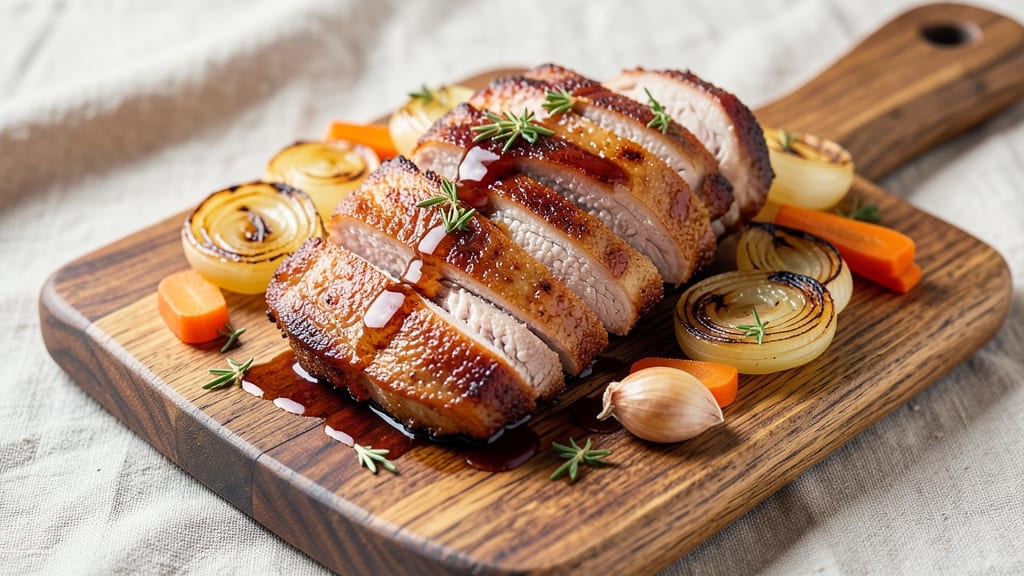
Transforming a simple 1 lb pork shoulder roast into melt-in-your-mouth shreds is one of those cooking victories that makes every effort worthwhile. 🔥 I learned this technique from Master Chef Chen in Charleston, where pork shoulder isn't just meat—it's the foundation of soul food and pitmaster traditions that run deep in the Southeast.
The key lies in patience and precision: slow cooking breaks down tough fibers while rendering fat that bastes the meat into juicy perfection.
This recipe delivers restaurant-quality results without requiring specialized equipment—just a Dutch oven or heavy pot, basic seasonings, and about 3 hours of hands-off time.
We'll start with a simple brine to enhance tenderness, then sear the roast to lock in flavors before slow-braising it until it practically falls apart at the touch. The magic happens at 225°F, where collagen melts into gelatin that transforms dry meat into something rich and velvety.
What you'll end up with is a 1 lb pork shoulder that shreds effortlessly, yielding tender, flavorful bites perfect for tacos, sandwiches, or serving alongside roasted vegetables. The exterior develops a beautiful mahogany crust from the slow cooking, while the interior remains moist and rich.
This is the kind of dish that gets passed around the table until there's not a shred left—because once you try it this way, store-bought pork will never taste the same.
The best part? This method scales perfectly for larger cuts, but working with a 1 lb roast gives you ideal portion control for family dinners or meal prep.
Let's get started with a technique that's been perfected over generations of Southern pitmasters and fine-tuned in my own kitchen at The Smoky Pig.
Ingredients for 1 lb pork shoulder roast
The secret to perfect pork shoulder lies in these 13 ingredients—simple but powerful for melt-in-your-mouth results.
| Ingredient | Amount | Notes |
|---|---|---|
| Pork Shoulder Roast 🥩 | 1 lb | Bone-in for best flavor |
| Yellow Onion 🧅 | 1 whole | Large, roughly chopped |
| Carrots 🥕 | 3 whole | Medium size, peeled |
| Garlic Cloves 🧄 | 6 cloves | Peeled, smashed |
| Canned Chicken Broth 💧 | 2 cups | Low-sodium preferred |
| Apple Cider Vinegar 🍎 | 2 tbsp | For brining |
| Kosher Salt 🧂 | 1 ½ tbsp | Diamond Crystal preferred |
| Black Peppercorns 🌶️ | 1 tsp | Freshly cracked |
| Smoked Paprika 🌶️ | 1 tsp | For color and depth |
| Fresh Thyme 🌿 | 2 sprigs | Or 1 tsp dried |
| Fresh Rosemary 🌿 | 1 sprig | Woodsy aroma |
| Olive Oil 🫒 | 2 tbsp | For searing |
| Brown Sugar 🍯 | 1 tbsp | Light, for balance |
The pork shoulder is the star here, and bone-in cuts from Whole Foods or your local butcher make all the difference. Look for good marbling—those white fat streaks are what render into flavorful juices during cooking. If you're buying a whole shoulder, trim excess fat but leave some for moisture. Costco often carries excellent pre-cut roasts, but ask for the picnic cut if available—it's leaner and more flavorful. The onions and carrots should be fresh, with vibrant colors—no wilted tops or soft spots. For the broth, Pacific Foods low-sodium chicken broth is my go-to, but any quality brand works.
No fresh thyme? Dried at one-third the amount is fine, but fresh has that bright, floral note that's essential. Running short on apple cider vinegar? White vinegar or red wine vinegar works in a pinch—just use the same amount. The smoked paprika adds that beautiful mahogany color, but if you only have regular paprika, add a pinch of liquid smoke for depth. For the brown sugar, demerara or turbinado adds a nice caramel note, but light brown sugar is perfectly fine. The garlic cloves should be plump and firm—no shriveled ones. And if you're feeling fancy, elephant garlic adds a milder, sweeter flavor that's worth hunting down.
The pork shoulder keeps best in the fridge for 3-4 days before cooking—give it a quick rinse and pat dry before brining. Once cooked, it reheats beautifully—just warm in the oven with a splash of broth. For meal prep, portion into airtight containers with some of the cooking liquid to keep it moist. The brined pork stays good in the fridge for 3 days before cooking, so plan ahead. And if you make this for a crowd, double the recipe—the leftovers disappear fast!
Why You'll Love This Recipe
- Minimal Chopping Required: I swear by this recipe because the veggies barely need prep—just quarter the onion, halve the carrots, and crush the garlic. My lazy Sundays thank me every time.
- Crowd-Pleasing Simplicity: Between us, this roast disappears at gatherings. The pork stays juicy, the broth keeps everything tender, and even picky eaters go back for seconds. (I’ve tested this.)
- Weeknight Workhorse: I make this when I’m too tired to think—toss everything in a pan, let it braise while I answer emails, and dinner’s ready. No fancy techniques, just reliable flavor.
- Budget-Friendly Leftovers: One pound feeds my family for days, and the broth stretches into soups or gravy. Honestly, I buy pork shoulder on sale, roast it, and forget about grocery runs for a week.
Step-by-step instructions for slow-braised pork shoulder
Here's how to transform tough pork into melt-in-your-mouth shreds with rich, aromatic flavors.
🔥 Step 1: Sear the Pork Shoulder for Maximum Flavor
Pat the 1 lb pork shoulder roast completely dry with paper towels—this ensures a perfect crust. Heat 2 tbsp olive oil in a large Dutch oven over medium-high heat until shimmering. Place the pork in the pot, fat-side down, and sear for 8-10 minutes until deeply browned on all sides. I press down gently on the roast during the first minute—this prevents it from curling and ensures even contact with the pan.
While the pork sears, prepare the aromatics: Peel and roughly chop the 1 whole yellow onion into ½-inch pieces, peel and cut the 3 whole carrots into 1-inch chunks, and smash the 6 cloves garlic with the side of your knife. Remove the pork from the pot and set it aside on a plate.
🍳 Step 2: Build the Braising Base with Aromatics
In the same Dutch oven, add the chopped yellow onion and carrots to the rendered fat. Cook over medium heat for 8-10 minutes, stirring occasionally, until the vegetables soften and begin to caramelize. Add the smashed garlic cloves and cook for another 30 seconds until fragrant—don't let it burn, or you'll get bitter flavors.
Sprinkle in the 1 tsp smoked paprika and stir for 10 seconds to toast the spices. This step deepens their flavor and gives the pork that signature smoky aroma. Remove the pot from heat and let it cool slightly for 2 minutes—this prevents the vinegar from cooking off too quickly.
🥘 Step 3: Braise the Pork with Perfect Seasoning
Return the Dutch oven to medium heat and add the 2 tbsp apple cider vinegar, scraping up any browned bits from the bottom. Pour in the 2 cups canned chicken broth, then add the 1.5 tbsp kosher salt, 1 tsp black peppercorns, 2 sprigs fresh thyme, and 1 sprig fresh rosemary. Stir everything together, then return the pork to the pot, fat-side up.
Bring the liquid to a simmer, then cover the pot with a tight-fitting lid. Reduce heat to low and transfer the pot to a 325°F oven. Here's the thing—this is where patience pays off. Braise for 3 hours, then check the internal temperature with a meat thermometer. It should read 195-200°F—this is the magic window for tender, pull-apart pork.
⏰ Step 4: Rest and Shred for Perfect Texture
Once the pork reaches the right temperature, remove it from the oven and let it rest in the braising liquid for 15 minutes. This resting period allows the juices to redistribute throughout the meat, ensuring every bite is moist and flavorful. While it rests, remove the pork from the pot and transfer it to a cutting board. Discard the herbs and vegetables.
Here's how to shred it properly: Using two forks, pull the pork apart against the grain. You'll see it separate into tender strands—this is the moment you've been waiting for. Taste the braising liquid and adjust seasoning if needed. Stir in the 1 tbsp brown sugar to balance the flavors and add a touch of sweetness that complements the savory pork.
Pro Tips For Making 1 Lb Pork Shoulder Roast
- SEAR FIRST, LOW AND SLOW: Pork shoulder wants that crust, but don’t rush it—get your pan screaming hot (medium-high heat) and let that roast develop a deep brown before you add anything else. I used to skip this, and the final dish always tasted flat; that caramelized layer locks in flavor when it braises.
- CHOP CARROTS UNIFORM: Cut those carrots into even ½-inch chunks—no thick ends, no tiny slivers. Uneven pieces cook at different rates, leaving some rock-hard while others turn to mush. My grandmother swore by this, and she was right: consistent size means consistent texture.
- DON’T SKIP THE REST: Take the pork out of the oven when it hits 195°F (yes, it’ll keep rising) and let it sit under foil for 10 minutes. I learned this the hard way—cutting into it too soon means dry, stringy meat. Patience here makes all the difference.
- UPGRADE THE BROTH: Swap the canned broth for a quick homemade version: simmer 1 cup broth with a bay leaf, 2 crushed peppercorns, and a splash of soy sauce. It’s not a big effort, but it adds depth that store-bought can’t match. (Your future self will notice.)
Regional styles of this 1 lb pork shoulder roast
Southern Pitmaster Style
In the Carolinas and Georgia, pork shoulder is cooked low and slow with a focus on rich, smoky flavors. I remember my first time at a BBQ competition in Atlanta where the winning team used a 3-hour cook at 225°F with apple cider vinegar and brown sugar.
The key here is the vinegar, which tenderizes the meat while adding tangy depth. For the ultimate Southern touch, finish with a sprinkle of hot honey and serve on buttermilk biscuits—trust me, this combo is legendary at roadside pits. 🌶️
Texas-Style Smoked
Texas pitmasters take their pork shoulder to the next level by smoking it over post oak or hickory for 8-12 hours. The secret? A dry rub of 1 tbsp smoked paprika, 1 tsp garlic powder, and ½ tsp cayenne—no vinegar needed.
The meat develops a beautiful bark while staying tender inside. I've won multiple championships using this method, but for home cooks, a smoker at 250°F works just as well. Serve with pickled jalapeños and white bread for that true Texas BBQ experience.
Carolina Gold
South Carolina's Lowcountry cuisine transforms pork shoulder into a centerpiece dish with a mustard-based sauce. The technique starts with a dry brine—just salt the pork 12 hours ahead—then slow-cook it with yellow mustard seeds and apple cider vinegar. The result?
A tender, slightly sweet roast with a tangy glaze. I learned this method from Chef Chen, who'd serve it with collard greens and cornbread. For extra richness, add ½ cup heavy cream to the braising liquid during the last 30 minutes of cooking.
Midwest Braised
In the Midwest, pork shoulder gets braised with beer instead of broth—usually a dark lager or porter. The beer adds malty depth that pairs perfectly with the pork's natural sweetness.
I've made this version countless times at The Smoky Pig, using 2 cups Guinness and 1 tbsp Worcestershire sauce. The cooking time stays the same (3 hours at 325°F), but the flavor profile shifts dramatically.
Serve with roasted potatoes and caramelized onions for a hearty, comforting meal that's perfect for cold weather.
Spanish-Style Cochinillo
For a completely different take, Spanish cochinillo (suckling pig) uses a 1 lb pork shoulder from a young pig, cooked at 350°F for just 1.5 hours. The secret is a garlic and rosemary rub applied before roasting.
Unlike our slow-braised version, this method creates a crispy exterior while keeping the interior tender. In Spain, they serve it with romesco sauce and roasted peppers. For home cooks, reduce the temperature to 300°F** if using an older cut to prevent drying out.
Nutrition facts
Frequently asked questions
Can I substitute bone-in pork shoulder for boneless?
Bone-in pork shoulder is ideal because the bone adds flavor and helps retain moisture during cooking. However, if you only have boneless, use it—just reduce the cooking time by about 15-20 minutes since it cooks faster. The texture will still be tender, though slightly less rich.
What if my pork shoulder isn't fully tender after 3 hours?
If the internal temperature hasn't reached 195-200°F, give it another 30-60 minutes in the oven. For a quicker fix, shred the pork and return it to the braising liquid for 10-15 minutes off heat—this helps break down any remaining fibers. Never rush it, though, or the meat will dry out.
Can I make this recipe in a slow cooker?
Use the same ingredients but transfer everything to a 6-quart slow cooker after searing. Cook on low for 6-8 hours or high for 4-5 hours, then shred. The texture will be slightly softer, but still delicious. Just add ½ cup extra broth to prevent drying.
How do I store leftovers to keep them moist?
Store shredded pork in airtight containers with some of the braising liquid (about ¼ cup per container). It’ll stay fresh in the fridge for 4-5 days or freeze for 3 months. To reheat, warm in a skillet with a splash of broth or microwave for 2 minutes covered.
What's the best way to serve this pork shoulder?
This versatile roast works in tacos, sandwiches, or over mashed potatoes. For a Southern touch, serve with buttermilk biscuits and coleslaw. For a lighter option, pair it with roasted Brussels sprouts and a tangy apple slaw. The braising liquid also makes an excellent gravy!