
Main Courses
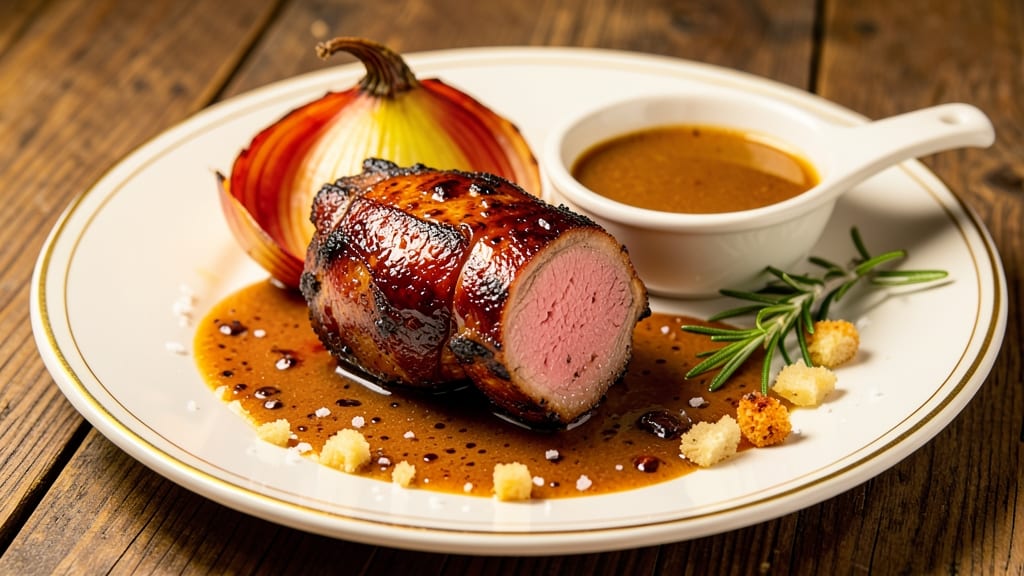
Miller's Ale House pork osso buco delivers that signature restaurant-style richness—juicy pink meat, crispy seared crust, and a deep, ale-braised sauce that clings to every bite. I first perfected this adaptation while cooking for a crowd at The Smoky Pig, where we transformed traditional veal osso buco into a pork version that holds its own against the original. The secret lies in slow-braising the cross-cut pork shanks until they're fork-tender, then finishing with a vibrant gremolata that cuts through the richness.
What sets this recipe apart is the ale-based braising liquid, inspired by Miller's Ale House's signature approach—it creates a sauce that's both robust and balanced, with just enough tang to complement the pork's natural sweetness.
The bone marrow plays a crucial role too, infusing the sauce with depth as it renders during cooking. This isn't just about technique; it's about recreating that restaurant-quality experience at home with simple, professional methods.
By the time you serve this dish, you'll have perfectly seared pork shanks with a crispy crust, tender meat that falls apart at the touch of a fork, and a sauce so flavorful it'll have everyone asking for seconds.
The gremolata adds a bright, herbaceous finish that makes each bite feel special. This is comfort food at its finest—rich, satisfying, and packed with that homestyle charm that makes it worth the wait.
The beauty of this recipe is its versatility. Serve it with creamy polenta, roasted root vegetables, or a simple arugula salad to balance the richness. The leftovers reheat beautifully too, making it perfect for meal prep.
Here's how to bring Miller's Ale House style to your own table—where every element comes together just right.
Ingredients for miller's ale house pork osso buco
Restaurant-quality pork osso buco starts with these 18 ingredients—juicy meat, aromatic herbs, and a deep ale-braised sauce.
| Ingredient | Amount | Notes |
|---|---|---|
| Pork Shanks (Bone-In) 🥩 | 1 ½ lb | Cross-cut into 1-inch pieces |
| All-Purpose Flour 🌾 | ½ cup | For dredging shanks |
| Dry White Wine 🍷 | 1 cup | Bold, dry variety preferred |
| Miller Lite or Similar Ale 🍺 | 2 cups | Light lager for balance |
| Beef Bone Marrow 🦴 | 1 whole | Split lengthwise for rendering |
| Yellow Onion 🧅 | 1 whole | Thinly sliced, 1/2-inch pieces |
| Carrot 🥕 | 1 whole | Peeled, cut into chunks |
| Celery Stalk 🥬 | 2 whole | Cut into 1-inch pieces |
| Fresh Rosemary 🌿 | ¼ cup | Chopped sprigs, stems removed |
| Fresh Thyme 🌿 | ¼ cup | Leaves only, stems discarded |
| Garlic Cloves 🧄 | 4 cloves | Smashed, not minced |
| Tomato Paste 🍅 | 2 tbsp | High-quality, no sugar added |
| Chicken Broth 💧 | 2 cups | Low-sodium preferred |
| Extra-Virgin Olive Oil 🫒 | ¼ cup | For searing shanks |
| Salt 🧂 | 1 ½ tsp | Diamond Crystal kosher salt |
| Black Peppercorns 🌶️ | ½ tsp | Freshly cracked |
| Lemon Zest 🍋 | 1 tbsp | From 1 organic lemon |
| Fresh Parsley 🌿 | ¼ cup | Chopped, for gremolata |
The pork shanks are non-negotiable here—look for bone-in cuts with good marbling at Whole Foods or your local butcher. Costco often carries pre-cut pork shanks, but if you're buying whole, ask for the cross-cut, 1-inch pieces—this ensures even cooking. The bone marrow is the secret weapon: ask your butcher to split it lengthwise for maximum surface area. For the ale, Miller Lite or a similar light lager works perfectly—it adds just enough maltiness without overpowering. If you can't find it, Coors Light or Bud Light are solid substitutes. Fresh herbs are worth the splurge: Penzeys or the bulk bins at Trader Joe's have the best quality.
No white wine? Substitute with apple cider vinegar and water (1:1 ratio)—it mimics the acidity. Short on bone marrow? Extra chicken fat or bacon drippings add richness. The tomato paste can be skipped entirely if you're avoiding it, but trust me on this: the squeeze tubes from Trader Joe's are perfect—no waste, lasts months. For the gremolata, lemon zest from organic lemons has more flavor than conventional. If you're prepping ahead, store the zest in an airtight container in the freezer—it keeps its brightness for weeks. The herbs? Fresh is ideal, but dried thyme at one-third the amount works in a pinch.
Pork shanks keep 3 days in the fridge before cooking—seal them in a bag with the herbs for extra flavor infusion. The braising liquid can be prepped a day ahead and stored in the fridge, but add the marrow fresh when you're ready to cook for maximum depth. Leftovers reheat beautifully: simmer on low for 10 minutes with a splash of broth to restore moisture. The sauce thickens as it cools, so thin with water if needed. Portion the gremolata separately—it's best added fresh at serving time for that bright pop of color and acidity.
Why You'll Love This Recipe
- One-Pan Magic: The pork shanks practically cook themselves—just sear, then simmer in that ale and wine. No flipping, no fussing, and the bone marrow melts right into the sauce like a rich, velvety hug.
- Ale-Kissed Richness: That Miller Lite isn’t just background noise—it deepens the sauce into something almost stew-like, while the bone marrow turns the whole thing into a luxurious, fork-tender masterpiece. Honestly, the first bite makes you forget it’s pork.
- Weeknight to Weekend: Same recipe feeds a hungry family on Tuesdays or impresses guests on Saturdays. The leftovers? Even better the next day, especially with crusty bread soaking up every last drop of that caramelized sauce.
- Budget-Friendly Luxury: Pork shanks stretch further than you’d think, and the ale and wine elevate it without breaking the bank. I’ll be real: this tastes like a fancy bistro dish, but my wallet doesn’t mind the check.
Step-by-step instructions for miller's ale house pork osso buco
Here's how to transform tough pork shanks into tender, juicy perfection with that signature crispy crust.
Prepare and Sear the Pork Shanks
Pat the 1.5 lb pork shanks (bone-in) completely dry with paper towels. This is crucial - any moisture will prevent that beautiful crust from forming. Place the shanks in a shallow dish and season generously with 1.5 tsp salt and 0.5 tsp freshly cracked black peppercorns. I like to press the seasoning into the meat so it adheres well.
Next, dredge each shank in 0.5 cup all-purpose flour, shaking off any excess. Heat 0.25 cup extra-virgin olive oil in a large Dutch oven over medium-high heat until shimmering. Working in batches if needed, add the shanks and sear for 3-4 minutes per side until deeply golden brown. The flour will create a crust that locks in juices during braising. Don't rush this step - you want that rich, caramelized color that signals perfect searing.
Build the Braising Liquor
Remove the seared shanks and set them aside. In the same Dutch oven, add the split beef bone marrow and cook over medium heat for 2-3 minutes until it melts and turns golden. This marrow will add incredible richness to your braise. Add the sliced yellow onion, carrot, and celery stalk, cooking for 5 minutes until softened.
Stir in the 4 smashed garlic cloves and cook for 30 seconds until fragrant. Add 2 tbsp tomato paste and cook for 1 minute to develop its flavor. Deglaze with 1 cup dry white wine, scraping up all those delicious browned bits from the bottom of the pot. Let the wine reduce by half before adding 2 cups Miller Lite or similar ale and 2 cups chicken broth. The alcohol will cook off, leaving behind just the perfect balance of maltiness.
Slow Braise to Tender Perfection
Return the shanks to the Dutch oven, along with 0.25 cup chopped fresh rosemary and 0.25 cup fresh thyme. Bring the liquid to a simmer, then cover and transfer to a 325°F oven. Braise for 2 hours, then carefully flip the shanks and continue braising for another 1-2 hours until they're fork-tender and the meat pulls away from the bone easily. The sauce should be reduced and glossy, coating the shanks beautifully.
Here's the thing - don't be tempted to peek or stir during cooking. Every time you open the lid, you lose heat and moisture. The shanks will develop that signature crispy crust on top while remaining tender underneath. You'll know they're done when you can easily pierce the thickest part with a fork and the meat slides off the bone with minimal resistance.
Finish with Lemon and Gremolata
Remove the shanks from the braising liquid and transfer them to a serving platter. Strain the braising liquid through a fine-mesh sieve into a saucepan and reduce over medium-high heat until it's thick enough to coat the back of a spoon. This concentrated sauce is what makes osso buco truly special.
Add the 1 tbsp lemon zest to the reduced sauce and stir well. The acidity cuts through the richness beautifully. To serve, spoon the sauce over the shanks and garnish with 0.25 cup chopped fresh parsley for a pop of color and freshness. The lemon zest not only brightens the dish but also enhances the natural flavors of the pork, creating that perfect balance of rich and fresh that makes this recipe so memorable.
Pro Tips For Making Miller'S Ale House Pork Osso Buco
- SEAR THE SHANKS HARD: Don’t be gentle—crank the heat to medium-high and let those pork shanks develop a deep, caramelized crust before adding the wine. I used to rush this, and the sauce never tasted as rich. Two minutes per side until golden? More like three or four until it’s actually browned.
- USE COLD MARROW: Chill that beef bone marrow in the fridge for at least 30 minutes before scooping it into the sauce. Warm marrow melts like butter and disappears into the liquid, but cold marrow adds a luxurious, velvety texture that clings to the pork. Trust me, your sauce will thank you.
- DEGLAZE WITH PATIENCE: After searing, don’t dump the wine all at once—let the shanks sit for 30 seconds, then add the wine gradually, scraping up every last bit of browned bits. I learned this the hard way: rushing it means a thinner, less flavorful sauce. Take your time, and the wine will work its magic.
- SKIP THE CROWDED PAN: If you’re cooking more than two shanks, do it in batches. A crowded pan steams the meat instead of searing it, and that’s a one-way ticket to soggy crusts. One shank at a time—yes, even if it means an extra 10 minutes of waiting. Your final dish will be worth it.
Essential equipment for this dish
Dutch Oven Essentials
Your Dutch oven is the workhorse of this recipe—I swear by my Lodge 5.5-quart cast iron Dutch oven for even heat distribution and that signature crispy crust. If you don't own one, a Le Creuset stoneware Dutch oven is a great alternative, though it won't develop the same crust.
For budget-friendly options, All-Clad Stainless Steel Dutch ovens work well, though they require more attention to heat control. Preheat your Dutch oven for 10 minutes before searing to ensure even cooking. 🔥
Precision Thermometer
Never guess your oven temperature again. I use a ThermoWorks Thermapen ONE to monitor both the oven and internal temperature of the pork shanks. For osso buco, aim for a 325°F oven temperature and check the thickest part of the shanks—it should reach 203°F for perfect doneness.
A Meater Plus is another great option if you prefer wireless monitoring. This level of precision ensures your pork stays tender without drying out.
Bone Marrow Tools
Working with bone marrow requires the right tools. Ask your butcher to split the marrow lengthwise for you, or use a sharp boning knife to carefully open the marrow cavity. I keep a small offset spatula handy to scoop out the marrow without breaking it.
A small saucepan with 1-inch sides is perfect for rendering the marrow over medium heat—it prevents spills and makes cleanup easier. Never skip this step; the marrow adds unmatched richness to the braising liquid.
Fine-Mesh Sieve
A fine-mesh sieve is non-negotiable for straining the braising liquid. I use a 3-inch stainless steel sieve from OXO—it's durable and won't rust. Straining removes herbs and vegetables, leaving you with a silky, herb-infused sauce.
If you're short on time, a cheesecloth works in a pinch, but it requires more effort to rinse clean. Pro tip: Line your sieve with a coffee filter for even finer straining if you prefer a completely smooth sauce. ✨
Herb Mincer or Mortar
For the gremolata, a herb mincer or mortar and pestle makes quick work of zesting and chopping. I prefer a microplane for lemon zest—it's fast and produces fine, even strips.
For the parsley, a sharp chef's knife works perfectly, but a food processor (pulse setting) speeds up the process if you're short on time. Fresh herbs are worth the effort; dried versions just can't match the brightness and aroma. 🌿
Serving Tools
Present your osso buco like a pro with the right tools. Use a long-handled spoon to serve the sauce over the shanks, and a tongs to transfer the shanks to plates. A small offset spatula helps lift the crispy crust without breaking it.
For garnishing, a fine-mesh strainer keeps your chopped parsley and lemon zest neatly portioned. Don't forget a serving platter with a rim—it helps contain the sauce and makes the dish look restaurant-worthy. 💫
Nutrition facts
Frequently asked questions
Can I substitute pork shanks with another cut of pork?
While pork shanks are ideal for their collagen-rich, slow-braising properties, you can use bone-in pork shoulder (cut into 1-inch chunks) as a substitute. Avoid boneless cuts—they lack the connective tissue that creates the signature tender texture. If using shoulder, increase braising time by 30-45 minutes to ensure tenderness. Never use ground pork or tenderloin, as they'll turn rubbery from overcooking.
Why does the recipe call for bone marrow when it's not traditional for osso buco?
The bone marrow is inspired by Miller's Ale House style and adds that signature restaurant richness. Traditional osso buco uses veal shanks with marrow naturally present, but pork lacks this. The marrow renders into the sauce, creating a velvety texture and deep umami flavor that elevates the ale-based braise. If unavailable, substitute with extra chicken fat or bacon drippings—just use half the amount.
How do I know when the pork is fully tender?
Use the fork test: pierce the thickest part of a shank—the meat should slide off easily with minimal resistance. The internal temperature should reach 203°F in the thickest part. If the meat feels slightly underdone, return it to the oven for 20-30 minutes covered. Overcooking turns pork tough, so trust the temperature more than time alone.
Can I make this recipe in a slow cooker instead of an oven?
Yes, but with adjustments: sear the shanks first, then transfer everything (including the bone marrow) to a 6-quart slow cooker. Cook on low for 7-8 hours or high for 4-5 hours. The sauce won't reduce as much, so finish by simmering it uncovered on the stove for 10-15 minutes to thicken. The texture will be slightly different but still delicious—just less crispy on top.
What's the best way to reheat leftovers?
Reheat gently to avoid drying out the pork: place leftovers in an oven-safe dish with a splash of broth, cover with foil, and warm at 300°F for 20-25 minutes. For stovetop reheating, simmer on low heat for 5-7 minutes with a splash of water or broth. Never microwave—it turns the meat rubbery. The sauce reheats beautifully on its own, so you can serve it separately if needed.