
Main Courses
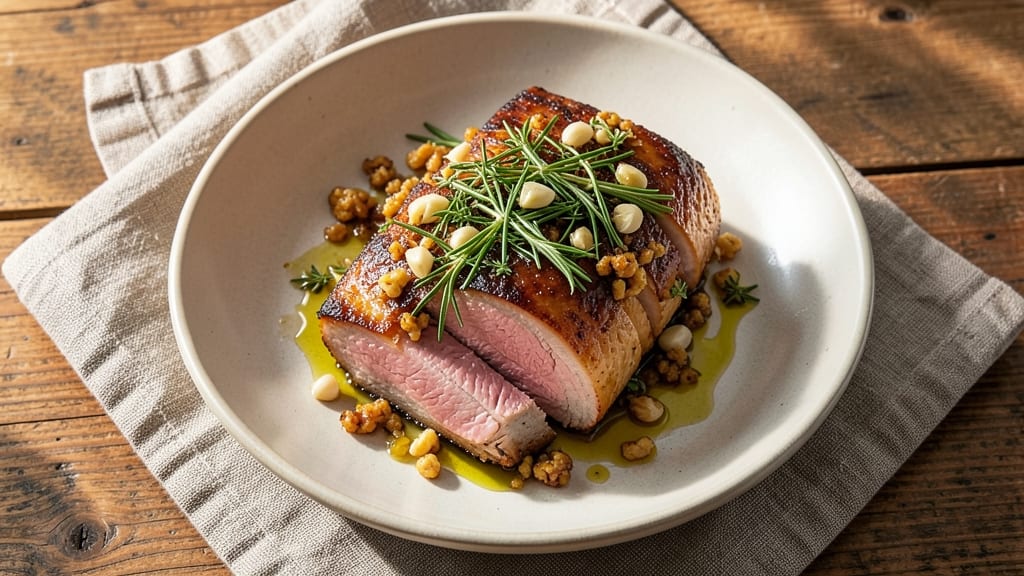
A 1.5 lb pork tenderloin transforms from simple protein to showstopping centerpiece with this herb-roasted technique—crisp edges, juicy hearts, and aromatic depth that elevates any meal. I’ve perfected this method after years of cooking pork for crowds, balancing precision with approachability so home cooks achieve restaurant-quality results without fuss.
The secret lies in a high-heat sear followed by even roasting, ensuring the exterior develops that coveted crust while the interior stays tender and moist.
This recipe delivers foolproof execution for a 1.5 lb tenderloin, whether you’re feeding four or scaling up for a gathering.
We’ll use a simple herb rub (rosemary, thyme, garlic) to infuse flavor without overpowering the natural sweetness of the meat, then roast until the internal temperature reaches 145°F—just enough to guarantee perfect doneness every time.
The resting period is critical too; those 10 minutes off the heat let the juices redistribute, ensuring each bite stays succulent.
What you’ll end up with is a golden-brown, herb-scented pork tenderloin that slices effortlessly and pairs beautifully with roasted vegetables, creamy mashed potatoes, or a bright apple-chard salad. The method scales seamlessly—double the recipe for a crowd, or halve it for a weeknight dinner—while maintaining that restaurant-quality finish.
This is the kind of dish that makes guests ask for your secret, and I’m happy to share.
For those who love crispy edges but worry about dryness, we’ll include a reverse-sear variation that guarantees juicy centers even with high-heat cooking. The technique is straightforward, and the payoff—perfectly balanced texture and flavor—is worth every minute. Let’s get started.
Ingredients for 1.5 lb pork tenderloin
Herb-scented pork tenderloin with crisp edges and juicy centers—just 12 ingredients for restaurant-quality results.
| Ingredient | Amount | Notes |
|---|---|---|
| Pork Tenderloin 🥩 | 1 ½ lb | Center-cut, trimmed of silver skin |
| Fresh Rosemary 🌿 | ½ cup | Finely chopped, stems removed |
| Fresh Thyme 🌿 | ¼ cup | Leaves only, finely chopped |
| Garlic Cloves 🧄 | 6 cloves | Minced, for even distribution |
| Extra-Virgin Olive Oil 🫒 | 2 tbsp | High-quality, fruity variety |
| Kosher Salt 🧂 | 1 ½ tsp | Diamond Crystal preferred |
| Freshly Ground Black Pepper 🌶️ | 1 tsp | Coarse grind for texture |
| Unsalted Butter 🧈 | 2 tbsp | Cold, cubed for searing |
| Honey 🍯 | 1 tbsp | For glaze, optional but recommended |
| Fresh Lemon Juice 🍋 | 1 tbsp | Brightens the finish |
| Garlic Powder 🧄 | ½ tsp | For herb rub depth |
| Onion Powder 🧅 | ½ tsp | Enhances herb complexity |
The pork tenderloin is your star, so pick a center-cut piece—the more even the shape, the better it sears. Whole Foods or your local butcher will have the best cuts, but most grocery stores carry pre-trimmed tenderloins. Look for good marbling and a vibrant pink color—none of that grayish stuff. I always buy mine a day ahead and let it sit uncovered in the fridge to dry-brine slightly. That helps with the crust later. For the herbs, fresh is non-negotiable—dried won't give you that same aromatic punch, especially with rosemary and thyme. If you're prepping ahead, chop the herbs and store them in a sealed container in the fridge for up to 3 days.
No fresh rosemary? Fresh sage at half the amount works in a pinch, though it's a different flavor profile. Short on thyme? Fresh oregano or marjoram can sub at the same quantity, but thyme's earthy notes are key here. The honey glaze is optional but worth it—local raw honey adds extra depth, while store-bought works fine. For the sear, butter matters: use unsalted so you control the seasoning, and let it cool slightly before using so it doesn't melt into a greasy mess. The garlic powder and onion powder in the rub might seem like overkill, but they help the herbs stick to the meat and develop that complex flavor during roasting. Trust me on this—it's the difference between good and restaurant-quality.
This pork is best served immediately after roasting, but it reheats beautifully for 2-3 days in the fridge. Wrap it tightly in foil and reheat in a 350°F oven for 10-15 minutes with a splash of water or broth to keep it moist. For make-ahead prep, you can trim and season the tenderloin up to 24 hours ahead, then refrigerate uncovered on a plate. The reverse-sear method (low oven first, then high-heat sear) is your friend if you're nervous about dryness—it guarantees juicy centers even with that crispy crust. Slice against the grain for perfectly tender bites, and save any leftover juices to drizzle over roasted veggies or mashed potatoes.
Why You'll Love This Recipe
- One-Pan Magic: I swear by this recipe because it’s that simple—just sear the pork in olive oil, add crushed garlic and sprigs of rosemary and thyme, then let the oven do the rest. No chopping boards, no extra dishes, just hands-off perfection.
- Herb-Packed Punch: That crispy garlic crust with the fragrant rosemary and thyme? It’s the kind of flavor that makes you pause mid-bite. The pork stays juicy inside while the edges get just enough char to make it ridiculously satisfying.
- Weeknight or Company: Between us, this is my go-to for busy nights and when friends drop by. Slice it for sandwiches, serve it with roasted potatoes, or even toss it in salads—it’s always a crowd-pleaser without trying too hard.
- Leftovers That Don’t Suck: Honestly, I usually make extra because the second day is just as good—shredded in tacos, chopped into pasta, or reheated with a splash of broth. No dry, sad meat here; it stays tender and full of flavor.
Step-by-step instructions for herb-roasted pork tenderloin
Here's how to transform your pork tenderloin into a perfectly tender, herb-infused masterpiece.
Prepare the Herb Rub and Season the Pork
In a small bowl, combine the 0.5 cup fresh rosemary, 0.25 cup fresh thyme, 6 cloves minced garlic, 1.5 teaspoons kosher salt, 1 teaspoon freshly ground black pepper, 0.5 teaspoon garlic powder, and 0.5 teaspoon onion powder. Mix well to create a fragrant herb blend that will infuse every bite of your pork.
Pat the 1.5 lb pork tenderloin completely dry with paper towels—this is crucial for achieving that crispy exterior. Gently massage the herb mixture all over the meat, pressing firmly so the seasoning adheres. Let the seasoned pork rest at room temperature for 20-30 minutes while you preheat your oven. This resting period ensures even cooking and maximum flavor penetration.
Sear for Maximum Flavor and Crispness
Heat a large oven-safe skillet over medium-high heat until hot. Add the 2 tablespoons extra-virgin olive oil and swirl to coat the pan. Place the seasoned pork tenderloin in the skillet and sear for 2-3 minutes per side until golden brown. You're looking for a deep caramelization—this creates that beautiful crust that locks in juices.
Remove the skillet from the heat and add the 2 tablespoons cold cubed butter. Tilt the pan slightly and spoon the melted butter over the pork, basting it generously. This step adds incredible richness and helps create a glossy finish. Return the skillet to the oven once preheated.
Roast to Perfect Doneness
Preheat your oven to 400°F. Once the oven reaches temperature, transfer the skillet with the pork tenderloin to the oven. Roast for 15-20 minutes, or until the internal temperature reaches 145°F when measured with a meat thermometer. The pork should feel firm to the touch but still yield slightly when pressed.
Here's the thing—pork tenderloin cooks quickly, so don't walk away. I like to check it at the 15-minute mark to ensure it doesn't overcook. When you see the edges beginning to brown and the internal temperature approaching 145°F, it's time to remove it from the oven. The residual heat will carry it to perfect doneness.
Glaze and Rest for Maximum Juiciness
Remove the pork from the oven and transfer it to a cutting board. In a small bowl, whisk together the 1 tablespoon honey and 1 tablespoon fresh lemon juice. Brush this glaze generously over the top of the pork. The honey adds a touch of sweetness that balances the savory herbs, while the lemon juice brightens the overall flavor profile.
Let the pork rest for 10 minutes before slicing. This resting period is absolutely critical—it allows the juices to redistribute throughout the meat, ensuring each slice remains moist and tender. If you skip this step, you'll end up with dry pork. Trust me, it makes all the difference.
Slice and Serve with Confidence
Using a sharp carving knife, slice the pork tenderloin into ½-inch thick medallions against the grain. The herb crust should be crisp and fragrant, while the interior remains juicy and tender. Serve immediately with your favorite sides—roasted vegetables, mashed potatoes, or a fresh green salad all pair beautifully with this herb-roasted masterpiece.
Each bite should deliver that perfect balance of crispy herb crust, juicy meat, and a hint of sweetness from the honey glaze. This method guarantees a pork tenderloin that's so tender it practically melts in your mouth, with a flavor profile that's anything but ordinary.
Pro Tips For Making 1.5 Lb Pork Tenderloin
- Pat Dry Like It’s Your Job: The pork’s surface needs to grip that olive oil—no slippery, wet skin here. Grab paper towels and really scrub it down, especially if it came pre-wrapped. I used to skip this, and my rosemary would just slide off the pan like a bad date.
- Slice That Garlic Thin: Crushing cloves releases oils that can make your pork taste like garlic soup. Instead, smash them flat with the side of your knife, then slice into paper-thin sheets—this way, they infuse flavor without overpowering. (Yes, it takes 30 seconds extra, but your dish won’t taste like a hospital cafeteria.)
- Start Hot, End Gentle: Sear the pork tenderloin over high heat for 2 minutes per side until golden—this locks in juices. Then drop the heat to medium-low and cook to 145°F internal temp. I learned this the hard way: high heat all the way through turns your tenderloin into leather. (Your meat thermometer is your new best friend.)
- Rest It Under Foil: After pulling the pork from the pan, tent it loosely with foil and let it sit for 5-10 minutes. The juices redistribute, and the meat stays moist—no more dry, sad slices. I know, I know, you want to cut into it immediately, but resist. (Your future self will thank you.)
Serving suggestions for this dish
Classic Southern Sides
Nothing complements this herb-roasted pork like creamy mac and cheese with a crispy breadcrumb topping. I make mine with sharp cheddar and Gruyère, baked until bubbly and golden.
For a lighter option, try collard greens slow-cooked with smoked turkey neck and apple cider vinegar—this Georgia staple cuts through the richness beautifully. 🌿
Fresh Spring Pairings
When spring vegetables are at their peak, I serve this pork with roasted asparagus tossed in lemon zest and olive oil, or a spring pea salad with mint and crumbled feta.
For a showstopper, arrange shaved fennel and blood orange slices on a platter—the anise notes in fennel echo the rosemary in the pork. The bright acidity refreshes your palate between each juicy bite.
Heartier Winter Comfort
In colder months, I reach for sweet potato mash with cinnamon and brown sugar, or braised red cabbage with apples and bacon. For a one-pan wonder, roast carrots and parsnips with thyme alongside the pork—same oven, same aromatics.
The natural sweetness of these root vegetables balances the savory herbs perfectly. ❄️
Global Flavor Twists
Want to take it international? Serve with couscous tossed with toasted almonds and preserved lemon for a Moroccan-inspired plate, or steamed jasmine rice with a quick soy-ginger glaze.
For a Korean-inspired touch, add kimchi on the side—the tangy fermented cabbage adds a zesty contrast that makes every bite exciting. 🌍
Make-Ahead Side Dishes
Prep ahead with roasted Brussels sprouts (toss with olive oil and salt, roast at 425°F for 20 minutes) or quinoa salad with cherry tomatoes and basil. Both keep well in the fridge and reheat beautifully.
I always make extra—these sides taste even better the next day as flavors meld together. Pro tip: Store in airtight containers with parchment paper between layers to prevent sogginess.
Dessert Pairings
End the meal with something light that cleanses the palate. A honey-cinnamon apple crisp (using that same honey glaze!) or lemon posset with fresh berries complements the herb notes beautifully. For something unexpected, try dark chocolate-dipped strawberries—the bitterness contrasts the pork's richness while the sweetness lingers just right. 🍓
Nutrition facts
Frequently asked questions
Can I cook a 1.5 lb pork tenderloin without an oven?
For a stovetop method, sear the seasoned pork in a cast-iron skillet over medium-high heat for 3-4 minutes per side until golden. Then reduce heat to medium-low, cover, and cook for 10-15 minutes until the internal temperature reaches 145°F. The key is keeping the heat controlled to prevent overcooking. Finish with the honey-lemon glaze for that same restaurant-quality shine.
Why does my pork tenderloin turn out dry?
Overcooking is the #1 culprit. Pork tenderloin cooks quickly—once it hits 145°F, remove it immediately. Skipping the 10-minute rest also causes dryness by letting juices escape. For extra insurance, try the reverse-sear method: Roast at 300°F until 130°F internal, then sear in a hot pan to 145°F. This guarantees juicy centers with crisp edges.
How do I adjust this recipe for a smaller or larger tenderloin?
Pork tenderloin cooks at about 15 minutes per pound for a 400°F oven. For a 1 lb tenderloin, reduce roasting time to 10-12 minutes after searing. For 2-3 lbs, increase to 20-25 minutes. Always use a meat thermometer—145°F is your target. The herb rub and glaze scale proportionally, so double or halve as needed.
Can I marinate pork tenderloin overnight?
While you can marinate, it's not necessary for this recipe. Pork tenderloin is lean and cooks quickly, so marinating risks making it mushy. Instead, use the herb rub for 30 minutes before cooking—this gives the seasoning time to adhere without over-saturating the meat. For extra flavor, baste with butter during roasting or brush on the honey-lemon glaze after cooking.
What's the best way to reheat leftover pork tenderloin?
Reheat gently to preserve moisture. Wrap slices in foil and warm in a 350°F oven for 10-15 minutes with a splash of water or broth. For stovetop, use a skillet over low heat for 3-4 minutes per side. Avoid microwaving—it dries out the meat. Pro tip: Store leftovers in an airtight container with parchment paper between layers to keep them tender for up to 3 days.