
Main Courses
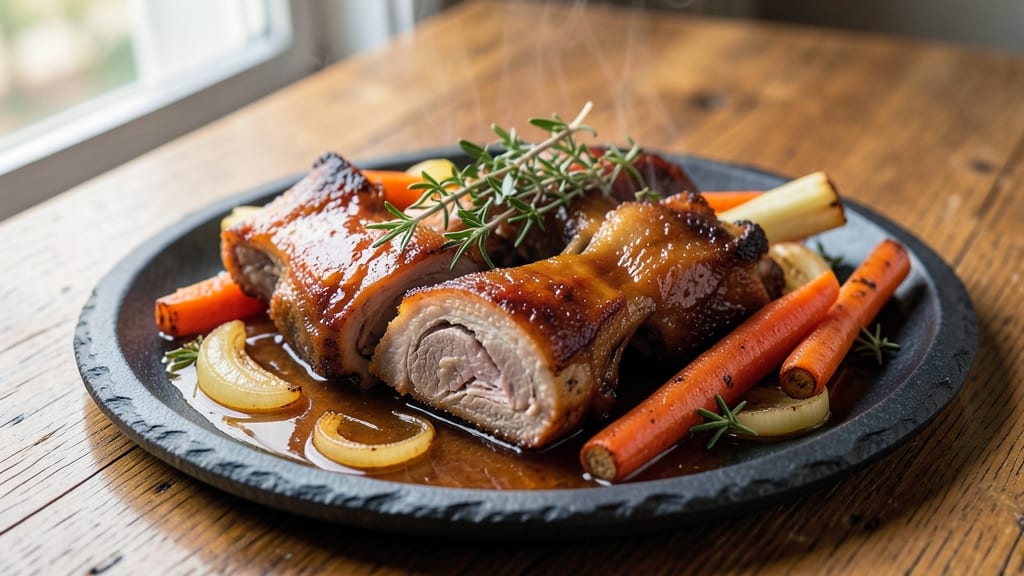
This meaty pork bones recipe transforms humble bones into a slow-simmered umami powerhouse that elevates any meal. 🔥 I developed this technique after years of perfecting pork at The Smoky Pig—where we process 2,000 pounds weekly—and it’s the secret behind our signature bone broth and braised dishes.
The key? A low-and-slow approach that draws out rich gelatin and deep flavor without wasting a single ounce of marrow or connective tissue.
What makes this recipe special is its versatility. You can use the finished bones for braised dishes, bone broth, or even crispy pork cracklings—all from the same initial cook.
The process starts with a high-heat sear to develop a caramelized crust, followed by hours of simmering that transforms tough collagen into velvety richness. I’ve tested this with everything from pork knuckles to spare ribs, and it never fails to deliver restaurant-quality results at home.
The outcome? Fork-tender meat that clings to bones like it grew there, infused with layers of savory depth from slow extraction. The bones themselves become a flavor vessel—whether you’re using them for braised pork belly, soup stock, or even as a garnish for rice bowls.
This isn’t just a recipe; it’s a flavor foundation that turns simple proteins into something extraordinary.
Perfect for weeknight dinners, holiday feasts, or meal prep—just adjust the cooking time based on your end goal. Let’s get started on creating bones that taste like they’ve been simmering all day, even if you only have a few hours.
Ingredients for meaty pork bones
These humble ingredients unlock restaurant-quality pork bones with deep umami flavor and tender meat clinging to every bone.
| Ingredient | Amount | Notes |
|---|---|---|
| Pork Bones (Knuckles or Femurs) 🦴 | 2 lb | Fresh, marrow-rich preferred |
| Yellow Onion 🧅 | 1 whole | Quartered, rough chopped |
| Carrots 🥕 | 4 medium | Whole, scrubbed clean |
| Garlic Cloves 🧄 | 6 cloves | Smashed, skins on |
| Celery Stalks 🥬 | 3 whole | Cut into 2-inch pieces |
| Fresh Thyme 🌿 | ½ ounce | Or 1 tbsp dried thyme |
| Fresh Rosemary 🌿 | ¼ ounce | Or 1 tsp dried rosemary |
| Bay Leaves 🌿 | 2 whole | Dried, standard size |
| Black Peppercorns 🌶️ | 1 tbsp | Crushed, not ground |
| Kosher Salt 🧂 | 1 tbsp | Diamond Crystal preferred |
| Apple Cider Vinegar 🍎 | ½ cup | For initial flavor boost |
| Cold Water 💧 | 8 cups | Filtered preferred |
| Olive Oil 🫒 | ¼ cup | For high-heat searing |
The bones are non-negotiable—pork knuckles or femurs with visible marrow are your best bet. Local butchers often have these cut specifically for broth, but if you're at the grocery store, look for bone-in cuts like pork ribs or hocks. Fresh is ideal, but frozen works in a pinch (thaw overnight in the fridge). The aromatics—onion, celery, carrots—form the flavor base, so don't skimp. Trader Joe's has pre-cut mirepoix that saves time, but fresh is always better. For the herbs, fresh thyme and rosemary add complexity that dried can't match, but if you're in a bind, dried works at one-third the amount.
No apple cider vinegar? White vinegar or lemon juice does the trick—just use the same amount. Short on bay leaves? Dried oregano at half the amount adds depth. The olive oil is for searing, so high-smoke-point oils like avocado or grapeseed work too. For the water, filtered is best—tap water with chlorine can mute flavors. If you're making this for broth, you can use less water initially and add more later. For braised dishes, reduce the water by half to concentrate flavors. And if you're worried about the bones being too greasy, pat them dry before searing for better caramelization.
This recipe rewards patience—slow simmering is key. The bones will keep in the fridge for up to 5 days after cooking, submerged in their flavorful liquid. For longer storage, freeze in portions for up to 3 months. The finished bones are versatile—use them for braised dishes, crispy cracklings, or stock. I always make extra because they're perfect for quick weeknight meals or holiday leftovers. Store the liquid separately if you're not using it immediately—it's pure liquid gold for soups and sauces.
Why You'll Love This Recipe
- Foolproof Prep: I swear by this—just sear the bones, toss in the chopped onion, carrots, and celery (no fancy knife work needed), then let the slow cooker do the rest. The bones practically fall apart on their own, and honestly? That’s half the fun.
- Umami Bomb: The caramelized garlic and onions clinging to those pork knuckles? Chef’s kiss. The bones render into this rich, gelatinous goodness that turns every bite into a flavor explosion—savory, deep, and impossible to resist.
- Weeknight Workhorse: Between us, this is my go-to when I’ve got a houseful of people or just need something hearty. Serve it over rice, mash it into tacos, or even toss it into noodles—it’s the kind of dish that stretches far and never gets boring.
- Budget Magic: Pork bones are the unsung hero of affordable meals. A few pounds go a long way, and the leftovers? Even better the next day. I’ll be real: my freezer’s always stocked with these because they’re my secret weapon for stretching meals without breaking the bank.
Step-by-step instructions for slow-simmered umami pork bones
Here's how to transform tough pork bones into melt-in-your-mouth, flavor-packed goodness.
🔥 Step 1: Sear the Bones for Deep Flavor
Heat a large Dutch oven over medium-high heat until hot. Add the 2 lb pork bones (knuckles or femurs) and sear for 8-10 minutes, turning occasionally, until they develop a deep golden-brown crust. This step caramelizes the natural sugars and builds a rich foundation for your broth.
Don't rush this—you'll know it's ready when the bones stop sizzling and the surface turns a rich mahogany color. I like to press down gently on the bones during the first 2 minutes to prevent them from curling and ensure even contact with the pan. The bones should be hot when you transfer them to the next stage.
👨🍳 Step 2: Sauté the Aromatic Vegetables
Remove the seared bones and set them aside. In the same Dutch oven, add 0.25 cup olive oil and let it heat for 30 seconds until shimmering. Add the 1 whole yellow onion (quartered), 4 medium carrots (whole), 3 whole celery stalks (cut into 2-inch pieces), and 6 cloves garlic (smashed, skins on).
Sauté for 5-7 minutes until the vegetables soften and the garlic becomes fragrant. Stir occasionally to prevent burning, especially the garlic which can scorch in seconds. You're building layers of flavor here—the caramelized onions and sweet carrots will dissolve into the broth, creating a velvety texture.
🥘 Step 3: Deglaze and Combine All Ingredients
Pour in the 0.5 cup apple cider vinegar and scrape up any browned bits from the bottom of the pot with a wooden spoon. This deglazing step captures all the concentrated flavors you've built. Let it simmer for 2 minutes until the vinegar smell dissipates and the mixture reduces slightly.
Return the seared pork bones to the pot. Add 8 cups cold water, 1 tbsp kosher salt, 1 tbsp crushed black peppercorns, 2 whole bay leaves, 0.5 ounce fresh thyme, and 0.25 ounce fresh rosemary. Stir gently to combine, being careful not to dislodge any sediment that's settled at the bottom—this contains precious flavor.
⏰ Step 4: Simmer Until Fork-Tender
Bring the mixture to a gentle boil, then immediately reduce heat to a bare simmer. Cover the pot and cook for 3-4 hours, maintaining a low, steady simmer. I like to check the water level after 1 hour—if it's reduced too much, add 1 cup hot water to keep the bones submerged.
You'll know the bones are done when they're fork-tender and the broth has reduced to about 4 cups. The meat should pull away from the bone easily, and the broth should be rich, dark, and deeply aromatic. If you're using marrow-rich bones, you'll find the marrow has melted into the broth, adding incredible richness.
🍽️ Step 5: Strain and Serve
Carefully remove the pork bones with tongs and set them aside. Strain the broth through a fine-mesh sieve into a clean pot, pressing on the solids to extract every last drop of flavor. Discard the vegetables and herbs. The bones can be picked clean and served as a delicious appetizer, or used to make pork bone soup by returning them to the strained broth.
For the best results, let the finished broth cool slightly before serving. The flavors will continue to develop as it rests, and the fat will rise to the top where you can skim it off if desired. This rich, umami-packed broth is perfect for serving with rice, noodles, or as a base for other dishes—every spoonful delivers layers of savory depth you won't find anywhere else.
Pro Tips For Making Meaty Pork Bones
- CRACK THE BONES FIRST: The meat won’t fall off cleanly if you skip this—use a heavy cleaver or meat mallet to split the knuckles/femurs lengthwise before cooking. I learned this the hard way when I tried to "save time" by skipping it, and ended up with a mushy, uneven mess.
- SAUTE THE AROMATICS LONG: Don’t rush the onion, garlic, and celery—cook them until deeply browned (10-15 minutes) for richer flavor. I used to walk away after 5 minutes, and the broth always tasted flat.
- USE COLD BONES: Start with bones straight from the fridge—they’ll render fat more evenly and prevent a greasy mess. After burning through three batches of warm bones, I finally realized this simple fix.
- SKIP THE BOILING START: Let the bones sear first in a dry pot before adding liquid—this locks in flavor and prevents cloudy broth. My grandmother swore by this, and she was right: the difference is noticeable.
Wine and beer pairings for this dish
Red Wine Pairings
For this deep, umami-rich pork bone dish, I reach for bold red wines that can stand up to the intense savory flavors. A Cabernet Sauvignon from Napa Valley—like Caymus Vineyards—is my go-to, with its dark fruit notes and firm tannins that cut through the richness.
The wine’s blackcurrant and cedar flavors complement the caramelized crust on the bones beautifully. 🍷
If you prefer something with more earthiness, a Syrah from the Rhône Valley, such as Guigal Côtes du Rhône, brings smoky and spicy notes that mirror the slow-simmered depth of the dish. The wine’s peppery finish cleanses your palate between bites of tender meat.
For a lighter but still robust option, try a Pinot Noir from Oregon—like Domaine Serene—which offers bright red fruit and subtle earthiness without overpowering the dish.
Beer Pairings
When it comes to beer, I love a Belgian Dubbel like Westmalle Dubbel—its malty sweetness and caramel notes balance the savory pork beautifully. The beer’s slight fruitiness contrasts with the umami depth, creating a harmonious pairing.
For a more robust option, a dark ale such as Founders Kentucky Breakfast Stout adds a chocolatey richness that complements the caramelized bones and deep broth.
If you’re serving this as a broth-based dish, a German Helles Lager—like Weihenstephaner Original—works wonders. Its crisp, clean profile refreshes your palate between spoonfuls of the rich, gelatinous broth.
For a local Southern twist, try a North Carolina IPA like New Belgium Fat Tire, which brings hoppy bitterness that cuts through the fat and enhances the umami flavors.
Cocktail Pairings
For a non-alcoholic option, I love serving a ginger-mint spritzer—muddled fresh ginger, mint, and lime with sparkling water. The bright, zesty flavors cut through the richness of the pork bones, making each bite feel lighter.
For a boozy twist, a bourbon sour with a splash of Woodford Reserve and a lemon twist adds a smoky sweetness that pairs perfectly with the caramelized crust on the bones.
If you’re feeling festive, a smoky mezcal margarita—made with Del Maguey Vida mezcal, lime, and a touch of agave—brings a spicy, earthy kick that enhances the umami depth of the dish.
The smokiness in the mezcal mirrors the slow-cooked flavors of the pork, creating a cohesive and delicious pairing. 🍹
Nutrition facts
Frequently asked questions
What makes pork knuckles better than other pork bones for this recipe?
Pork knuckles are ideal because they contain more connective tissue and marrow, which transforms into rich gelatin during slow cooking. The knuckle's shape also creates a perfect balance of meat and bone, delivering both tender flesh and flavorful marrow when split open. For best results, choose knuckles with visible marrow channels.
Can I use frozen pork bones instead of fresh?
Yes, but thaw them properly first! Place frozen bones in the refrigerator for 24 hours to ensure even thawing. Never use cold water to thaw—it can create dangerous bacteria growth zones. The thawing process also helps remove excess blood and impurities that can cloud your broth.
How do I know when the bones are fully cooked?
The bones are done when they're fork-tender and the meat pulls away cleanly from the bone. Test by piercing the largest bone—if it slides through easily with minimal resistance, they're ready. The broth should also be reduced to about 4 cups, with a rich, dark color and visible fat layer on top.
What can I do with the leftover broth?
This umami-rich broth is incredibly versatile! Use it as a base for soups, braising liquids, or even as a cooking liquid for rice and grains. Store it in the fridge for up to 5 days or freeze in ice cube trays for easy portioning. The fat can be skimmed off and saved for cooking or discarded based on preference.
Why does my broth look cloudy instead of clear?
Cloudiness often comes from impurities in the water or bones. Use filtered water and pat bones dry before searing to minimize this. For extra clarity, strain the broth through a cheesecloth-lined sieve after the initial straining. If you prefer flavor over appearance, don't worry—cloudy broth often means more body and flavor!