
Main Courses
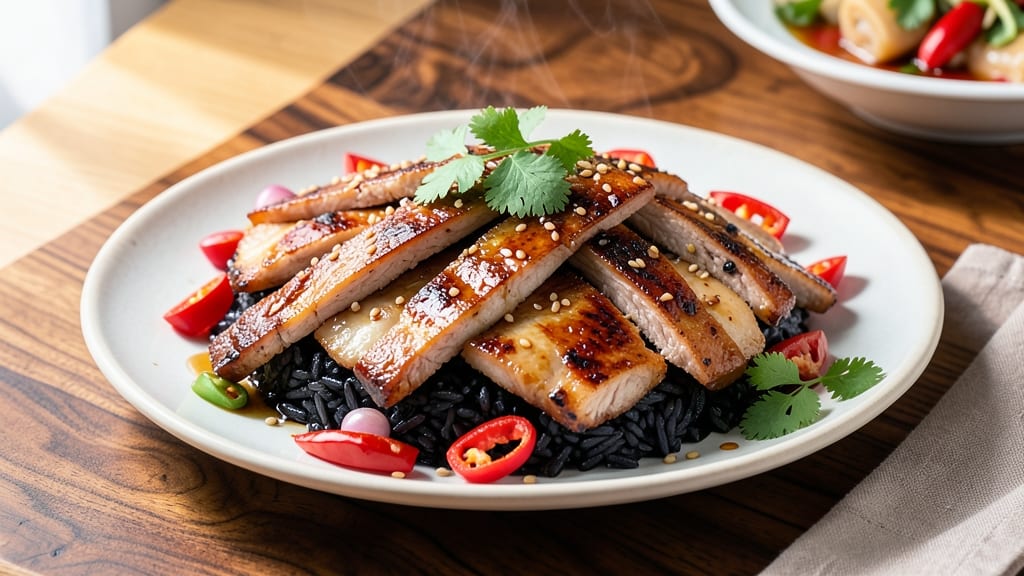
This Chinese mu shu pork recipe transforms simple pork into silken, stir-fried bites with a tangy tamarind glow—the kind that makes every bite feel like a restaurant masterpiece. 🔥 I learned the technique while training in Charleston, where precision meets bold flavors, and it's become my go-to for weeknight dinners that still feel special.
The secret lies in thin, even slices and a sauce that balances sweet, spicy, and umami perfectly.
The process starts with marinating pork shoulder in a mix of soy sauce, cornstarch, and sesame oil—this creates those signature tender, slightly chewy slices. While the pork rests, you'll prepare the sauce: hoisin, chili bean paste, and tamarind combine for that signature bright, sticky glaze.
Stir-frying at high heat ensures the pork stays silken while developing a light char, and quick assembly keeps everything vibrant.
What you end up with is a dish that's restaurant-quality at home—golden, glistening pork with glossy sauce clinging to every bite. The final presentation matters: serve with steamed buns, fresh scallions, and pickled vegetables for that authentic street-food feel.
It's the kind of meal that brings people to the table, eager for seconds.
This recipe delivers authentic Chinese flavors without shortcuts, and the best part? It comes together in under 45 minutes. Let's get cooking—your taste buds will thank you.
Ingredients for chinese mu shu pork
Fourteen ingredients transform simple pork into restaurant-quality mu shu with tangy tamarind brilliance.
| Ingredient | Amount | Notes |
|---|---|---|
| Pork Shoulder 🥩 | 1 ½ lb | Cut into 1/4-inch slices |
| Soy Sauce 🍶 | ½ cup | High-quality, light soy |
| Cornstarch 🌾 | 2 tbsp | For tenderizing pork |
| Sesame Oil 🫒 | 1 tbsp | Toasted sesame preferred |
| Hoisin Sauce 🍶 | ¼ cup | For authentic umami |
| Chili Bean Paste 🌶️ | 2 tbsp | For spicy depth |
| Tamarind Paste 🍍 | 2 tbsp | Adjust for tanginess |
| Garlic Cloves 🧄 | 4 cloves | Minced for sauce |
| Fresh Ginger 🌿 | 1 tbsp | Grated, for aroma |
| Neutral Oil 🫒 | 2 tbsp | Peanut or vegetable oil |
| Scallions 🧅 | 3 whole | Thinly sliced, for garnish |
| Steamed Buns 🍞 | 4 whole | For serving |
| Salt 🧂 | ½ tsp | Fine sea salt |
| White Pepper 🌶️ | ¼ tsp | Freshly ground |
| Sugar 🍚 | 1 tsp | Balances flavors |
The pork shoulder is your canvas here. Look for well-marbled cuts at Asian markets—they often carry superior quality. If your grocery store doesn't have it, the butcher can trim it for you. Thin, even slices are critical: 1/4-inch thickness ensures silken texture without toughness. For the sauce, La Choy hoisin is my go-to, but any brand with no additives works. Tamarind paste? Trader Joe's has the best quality—thick, sticky, and potent.
No sesame oil? Toasted sesame seeds in a pinch, but the flavor won't be identical. Chili bean paste can be swapped for red curry paste at half the amount if you're in a bind. Fresh ginger is ideal, but dried works at one-third the quantity. The cornstarch is non-negotiable—it's what creates that signature chewy texture. For the buns, steamed mantou from an Asian bakery elevates the dish, but any soft bun will do. The scallions? White parts only for garnish—green parts go in the stir-fry for color.
Pork marinates best overnight, but even 30 minutes makes a difference. Store leftovers in an airtight container for 3 days—reheat gently to preserve texture. The sauce keeps for 2 weeks in the fridge, though it's best used fresh. For presentation, serve with pickled vegetables and extra scallions. This dish reheats beautifully, making it perfect for meal prep—just keep it covered to maintain moisture.
Why You'll Love This Recipe
- One-Pan Magic: I swear by this recipe—just slice the pork, toss it in a bowl with soy sauce and hoisin, let it marinate while you prep the rest. The cornstarch slurry? Slap it on the pan, stir once, and walk away. Twenty minutes later, you’ve got dinner.
- Sweet-Savory Crunch: That sesame oil hit at the end? Chef’s kiss. The pork stays juicy inside but gets this irresistible crispy edge from the cornstarch, while the hoisin adds a sticky, caramelized depth. It’s the kind of flavor that makes you reach for seconds without even thinking.
- Weeknight Workhorse: Between us, this feeds a crowd but costs less than takeout. Double the batch, store half for lunch—it reheats like a dream. My kids ask for it after school, and my partner sneaks leftovers for lunch. (No judgment.)
- Budget-Friendly Luxury: Pork shoulder is cheap, but it tastes like you spent hours. The soy and hoisin stretch thin, so you get big portions without breaking the bank. Plus, the ingredients? Most are already in my pantry. Easy wins.
Step-by-step instructions for Chinese mu shu pork
Here's how to transform tender pork into silky, tangy mu shu perfection.
👨🍳 Step 1: Velvetize the Pork with Cornstarch Magic
Slice the 1.5 lb pork shoulder into ¼-inch thick pieces—thin enough for quick cooking but not so delicate they'll fall apart. In a bowl, combine the pork with 2 tbsp cornstarch, 0.5 tsp salt, and 0.25 tsp white pepper. Toss until every piece is evenly coated and glistening.
Let the marinated pork rest for 15 minutes while you prep the rest. This isn't just seasoning—it's creating a protective barrier that keeps the pork moist during stir-frying. The cornstarch will absorb into the meat, creating that signature tender, almost custard-like texture when cooked properly.
🔥 Step 2: Stir-Fry to Silken Perfection
Heat a wok or large skillet over high heat until it's screaming hot. Add 2 tbsp neutral oil and swirl to coat. Working in batches if needed, add the pork and sear for 1-2 minutes per side until golden brown and cooked through. You're aiming for 165°F internal temperature—don't overcrowd the pan or the pork will steam instead of sear.
Remove the pork and set aside. Here's the thing—this isn't just about cooking. The high heat breaks down the connective tissue in the pork shoulder, transforming it into those signature silky strands. If your pork releases easily from the pan and has a beautiful caramelized crust, you're golden. If it's sticking, your pan isn't hot enough—crank it up.
🍳 Step 3: Build the Tangy Tamarind Sauce
In the same wok, reduce heat to medium and add 4 cloves minced garlic and 1 tbsp grated fresh ginger. Sauté for 30 seconds until fragrant—don't let them brown or they'll turn bitter. Add 2 tbsp chili bean paste and stir for 1 minute to toast the spices and deepen their flavors.
Pour in 0.5 cup soy sauce, 0.25 cup hoisin sauce, 2 tbsp tamarind paste, and 1 tsp sugar. Stir constantly for 2-3 minutes until the sauce thickens slightly and coats the back of a spoon. The tamarind paste will give that signature tangy glow—this is where the magic happens. If the sauce looks too thick, add 1-2 tbsp water to loosen it.
🥘 Step 4: Finish with Pork and Garnishes
Return the pork to the wok and toss everything together for 1-2 minutes until the pork is evenly coated in the sauce. Add 1 tbsp sesame oil and toss again—this adds that nutty aroma and helps emulsify the sauce. The pork should be glossy and silky, not dry or tough. If it's too dry, add another splash of water and toss.
Remove from heat and stir in 3 whole scallions, sliced thinly on the bias. The scallions add freshness and cut through the richness of the pork. Taste and adjust seasoning—you might need a touch more soy sauce for saltiness or sugar to balance the tang.
🍽️ Step 5: Serve with Steamed Buns
Transfer the mu shu pork to a serving platter and arrange the 4 whole steamed buns on the side. The contrast between the soft, pillowy buns and the silky pork is what makes this dish so special. Serve immediately while the pork is still hot and the sauce is glossy.
For the best experience, wrap the pork in the buns with a few spoonfuls of sauce. Each bite should deliver that perfect balance of tender pork, tangy tamarind, sweet hoisin, and umami soy. The cornstarch coating should make the pork feel almost silky in your mouth—if it's chewy, your pork wasn't sliced thin enough or cooked long enough.
Pro Tips For Making Chinese Mu Shu Pork
- VEST THE PORK SLICE-WISE: Slice the pork shoulder against the grain into ¼-inch thick strips—thinner than you think. I used to cut them too thick, and they’d stay chewy even after marinating. A sharp knife and steady hand make this easier than it looks.
- MARINATE WITH HEAT: Mix soy sauce, hoisin, and a splash of water before adding the pork—let it sit for 15 minutes. The acid in the sauces breaks down the meat faster, and the pork absorbs the flavor deeper. Cold marinades just don’t cut it here.
- STARCH THE PORK DRY: Toss the pork in cornstarch after patting it bone-dry with paper towels. Moisture ruins the crust—you’ll end up with gluey, uneven coating. A quick shake in a bag works just as well as a bowl.
- STOP STIR-FRYING WHEN IT LOOKS DONE: Pull the pork off the pan the second it turns opaque and glistens—it’ll keep cooking from residual heat. Overcooking turns it rubbery, and no one wants that. High heat, quick toss, done.
Dietary considerations for chinese mu shu pork
Gluten-Free Adaptation
Mu shu pork traditionally contains soy sauce, which is gluten-heavy. Swap the ½ cup soy sauce for ½ cup gluten-free tamari—I recommend San-J Tamari—to maintain umami without the gluten. Tamari has a richer, slightly saltier profile that works beautifully in the sauce.
For extra insurance, check labels on hoisin sauce and chili bean paste, as some brands contain hidden wheat. 🌱
Low-Carb Options
Skip the steamed buns and serve the mu shu pork over a bed of shredded cabbage or cauliflower rice for a low-carb twist. The cabbage adds crunch and absorbs the tangy sauce perfectly.
I also like wrapping the pork in lettuce leaves for a fresh, crunchy alternative. Keep the sauce portion small to avoid excess carbs from hoisin and tamarind.
Vegetarian Substitution
For a plant-based version, replace the pork with extra-firm tofu or mushroom strips. Press and slice the tofu into ¼-inch thick pieces, then marinate in the same cornstarch mixture for 20 minutes.
Use neutral oil to stir-fry until golden, then proceed with the sauce as written. Shiitake mushrooms work especially well—they absorb flavors beautifully and add an earthy depth that complements the tangy sauce. 🌿
Nut-Free Considerations
Sesame oil is a key flavor carrier, but if you're avoiding nuts, replace it with 1 tbsp avocado oil or toasted coconut oil. While the flavor won't be identical, these alternatives still add richness.
For texture, sprinkle toasted pumpkin seeds on top instead of sesame seeds. Always double-check hoisin sauce labels—some brands contain sesame or are processed in nut facilities.
Allergy-Friendly Tips
For shellfish or seafood allergies, ensure all ingredients are certified allergy-free. Tamarind paste and chili bean paste are typically safe, but always verify with brands like Trader Joe's or La Choy.
If you're avoiding soy entirely, substitute with coconut aminos, which have a milder flavor but still work in the sauce. For a richer profile, add 1 tbsp miso paste*.
Nutrition facts
Frequently asked questions about Chinese mu shu pork
Why does the pork need cornstarch?
The cornstarch creates that signature silken, slightly chewy texture by forming a protective barrier during cooking. When heated, it transforms into a translucent coating that keeps the pork moist and tender while developing a beautiful sheen. This is what gives mu shu pork its restaurant-quality mouthfeel!
Can I use a different cut of pork?
Pork shoulder is ideal for its fat content, but you can use pork tenderloin if preferred. Trim excess fat and slice thinner (⅛-inch) since tenderloin cooks faster. Avoid lean cuts like ham—they lack the fat needed for that signature juicy texture. For best results, let the meat rest 15 minutes after slicing to prevent tearing.
How do I fix overcooked pork?
If your pork is dry, don't panic! Toss it with 1 tbsp hoisin sauce and ½ tbsp sesame oil to restore moisture and flavor. For extra tenderness, add 1 tsp honey to the sauce and simmer for 2 minutes. The sauce will help rehydrate the meat slightly while adding richness. Serve with extra pickled vegetables to cut through any dryness.
What's the best way to store leftovers?
Store cooked mu shu pork in an airtight container for up to 3 days in the fridge. To reheat, warm in a skillet over medium-low heat with 1 tsp water to prevent drying. For longer storage, freeze for up to 3 months. Thaw overnight in the fridge—never microwave directly from frozen. The sauce may thicken when reheated, so add a splash of water if needed.
Can I make this without a wok?
Use a large skillet with high sides or even a cast-iron pan. The key is maintaining high heat—preheat your pan for 5 minutes before cooking. Work in batches if needed to avoid crowding, and keep the heat cranked to get that proper sear. A griddle works too, but stir-fry motion is harder to achieve. The sauce will still turn out delicious!