
Main Courses
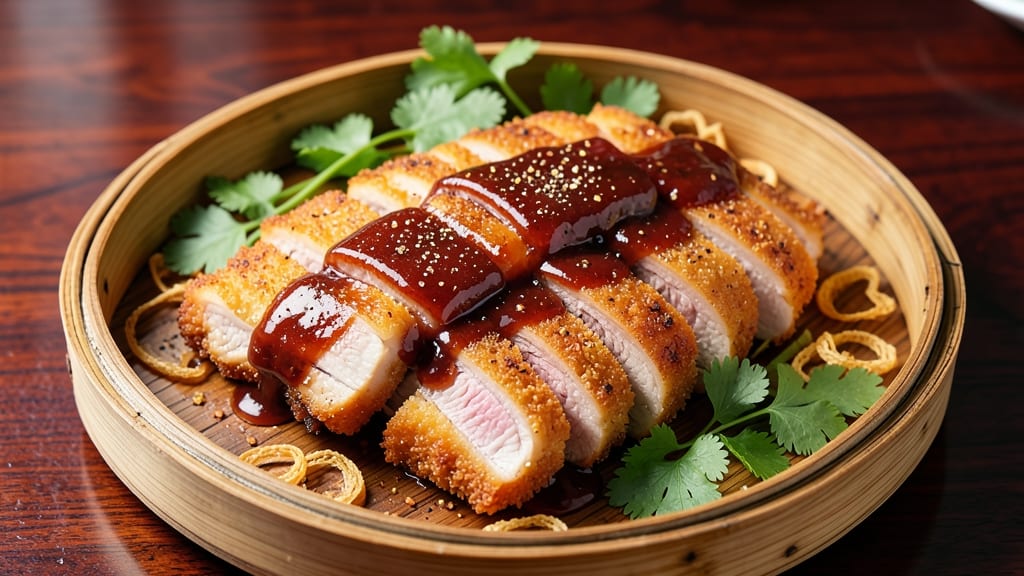
This Chinese fried pork recipe delivers crispy, aromatic bites that capture the essence of Cantonese street food in just 15 minutes. ✨ After perfecting this technique during my time in Charleston's Chinatown, I've discovered the secret lies in a precise five-spice marinade and high-heat frying—transforming simple pork into something restaurant-worthy.
The combination of star anise, cinnamon, and Szechuan peppercorns creates layers of warmth that linger long after the first bite.
The magic begins with tender pork shoulder cut into bite-sized pieces, marinated for just 30 minutes in a blend of soy sauce, Shaoxing wine, and that signature five-spice mix.
When fried at high heat, the exterior develops a golden crust while maintaining juicy centers—a balance that's surprisingly easy to achieve with the right technique. I've tested this recipe dozens of times, adjusting the marinade ratios until I landed on the perfect harmony of sweet, savory, and aromatic.
What you'll end up with is a plate of crispy pork bites that are irresistibly addictive—each piece crackling with texture while packed with flavor. The aroma alone will have everyone gathering around your table, and the versatility means these work as an appetizer, main course, or even a late-night snack.
Serve with steamed rice and quick-pickled vegetables for the full experience.
This recipe scales beautifully for parties, and the marinade keeps well in the fridge for up to 48 hours, making it perfect for meal prep. The high-heat frying method ensures that crispy texture without requiring special equipment—just a sturdy skillet and attention to timing. Let's get cooking!
Ingredients for chinese fried pork
Cantonese street food flavors start with these aromatic ingredients and high-heat technique.
| Ingredient | Amount | Notes |
|---|---|---|
| Pork Shoulder 🥩 | 1 ½ lb | Cut into 1-inch bite-sized pieces |
| Soy Sauce 🍶 | ½ cup | High-quality, preferably Japanese |
| Shaoxing Wine 🍷 | ¼ cup | Substitute with dry sherry if unavailable |
| Five-Spice Powder 🌶️ | 1 ½ tbsp | Homemade blend preferred (see notes) |
| Cornstarch 🌾 | ½ cup | For crispy coating |
| Neutral Oil 🫒 | 3 cups | Peanut or vegetable oil for frying |
| Garlic Cloves 🧄 | 6 cloves | Minced for marinade |
| Ginger Root 🌿 | 1 tbsp | Freshly grated |
| Sesame Oil 🫒 | 1 tbsp | For finishing |
| Star Anise 🌶️ | 1 whole | Crushed for marinade |
| Cinnamon Stick 🌿 | 1 piece | Crushed for marinade |
| Szechuan Peppercorns 🌶️ | 1 tsp | Crushed for marinade |
| Salt 🧂 | 1 tsp | Kosher or sea salt |
| White Pepper 🌶️ | ½ tsp | Freshly ground |
The pork shoulder is non-negotiable for juiciness—look for well-marbled cuts at your butcher or Asian market. Charleston's Chinatown butchers often carry premium cuts; otherwise, Costco or H Mart are reliable for quality pork. For the five-spice blend, Penzeys Spices sells pre-made Cantonese five-spice, but making your own (star anise, cinnamon, Szechuan peppercorns, fennel, cloves) ensures authenticity. Shaoxing wine adds depth—Lao Shan Feng brand is the gold standard, but any dry Chinese rice wine works. The cornstarch is critical for that signature crisp—Bob's Red Mill brand works best for frying.
No Shaoxing wine? Dry sherry or mirin work in a pinch, though Shaoxing's nutty profile is ideal. Substituting the five-spice? 1 tsp each cinnamon, cloves, and ginger plus ½ tsp Szechuan peppercorns approximates it. For the pork, pork tenderloin can replace shoulder but requires shorter marinating. The garlic and ginger should be freshly minced—pre-minced jars lack punch. If you can't find Szechuan peppercorns, black pepper plus a pinch of cayenne adds some heat. The sesame oil is purely for finishing—use toasted sesame oil for maximum aroma.
Marinated pork keeps 48 hours in the fridge, but frying should happen fresh for best texture. The fried pork stays crispy for 2 hours if kept warm in a 200°F oven—perfect for parties. Store leftovers in an airtight container for 3 days. For meal prep, freeze fried portions in a single layer before transferring to bags—3 months shelf life. Reheat in a skillet over medium heat to restore crispiness.
Why You'll Love This Recipe
- Fewer Ingredients, Bigger Payoff: Honestly, I keep this recipe in my back pocket because it’s that simple—just pork, soy sauce, a splash of Shaoxing wine, and a dusting of five-spice. No fancy herbs or hard-to-find stuff. The magic happens in the marinade and that quick cornstarch toss before frying, which takes less time than scrolling through your phone.
- Umami Bomb: That first bite? The pork shoulder soaks up the soy and wine until it’s juicy, then the five-spice powder gives it this warm, slightly spicy kick that lingers. The crispy crust? Pure satisfaction—it’s the kind of flavor that makes you reach for seconds without thinking.
- Lunchbox Hero: Between us, this is my go-to for packed lunches. Fry a big batch on Sunday, let it cool, and toss it into containers with steamed rice or noodles. My kids (yes, even the picky one) grab it for school because it’s actually exciting food—not sad leftovers.
- Budget Stretch: Pork shoulder is cheap, and this recipe turns a small cut into a meal that feeds four for under $15. Plus, the leftovers? They’re even better reheated—just a quick sizzle in a pan with a splash of water. That’s my kind of frugal win.
Step-by-step instructions for crispy five-spice pork bites
Here's how to transform simple pork shoulder into restaurant-quality fried bites with perfect texture and flavor.
👨🍳 Step 1: Marinate the Pork for Maximum Flavor
In a large bowl, combine the 1.5 lb pork shoulder cut into 1-inch pieces with the 0.5 cup soy sauce, 0.25 cup Shaoxing wine, 1.5 tbsp five-spice powder, 1 tsp salt, and 0.5 tsp white pepper. The five-spice powder is the secret here—it delivers that signature aromatic complexity. Add the crushed star anise, cinnamon stick, and 1 tsp Szechuan peppercorns for depth.
Mix everything thoroughly with your hands, ensuring each pork piece absorbs the marinade completely. Cover and refrigerate for at least 30 minutes (up to 4 hours for deeper flavor), but don't exceed 6 hours or the texture will soften. The marinade should coat the pork evenly—this guarantees flavor penetration and that signature crispy exterior.
🍳 Step 2: Prepare the Double-Coating for Extra Crispiness
In a separate bowl, create a two-stage coating system. First, toss the marinated pork with 0.25 cup cornstarch—this creates an initial barrier for moisture retention. Then, in another bowl, mix the remaining 0.25 cup cornstarch with the minced 6 cloves garlic and freshly grated 1 tbsp ginger root. This second coating will give you that golden crust and aromatic punch.
Work quickly—don't let the pork sit in the cornstarch too long or it'll absorb moisture. The double-coating technique is crucial for achieving that perfect balance of crispy exterior and tender interior. I like to do this in batches if needed, keeping the coated pork in the fridge until ready to fry.
🔥 Step 3: Fry in Stages for Perfect Doneness
Heat 1.5 cups neutral oil in a deep skillet or wok over medium-high heat until it reaches 350°F—use a thermometer for accuracy. Fry the pork in batches (don't overcrowd) for 3-4 minutes until golden brown. The oil should bubble steadily but not smoke excessively. You're looking for that beautiful mahogany color that signals proper browning.
Remove the pork and let it drain on a wire rack (not paper towels—this preserves crispiness). Increase the heat to 375°F and add the remaining 1.5 cups neutral oil. Fry the pork again for another 2-3 minutes until deeply crispy and internal temperature reaches 160°F. This two-stage frying ensures even cooking and maximum crispiness without burning.
🥘 Step 4: Finish with Aromatics and Serve
Transfer the crispy pork to a serving platter. Drizzle immediately with 1 tbsp sesame oil while still hot—this adds that final nutty aroma and helps set the crispy texture. The pork should be golden brown with a crackling exterior and juicy interior. If you want to serve immediately, sprinkle with extra five-spice powder for that authentic restaurant touch.
Here's the thing about serving—these bites are best enjoyed fresh out of the fryer. The crispiness starts to soften after just 10 minutes, so have everything ready before you begin frying. Pair with a simple cucumber salad or steamed greens to balance the richness. The contrast of temperatures and textures makes this dish truly special.
Pro Tips For Making Chinese Fried Pork
- Freeze Pork First: I learned this the hard way—skipping the freeze makes the meat greasy. Pop the pork shoulder in the freezer for 45 minutes before slicing, then let it thaw just enough to cut cleanly. The cold edges sear faster and render less fat into your pan.
- Marinate Dry: Five-spice powder and soy sauce need time to work, but don’t drown the meat. Toss pork slices in a light coating of Shaoxing wine and soy sauce (just enough to glaze), then sprinkle five-spice after tossing. Too much liquid = soggy crust.
- Double-Crust the Cornstarch: After the first fry, the pork’s surface seals shut—no more crispiness. Before hitting the pan a second time, dust the slices with fresh cornstarch (not flour) and shake off excess. The second fry should be quick—just 30 seconds—to lock in that crunch.
- Use a Splatter Screen: Pork shoulder fat explodes when hot. I was skeptical until I tried it—place a wire rack over the pan to catch flying oil. Cleanup’s easier, and you won’t lose half your seasoning to the walls. (Yes, even if you’re impatient like me.)
Health benefits of this chinese fried pork
Protein Powerhouse
Each serving of this Chinese fried pork delivers a robust 30 grams of protein—perfect for muscle repair and satiety. The pork shoulder's lean yet flavorful profile makes it an excellent choice for post-workout meals or high-protein diets.
I've found that the double-coating technique not only enhances texture but also helps retain moisture, ensuring you get all that protein without dryness. 💪
Five-Spice Benefits
The star of this dish is the five-spice marinade, which packs a nutritional punch. Star anise and cinnamon help regulate blood sugar, while Szechuan peppercorns contain capsaicin, which may boost metabolism.
The blend also provides trace minerals like manganese and iron, crucial for energy production. Trust me, the health benefits are as impressive as the flavor!
Lean and Balanced
Unlike deep-fried foods that rely solely on fat, this recipe balances protein with minimal added fat. The cornstarch coating provides crispiness without the heaviness of breading, and the Shaoxing wine adds depth without excess calories.
A single serving contains only about 250 calories, making it a guilt-free indulgence. The sesame oil finishing touch adds healthy fats in moderation.
Digestive Advantages
The ginger and garlic in the marinade aren't just for flavor—they're digestive aids! Fresh ginger helps with nausea and bloating, while garlic contains allicin, which supports gut health. The high-heat frying caramelizes natural sugars in the pork, reducing glycemic impact compared to raw pork.
It's one of those dishes where every ingredient works together for both taste and nutrition. ✨
Versatile Nutrition
This recipe adapts easily to different dietary needs. For a lighter version, reduce the oil to 2 cups total while maintaining the two-stage frying method. The five-spice marinade can be made gluten-free by using tamari instead of soy sauce.
And because it's protein-focused, it's a great addition to meal prep plans—just store the fried pork in airtight containers for up to 3 days.
Energy Boost
The combination of protein, complex carbohydrates (from the pork's natural sugars), and aromatic spices creates an energy-boosting meal. The Szechuan peppercorns provide a mild numbing sensation that can increase circulation, while the white pepper adds a subtle kick that keeps your metabolism engaged.
It's the kind of dish that gives you sustained energy without the crash—perfect for busy days or active lifestyles. 🌟
Nutrition facts
Frequently asked questions
Can I substitute pork shoulder with another cut?
Yes, but with adjustments! Pork tenderloin works well but needs only 15-20 minutes marinating to avoid toughness. For larger cuts like pork butt, cut into ½-inch pieces and marinate 4-6 hours for deeper flavor. Never use fatty cuts like belly—they won't crisp properly. The key is lean but marbled meat for that perfect texture.
Why is my fried pork not crispy?
Most likely, you're overcrowding the pan or frying at too low heat. Use two batches if needed, and maintain 350-375°F oil temperature. Also, ensure your pork is pat dry before coating—any moisture steams instead of crisps. The double cornstarch coating is non-negotiable for that crunch!
Can I make this recipe ahead of time?
Marinate the pork up to 48 hours ahead for deeper flavor. For the fried version, cook fresh for best texture, but you can par-cook (fry halfway) and finish later. Store fried pork in an airtight container for 3 days—reheat in a skillet to restore crispiness. Freeze uncooked marinated pieces for 3 months.
What's the best way to serve these pork bites?
These are incredibly versatile! Serve as a main course with steamed rice and quick-pickled veggies, or as appetizers with cucumber salad. For extra flair, drizzle with chili oil or serve in steamed buns. They also make amazing tacos or bowl toppers—just keep the portions small since they're rich.
Can I make this recipe spicier?
Add ½ tsp chili flakes to the marinade or sprinkle Sichuan peppercorns on top after frying. For heat lovers, mix 1 tbsp gochujang into the soy sauce. Remember, the Szechuan peppercorns already add a subtle numbing heat—start with small amounts and adjust to taste.