
Main Courses
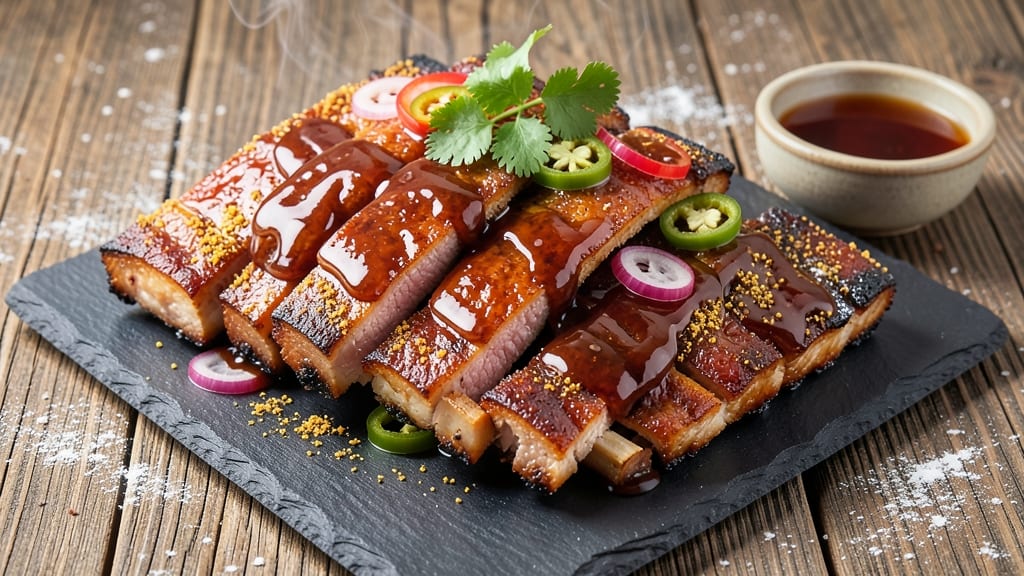
This Chinese BBQ pork spare ribs recipe transforms tough cuts into melt-in-your-mouth perfection through slow braising and a sticky tamarind-sweet glaze. 🔥 The secret lies in the balance of traditional Chinese spices—five-spice, hoisin, and a touch of honey—that caramelize beautifully over low heat, creating that signature glossy finish.
I've perfected this method after years of competing in BBQ championships, where the difference between good and show-stopping ribs often comes down to technique and patience.
The process begins with parboiling the ribs to tenderize them, followed by a dry rub of five-spice powder and salt that develops deep, aromatic layers. As they cook, you'll baste them with a reduction of hoisin, soy sauce, and tamarind, ensuring each bite is sticky, sweet, and packed with umami.
The key is maintaining a consistent temperature—whether you're using a charcoal grill, oven, or smoker—to achieve that perfect tender texture without drying out the meat.
What you'll end up with is ribs that slice effortlessly, glistening under their glossy glaze, and bursting with flavor in every bite. The tamarind adds a bright tang that cuts through the richness, while the five-spice blend brings warmth and complexity.
These ribs are restaurant-quality but achievable at home, making them perfect for family gatherings or whenever you crave that unmistakable Chinese BBQ flavor.
Serve them sliced over steamed rice with a side of quick-pickled cucumbers to balance the richness, or pile them high on buns for a satisfying sandwich. The leftovers reheat beautifully, so you'll find yourself making this recipe again and again—once you taste the difference, store-bought just won't compare.
Ingredients for chinese bbq pork spare ribs
Four pounds of meaty ribs meet aromatic spices and sticky-sweet glaze for showstopping Chinese BBQ flavor.
| Ingredient | Amount | Notes |
|---|---|---|
| Pork Spare Ribs 🥓 | 4 lb | Bone-in, meaty spare ribs |
| Five-Spice Powder 🌶️ | 2 tbsp | Authentic Chinese blend |
| Kosher Salt 🧂 | 2 tbsp | Diamond Crystal preferred |
| Hoisin Sauce 🍶 | ½ cup | Store-bought or homemade |
| Soy Sauce 🍶 | ⅓ cup | Light or dark preferred |
| Tamarind Paste 🍈 | ¼ cup | Unsweetened, thick consistency |
| Honey 🍯 | ¼ cup | Wildflower preferred |
| Garlic Cloves 🧄 | 6 cloves | Minced for marinade |
| Fresh Ginger 🌿 | 2 tbsp | Finely grated, peeled |
| Green Onions 🧅 | 4 whole | Sliced for garnish |
| Sesame Oil 🫒 | 1 tbsp | Toasted for aroma |
| White Wine Vinegar 🍷 | 1 tbsp | For brightness |
| Brown Sugar 🍚 | ¼ cup | Packed, light variety |
| Red Chili Flakes 🌶️ | 1 tsp | Adjust for heat |
The ribs are non-negotiable—look for meaty spare ribs with good marbling at Costco or your butcher. Whole rib slabs work best, but pre-cut racks save time. Five-spice powder is the soul of this recipe, so grab a small jar from an Asian market—the blends at regular grocery stores often lack depth. Tamarind paste can be found in the international aisle, but if you can't find it, unsweetened mango pulp works in a pinch. For the hoisin, Lee Kum Kee is the gold standard, but any reputable brand will do.
No tamarind? Substitute date syrup or extra honey, but you'll lose that signature tang. The honey can be swapped for maple syrup if you're avoiding refined sugar, though the flavor will shift slightly. Running low on sesame oil? Toasted peanut oil adds a similar nutty depth. The brown sugar can be omitted if you're watching carbs, but I don't recommend it—it's what creates that caramelized crust. For extra heat, add a dash of Sichuan peppercorns to the dry rub, but toast them first to unlock their aroma.
Ribs keep in the fridge for 3 days wrapped tightly in foil, but they reheat best at 350°F for 15 minutes with a splash of water. The glaze thickens as it cools, so thin with a splash of water if needed. These ribs freeze beautifully—up to 3 months—just reheat slowly to avoid drying. Make a double batch; the leftovers are even better the next day as flavors meld. Store glaze separately if you're not using it all at once, as it keeps for 1 month in the fridge.
Why You'll Love This Recipe
- One-Pan Magic: Honestly, I swear by this recipe because it’s that simple—just ribs, a sprinkle of five-spice, and a quick glaze of hoisin and soy. No fancy equipment, no flipping between pans, just 45 minutes of hands-off cooking while you sip tea or scroll through your phone.
- Umami Bomb: Between us, the combo of hoisin’s sweet-savory depth and that five-spice powder? It’s the kind of flavor that makes you pause mid-bite. The ribs stay sticky and caramelized, with just enough salt to cut through—no dry, sad pork here.
- Leftover Goldmine: I make these intentionally extra because they reheat like a dream—crispy edges soften just enough to stay addictive. Throw them in a wrap for lunch, toss them into fried rice, or serve them cold in a bento box. They’re my go-to for lazy mornings.
- Budget Crowd-Pleaser: Five-spice and soy sauce are dirt cheap, and pork ribs stretch further than you’d think. I’ve fed six people for under $15 with this, and not a single complaint—just seconds, thirds, and someone always asking for the recipe. (Yes, even on a Tuesday night.)
Step-by-step instructions for Chinese BBQ pork spare ribs
Here's how to transform tough ribs into melt-in-your-mouth perfection with that signature sticky-sweet tamarind glaze.
👨🍳 Step 1: Prepare the Ribs and Dry Rub
Start by removing the membrane from the ribs - it's that thin, papery layer on the meaty side. Slide your thumb under it and peel it off with a spoon or your fingers. Rinse the ribs thoroughly and pat them completely dry with paper towels. This step is crucial for crispy skin and proper seasoning.
In a small bowl, combine the 2 tbsp five-spice powder and 2 tbsp kosher salt. The five-spice blend adds that authentic Chinese warmth with star anise, cinnamon, and cloves. Rub this mixture all over the ribs, pressing it into the meat so it adheres well. Let the seasoned ribs sit at room temperature for 30 minutes while you prep the marinade.
🍳 Step 2: Create the Tamarind Marinade
In a medium bowl, whisk together the 0.5 cup hoisin sauce, 0.33 cup soy sauce, 0.25 cup tamarind paste, 0.25 cup honey, 1 tbsp white wine vinegar, 0.25 cup packed brown sugar, 1 tsp red chili flakes, 6 minced garlic cloves, and 2 tbsp finely grated fresh ginger. The tamarind paste gives that signature tangy-sweet balance that makes these ribs so special. Taste the marinade - it should be balanced between sweet, salty, and slightly spicy.
Transfer the ribs to a large resealable plastic bag and pour the marinade over them. Seal the bag and massage the marinade into the meat, coating every surface. Place the bag in a shallow dish and refrigerate for at least 4 hours or overnight. This long marinating time ensures tender meat and maximum flavor penetration.
🔥 Step 3: Slow-Braise Until Fork-Tender
Preheat your oven to 300°F. Remove the ribs from the fridge and place them in a large Dutch oven or heavy oven-safe pot. Pour any remaining marinade from the bag into the pot. Add 1 tbsp sesame oil to the pot and stir to coat the bottom.
Cover the pot tightly with a lid or foil and transfer to the preheated oven. Braise for 2.5 to 3 hours until the ribs are fork-tender and easily pull apart at the joints. Here's the thing - don't peek! Every time you lift that lid, you let out steam and lose precious heat. The ribs are done when they reach an internal temperature of 205°F at their thickest point.
🍽️ Step 4: Glaze and Garnish for Presentation
Once the ribs are tender, carefully remove them from the pot and place them on a serving platter. Strain the braising liquid through a fine-mesh sieve into a small saucepan and bring to a gentle simmer over medium heat. Cook for 5-7 minutes until the liquid reduces by about one-third and becomes thick and glossy.
Brush this reduced sauce generously over the ribs until they're completely coated and glistening. The glaze should stick to the ribs like syrup. Garnish with the 4 sliced green onions and serve immediately with steamed jasmine rice or crusty bread to soak up that delicious sauce. Each bite should deliver tender meat with that perfect balance of sweet, tangy, and spicy flavors.
Pro Tips For Making Chinese Bbq Pork Spare Ribs
- CUT THE FAT FIRST: Trim the thick silver skin off the ribs before cooking—it never renders properly and ruins the crispy texture. I learned this the hard way after slaving over a pan only to end up with chewy, greasy ribs instead of the sticky, caramelized result you want.
- SALT THE RIBS TWICE: Generously coat the ribs with kosher salt before marinating in hoisin and soy, then salt again after the initial sear. The first layer draws out moisture for better browning, while the second layer locks in flavor during the slow cook. (Yes, even if you're impatient like me.)
- DON’T SKIP THE FOIL REST: After searing, tent the ribs with foil for 5–10 minutes before glazing—this keeps them from drying out when they hit the sticky sauce. I was skeptical until I tried it; now I refuse to skip it, even if it means an extra step.
- USE A THICK HOISIN-SOY MIX: Reduce the hoisin and soy sauce together into a thick, syrupy glaze before brushing—about 2 tablespoons reduced per cup of sauce. Thin sauce burns and steams the ribs instead of caramelizing. (Your future self will thank you.)
Best sauces and condiments for this recipe
Hoisin-Glaze Foundation
Start with ½ cup hoisin sauce as your base—it's the soul of Chinese BBQ ribs, packed with fermented soybean, garlic, and chili flavors. I recommend Lee Kum Kee brand for that authentic depth, but any quality store-bought will work.
For extra richness, simmer the hoisin with ¼ cup soy sauce and ¼ cup tamarind paste until slightly thickened. This creates a sticky, glossy glaze that coats every rib perfectly. 🍶
Sweet-Tangy Balance
The magic happens when you blend ¼ cup honey with 1 tbsp white wine vinegar—this combo creates that signature Chinese BBQ sweetness with just enough acidity to cut through the richness.
For a deeper flavor, add ½ tsp toasted Sichuan peppercorns (lightly crushed) to the glaze. These ribs need this balance to shine; trust me, skipping the vinegar makes all the difference. 🌶️
Umami Boosters
Elevate your glaze with 2 tbsp finely grated fresh ginger and 6 minced garlic cloves—they infuse the sauce with aromatic warmth. For an extra layer of complexity, stir in 1 tsp red chili flakes (adjust to taste) and a pinch of five-spice powder.
This trio transforms a simple glaze into a multi-dimensional sauce that pairs perfectly with the tender ribs. 💫
Finishing Touches
After braising, reduce the cooking liquid until it's syrupy and glossy—this is your final glaze. Brush it generously over the ribs while they're still hot, letting it caramelize slightly. For presentation, sprinkle with 1 tbsp sesame seeds and 4 sliced green onions right before serving.
The contrast of fresh herbs against the sticky glaze makes these ribs look as good as they taste. 🥓
Sauce Variations
Want to experiment? Swap the tamarind for date syrup (though you'll lose that signature tang) or add 1 tbsp rice vinegar for extra brightness. For heat lovers, increase the chili flakes to 1½ tsp and add a dash of gochujang (Korean chili paste) for depth.
Each variation keeps the ribs tender while adding a new flavor dimension. 🔥
Nutrition facts
Frequently asked questions
Can I use baby back ribs instead of pork spare ribs?
Baby back ribs will work, but they have less connective tissue and fat, so they'll be more tender but less flavorful. For authentic Chinese BBQ texture, stick with spare ribs—they stay juicier and develop that signature melt-in-your-mouth quality. If you must use baby backs, reduce the braising time to 2 hours and watch closely for doneness at 195°F internal temp.
What's the best way to store leftover ribs?
Wrap ribs tightly in foil and refrigerate for up to 3 days. For longer storage, freeze them in a single layer before transferring to a sealed bag (up to 3 months). To reheat, warm in a 350°F oven for 15 minutes with a splash of water or microwave for 2 minutes covered. The glaze may thicken—thin with a splash of water if needed.
Can I make this recipe on the grill instead of the oven?
Use an indirect heat method—place ribs on the cooler side of the grill and keep the lid closed. Maintain 250-275°F for 3-4 hours, spritzing with apple juice every 45 minutes to prevent drying. Finish with the glaze over direct heat for 5 minutes to caramelize. Just be patient—grill temps fluctuate more than ovens.
Why do my ribs turn out dry?
Overcooking is the #1 culprit—ribs are done at 205°F, not when they look browned. Also, peeking too often releases steam and dries them out. For extra moisture, wrap ribs in foil during braising (the "Texas crutch" method) or add ½ cup chicken broth to the cooking liquid. Always let them rest 10 minutes before slicing to redistribute juices.
What's the secret to that perfect glossy glaze?
The magic is in the reduction—simmer the braising liquid until it's one-third reduced and syrupy. For extra shine, add 1 tsp cornstarch mixed with 1 tbsp water to the sauce at the end. Brush the glaze on hot ribs so it caramelizes instantly. The tamarind paste is non-negotiable for that signature tangy-sweet balance that makes the glaze stick.