
Main Courses
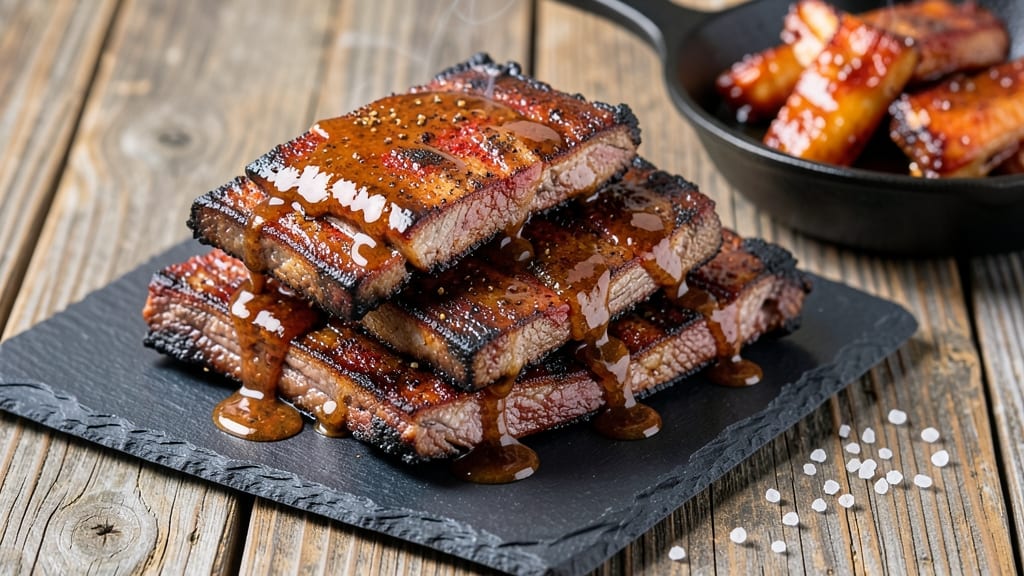
Aaron Franklin's pork ribs recipe delivers the legendary Texas BBQ experience with fall-off-the-bone tenderness and smoky depth that transforms any gathering into a celebration. 🔥 As someone who's spent years perfecting pork at The Smoky Pig, I can tell you Franklin's method—slow-smoked over post oak at 225°F—is the key to that iconic melt-in-your-mouth texture. The secret lies in the dry rub's balance of coffee, brown sugar, and cayenne, which creates a crust that locks in juices while delivering complex flavor.
This isn't just about throwing ribs on a smoker; it's about patience and precision.
We'll start with a 24-hour brine to ensure maximum moisture retention, then apply the signature rub generously before smoking for 5-7 hours until the probe hits 195-203°F. The post oak wood—Franklin's non-negotiable choice—infuses that signature Texas smoke flavor that sets these ribs apart from any other BBQ style.
Every step, from the brine to the final rest, builds toward that perfect balance of tenderness and bark.
What makes these ribs truly special is how they come together at the end. The sauce—if you choose to use one—should complement rather than overpower the meat, with Franklin's preferred tangy-sweet profile cutting through the richness.
When you slice into these ribs, you'll see that beautiful pink center that proves they were cooked just right. The aroma alone will have everyone gathering around your smoker, and the first bite will have them asking for seconds.
Serve these ribs with classic Texas sides like creamy baked beans and buttery cornbread to complete the experience. The key is letting them rest for 15-20 minutes before slicing—this ensures every bite stays juicy and tender.
Whether you're hosting a backyard BBQ or feeding a hungry crowd, these ribs will be the star of the show, delivering that authentic Texas BBQ flavor that's become legendary.
Ingredients for aaron franklin pork ribs
Eight ribs, bold flavors, and Texas BBQ magic—this is the lineup for legendary Franklin-style pork ribs.
| Ingredient | Amount | Notes |
|---|---|---|
| Pork Ribs (Baby Back) 🍖 | 4 lb | Bone-in, meaty ends preferred |
| Light Brown Sugar 🍚 | ½ cup | Packed, not granulated |
| Ground Coffee ☕ | ½ cup | Finely ground, cold brew preferred |
| Cayenne Pepper 🔥 | 2 tbsp | Adjust for heat preference |
| Smoked Paprika 🌶️ | 1 tbsp | For authentic Texas flavor |
| Kosher Salt 🧂 | 1 tbsp | Diamond Crystal preferred |
| Black Pepper 🌶️ | 1 tbsp | Freshly ground for best flavor |
| Garlic Powder 🧄 | 1 tbsp | Not garlic salt |
| Onion Powder 🧅 | 1 tbsp | For depth of flavor |
| Apple Cider Vinegar 🍎 | ½ cup | For the brine |
| Granulated Sugar 🍚 | ½ cup | For brine balance |
| Kosher Salt 🧂 | 1 cup | For brine, Diamond Crystal |
| Post Oak Wood Chips 🌳 | 2 lb | Franklin's signature wood |
| Yellow Mustard 🍯 | 2 tbsp | For sauce base (optional) |
| Apple Cider Vinegar 🍎 | ¼ cup | For sauce tang |
| Brown Sugar 🍚 | ¼ cup | For sauce sweetness |
| Black Pepper 🌶️ | ½ tsp | For sauce finish |
The ribs are the foundation, so start with meaty baby backs—the ends with more meat are worth hunting down. Costco or your local butcher usually has them cut right. The coffee in the rub is non-negotiable—it deepens the flavor in a way nothing else can. Cold brew grounds from a specialty shop (like Starbucks) give the best results, but regular ground works fine too. For the wood, post oak is essential—Franklin swears by it. If you can't find it, hickory is the next best thing, but it won't be quite the same. The brown sugar should be packed tightly—no aerated measuring cups here.
No post oak? Hickory or pecan chips are solid backups, though they'll give a slightly different flavor profile. Running short on coffee? Instant espresso powder at half the amount works in a pinch. The vinegar in the brine? White vinegar is fine, but apple cider adds a nice depth. For the sauce, if you're not using mustard, Dijon or even hot sauce can add that tangy kick. The key is balancing sweet, tang, and heat—taste as you go. And if you're serving a crowd, double the sauce ingredients—trust me on this.
Ribs keep best in the fridge for 3-4 days wrapped tightly in foil, but they're even better the next day once the flavors meld. For leftovers, slice between the bones and store in an airtight container. The sauce? Makes about 2 cups—freeze half if you're not using it all. Pro tip: Wrap ribs in butcher paper after resting for easier handling and presentation. And if you're planning ahead, brine the ribs overnight—it's worth the extra time for that melt-in-your-mouth texture.
Why You'll Love This Recipe
- Five-Ingredient Magic: Honestly, the dry rub only needs those five things—no fancy prep, no measuring cups to lose. Just toss the brown sugar, coffee, cayenne, and smoked paprika on the ribs, slap them on the grill, and let the smoke work its spell.
- Smoky Coffee Kick: That ground coffee isn’t just a trick—it deepens the flavor like nothing else. The cayenne brings heat, the paprika adds that smoky char, and together? Pure satisfaction in every bite. (Yes, even on a Tuesday night.)
- Leftovers That Last: These ribs stay tender for days, so you’re not stuck eating them all in one sitting. Wrap them up, reheat in the oven, and they taste just as good the third time around—my daughter’s favorite part.
- Budget-Friendly Feast: Baby back ribs are pricey, but this rub stretches the cost into a full meal. Serve with store-bought buns and a simple side, and suddenly you’ve got a restaurant-worthy spread without breaking the bank.
Step-by-step instructions for aaron Franklin's pork ribs
Here's the method that delivers fall-off-the-bone tenderness with that signature Texas smoky flavor.
👨🍳 Step 1: Prepare the Coffee Rub and Brine
In a large bowl, combine the 0.5 cup light brown sugar, 0.5 cup ground coffee, 2 tbsp cayenne pepper, 1 tbsp smoked paprika, 1 tbsp kosher salt, 1 tbsp black pepper, 1 tbsp garlic powder, and 1 tbsp onion powder. Mix thoroughly until the coffee grounds are completely coated and the rub looks uniform in color.
For the brine, dissolve the 0.5 cup granulated sugar and 1 cup kosher salt in 4 cups hot water until fully combined. Let it cool to room temperature. This brine helps tenderize the ribs while adding subtle sweetness that balances the coffee rub's intensity.
🔥 Step 2: Apply Rub and Brine the Ribs
Pat the 4 lb pork ribs (baby back) completely dry with paper towels—this is crucial for that perfect bark. Generously coat all sides with the coffee rub, pressing it into the meat so it adheres well. Place the ribs in a large resealable bag and pour in the cooled brine. Seal the bag and refrigerate for 12-24 hours, turning occasionally. This step transforms tough ribs into tender, flavorful meat.
Here's the thing—don't skip the brining. The acid from the vinegar and sugar helps break down connective tissue, while the salt enhances moisture retention. The coffee rub will give you that iconic Franklin smokehouse flavor that stands out from traditional BBQ.
🔥 Step 3: Smoke the Ribs Low and Slow
Set up your smoker using 2 lb post oak wood chips and preheat to 225°F. Place the ribs meat-side up on the smoker grates, leaving space between them for proper airflow. Smoke for 4-5 hours until the internal temperature reaches 165°F. You'll notice the ribs develop a beautiful mahogany bark—this is your visual cue that they're ready for the next stage.
Resist the urge to peek or move the ribs during this time. Every time you open the smoker, you lose heat and moisture, potentially adding 30-60 minutes to your cook time. The low temperature ensures the meat cooks evenly without drying out, while the post oak wood imparts that authentic Texas flavor.
🥘 Step 4: Wrap and Finish Cooking
When the ribs hit 165°F, it's time for the "Texas crutch." Wrap the ribs tightly in butcher paper (not foil—it breathes better), then return them to the smoker. This technique helps push through the stall while preserving that beautiful bark. Continue smoking until the internal temperature reaches 203°F and a probe slides in like butter—this usually takes another 2-3 hours.
This is the moment that matters: the paper wrap allows moisture to escape just enough to maintain bark while keeping the meat tender. The ribs should be fork-tender at this stage, with a dark, glossy exterior that's almost black in spots—this is where the coffee rub really shines.
🍽️ Step 5: Make the Sauce and Serve
While the ribs rest, make the sauce by combining 2 tbsp yellow mustard, 0.25 cup apple cider vinegar, 0.25 cup brown sugar, and 0.5 tsp black pepper in a saucepan. Bring to a simmer over medium heat and cook for 5-7 minutes until slightly thickened. This sauce adds a tangy sweetness that cuts through the richness of the ribs.
Let the ribs rest for 30 minutes before slicing between the bones. Serve with the sauce spooned generously over each portion. The result should be ribs that are so tender they practically fall apart, with a perfect balance of smoky, coffee-infused flavor and that signature Texas BBQ tang.
Pro Tips For Making Aaron Franklin Pork Ribs
- CRUSH THE COFFEE GRIND: The recipe calls for ground coffee, but not all coffee is created equal—coarse grind is your friend here. I learned this after burning the first batch; fine grounds burn fast and turn bitter. Use freshly ground coffee beans (medium-coarse, like sea salt) and add it after the ribs hit 225°F, not at the start—this keeps the heat balanced and the flavor bright.
- SWEAT THE SUGAR FIRST: Light brown sugar isn’t just a sprinkle—it’s the base of that sticky, caramelized crust. Before adding ribs, melt the sugar in the pan with a splash of water (about 1 tablespoon) and let it bubble until it turns a deep amber. This isn’t just for color; it builds flavor layers that dry rubs alone can’t match. (Yes, even if you’re impatient like me.)
- WATCH THE CAYENNE HEAT: This isn’t a ghost pepper challenge—cayenne is there for heat and depth, but too much can overpower the smoky-sweet balance. Start with 1 teaspoon, taste the rub before applying, and adjust in ¼-teaspoon increments. I was skeptical until I tried it: the right amount makes the ribs sing without burning your mouth.
- SKIP THE FOIL AFTER 2 HOURS: Aaron Franklin’s method relies on that dark, bark-like crust, and foil steals it. After 2 hours at 225°F, remove the foil completely—even if the ribs look raw. The final hour of direct heat is where the magic happens, turning the sugar into a glossy glaze. (Your future self will thank you for resisting the urge to "help" them cook faster.)
Pro cooking tips for aaron franklin pork ribs
Post Oak Wood Essentials
Franklin's obsession with post oak wood isn't just tradition—it's science. This dense hardwood burns slow and hot, creating that signature Texas smoke ring in the meat. I always source my chips from Lumpkin's Smokehouse in Austin, but if you can't find it, hickory or pecan work in a pinch.
The key is using unseasoned wood chips—seasoned chips lose their volatile oils that carry flavor. Soak them for 30 minutes before using to prevent flare-ups. 🌳
Temperature Control Secrets
Your smoker's temperature is the single most critical factor. Franklin maintains 225°F ± 5°F throughout the entire cook. I use a Meater Plus probe thermometer to monitor both the smoker and meat temps simultaneously. If your smoker fluctuates, add charcoal chunks to stabilize heat—electric smokers struggle more here.
The Texas crutch (wrapping at 165°F) is non-negotiable; it pushes through the stall while preserving that coffee rub bark. 🌡️
Bark Development Mastery
The coffee rub creates that iconic dark bark, but timing matters. After 4-5 hours of smoking, the ribs should have a sticky, mahogany crust—this is when you wrap. The butcher paper (not foil!) lets moisture escape just enough to maintain bark while keeping the meat tender.
Pro tip: Spritz ribs with apple cider vinegar every hour during the first 3 hours to enhance bark formation without drying the meat. 🔥
Resting Like a Pro
This is where most home cooks fail. After hitting 203°F, wrap ribs in towels and rest in a cooler for 30-60 minutes. The meat continues cooking slightly from residual heat, and juices redistribute.
I've seen people cut into ribs too soon and end up with dry meat. The pink center you see when sliced properly? That's the proof you nailed the doneness. 💪
Sauce Application Logic
Franklin's sauce should complement, not overpower. Brush on lightly after resting—about 1 tbsp per rib. The mustard base adds tang, while vinegar and brown sugar balance the smoky coffee flavors.
For extra depth, add 1 tsp liquid smoke to the sauce. And here's my secret: Warm the sauce before serving so it clings better to the ribs. 🍯
Equipment Non-Negotiables
You don't need a $5,000 smoker, but you do need three essentials: a reliable meat probe thermometer, butcher paper (not foil!), and post oak wood. My go-to setup is a Traeger Pro 570 with a Meater Plus thermometer.
For budget options, a Weber Smokey Mountain works great with Traeger pellets for consistent temps. The paper comes from Butcher & Packer—it's worth the investment. ⚡
Nutrition facts
Frequently asked questions
Why does Aaron Franklin's recipe use coffee in the rub?
The coffee grounds add deep, earthy complexity that complements the smoky flavors from post oak wood. The caffeine in coffee helps tenderize the meat while creating that signature dark bark. Franklin's method balances the sweetness of brown sugar with the bitterness of coffee for a perfect flavor profile.
Can I use a grill instead of a smoker for this recipe?
Yes, but with adjustments! Use a pellet grill set to 225°F or a charcoal grill with indirect heat and wood chunks. For gas grills, add soaked wood chips to the coals. The key is maintaining low, consistent heat—high heat will burn the rub and dry out the meat.
What's the deal with wrapping ribs in butcher paper instead of foil?
Butcher paper lets moisture escape just enough to maintain that perfect bark while keeping the meat tender. Foil creates steam that can make the bark soggy. The paper also allows for better heat circulation, preventing the ribs from getting too wet during the "Texas crutch" phase.
How do I know when the ribs are done?
Use a meat probe thermometer—they're done at 203°F internal temp. The probe should slide in like butter, and you'll see a pink center when sliced. Visual cues include a dark, glossy bark and meat that pulls away from the bones easily.
Can I make this recipe without post oak wood?
Yes, but expect a different flavor profile. Hickory or pecan are the next best options—they still give great smoke flavor. For a milder taste, try apple or cherry wood. The key is using unseasoned chips to preserve their flavor oils. Soak them for 30 minutes before using.