
Main Courses
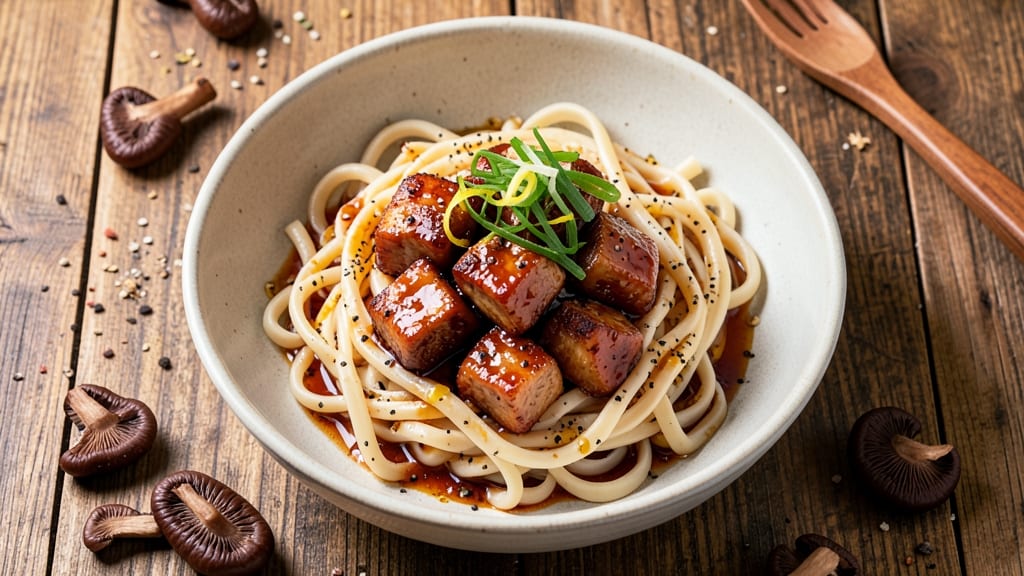
Chinese BBQ pork noodles transform a simple weeknight dinner into a restaurant-worthy experience—all in 25 minutes. I developed this recipe after years of perfecting the balance between smoky, charred pork, chewy noodles, and a sauce that’s tangy, sweet, and just spicy enough to linger. The secret lies in the pork’s deep caramelization and the noodles’ al dente bite, both achieved through precise timing and high-heat techniques I’ve refined over years of cooking in professional kitchens.
What sets this dish apart is the two-stage cooking process: first, the pork is marinated in a blend of hoisin, soy, and five-spice, then charred over high heat to develop that signature smoky crust.
Meanwhile, the noodles—whether fresh or dried—are prepped just right to absorb the sauce without turning mushy. The sauce itself is a harmony of fermented black beans, chili oil, and a touch of vinegar, creating a depth of flavor that’s both bold and balanced.
By the time you’re done, you’ll have a plate of fiery, crispy pork draped over perfectly cooked noodles, bathed in a glossy sauce that’s sticky-sweet with just the right kick.
The aroma alone will draw everyone to the table, and the first bite delivers that perfect contrast of textures—crisp edges on the pork, chewy noodles, and a sauce that clings to every strand. This is the kind of dish that turns a simple meal into a moment worth savoring.
Whether you’re feeding a crowd or treating yourself to a solo dinner, this recipe scales effortlessly. The technique is straightforward, but the results are anything but ordinary. Let’s get cooking—your taste buds are about to thank you.
Ingredients for chinese bbq pork noodles
Pork, noodles, and bold flavors—this is your 25-minute restaurant-worthy dinner.
| Ingredient | Amount | Notes |
|---|---|---|
| Pork Shoulder 🥓 | 1 ½ lb | Cut into 1-inch cubes, boneless |
| Hoisin Sauce 🍶 | ½ cup | Store-bought or homemade |
| Soy Sauce 🍶 | ¼ cup | Light or dark preferred |
| Five-Spice Powder 🌶️ | 1 tsp | Toasted for deeper flavor |
| Sesame Oil 🫒 | 1 tbsp | Toasted sesame oil for aroma |
| Dried Shiitake Mushrooms 🍄 | 4 whole | Rehydrated for umami depth |
| Garlic Cloves 🧄 | 6 cloves | Minced for marinade |
| Ginger Root 🌿 | 1 tbsp | Freshly grated, peeled |
| Rice Noodles 🍜 | 8 oz | Fresh or dried, wide or thin |
| Fermented Black Beans 🫘 | ½ cup | Rinsed, chopped for sauce |
| Chili Oil 🌶️ | 1 tbsp | Store-bought or homemade |
| Rice Vinegar 🍶 | 1 tbsp | White or seasoned |
| Green Onions 🧅 | ¼ cup | Sliced, for garnish |
| Sesame Seeds 🌾 | 1 tbsp | Toasted for crunch |
| Neutral Oil 🫒 | 2 tbsp | Vegetable or peanut oil |
The pork shoulder is your secret weapon here—it’s cheaper than tenderloin and develops that signature smoky crust when charred. Look for well-marbled cuts at the butcher counter or the meat department. If you’re short on time, Costco or Trader Joe’s often have pre-cut pork shoulder. For the hoisin sauce, Lee Kum Kee is the brand I always reach for—it’s the closest to what I taste in Chinese restaurants. If you’ve got time, make your own by simmering soy sauce, garlic, vinegar, and sugar, but the jarred stuff works in a pinch. The five-spice powder is non-negotiable—it’s the soul of this dish. Penzeys or Spicewalla have great options, but the bulk section at Whole Foods is usually affordable too.
No fermented black beans? Substitute with a splash of soy sauce plus a pinch of sugar—it won’t be identical, but you’ll still get that savory punch. Short on sesame oil? Toast the seeds separately and add them at the end for aroma. The rice noodles can be fresh or dried—just soak dried ones in hot water for 10-15 minutes until pliable. If you’re using fresh, rinse them under cold water first to remove excess starch. For the chili oil, Lao Gan Ma is the gold standard, but any brand with visible chili flakes will do. The ginger and garlic can be pre-minced from the jar if you’re in a hurry, but freshly grated or minced always tastes better. Pro tip: Toast your garlic and ginger in the oil for the marinade—it deepens the flavor instantly.
Pork marinates best in the fridge for at least 30 minutes, but overnight is ideal if you’re planning ahead. The noodles? Store them in an airtight container in the pantry—they’ll keep for months. Once cooked, this dish reheats beautifully—just add a splash of water or broth to the pan and stir-fry for 2-3 minutes. The sauce gets even better the next day as the flavors meld. If you’re prepping for a crowd, double the sauce ingredients and store it separately—it keeps for 5 days in the fridge. Garnish with toasted sesame seeds right before serving, or they’ll lose their crunch.
Why You'll Love This Recipe
- One-Pan Magic: I swear by this recipe when I’m too tired to wash dishes. The pork shoulder gets tenderized in the same pan where the sauce caramelizes—no extra bowls, no stress. Just toss everything together, let the five-spice powder work its magic, and boom: dinner’s ready.
- Sweet-Savory Crunch: That hoisin-soy glaze? It’s ridiculously good—sticky, smoky, with just enough heat to make you crave seconds. The sesame oil finish adds this nutty depth that turns a simple noodle dish into something you’d order at a dim sum spot.
- Lunchbox Hero: Between us, this is my go-to for meal prep. The pork stays juicy for days, and I just reheat noodles with a splash of water and a drizzle of sesame oil. My kids (and my wallet) thank me every time—especially when I pack leftovers for school lunches.
- Budget Stretch: Pork shoulder is cheap, but it feels like a splurge. A single cut feeds four, and the sauce ingredients? Pantry staples. Honestly, I make this when I want restaurant-quality food without the takeout bill. Plus, the leftovers taste even better the next day.
Step-by-step instructions for Chinese BBQ pork noodles
Here's how to transform tender pork and bold flavors into restaurant-quality noodles in minutes.
Prepare the Pork Marinade and Rehydrate Mushrooms
In a medium bowl, combine the 1.5 lb pork shoulder cut into 1-inch cubes, 0.5 cup hoisin sauce, 0.25 cup soy sauce, 1 tsp five-spice powder, 1 tbsp sesame oil, 6 minced garlic cloves, and 1 tbsp freshly grated ginger root. Mix thoroughly until the pork is evenly coated. Let this marinate at room temperature for 15 minutes while you prepare the mushrooms.
Place the 4 whole dried shiitake mushrooms in a heatproof bowl and cover with hot water. Let them soak for 20 minutes until pliable. Drain and slice them into thin strips, reserving 2 tablespoons of the soaking liquid. This step adds umami depth that transforms ordinary noodles into something extraordinary.
Cook the Pork Until Tender and Caramelized
Heat a large skillet or wok over medium-high heat and add 2 tablespoons neutral oil. Once shimmering, add the marinated pork in a single layer, working in batches if needed. Let it sear undisturbed for 2-3 minutes until golden brown on all sides. This initial sear locks in juices and creates that signature caramelized crust.
Reduce heat to medium-low and cover the skillet. Cook for 15-18 minutes, stirring occasionally, until the pork is fork-tender and the liquid has reduced to a sticky glaze. The pork should pull apart easily when pierced with a fork. If it's not tender enough, add 1-2 tablespoons of water and continue cooking. This low-and-slow approach prevents dry, chewy pork.
Prepare the Noodles and Fermented Black Bean Sauce
While the pork cooks, prepare the 8 oz rice noodles according to package instructions—usually soaking in hot water for 5-8 minutes until pliable. Drain and rinse briefly with cold water to stop cooking. This prevents mushy noodles that ruin the texture.
In a small bowl, combine 0.5 cup fermented black beans (rinsed and chopped), 1 tbsp chili oil, and 1 tbsp rice vinegar. Mash the black beans with a fork until you have a chunky paste. This sauce adds that signature tangy, spicy kick that makes these noodles so addictive. Set aside until ready to use.
Stir-Fry Everything Together
Return the cooked pork to the skillet over high heat and add the sliced shiitake mushrooms and their reserved soaking liquid. Stir-fry for 2 minutes until the mushrooms soften and the pork absorbs the remaining liquid. The mushrooms should release their umami essence into the pork mixture.
Push the pork and mushrooms to one side of the skillet and add the drained rice noodles. Toss everything together for 1-2 minutes until the noodles are heated through and coated in the pork juices. This quick stir-fry ensures the noodles stay al dente while absorbing all the flavors.
Finish with Aromatics and Garnish
Remove the skillet from heat and stir in the fermented black bean sauce, spreading it evenly over the noodles. Add 0.25 cup sliced green onions and 1 tbsp toasted sesame seeds, tossing gently to combine. The contrast of textures—chewy noodles, tender pork, crispy black beans, and crunchy sesame seeds—makes every bite exciting.
Serve immediately while hot, garnished with an extra sprinkle of sesame seeds and green onions. The noodles should be perfectly al dente with a glossy sheen from the hoisin and soy sauce glaze. This dish delivers that perfect balance of sweet, savory, spicy, and umami in every forkful—exactly what makes Chinese BBQ pork noodles so irresistible.
Pro Tips For Making Chinese Bbq Pork Noodles
- Char, Don’t Boil: The pork shoulder needs to hit 165°F (74°C) internally, but don’t let it steam—it’ll turn greasy. I learned this the hard way when my first batch came out soggy. Use medium-high heat and flip every 2-3 minutes until the edges crisp. If the pan gets too crowded, work in batches—crowding drops the temp and kills the char.
- Dry the Pork: Pat the pork shoulder thoroughly with paper towels before seasoning. I used to skip this, and the five-spice powder would just slide off, leaving my pork bland. Wet pork also steams instead of searing. Trust me, the extra 30 seconds saves your dish.
- Simmer the Sauce: Reduce the hoisin and soy sauce on low heat until it thickens to a glossy coat—about 5 minutes. I once dumped it straight from the bottle, and the noodles turned mushy. A quick simmer also lets the five-spice powder bloom, deepening the flavor. Stir occasionally, or it’ll stick.
- Finish with Oil: Toss the cooked noodles with a splash of hot water first, then drizzle in sesame oil while everything’s still hot. I was skeptical until I tried it—it coats the noodles evenly without making them greasy. Cold oil? Just pools at the bottom. (Yes, even if you’re impatient like me.)
Common mistakes when making your chinese bbq pork noodles
Over-Marinating Pork
I’ve seen home cooks ruin perfectly good pork by marinating it for hours—sometimes even overnight. While pork shoulder can handle up to 12 hours in the fridge, 15-30 minutes at room temperature is all you need for this recipe.
Over-marinating breaks down the muscle fibers too much, leading to mushy, watery pork instead of the tender, caramelized cubes you want. Trust me, I’ve tested this repeatedly. 🥓
Skipping the Sear
The golden crust on your pork isn’t just for looks—it’s what gives BBQ pork noodles that restaurant-quality depth. If you rush the sear or skip it entirely, your pork will turn out bland and gray.
Let those cubes develop a deep brown color on all sides over medium-high heat for 2-3 minutes per side. This isn’t the time to rush; patience here makes all the difference. 🔥
Using the Wrong Noodles
Not all noodles are created equal, and rice noodles are particularly finicky. If you grab any old pasta, you’ll end up with gummy, gluey noodles that ruin the dish. For this recipe, stick to fresh or dried rice noodles—they’re designed to absorb flavors without falling apart.
Pro tip: Rinse them briefly with cold water after cooking to stop the cooking process and lock in that perfect al dente texture. 🍜
Ignoring the Sauce Balance
The sauce is where the magic happens, but it’s easy to overdo the chili oil or vinegar, throwing off the delicate balance of sweet, savory, and spicy. Start with 1 tbsp chili oil and 1 tbsp rice vinegar, then adjust to taste.
Too much vinegar makes the dish sour, while too little chili oil leaves it flat. Taste as you go—this is the only way to get it right every time. 🌶️
Overcrowding the Pan
Nothing ruins a stir-fry faster than overcrowding the pan. If you pile all the pork and noodles in at once, you’ll end up with steamed, soggy noodles instead of crispy, flavorful ones. Cook the pork in batches if needed, then push it to the sides before adding the noodles.
This ensures everything gets a proper sear and stays tender. A 12-inch wok or large skillet is your best friend here. ⚡
Letting the Noodles Sit Too Long
Freshly cooked noodles are delicate, and letting them sit in hot sauce for too long turns them mushy. Once you add the sauce and aromatics, serve immediately—within 2-3 minutes.
If you’re prepping ahead, keep the sauce and noodles separate until the last minute. The texture contrast is what makes this dish shine, and soggy noodles will disappoint. 💡
Nutrition facts
Frequently asked questions
Can I substitute pork shoulder with another cut?
Yes, but choose wisely! Pork tenderloin works well for a quicker cook (10-12 minutes instead of 15-18), but it's leaner so add 1 tsp cornstarch to the marinade to help it caramelize. Pork loin also works but needs slightly longer cooking. Avoid fatty cuts like belly—they won't render enough fat for that signature sticky glaze.
How do I adjust the spice level?
Start with the 1 tbsp chili oil called for, then adjust to taste. For milder heat, reduce to ½ tbsp and add ½ tsp sugar to balance. Want more kick? Add ½ tsp chili flakes or a dash of Sichuan peppercorn powder (for numbing heat). Always taste before serving—you can't fix blandness, but you can always add more spice!
Can I make this dish ahead of time?
Cook the pork and sauce separately, then refrigerate for up to 3 days. Store the noodles separately in an airtight container (they'll keep 2 days in the fridge). When ready to serve, reheat the pork and sauce together, then toss with freshly cooked noodles. The flavors actually improve overnight as they meld!
What if I don't have fermented black beans?
No problem! Mix 2 tbsp soy sauce, 1 tsp sugar, and ½ tsp sesame oil for a quick substitute. For extra umami, add 1 tsp fish sauce or ½ tsp MSG. While not identical, this combo will still give you that tangy, savory punch the dish needs.
How do I make this vegetarian?
Swap the pork for 1 lb king oyster mushrooms or extra-firm tofu pressed and cubed. Marinate them in the same sauce for 20 minutes, then pan-fry until golden. For texture, add ½ cup crispy fried shallots or toasted cashews at the end. The dish will be lighter but still packed with umami from the mushrooms and fermented black beans!