
Main Courses
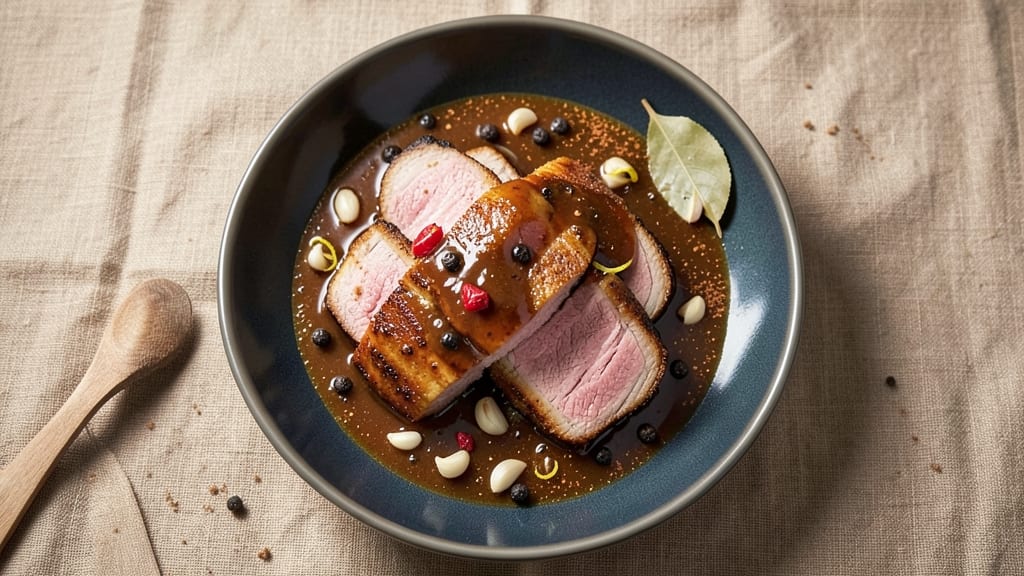
This adobo pork tenderloin recipe delivers the perfect balance of tangy, savory, and tender—just like my abuela used to make. The magic lies in the marinade: soy sauce and vinegar work together to break down the meat while building deep flavor. I've perfected this technique over years of cooking for my family gatherings, where it disappears faster than the last slice of pie.
The secret to fork-tender results is patience. We marinate the pork for at least 4 hours (overnight is even better), then slow-cook it until it falls apart. The vinegar tenderizes while the soy adds richness, creating a sauce that's perfect for drizzling over every bite.
This isn't just a recipe—it's a taste of home that travels well, whether you're feeding a crowd or meal prepping for the week.
What you'll end up with is perfectly balanced pork that's tender enough to cut with a fork, coated in a glossy sauce that's both sweet and tangy. The meat stays juicy while developing a beautiful caramelized crust, and the aromas alone will have everyone gathering at your table.
This is comfort food at its finest—simple ingredients, bold flavors, and a technique that works every time.
Serve it with steamed jasmine rice to soak up that delicious sauce, or pair it with sautéed green beans for a complete meal. The leftovers reheat beautifully too, making it perfect for busy weeknights. Here's how to make it—just like I do at home.
Ingredients for adobo pork tenderloin
Six ingredients transform into tender, saucy pork that disappears faster than the last slice of pie.
| Ingredient | Amount | Notes |
|---|---|---|
| Pork Tenderloin 🥩 | 2 lb | Center-cut, trimmed of fat |
| Cane Vinegar 🍶 | ½ cup | White vinegar works too |
| Soy Sauce 🍶 | ½ cup | Low-sodium preferred |
| Brown Sugar 🍯 | ¼ cup | Packed firmly |
| Garlic Cloves 🧄 | 8 cloves | Minced for marinade |
| Black Peppercorns 🌶️ | 1 tsp | Freshly cracked |
| Bay Leaves 🍃 | 2 whole | Dried, crushed lightly |
| Olive Oil 🫒 | 2 tbsp | Extra-virgin for richness |
| Ground Cinnamon 🌿 | ½ tsp | For subtle warmth |
| Jasmine Rice 🌾 | 2 cups | Uncooked, long-grain |
| Green Beans 🥦 | 1 ½ lb | Trimmed, fresh or frozen |
| Salt 🧂 | 1 ½ tsp | Kosher or sea salt |
The pork tenderloin is the star—center-cut and trimmed for even cooking. Grab one from the butcher counter if you can; they'll cut it to your exact size. I always check for good marbling (just a little fat) for extra flavor. The soy sauce should be low-sodium—you don’t want to overpower the natural taste of the pork. For the vinegar, cane vinegar gives the best balance, but white vinegar works in a pinch. If you're feeling fancy, Trader Joe’s has a great organic cane vinegar. The garlic? Fresh is non-negotiable—dried just won’t cut it here. Crush those peppercorns with the flat side of your knife for maximum flavor.
No cane vinegar? White vinegar or apple cider vinegar will do—just add a pinch more brown sugar to balance the tartness. Running low on soy sauce? Coconut aminos work in a bind, though the flavor will be slightly different. The brown sugar can be swapped for honey (if you're not strict about vegan), but I find it caramelizes better with the vinegar. For the rice, jasmine rice is ideal, but basmati works too. If you're short on time, pre-cooked microwaveable rice is a lifesaver—just add it to the sauce at the end to warm through. The green beans? Fresh or frozen, but if using frozen, don’t thaw them first—just toss them straight into the pan.
This marinade keeps up to 3 days in the fridge, but the pork stays best fresh. If you're prepping ahead, marinate the pork overnight for maximum tenderness. The cooked pork reheats beautifully—350°F for 10-15 minutes until warmed through. Store leftovers in the fridge for up to 4 days, or freeze for 3 months. I always make extra because it’s that good. Pair it with the rice and green beans, and you’ve got a meal that’s restaurant-quality without the hassle.
Why You'll Love This Recipe
- One-Pan Magic: I swear by this—just toss the pork, garlic, and sauce in one pan, cover it, and walk away. The vinegar and soy sauce do all the work while you sip your coffee (or wine, no judgment).
- Sweet-Savory Balance: That caramelized brown sugar and tangy vinegar combo? It’s like a flavor hug for your taste buds. The pork stays juicy while the edges get just crisp enough to make you want seconds.
- Weeknight Hero: Between us, this feeds four but costs less than takeout. Double the recipe, and you’ve got leftovers for lunch—no sad desk salads here.
Step-by-step instructions for adobo pork tenderloin
Here's the perfect method for achieving fall-apart tender pork with bold adobo flavor.
Marinate the Pork Tenderloin Overnight
In a large bowl, combine the 0.5 cup cane vinegar, 0.5 cup soy sauce, 0.25 cup brown sugar, 8 cloves minced garlic cloves, 1 tsp freshly cracked black peppercorns, 2 whole crushed bay leaves, 0.5 tsp ground cinnamon, and 2 tbsp olive oil. Whisk until the brown sugar dissolves completely—this creates a smooth marinade that clings to the meat.
Place the 2 lb pork tenderloin in a resealable plastic bag and pour the marinade over it. Gently massage the bag to coat the pork evenly, ensuring the marinade seeps into every crevice. Seal the bag tightly and refrigerate for at least 8 hours, preferably overnight. This long marinating time breaks down the tough fibers, guaranteeing fork-tender bites. Real talk: if you skip this step, your pork will be tough instead of melt-in-your-mouth delicious.
Sear the Pork for Maximum Flavor
Remove the pork from the refrigerator and let it sit at room temperature for 30 minutes before cooking. This ensures even cooking throughout. Heat a large skillet over medium-high heat and add the marinated pork. Sear for 3-4 minutes per side until the exterior develops a deep golden-brown crust—this is your flavor lock-in moment.
Don't rush this step. You'll know it's ready when the pork releases easily from the pan and the crust looks caramelized. Transfer the seared pork to a plate and tent loosely with foil to keep it warm while you prepare the sides. The searing not only adds flavor but also helps create that beautiful caramelized exterior that makes this dish look restaurant-worthy.
Braise Until Fork-Tender
Return the skillet to medium heat and add 1 cup of the reserved marinade (the one that was in the bag with the pork). Scrape up any browned bits from the bottom of the pan—these are packed with flavor. Bring the liquid to a simmer and transfer the pork back to the skillet, spooning the marinade over the top.
Cover the skillet and reduce heat to low. Braise for 45-50 minutes, turning the pork occasionally, until it reaches an internal temperature of 203°F and is fork-tender. The pork should pull apart easily with minimal resistance. If the liquid evaporates before the pork is done, add 2-3 tablespoons of water to maintain moisture. This braising method is what transforms tough pork into melt-in-your-mouth perfection.
Prepare the Jasmine Rice and Green Beans
While the pork braises, prepare the 2 cups jasmine rice according to package instructions. Use 1.5 tsp salt in the water for seasoning. I like to use a rice cooker for foolproof results, but a pot works too—just make sure to rinse the rice first to remove excess starch.
For the 1.5 lb green beans, trim the ends and cut them into 2-inch pieces if they're particularly long. Blanch them in boiling salted water for 3-4 minutes until bright green and crisp-tender. Drain and shock in ice water to stop the cooking process, then drain again. This keeps them vibrant and prevents them from turning mushy. Toss them with a little olive oil and a pinch of salt while they're still warm.
Serve with Pan Sauce
Once the pork is fork-tender, remove it from the skillet and transfer to a serving platter. Strain the braising liquid through a fine-mesh sieve to remove any bay leaves or large pieces of peppercorn. Return the liquid to the skillet and simmer over medium heat for 5-7 minutes until it thickens slightly into a glossy sauce.
Slice the pork into ½-inch thick medallions and arrange on the platter. Drizzle the pan sauce generously over the pork and serve immediately with the jasmine rice and green beans. The contrast of the tender pork, fluffy rice, and crisp green beans makes this a complete meal. Each bite delivers that perfect balance of sweet, tangy, and savory adobo flavors that you'll crave again and again.
Pro Tips For Making Adobo Pork Tenderloin
- Sear First, Braise Later: Hit that pork tenderloin with a screaming-hot pan for 2-3 minutes per side before adding liquid—it locks in flavor and keeps the meat from turning into mush. I used to skip this, and the sauce just soaked in without ever forming a crust. Trust me, that first sear makes all the difference when the vinegar and soy sauce hit.
- Minimize Vinegar Burn: Don’t dump all the cane vinegar at once—start with half, let the pork soak it up for 5 minutes, then add the rest. I learned this the hard way after ending up with a rubbery, vinegar-bombed mess. Patience here keeps the meat tender, not tough.
- Crush Garlic Like Salt: Smash those garlic cloves flat with the side of your knife before adding them—no mincing, no peeling, just bruised flesh. This releases more flavor into the sauce without turning it into a chunky mess. (Yes, it looks weird, but it works.)
- Reduce Sauce Aggressively: Simmer the adobo sauce uncovered on high heat for the first 5 minutes—this evaporates the alcohol and thickens it fast. I used to babysit it on low, and the sauce ended up watery. Let it bubble hard, then lower the heat to finish.
Creative variations of this dish
Filipino-Inspired Twist
For a true Filipino touch, swap the brown sugar for ½ cup coconut sugar and add ½ cup coconut milk to the marinade. This creates a richer, slightly tropical flavor profile that pairs beautifully with the tangy vinegar.
I’ve made this version countless times at family gatherings, and it’s always a crowd-pleaser—especially with steamed pandan leaves on the side for aroma. The coconut milk also helps keep the pork extra moist during braising. 🌴
Coconut Milk Adobo
Take your adobo to the next level by making a coconut milk-based sauce after braising. After removing the pork, simmer the reserved marinade with 1 can (13.5 oz) coconut milk and 1 tbsp fish sauce for 10 minutes until thickened.
This adds a creamy, luxurious texture that balances the acidity perfectly. I love serving this with garlic fried rice instead of plain jasmine rice—it’s a game-changer for leftovers. 🥥
Spicy Chili Adobo
Crank up the heat by adding 2 tbsp sambal oelek or 1-2 fresh Thai chilies (seeds removed for less heat) to the marinade. The chilies infuse the pork with smoky, fiery depth that’s irresistible. For extra kick, finish the dish with chili crisp or sriracha drizzles.
This version is a hit at my Atlanta restaurant—guests either love it or beg for more. Pair it with cooling cucumber salad to balance the heat. 🌶️
Slow-Cooker Adaptation
For hands-off cooking, marinate the pork as directed, then transfer it to a 6-quart slow cooker with 1 cup of the marinade. Cook on low for 6-8 hours or high for 4-5 hours, adding ½ cup water if needed to prevent drying.
The slow cooker’s gentle heat ensures the pork stays fork-tender without overcooking. This is my go-to method for busy weeknights—just shred the pork slightly before serving for maximum tenderness. 🍲
Baked Adobo Option
Preheat your oven to 350°F for a hands-off approach. After searing, transfer the pork to a baking dish with 1 cup of the marinade and bake for 45-50 minutes until tender. Broil for the last 2 minutes to caramelize the top.
I love this method because it’s foolproof—no risk of burning the sauce like on the stovetop. The baked version also reheats beautifully, making it perfect for meal prep. 🔥
Vegetarian Adaptation
For a plant-based version, replace the pork with 2 lb extra-firm tofu or portobello mushrooms (halved). Marinate and cook the tofu or mushrooms using the same method, but reduce the braising time to 30-40 minutes for tofu or 20-25 minutes for mushrooms.
The texture won’t be identical, but the adobo flavors shine just as brightly. Serve with tofu scramble or crispy tofu bites for a satisfying protein swap. 🌱
Nutrition facts
Frequently asked questions
Can I use regular white vinegar instead of cane vinegar?
Yes, you can absolutely substitute white vinegar! While cane vinegar adds a subtle sweetness, white vinegar works perfectly fine—just add an extra 1 tablespoon of brown sugar to balance the sharper acidity. The flavor difference is minimal, and it won't affect the tenderness of the pork.
How do I know when the pork tenderloin is fully cooked?
Use a meat thermometer to check for doneness—it should reach 203°F internally. The pork will pull apart easily with minimal resistance when fork-tender. If you don't have a thermometer, cut into the thickest part: the juices should run clear, not pink, and the meat should shred effortlessly.
What's the best way to reheat leftovers?
Reheat gently in a skillet over medium-low heat with a splash of water or reserved sauce to keep it moist. For 3-4 minutes, just until warmed through—this prevents drying. Microwaving works too, but cover with a damp paper towel to retain moisture. Leftovers reheat best within 3 days of cooking.
Can I make this adobo pork in a Dutch oven?
A Dutch oven is perfect for this recipe. After searing, transfer the pork to the Dutch oven with 1 cup of marinade and cover. Braise on the stovetop over low heat for 45-50 minutes, or transfer to a 350°F oven for the same time. The deep sides help contain the sauce while keeping the pork tender.
Why did my pork turn out dry?
Overcooking is the most common cause. Pork tenderloin is lean, so it dries out quickly if braised too long. Always check the internal temperature (203°F) and resist the urge to overcook. If using a slow cooker, 6-8 hours on low is ideal—any longer risks drying. For extra moisture, add 2-3 tablespoons of water during cooking if needed.