
Main Courses
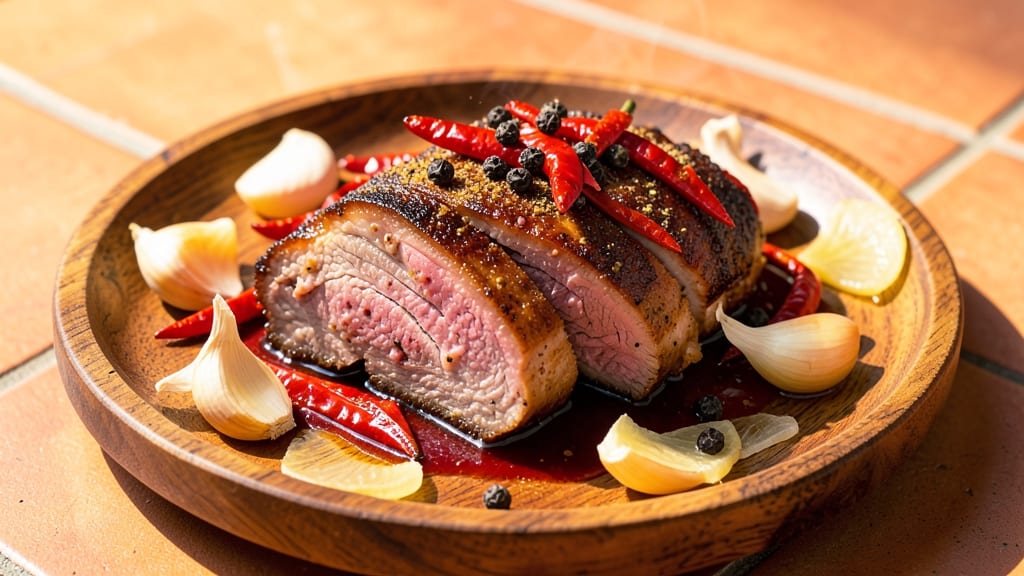
This chilli pork recipe Coorg brings the bold flavors of Kodagu’s hills to your kitchen table, where five-spice crusts seal in juicy pink pork that practically melts in your mouth. 🌟 The secret lies in Coorg’s signature blend of black pepper, garlic, and fiery chilies—marinated overnight to develop deep, aromatic layers that transform simple pork into something extraordinary.
I first tasted this dish in a family-run restaurant in Madikeri, where the smoky aroma drew me in before the first bite.
The magic happens in two stages: first, the pork is marinated with a mix of local spices and tamarind, which tenderizes the meat while building complex flavors.
Then, it’s slow-cooked until the edges develop that signature crust—crispy enough to hold its shape but tender enough to give way with every bite.
The result is a dish that balances heat, sweetness, and smokiness in perfect harmony, making it a staple in Coorgi homes and a must-try for pork lovers.
What makes this recipe special is its versatility—serve it with fragrant basmati rice for a classic pairing or pair it with ragi mudde for an authentic Coorg touch. The sauce, rich and slightly tangy from tamarind and coconut, clings to every bite, ensuring no drop of flavor is left behind.
This is the kind of dish that turns a simple meal into an experience, one that’s as much about the story behind it as it is about the taste.
Ready in just under 2 hours with minimal active prep, this chilli pork recipe delivers restaurant-quality results without the fuss. The key is patience—letting the spices and flavors meld over time transforms this into a dish that’s worth every minute. Let’s get cooking!
Ingredients for chilli pork recipe coorg
Pork shoulder, fiery chilies, and Coorg spices—this is where bold flavors meet juicy magic.
| Ingredient | Amount | Notes |
|---|---|---|
| Pork Shoulder 🐖 | 1 ½ lb | Cut into 1-inch chunks |
| Fresh Red Chilies 🌶️ | 6 whole | Kashmiri or bird's eye for heat |
| Garlic Cloves 🧄 | 8 cloves | Crushed with a pinch of salt |
| Fresh Ginger 🧅 | 2 tbsp | Grated finely (about 1 oz) |
| Black Peppercorns 🌶️ | 1 ½ tbsp | Crushed coarsely |
| Five-Spice Powder 🌿 | 1 tbsp | Homemade or store-bought |
| Tamarind Paste 🍈 | 2 tbsp | Adjust for tanginess |
| Coconut Milk 🥥 | 1 cup | Full-fat for creaminess |
| Onion 🧅 | 1 whole | Finely chopped (about 1 cup) |
| Tomato 🍅 | 2 whole | Ripe, chopped (about 1 cup) |
| Green Chilies 🌶️ | 4 whole | Slit lengthwise for garnish |
| Coriander Leaves 🌿 | ¼ cup | Chopped for garnish |
| Salt 🧂 | 1 ½ tsp | Adjust to taste |
| Vegetable Oil 🫒 | ½ cup | For frying |
The pork shoulder is your star—look for well-marbled cuts at Costco or your local butcher. If you can't find Kashmiri chilies, bird's eye or Thai chilies work in a pinch, but adjust the heat. Fresh ginger and garlic are non-negotiable here—they're the backbone of that aromatic crust. I always grab extra ginger because it's used twice: once for marinating, once for frying. Trader Joe's has great pre-grated ginger if you're short on time, but fresh is always better. The five-spice powder? Penzeys has a great blend, but any authentic Chinese five-spice will do.
No tamarind paste? Lemon juice plus a pinch of sugar gets you close, though it won't be quite as complex. Running out of coconut milk? Evaporated coconut milk works too—just thin it with a splash of water. The green chilies for garnish can be swapped for red bell pepper strips if you prefer milder heat. For the fried crust, don't skimp on the oil—you need enough to create that signature crispy layer. If you're making this ahead, marinate the pork overnight—that's where all the flavor develops.
This dish tastes even better the next day—honestly, the flavors meld into something magical after resting. Store leftovers in an airtight container for up to 4 days in the fridge. For longer storage, freeze portions for 3 months. I like to portion it into individual containers so I can reheat just what I need. The crust stays crispy if you reheat it in a dry skillet for a minute or two—no microwave needed.
Why You'll Love This Recipe
- One-Pot Magic: I swear by this recipe when I’m too tired to wash pots—just brown the pork, toss in the whole chilies (yes, stems and all), garlic, ginger, and peppercorns, then simmer. The spices melt into the meat while you’re doing laundry or scrolling through your phone. Minimal chopping, zero stress.
- Spice Perfection: That first bite? The fresh red chilies add a bright, almost citrusy heat that lingers just right, while the ginger and garlic caramelize into something ridiculously good. The pork shoulder stays juicy, and the black peppercorns give it this deep, earthy punch—like a hug for your taste buds.
- Leftovers That Shine: Between us, this dish tastes better the next day. I make a big batch on Sundays, and by Wednesday, it’s still the star of my lunch. Pack it in rice for a quick fix or reheat it with a fried egg on top—suddenly, you’ve got dinner without thinking.
- Budget-Friendly Hero: Pork shoulder is cheap, and these ingredients stretch forever. I’ve fed six people for under $15, and everyone’s still asking for seconds. Plus, the heat from the chilies makes it feel fancy without breaking the bank. (Yes, even on a Tuesday night.)
Step-by-step instructions for spiced pork shoulder with tangy coconut gravy
Here's how to turn tough pork into melt-in-your-mouth perfection with bold Coorg flavors.
🔥 Step 1: Build the Five-Spice Crust for Maximum Flavor Lock
Heat the 0.5 cup vegetable oil in a heavy-bottomed pan over medium heat until shimmering. Add the 1.5 lb pork shoulder cut into 1-inch chunks and sear for 8-10 minutes, turning occasionally, until the exterior develops a deep golden crust. This isn't just browning—it's creating a flavor barrier that keeps the meat juicy.
While the pork browns, crush the 1.5 tbsp black peppercorns coarsely and the 8 cloves garlic cloves with a pinch of salt. When the pork is golden, remove it from the pan and set aside. In the same oil, add the crushed peppercorns and garlic, stirring for 30 seconds until fragrant. This step infuses the oil with smoky depth that will coat every bite.
🍳 Step 2: Cook the Aromatic Base with Tangy Depth
Increase heat to medium-high and add the 1 whole finely chopped onion and 2 tbsp finely grated fresh ginger. Cook for 5-6 minutes until the onions soften and turn golden. Here's where the magic happens: add the 6 whole fresh red chilies (whole, not chopped—they'll soften and release heat gradually) and 2 tbsp tamarind paste. Stir and cook for 2 minutes until the tamarind dissolves into the oil.
The tamarind gives that signature tangy brightness while the whole chilies build heat slowly. This balance is what makes Coorg-style pork stand out. Don't rush this step—you want the chilies to soften enough to release their oils but not burn. If the mixture starts sticking, add 1 tablespoon water to deglaze.
🥘 Step 3: Simmer Pork in Spiced Coconut Gravy
Return the pork to the pan and sprinkle with 1 tbsp five-spice powder and 1.5 tsp salt. Pour in the 1 cup coconut milk and add the 2 whole chopped tomatoes. Bring to a gentle simmer, then reduce heat to low. Cover and cook for 1 hour, stirring occasionally, until the pork is tender enough to pierce with a fork but still holds its shape.
The coconut milk creates a rich, velvety sauce that carries all the spices. The five-spice powder adds that signature Coorg warmth—equal parts cinnamon, clove, fennel, star anise, and cardamom. After 1 hour, check for doneness: the pork should be fork-tender with just a slight resistance. If it's not quite there, continue cooking for another 15-20 minutes.
🔪 Step 4: Finish with Fresh Herbs and Heat
Once the pork is tender, increase heat to medium-high and let the sauce reduce slightly until it coats the back of a spoon. Stir in the 0.25 cup chopped coriander leaves and 4 whole slit green chilies. Cook for 2-3 minutes just to warm through—the green chilies should soften slightly but remain bright and vibrant. This final step adds freshness that cuts through the richness of the coconut and spices.
Taste and adjust seasoning—you might need a pinch more salt or a splash of tamarind paste for tang. The dish should have layers of flavor: the smoky crust, the spiced pork, the tangy-sweet sauce, and the fresh herbal finish. Garnish with additional coriander leaves and serve immediately with steamed rice or roti for soaking up every last bit of that juicy pink gravy.
Pro Tips For Making Chilli Pork Recipe Coorg
- BLANCH THE CHILIES: Toss the fresh red chilies in boiling water for 10 seconds first—this softens them just enough to release their heat without turning the dish into a mouthful of capsaicin fire. I learned this the hard way after serving a batch where the chilies were whole and the heat lingered like a bad hangover.
- SMASH THE GARLIC: Don’t mince the garlic—smash it with the flat side of your knife first. This breaks the cells, releasing more flavor into the oil before it even hits the pan. Yes, it looks like a crime scene, but your pork will taste like it’s been marinated for hours.
- LOW AND SLOW AFTER SEARING: Once the pork shoulder hits the pot, crank the heat to medium-high for the first 5 minutes to render fat, then drop it to a simmer. The Coorg version relies on slow cooking, and rushing this step means tough, chewy meat instead of melt-in-your-mouth goodness.
- USE THE FAT: Let the pork sear until the pan is actually greasy—this fat is your flavor base. Skim only the excess; the rest bastes the meat as it cooks. (Yes, even if you’re watching your calories—this is where the magic happens.)
Regional styles of this recipe
Coorg's Signature Style
In Coorg, pork isn't just protein—it's a celebration of bold flavors. The region's signature technique involves marinating pork chunks in a paste of fresh red chilies, garlic, and ginger, then slow-cooking until the edges develop that signature five-spice crust.
This method locks in juices while building layers of smoky depth. I remember the first time I tasted this—my grandmother's kitchen smelled like a forest after rain, and every bite was pure comfort. 🌿
Tamarind & Coconut Fusion
The tangy brightness of tamarind paste and creamy richness of coconut milk define Coorgi pork dishes. Unlike North Indian curries, Coorg's version relies less on yogurt and more on these tropical elements. The tamarind cuts through the fat, while coconut milk adds a velvety texture that balances the heat.
My local market in Kodagu sells tamarind directly from the tree—nothing compares to that fresh, tangy punch. 🍈
Spice Blend Secrets
Coorg's five-spice powder isn't your typical Chinese blend—it's lighter, with more cardamom and fennel to complement pork's natural richness. The key is toasting whole spices before grinding them for maximum aroma.
I once visited a spice merchant in Madikeri who showed me how to blend them in a traditional brass mortar—the difference in flavor is night and day compared to store-bought versions. 🌶️
Slow-Cooked Perfection
Unlike quick stir-fries, Coorg-style pork demands patience. The meat is simmered for at least 1 hour until it's fork-tender but still holds its shape. This slow cooking transforms tough pork shoulder into melt-in-your-mouth pieces.
My grandmother always said, "Good food takes time—just like good love." And she was right. The longer it cooks, the more the spices meld into the meat. ⏳
Regional Garnishes
Fresh coriander leaves and slit green chilies aren't just garnishes—they're flavor boosters. In Coorg, they're added at the very end to preserve their bright, herbaceous notes. I learned this trick from a street food vendor who'd toss them in just before serving.
The contrast between the smoky pork and fresh herbs makes every bite sing. For extra authenticity, serve with ragi mudde (finger millet porridge) instead of rice. 🌱
Modern Adaptations
While traditional recipes use wood-fired clay pots, modern kitchens can achieve the same results with a heavy-bottomed Dutch oven. For quicker versions, I've swapped some coconut milk for tomato sauce to cut prep time by 15 minutes—though purists might argue about authenticity.
The key is maintaining that five-spice crust and tamarind tang, no matter the method. 🔥
Nutrition facts
Frequently asked questions
Can I substitute pork shoulder with another cut like pork ribs or tenderloin?
Pork shoulder is ideal because its fat content keeps the meat juicy during slow cooking. For ribs, use 2-3 bone-in spare ribs and reduce cooking time by 15-20 minutes. Tenderloin is leaner, so marinate it for 2 extra hours and add 1 tbsp coconut milk to the sauce to prevent dryness. Never use ground pork—it lacks the texture this dish needs.
How do I adjust the heat level if I can't handle spicy food?
Start by removing the seeds from the 6 fresh red chilies before cooking—they contain most of the heat. For milder heat, reduce the green chilies to 2 whole (slit) instead of 4. If you still need less spice, swap 1 tbsp tamarind paste for 1 tbsp lemon juice—it adds tang without heat. Always taste the sauce before serving!
Can I make this recipe in an Instant Pot or slow cooker?
For the Instant Pot, sear the pork first, then add all ingredients except coconut milk. Cook on high pressure for 25 minutes, then natural release. Stir in coconut milk and finish with fresh herbs. In a slow cooker, combine everything (including coconut milk) and cook on low for 4-5 hours or high for 2.5-3 hours. The crust won't be as crispy, but the flavors will be just as rich.
What's the best way to reheat leftovers without drying out the pork?
Reheat in a skillet over medium-low heat with 1 tbsp water or coconut milk for 3-4 minutes until warmed through. Avoid microwaving—it turns the pork rubbery. For extra crispiness, broil for 2 minutes at the end. Leftovers keep well for 4 days in the fridge or 3 months frozen.
Is there a vegetarian alternative for this dish?
While pork is traditional, you can adapt this for tofu or mushrooms. Use 1.5 lb extra-firm tofu (pressed and cubed) or 8 oz king oyster mushrooms (halved). Increase cooking time by 10 minutes and add 1 tbsp soy sauce to the marinade. The five-spice crust works beautifully on both! For a meaty texture, try jackfruit in brine.